
Pruning
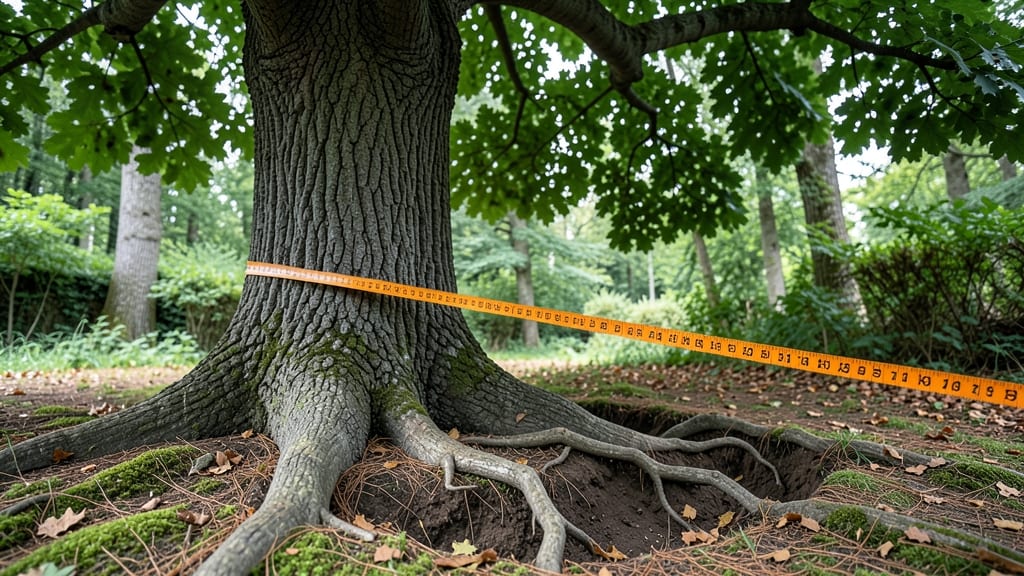
Tree roots spread far beyond what most gardeners imagine—often 2-3 times wider than the tree’s canopy. 🌳 I’ve watched oak roots crack sidewalks and maple roots lift driveways, proving that planting too close to structures or utilities is a costly mistake.
The spread depends on soil type, water access, and species, but one rule holds true: roots will always seek stability and nutrients, no matter how your garden plan looks on paper.
Clay soil slows roots down, while sandy soil lets them race outward, sometimes 50 feet or more for mature trees. Shallow-rooted species like willows or poplars demand extra space, while deeper-rooted oaks or pines stay more contained.
The key is researching your tree’s mature size before digging—because once planted, you’re locked into decades of root growth with no easy fixes.
You’ll avoid headaches by mapping roots at planting time, keeping them 10-15 feet from foundations and 20 feet from septic systems. Even small trees need this distance—their roots expand aggressively in search of water, especially during droughts.
Think of it as giving your tree a permanent, invisible boundary that protects everything else in your yard.
For existing trees, monitor root pruning zones and mulch carefully—too much mulch can suffocate roots while too little leaves them vulnerable.
The science is clear: roots spread wider and deeper than you’d guess, but with smart planning, they can coexist with your garden’s layout without turning it into a root warzone.
📚 In This Guide
- What you need
- Instructions
- Tips and common mistakes
- Wrapping up and next steps
What you need
- ● Measuring tape (25–50 ft) – For precise distance measurements.
- ● Garden stakes (wooden or metal, 12–18 inches tall) – At least 4–6 stakes to mark boundaries.
- ● Hammer or mallet – For driving stakes into the ground.
- ● String or twine – To outline root zones or create reference lines.
- ● Shovel or trowel – For digging small test holes (if inspecting roots).
- ● Notebook & pen – To record measurements and observations.
- ○ Tree identification guide (optional but helpful) – To confirm species and expected root spread.
- ● Root viewer or soil probe – For non-invasive root inspection (e.g., Auger or Soil Scoop).
- ● GPS device or smartphone app (e.g., Google Maps) – For large-scale property planning.
- ● Camera – To document root spread for future reference.
- ● Gloves & knee pads – For comfort during digging or stake placement.
- ● Local tree/root database access – Online resources like USDA Plant Database or Arbor Day Foundation guides.
Understanding tree root spread: safe planting distances explained
Here’s how to calculate root zones and avoid costly mistakes when planting near structures or other trees.
🌱 Step 1: Determine the Tree’s Mature Size and Root Zone
Start by researching the mature height and canopy spread of your tree species. For example, a 20-foot-tall oak typically has a root spread of 30-50 feet, while a 10-foot-tall maple may only reach 15-20 feet. The root zone extends 1½ to 3 times the tree’s mature height—this is your baseline.
I always check the USDA Plant Guide for specific varieties. For instance, a Bradford pear (mature height: 25-35 feet) has roots that can spread 40-60 feet. If you’re planting near a sidewalk or driveway, this means keeping new trees at least 20 feet away to avoid future damage.
🪴 Step 2: Account for Soil Type and Moisture Needs
Clay soil restricts root spread, forcing roots to grow shallower and wider (up to 50% more lateral spread than in loamy soil). Sandy soil, meanwhile, encourages deeper but narrower root zones. Always test your soil’s drainage—dig a 12-inch hole and fill it with water; if it drains in under 4 hours, roots will spread aggressively.
Water-loving trees like willows or silver maples can send roots 100+ feet in search of moisture. If planting near a pond or wetland, increase your buffer zone by at least 30 feet to prevent erosion or structural damage.
✂️ Step 3: Adjust for Nearby Structures and Utilities
For foundations, sidewalks, or driveways, maintain a minimum clearance of 1.5 times the tree’s mature height. A 30-foot-tall pine needs 45 feet from a house to avoid lifting foundations. Use root barriers (buried 2-3 feet deep) if planting closer, but know they only reduce spread by 30-50%—not eliminate it entirely.
Underground utilities (sewer, gas, water lines) require at least 5 feet of clearance from large trees. Smaller trees (under 15 feet) can be planted 3 feet away, but always call 811 before digging to locate buried lines.
💧 Step 4: Monitor Young Trees for Early Spread Patterns
Within 2-3 years, young trees establish feeder roots that spread 2-3 times faster than mature roots. If you notice cracked pavement or lifted concrete within the first year, the tree is already sending roots outward aggressively. Prune surface roots (cutting only 10-20% of the root mass) to redirect growth downward.
Use soil probes (a 1-foot-long metal rod) to check root depth. If you hit roots deeper than 18 inches within 3 feet of the trunk, the tree is already exceeding expected spread. In this case, consider root-pruning every 2-3 years to manage growth.
☀️ Step 5: Plan for Long-Term Root Competition
Trees within 20-30 feet of each other compete for water and nutrients, leading to stunted growth or death. If planting multiple trees, space them at least 30 feet apart for large species or 10-15 feet for small ornamentals. A group of 4 trees (as your servings suggest) should be planted in a square pattern, with each tree 15 feet from its neighbor.
Watch for yellowing leaves or leaf drop—a sign of root competition. In this case, deep-water the trees (soaking 12 inches deep every 7-10 days) to encourage deeper root growth and reduce lateral spread.
Tips & tricks for safe tree planting distances
These practical insights will help you avoid costly mistakes when planning your landscape layout.
Species-Specific Spread: The 1½ to 3 times mature height rule is your baseline, but some trees defy expectations. For example, willows can spread 100+ feet horizontally—far exceeding their height—while fruit trees like apples typically stay within 20-25 feet of their trunk. Always verify with the USDA Plant Guide or local nursery experts before planting near structures.
Soil Test Accuracy: That 4-hour drainage test is more critical than you might think. If water disappears in under 4 hours, your soil is likely sandy, which encourages aggressive lateral root spread. In these conditions, increase your buffer zones by 20-30% beyond the standard calculations to account for roots seeking deeper moisture.
Root Barrier Realities: While root barriers buried 2-3 feet deep can reduce spread by 30-50%, they won't eliminate it entirely. The most effective barriers are made of HDPE plastic (not metal or wood), and they must extend 12-18 inches above ground to prevent roots from growing over the top. Consider this a last-resort solution rather than a primary planting strategy.
Early Warning Signs: If you notice cracked pavement or lifted concrete within the first 2-3 years of planting, your tree's roots are already exceeding expected spread patterns. At this stage, prune only 10-20% of surface roots—never more—to redirect growth downward without shocking the tree. Use a soil probe to check root depth before deciding on pruning.
Pro Tips for How Far Do Tree Roots Spread
- These practical insights will help you avoid costly mistakes when planning your landscape layout.
- Species-Specific Spread: The 1½ to 3 times mature height rule is your baseline, but some trees defy expectations.
- Soil Test Accuracy: That 4-hour drainage test is more critical than you might think.
Frequently asked questions
Got questions about tree roots? You’re not alone! Here are some of the most common concerns—plus science-backed answers to keep your trees and structures happy.
How close can I plant a tree to my house or foundation?
Most experts recommend planting trees at least 15–20 feet from your home’s foundation. Larger species (like oaks or maples) need 30+ feet—their roots can crack driveways, sidewalks, or even lift foundations over time. Check our root spread chart for your tree type!
How long does it take for tree roots to cause damage?
Root damage isn’t instant! It can take 5–15 years for mature trees to exert enough pressure on structures. Young trees (under 5 years) usually pose minimal risk, but monitor their growth and prune aggressively if they’re near utilities or hardscapes.
Can tree roots grow under a driveway or patio?
Yes, but it’s a bad idea. Roots seek water and nutrients, so they’ll crack concrete over time. If you must plant near a driveway, choose shallow-rooted trees (like willows or dogwoods) and install physical barriers to redirect growth. Pro tip: Never plant near septic tanks!
Will tree roots damage my sewer lines or plumbing?
Absolutely—roots are drawn to moisture leaks in pipes and can clog or burst them within months. If you suspect a leak, call a plumber first, then consider root-resistant pipe materials (like PVC) or herbicide treatments for invasive species.
What’s the best way to stop roots from spreading toward my property line?
Try these non-invasive methods first:
- Root barriers: Bury corrugated metal or plastic 2–3 feet deep along property edges.
- Soaker hoses: Train roots away by watering farther from the barrier.
- Pruning: Trim surface roots annually to encourage downward growth.
How do I measure if a tree’s roots are spreading too fast?
Use the “30% Rule”: If roots extend 30% of the tree’s height from the trunk, they’re spreading aggressively. For example, a 20-foot tree with roots 6+ feet wide needs intervention. Try a root mapping tool or hire an arborist for a soil scan.
Wrapping up and next steps
Understanding how far tree roots spread is key to planting with confidence—and now you’ve got the science-backed insights! 🌳 Roots can stretch far beyond the tree’s canopy, often 1.5 to 3 times its height (or more for thirsty species like willows).
Whether you’re designing a garden, avoiding foundation damage, or planning a new landscape, these limits help you plant smartly and safely.
Ready to put this knowledge into action? Measure, mark, and plant with purpose—your trees (and your property) will thank you! For extra peace of mind, consult a local arborist or use a root spread calculator to tailor your spacing. Happy growing! 🌱