
Pruning
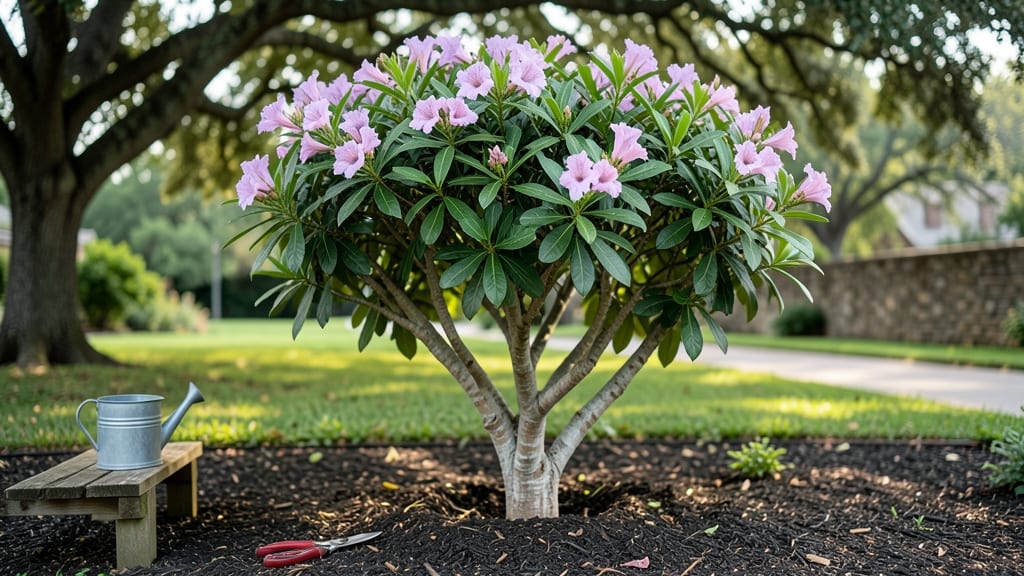
The Hopi crape myrtle tree thrives when pruned during dormancy, transforming your yard into a summer spectacle of bold, fiery blooms. I learned this the hard way after my first overzealous trim left my tree looking like a tangled mess.
The key is patience and precision, but the payoff is worth it: stronger branches, more flowers, and a tree that stands out in the landscape.
This tree thrives in full sun and well-draining soil, but the real magic happens in late winter or early spring before buds swell. Grab your pruners and gloves—you'll need to remove dead wood first, then shape the tree by cutting branches back to outward-facing buds.
The goal is to open up the center so light and air circulate freely. Most gardeners overlook this step, but it makes all the difference in bloom quality.
What you'll end up with is a tree that bursts into color by midsummer, with blooms so dense they look like clouds of pink or purple. The branches stay sturdy, resisting wind damage, and the tree produces fewer suckers at the base.
It's the kind of transformation that makes neighbors ask, "What did you do to your tree?"—and the answer is simply smart pruning.
Works equally well for small landscapes or as a statement piece in larger yards. The technique scales from young trees to mature specimens, though older trees may need a few seasons to fully recover their shape.
Start now, and by next summer, you'll have a crape myrtle that's the envy of the neighborhood.
📚 In This Guide
- What you need
- Instructions
- Tips and common mistakes
- Wrapping up and next steps
What you need
- ● Pruning shears: Bypass pruners (sharp, clean, and disinfected with rubbing alcohol or bleach solution).
- ● Loppers: For thicker branches (1–2 inches in diameter).
- ● Hand pruners: For smaller stems (¼–¾ inch).
- ○ Garden saw: Optional, for stubborn, thick branches (3+ inches).
- ● Disposable gloves: Heavy-duty to protect against thorns and sap.
- ○ Pruning sealant: Optional, for sealing larger cuts (helps prevent disease).
- ● Bucket or bag: For collecting pruned branches (line with a trash bag for easy cleanup).
- ● Hose or spray bottle: To clean tools between cuts and rinse sap off hands.
- ● Timing: Trim only during dormancy (late winter/early spring, before buds swell).
- ● Weather: Choose a dry, calm day to avoid spreading disease or damaging fresh cuts.
- ● Safety gear: Safety glasses (if branches are heavy or overhead).
- ● Tree health check: Inspect for pests/disease before pruning—treat issues first!
How to prune a Hopi crape myrtle tree for healthier growth
Here's the straightforward approach I use every late winter to keep my Hopi crape myrtle thriving.
Gather Tools and Inspect the Tree
First, grab a pair of clean, sharp pruning shears and a small bucket for trimmings. I always disinfect my tools with rubbing alcohol before starting—this prevents spreading disease between cuts. Choose a dry day when temperatures are above 40°F but below 60°F for the best results.
Walk around the tree and examine the branches from all angles. Look for dead, crossing, or weak branches that grow inward toward the center. These are your first targets. I mark them with a piece of twine or tape so I don’t miss any while working.
Remove Dead and Problem Branches
Start by cutting out any branches that are completely dead or diseased. Make your cuts just outside the branch collar—the swollen area where the branch meets the trunk. This ensures the tree can heal properly. For thicker branches, use loppers and cut at a 45-degree angle about ¼ inch above a bud or lateral branch.
Next, remove any branches that cross or rub against each other. These create wounds that invite pests and disease. If a branch is growing straight up from the trunk, cut it off at the base. This encourages a fuller, more open canopy. Watch for branches that grow toward the center of the tree—these block light and air circulation.
Thin Out Overcrowded Branches
Now, focus on thinning the tree to improve airflow and sunlight penetration. I aim to remove about 20-30% of the total branches, starting with the oldest and thickest ones. Cut branches back to a lateral branch or bud, making sure to leave a small stub—this prevents water from pooling and rotting the wound.
Step back frequently to check your progress. The goal is to create an open, vase-like shape with branches spaced evenly around the trunk. Avoid cutting too much at once—this stresses the tree and can reduce flowering. If you’re unsure, leave a branch—you can always trim more next year.
Shape and Clean Up
For the final touches, lightly shape the tree by trimming back any branches that are too long or leggy. Cut just above a bud or lateral branch to encourage new growth in the right direction. Avoid heavy pruning on the top—this can make the tree top-heavy and prone to storm damage.
Once you’re done, rake up all the trimmings and dispose of them properly. Never leave large piles of debris under the tree—this can harbor pests and disease. I like to mulch around the base with 2-3 inches of organic mulch to protect the roots and retain moisture.
Monitor and Maintain
After pruning, water the tree deeply to help it recover. Keep an eye on the fresh cuts for the first few weeks—healthy tissue should appear within 2-3 weeks. If you notice any signs of disease, like oozing sap or discolored leaves, treat it immediately with a fungicide.
From now until spring, avoid pruning unless absolutely necessary. The tree is in its dormant phase, and new growth won’t appear until temperatures warm up. Next year, you can do light maintenance pruning in late spring or early summer to shape the tree further and remove any suckers that sprout at the base.
Tips & tricks for pruning Hopi crape myrtle trees
Here's what I've learned after years of pruning these beautiful trees—details that make all the difference in keeping them healthy and blooming beautifully.
Tool Prep Matters: I can't stress enough how important it is to disinfect your pruning tools before starting. The rubbing alcohol step in Step 1 isn't just about cleanliness—it prevents spreading fungal diseases between cuts. I keep a small bottle of 70% isopropyl alcohol in my gardening shed specifically for this purpose. Also, make sure your shears are sharp; dull blades crush branches instead of making clean cuts, which can damage the tree's bark.
Weather Window is Critical: Those temperature guidelines of 40°F to 60°F in Step 1 aren't arbitrary. Pruning in cold weather below 40°F can shock the tree, while temperatures above 60°F can encourage new growth too early in the season. I've learned the hard way that pruning in warm winter days can stimulate premature budding, which gets damaged by late frosts. Early morning pruning on cool days within this range gives the best results.
Branch Collar Knowledge: When you're making those precise cuts just outside the branch collar in Step 2, here's a visual tip: the branch collar looks like a swollen ridge where the branch meets the trunk. It's not always obvious, but if you run your finger along the trunk where the branch attaches, you'll feel that slight bump. Cutting just outside this area ensures the tree can seal the wound properly and heal faster. I mark the spot with a small piece of masking tape if I'm unsure.
Thinning Strategy: That 20-30% thinning guideline in Step 3 is perfect, but here's how I determine which branches to remove: I look for branches that are about 1/3 the diameter of the trunk or larger. These are the oldest branches that have served their purpose. Also, pay attention to the branch's growth pattern—branches that grow straight up from the trunk (called "water sprouts") should be removed completely at the base to encourage a fuller shape.
Pro Tips for Hopi Crape Myrtle Tree
- Here's what I've learned after years of pruning these beautiful trees—details that make all the difference in keeping them healthy and blooming beautifully.
- Tool Prep Matters: I can't stress enough how important it is to disinfect your pruning tools before starting.
- Weather Window is Critical: Those temperature guidelines of 40°F to 60°F in Step 1 aren't arbitrary.
Frequently asked questions
When is the best time to prune a Hopi Crape Myrtle?
The ideal time is late winter or early spring before new growth begins (around February–March in most regions). Avoid pruning in fall or winter, as this can leave cuts vulnerable to disease. Pro tip: If you miss the window, a light trim in early spring is better than none at all!
How much can I trim off without harming the tree?
For Hopi Crape Myrtles, aim to remove no more than 1/3 of the tree’s height or width in a single pruning session. Focus on dead, crossing, or weak branches first. Over-pruning can stress the tree and reduce next year’s blooms. Think quality over quantity!
Will pruning now affect next year’s flowers?
Pruning in late winter/early spring actually encourages more vibrant blooms by promoting healthy new growth. Just avoid heavy cuts in summer or fall, as this can stunt flower production. The key is timing—trim after the tree’s dormant season but before buds swell.
My Hopi Crape Myrtle has bare stems—what went wrong?
Bare stems often mean the tree was pruned too late (after buds formed) or too aggressively. To fix it, stop pruning for a year and focus on fertilizing in early spring. Next year, trim only dead wood and shape lightly. Patience helps—healthy roots will sprout new branches!
Are there alternatives to pruning if I’m not confident?
If pruning feels overwhelming, try these low-maintenance options:
- Light shaping: Just remove dead or crossing branches with clean cuts.
- Fertilizing: Use a balanced, slow-release fertilizer in spring to boost growth.
- Mulching: Add 2–3 inches of mulch around the base to protect roots and retain moisture.
- Hire a pro: Many arborists offer seasonal pruning services for crape myrtles.
Wrapping up and next steps
The Hopi Crape Myrtle is a stunning addition to any landscape, and with the right dormant-season pruning, you’ll reward it with vibrant blooms and sturdy branches for years to come! 🌸 By following these steps—cleaning up dead wood, shaping for airflow, and avoiding over-trimming—you’re setting your tree up for success.
Now that you’re armed with the know-how, grab those shears and get pruning! Your future summer blooms will thank you.
🌱 Next Steps:
- Mark your calendar for late winter or early spring (before buds swell) for next year’s trim.
- Monitor your tree’s growth and adjust pruning as needed to maintain its health.
- Share your pruning progress—tag us @GardenGuru for a chance to be featured!