
Pruning
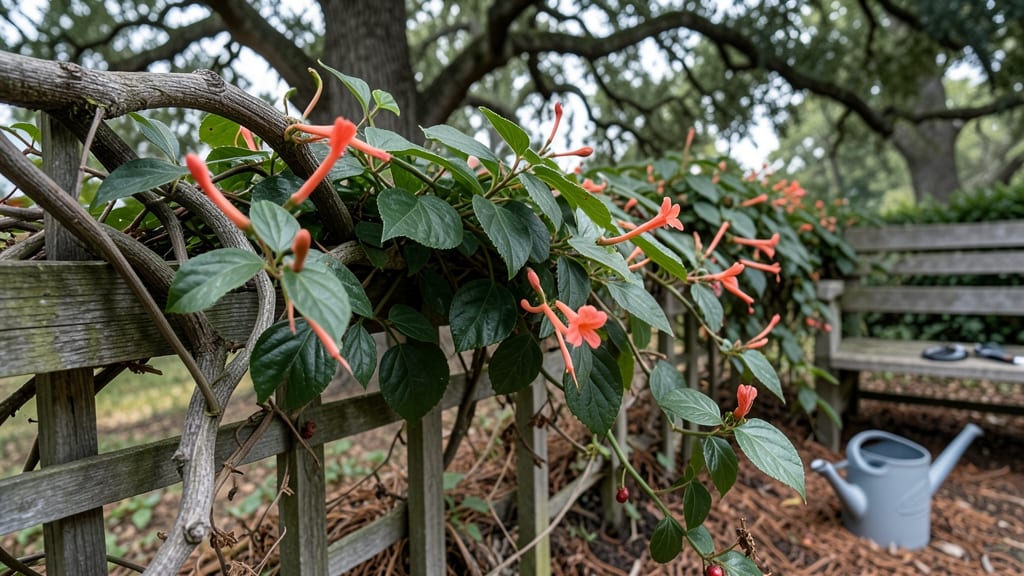
Growing a honey suckle tree means waking up to a garden that smells like spring all year long—if you prune it right.
I learned this the hard way after my first tree took over my fence line, but the right cuts turn it from a wild vine into a fragrant, manageable beauty.
The key is timing: prune in late winter before buds swell, and you’ll encourage dense growth with those signature tubular blooms.
These trees thrive in full sun to partial shade and tolerate almost any soil, though they love well-draining earth. Water deeply once established, but don’t overdo it—they’re tough once rooted.
Varieties like trumpet honeysuckle (Lonicera sempervirens) climb fences or trellises, while Japanese honeysuckle (Lonicera japonica) sprawls as a ground cover. Both attract hummingbirds and butterflies, but check local regulations first—some states consider them invasive.
With the right pruning, you’ll have year-round fragrance—sweetest in spring, but some varieties like Lonicera fragrantissima even bloom in winter. The trick is cutting back old wood in early spring to make room for fresh growth.
Just avoid heavy pruning in fall, or you’ll lose next year’s flowers. Think of it like sculpting: each cut shapes the plant’s future.
Wildlife will thank you, too. Hummingbirds can’t resist the nectar, and bees swarm the blooms. Just keep an eye on aggressive varieties—they’ll take over if left unchecked.
Start small, prune often, and you’ll have a fragrant, low-maintenance star in your landscape. Ready to transform that blank fence or trellis into a living perfume?
📚 In This Guide
- What you need
- Instructions
- Tips and common mistakes
- Wrapping up and next steps
What you need
- ● Pruning shears: Sharp, bypass-style shears (for clean cuts) – 1 pair (10-12" blades recommended).
- ● Loppers: For thicker branches (1.5" diameter) – 1 pair (with a ratchet mechanism for leverage).
- ● Hand pruners: For small, precise cuts – 1 pair (ergonomic grip preferred).
- ● Pruning saw: For branches too thick for loppers (2" diameter+) – 1 saw (with a curved blade).
- ● Ladder: Extendable fiberglass or aluminum ladder (24-32 ft, 4-wheel for stability) – 1 (rent if needed).
- ● Work gloves: Cut-resistant gloves (gardening-grade) – 1 pair (for thorns!).
- ● Disinfectant: 70% isopropyl alcohol or bleach solution (1 part bleach : 9 parts water) – small spray bottle.
- ● Heavy-duty trash bags: For debris removal – 2-3 bags (13-gallon size).
- ○ Tree wound dressing (optional but recommended): Pruning sealant (for cuts > 0.5" diameter) – 1 small tub.
- ● Pole pruner: For high branches (16-24 ft reach) – 1 (extends your reach!).
- ● Safety glasses: To shield eyes from debris – 1 pair.
- ● Knee pads: For comfort during ground-level trimming – 1 pair.
- ○ Hose & nozzle: To clean tools post-pruning – 1 (optional but refreshing!).
- ● Notebook & pen: To sketch pruning plans or track growth – 1.
How to prune a honey suckle tree for continuous blooms and fragrance
Pruning isn't just about shaping—it's the secret to keeping your honey suckle tree flowering and fragrant all season long.
Time Your Pruning for Maximum Bloom
Prune your honey suckle tree in late winter or early spring, just before new growth begins. This timing ensures you remove last year's spent blooms while stimulating fresh spring flowers. Avoid pruning in fall—you'll cut off next year's flower buds that form on new wood.
Look for dormant branches with no leaves or buds. These are the ones to trim first. Use sharp pruning shears to make clean cuts at a 45-degree angle, about ¼ inch above a bud or lateral branch. This prevents water from pooling and rotting the wound.
Remove Dead, Diseased, or Crossing Branches
Start by inspecting the tree for dead wood—branches that are brittle, snapping easily, or lacking bark. Remove these completely at the branch collar, where the branch meets the trunk. Next, look for diseased branches with discolored leaves, mold, or oozing sap. Cut these out to prevent the spread of pathogens.
Identify crossing or rubbing branches—these create wounds where bark can be damaged, inviting pests and disease. When two branches cross, prune the weaker one (usually the smaller or less vigorous branch) back to its point of origin. This opens the canopy for better air circulation and sunlight penetration.
Thin the Canopy for Airflow and Light
Honey suckle trees thrive when their centers receive good airflow and sunlight. Focus on removing overcrowded branches that grow inward or downward. Aim to create an open, vase-like shape, allowing light to reach the inner branches. Start from the outer edges and work inward to avoid over-pruning.
Cut back up to one-third of the oldest branches to encourage new growth. Look for branches that are thicker than a pencil—these are the structural limbs that provide the tree's framework. Prune these selectively to maintain balance and shape. Avoid removing more than 25% of the tree's foliage in one season to prevent stress.
Encourage New Growth with Strategic Cuts
To promote vigorous flowering, prune back last year's flower clusters to just above a set of healthy buds. These buds will develop into new branches that produce abundant blooms. Pay attention to the direction of growth—cut branches that grow toward the center of the tree to open up the canopy.
If your honey suckle tree has become too tall or leggy, you can head back the longest branches by cutting just above a lateral bud. This encourages the tree to bush out rather than grow upward. Avoid heavy pruning in one season—spread it out over 2-3 years to avoid shocking the tree.
Maintain Year-Round with Light Trims
After the initial pruning, keep your honey suckle tree in check with light maintenance trims throughout the year. Remove spent flowers after they fade to encourage continuous blooming. Prune back any suckers (shoots growing from the base or roots) to redirect the tree's energy into established branches.
In early summer, give the tree a quick inspection to remove any water sprouts (fast-growing, vertical shoots) or branches that are growing in an unnatural direction. A little attention now prevents major pruning jobs later. Always clean your pruning tools with rubbing alcohol between cuts to prevent the spread of disease.
Tips & tricks for perfect honey suckle tree pruning
Keeping your honey suckle tree blooming and fragrant year-round takes more than just a few snips—it's about understanding the tree's growth patterns and timing your cuts precisely.
Timing is Everything: The late winter to early spring window is non-negotiable for that first pruning session. This is when the tree is still dormant but about to burst into new growth. I've seen people prune too early in winter and miss the budding season entirely. If you're unsure about timing, look for the first signs of swelling buds—those are your cues to start. The goal is to remove last year's spent blooms while leaving the fresh buds intact for this year's flowers.
Precision Cuts Prevent Problems: That 45-degree angle and ¼-inch clearance above the bud aren't just suggestions—they're critical for the tree's health. I learned this the hard way when I made sloppy cuts that led to water pooling and rot. Always make your cuts just outside the branch collar where the branch meets the trunk. This promotes faster healing and prevents disease entry points. Think of it like giving your tree a clean surgical incision rather than a jagged wound.
Structural Balance Matters: When thinning the canopy, remember that structural branches thicker than a pencil are your tree's backbone. These branches provide the framework that supports all the flowering branches. I recommend marking these branches before you start pruning so you don't accidentally remove too many. The 25% foliage limit isn't arbitrary—it's what keeps your tree from becoming stressed and losing its ability to produce those fragrant blooms.
Year-Round Maintenance Strategy: That early summer inspection isn't just about removing water sprouts—it's about giving your tree a health check. I've found that regular light trims actually reduce the need for major pruning later. Keep a small pair of pruning shears in your gardening toolbox and do a quick walkthrough every few weeks. Remove those spent flowers immediately after they fade—they're not just unsightly, they're sapping energy from new blooms.
Pro Tips for Honey Suckle Tree
- Keeping your honey suckle tree blooming and fragrant year-round takes more than just a few snips—it's about understanding the tree's growth patterns and timing your cuts precisely.
- Timing is Everything: The late winter to early spring window is non-negotiable for that first pruning session.
- Precision Cuts Prevent Problems: That 45-degree angle and ¼-inch clearance above the bud aren't just suggestions—they're critical for the tree's health.
Frequently asked questions
Got questions about keeping your honey suckle tree fragrant and healthy year-round? Here are some of the most common ones—and their answers!
When is the best time to trim a honey suckle tree for maximum fragrance?
The ideal time to trim is late winter or early spring (before new growth starts). This encourages fresh, fragrant blooms while avoiding the risk of frost damage. Avoid heavy pruning in fall—it can stimulate tender growth that won’t survive winter. For light maintenance (like dead branch removal), summer is fine!
How much can I cut back without harming the tree?
You can safely remove up to one-third of the tree’s total growth in a single pruning session. For mature trees, focus on thinning out crowded branches (especially inside the canopy) to improve airflow and light exposure. Never cut more than 25% back in one year—gradual trimming keeps the tree healthy and blooming!
Why isn’t my honey suckle tree smelling as sweet as it used to?
Dull fragrance often signals overgrowth, poor airflow, or nutrient deficiencies. Try these fixes:
- Prune to open up the canopy and improve sunlight.
- Fertilize with balanced, slow-release granules in early spring.
- Check for pests (like scale insects)—they can weaken the tree.
Can I grow a honey suckle tree in a container? Is it possible to keep it small?
Yes! Dwarf varieties like Lonicera fragrantissima ‘Winter Beauty’ thrive in containers (15+ gallon pots). Prune aggressively in early spring to control size and shape, and repot every 2–3 years. Just ensure it gets 6+ hours of sunlight daily—containers dry out faster, so water consistently!
Are honey suckle trees messy? Do they attract pests like bees or wasps?
While they’re not overly messy, they do produce small, tubular flowers that attract pollinators (including bees). To minimize pests:
- Plant near bee-friendly flowers to distract them from your home.
- Avoid pruning during peak bloom (late spring) to protect pollinators.
- Shake out spent blooms occasionally to reduce debris.
Wrapping up and next steps
The honey suckle tree can be your year-round fragrant companion with the right pruning techniques! By mastering strategic trimming—like late winter shaping, post-bloom thinning, and disease prevention—you’ll enjoy its sweet scent, vibrant blooms, and healthy growth.
Whether you’re a gardening novice or a seasoned pro, a little effort now keeps this beauty thriving for seasons to come. 🌿
Ready to transform your outdoor space? Grab your pruners, dust off that ladder, and start trimming today! Your fragrant oasis awaits—just a few cuts away. 🌸