Pruning
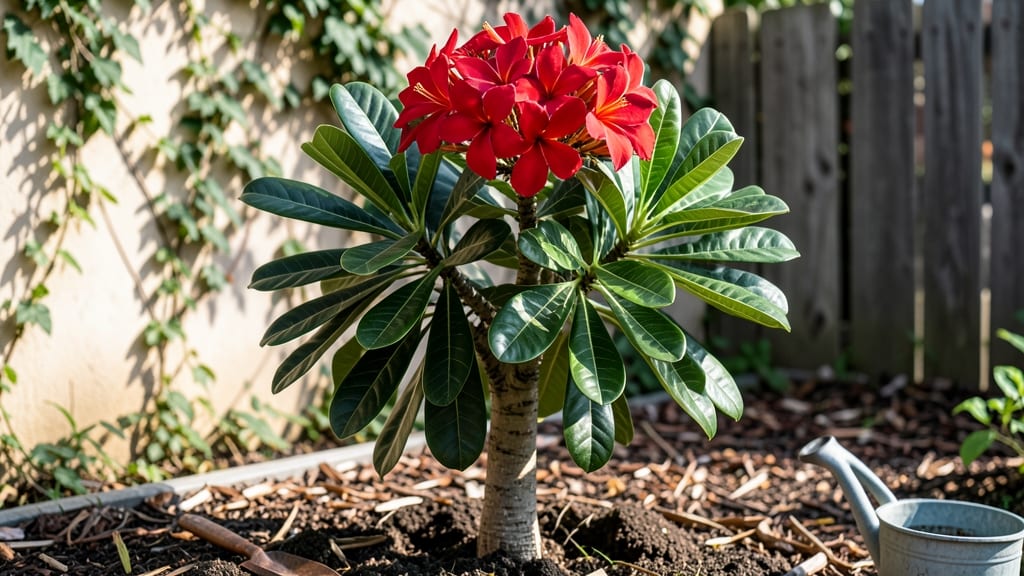
The Hawaii lei tree (Plumeria) turns your yard into a living fragrant sanctuary—if you prune it right. 🌺 I’ve learned the hard way that skipping this step means fewer blooms and leggy branches, but the right cuts keep those signature waxy flowers coming all year.
The secret lies in timing and technique, not just hacking away at random.
Start by waiting until after your last frost (or anytime in tropical climates) before making your first major cuts. You’ll need sharp pruners, gloves, and a clear day to avoid spreading diseases.
The goal is to shape the tree while encouraging dense growth where flowers will form—think of it like sculpting a living work of art.
With proper pruning, your lei tree will reward you with glossy green foliage and clusters of fragrant blooms that last for months. The flowers release their sweetest scent in the evening, making your garden a natural perfume factory.
Just be patient—it takes about 4-6 weeks after trimming for new growth to sprout.
This method works for both container-grown trees and in-ground plants, whether you’re in Hawaii’s humid climate or a warmer zone like Florida or California. The key is consistency—prune lightly every few months to maintain shape and encourage flowering.
📚 In This Guide
- What you need
- Instructions
- Tips and common mistakes
- Wrapping up and next steps
What you need
- ● Pruning shears – Bypass-style (sharp, clean cuts only!)
- ● Gloves – Heavy-duty, latex-free (lei sap can irritate skin)
- ● Disinfectant – 70% isopropyl alcohol or rubbing alcohol (1 bottle)
- ○ Pruning sealant – Optional but recommended (e.g., Ortho Pruning Sealer)
- ● Bucket or tray – For collecting fallen blooms/leaves (5-gallon size works)
- ● Hose or watering can – To rinse tools and clean cuts
- ● Safety goggles – Recommended if working near thorns
- ● Extension pole – For high branches (6–10 ft, telescoping)
- ● Leaf blower – To clear debris post-prune
- ● Drying rack – For air-drying lei flowers (if making garlands)
- ● Slow-release fertilizer – Balanced 10-10-10 (1 lb bag)
How to prune a Hawaii lei tree for continuous blooms
Here's the simple, science-backed approach I use to keep my lei tree flowering nonstop.
✂️ Step 1: Understand the Three Pruning Seasons
Hawaii lei trees bloom best when pruned at specific times. Start with a light spring trim in late February or early March when new growth begins—this encourages bushier branching. Real talk: I always check for fresh green shoots before touching the shears, because pruning too early can delay flowering.
Then comes the main summer pruning in June or July after the first major flush of blooms. This is when you'll shape the tree most aggressively, cutting back about one-third of the previous year's growth. Watch for where the leaves start getting sparse—that's your visual cue for where to make cuts.
Finally, a light winter trim in December helps remove any dead or crossing branches. This keeps air circulating and prevents fungal issues. I never cut into old wood—always leave at least two leaf nodes above any cut to encourage new growth.
✂️ Step 2: Use the Right Tools and Technique
Sharp, clean tools are non-negotiable. I use bypass pruners for branches up to ¼ inch thick and a pruning saw for anything thicker. Always sterilize your tools with rubbing alcohol between cuts—this prevents spreading any potential diseases hiding in the branches.
Make cuts at a 45-degree angle just above a leaf node or outward-facing bud. Never leave stubs—this invites rot. When shaping, step back frequently to visualize the tree's natural form. The goal is to maintain an open center that lets light reach all branches.
Here's the thing—I always prune on a dry, overcast morning. The tree is less stressed, and you won't accidentally spread sap that attracts pests. Plus, you can see exactly where you're cutting without glare.
☀️ Step 3: Encourage More Blooms Through Strategic Cuts
For continuous fragrance, focus on bloom-producing branches. These are the ones with clusters of small buds along their length. When you see a branch with more than three sets of leaves between bloom clusters, it's time to cut it back to just above the lowest set of buds.
Never remove more than one-third of the tree's foliage in a single session. This ensures the tree can still photosynthesize enough to support new growth. After major pruning, I give the tree a balanced fertilizer with equal parts nitrogen, phosphorus, and potassium to help it recover.
Watch for new growth emerging from the cut points within 2-3 weeks. That's your signal everything's working. If you don't see new shoots after 4 weeks, the cut might have been too severe—adjust next time.
⏰ Step 4: Year-Round Maintenance Between Major Prunings
Between your seasonal prunings, do light monthly maintenance. Remove any dead, diseased, or crossing branches immediately. I also pinch back the tips of new growth in spring to encourage bushier development—just snip off the last ½ inch of the stem when you see 4-5 leaf pairs.
Pay special attention to the tree's growth pattern. If you notice all the new growth is coming from one side, that means the tree is leaning toward the light. Simply prune back some branches on the sunny side to balance it out.
Water deeply once a week after pruning to help the tree recover. The soil should be moist 6 inches down—stick your finger in to check. Overwatering now will just stress the tree more while it's healing.
Tips & tricks for perfect Hawaii lei tree pruning
These simple secrets will help you keep your fragrant lei tree blooming beautifully all year long.
Timing is Everything: The three-season pruning schedule is non-negotiable for continuous blooms. In Step 1, that late February/March spring trim is critical—wait for those fresh green shoots to appear before cutting. I've learned this the hard way: pruning too early can delay flowering for months. For the summer pruning in June/July, wait until you've seen the first major flush of blooms before making aggressive cuts.
Tool Technique Matters: In Step 2, when using bypass pruners, always make cuts at a 45-degree angle just above a leaf node. This isn't just about aesthetics—proper cuts prevent water from pooling and causing rot. I keep rubbing alcohol handy to sterilize tools between cuts, especially when dealing with diseased branches. And here's what nobody tells you: the dry, overcast morning timing isn't just about visibility—it's about reducing stress on the tree by avoiding the heat of midday.
Strategic Pruning for More Blooms: Focus on those bloom-producing branches mentioned in Step 3. When you see branches with more than three sets of leaves between bloom clusters, that's your signal to cut back. I've found that leaving just two leaf nodes above each cut gives the best balance between new growth and existing blooms. After major pruning, I always apply a balanced fertilizer (10-10-10 ratio) to help the tree recover—this makes all the difference in maintaining that year-round fragrance.
Year-Round Maintenance Wins: Don't skip the monthly maintenance in Step 4. That pinch-back technique on new growth—snipping just ½ inch from stems with 4-5 leaf pairs—encourages bushier development without shocking the tree. I check my tree's growth pattern weekly: if it's leaning toward the light, I'll do a quick balance trim on the sunny side. The once-weekly deep watering after pruning helps the tree recover, but I always check that 6-inch soil moisture level first—overwatering is a common mistake that can actually delay new growth.
Pro Tips for Hawaii Lei Tree
- These simple secrets will help you keep your fragrant lei tree blooming beautifully all year long.
- Timing is Everything: The three-season pruning schedule is non-negotiable for continuous blooms.
- Tool Technique Matters: In Step 2, when using bypass pruners, always make cuts at a 45-degree angle just above a leaf node.
Frequently asked questions
When is the best time to prune my Hawaii lei tree for maximum blooms?
The ideal time to prune is late winter to early spring (just before new growth starts). This encourages vibrant spring blooms! Light trimming can also happen after flowering to shape the tree. Avoid heavy pruning in fall—it can stress the plant before winter.
How much can I trim back my lei tree without harming it?
You can safely remove up to 1/3 of the tree’s growth in one session. Focus on dead, diseased, or overcrowded branches first, then thin out the center for airflow. Avoid cutting into old wood—lei trees bloom best on new growth. Pro tip: Use sharp, sterilized shears to prevent damage!
Why isn’t my lei tree blooming after pruning?
Blooms may take 6–12 months to return after pruning, depending on the tree’s health. Check these common culprits:
- Over-pruning: Too much cutting reduces flowering energy.
- Poor sunlight: Lei trees need 6+ hours of sun daily.
- Nutrient deficiency: Feed with balanced fertilizer (10-10-10) in early spring.
Can I prune my lei tree in Hawaii’s humid climate differently?
Yes! In Hawaii’s tropical climate, prune year-round to control size and shape—but avoid heavy cuts during rainy seasons (Dec–Apr) to prevent fungal issues. Always sterilize tools and prune in morning hours to let wounds dry quickly. Mulch after pruning to retain moisture!
What’s a good alternative if my lei tree isn’t thriving?
If your lei tree struggles with pests, disease, or slow growth, consider these fragrant, low-maintenance Hawaii-friendly alternatives:
- Plumeria (Frangipani): Drought-tolerant with stunning blooms.
- Ilima (Sida fallax): Native Hawaiian flower, easy to grow.
- Jasmine (Jasminum spp.): Fast-growing with intoxicating scent.
Wrapping up and next steps
Pruning your Hawaii lei tree isn’t just about keeping it tidy—it’s your secret to year-round beauty and fragrant blooms! 🌺 By mastering the art of strategic trimming, you’ll encourage lush growth, vibrant flowers, and that signature tropical aroma that makes your garden shine.
Whether you’re a seasoned gardener or just starting, the key is patience and consistency.
Ready to transform your space? Grab your tools, follow your pruning plan, and watch your lei tree thrive! For extra inspiration, explore local Hawaii gardening communities or check out seasonal care tips to keep your tree flourishing all year. Mahalo for embracing the magic of your lei tree—your garden (and nose!) will thank you! 🌿