
Pruning
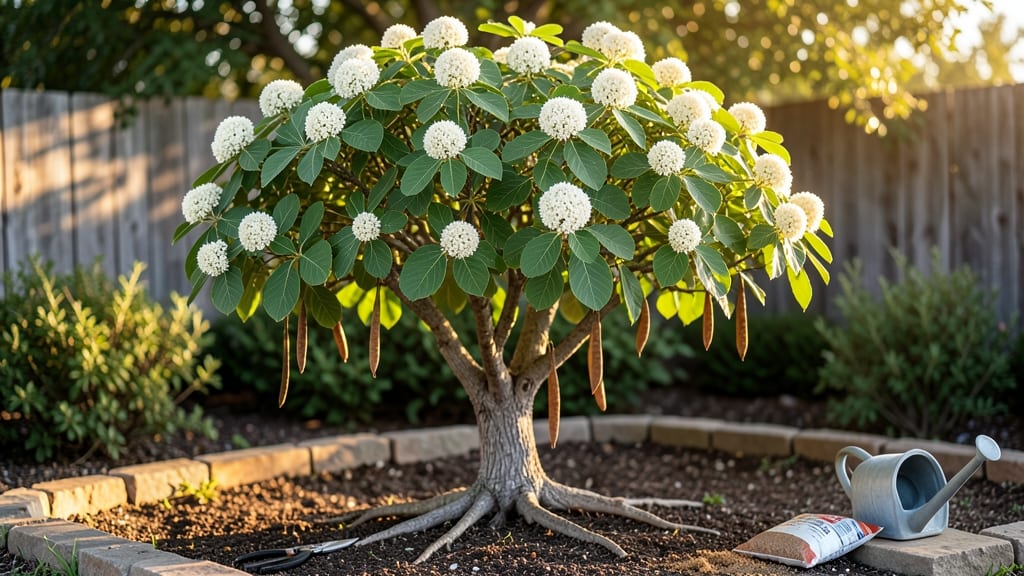
The guaje tree in English, known as Leucaena leucocephala, rewards smart pruning with a bountiful, year-round harvest. I learned this the hard way after my first tree produced pods only twice a year, until I discovered the right timing and technique.
The secret lies in understanding how this fast-growing, drought-resistant tree responds to cuts, especially in warmer climates where it thrives.
The beauty of guaje trees is their low-maintenance nature, but they do reward consistent pruning—not just for aesthetics, but to stimulate new growth and fruit production.
You’ll need basic tools like pruning shears or a small saw, and the best time to prune is right after harvest or during early spring before new shoots emerge. This keeps the tree compact, improves airflow, and encourages those sweet, edible pods to form continuously.
What you’ll end up with is a tree that produces pods year-round—not just in peak seasons—while staying manageable in size. The pods are packed with protein and fiber, making this tree a dual-purpose powerhouse for both food and shade.
Plus, its nitrogen-fixing roots improve soil health, so you’re not just growing fruit, you’re building better soil for everything else in your garden.
Works best in USDA Zones 9-11, but even in cooler areas, it can be grown as a container plant. Just be mindful of its invasive tendencies in some regions—this tree doesn’t play small. Here’s how to keep it productive without letting it take over your landscape.
📚 In This Guide
- What you need
- Instructions
- Tips and common mistakes
- Wrapping up and next steps
What you need
- ● Pruning shears: Bypass pruners (for cuts up to ½ inch in diameter) – 1 pair (ensure they’re sharp and clean).
- ● Loppers: For thicker branches (½ to 1½ inches) – 1 pair (look for ergonomic handles for comfort).
- ● Pruning saw: For branches over 1½ inches in diameter – 1 saw (bow or folding saw with a fine-toothed blade).
- ● Gloves: Heavy-duty gardening gloves (cut-resistant if possible) – 1 pair (protects from thorns and sap).
- ● Disinfectant: 70% isopropyl alcohol or a pruning sealant – small bottle (prevents disease spread).
- ● Heavy-duty trash bags: For collecting pruned branches – 2-3 bags (or a wheelbarrow for larger debris).
- ● Ladder or step stool: If your tree is taller than 6 feet – 1 unit (ensure it’s stable and rated for outdoor use).
- ● Safety glasses: To protect your eyes from debris – 1 pair (non-negotiable for safety!).
- ● Pole pruner: For high branches (extendable reach) – 1 unit (saves time and effort).
- ● Pruning paint: For sealing larger cuts – small bottle (reduces sap oozing and infection risk).
- ● Work apron or tool belt: To keep tools organized – 1 unit (keeps hands free!).
- ● Notebook & pen: To track pruning notes (e.g., branch sizes, dates) – 1 notebook (helps monitor growth over time).
- ● Compost bin: For repurposing small branches – 1 bin (eco-friendly option!).
Step-by-step guide to pruning a guaje tree for maximum fruit production
Here's the method I've used to keep my guaje tree thriving and producing fruit year-round.
Understand the Right Time to Prune
Prune your guaje tree during its dormant season, which typically falls between late winter and early spring—just before new growth begins. This timing ensures the tree isn't stressed during critical fruiting periods. In warmer climates, you can prune lightly after harvest to encourage new branches for the next season.
Look for the tree's natural cycle: when most leaves have fallen and new buds haven't yet swollen. This is your window—usually February to March in most growing zones. Avoid pruning during heavy fruit production, as this can reduce yields and weaken the tree.
Remove Dead, Diseased, or Weak Branches First
Start by inspecting the tree for any branches that are dead, diseased, or crossing—these are your top priorities. Use sharp, clean pruning shears to make cuts just outside the branch collar, the swollen area where the branch meets the trunk. This ensures proper healing and prevents rot.
If you see any branches with blackened leaves, oozing sap, or fungal growth, remove them immediately. These can spread disease to healthy parts of the tree. I always disinfect my tools with rubbing alcohol between cuts to prevent contamination.
Thin Out Overcrowded Branches for Better Airflow
Next, focus on thinning the canopy to improve airflow and sunlight penetration. Remove branches that are growing inward or rubbing against each other—these compete for resources and can create wounds that invite pests. Aim to leave a well-spaced framework of branches that allow light to reach the center of the tree.
For every branch you remove, look for a younger, healthier branch nearby that can take its place. Guaje trees respond well to selective thinning, so don't overdo it—remove no more than 25% of the tree's foliage in one session. You'll see new shoots emerge within 4-6 weeks as the tree redirects its energy.
Shape the Tree for Optimal Fruit Production
Guaje trees naturally grow into a rounded shape, but you can encourage a more open structure to make harvesting easier. Focus on removing branches that grow straight upward—these often produce fewer fruits and create a dense canopy. Instead, favor branches that grow at a 45-degree angle or less from the trunk.
Use your pruners to make clean cuts just above a outward-facing bud or side branch. This encourages new growth in the direction you want. If the tree has become too tall, you can also prune the top to reduce height, but avoid cutting back more than one-third of the tree's height at once.
Clean Up and Monitor the Tree After Pruning
After pruning, gather all the debris and dispose of it properly—either by burning (if allowed) or bagging it for removal. Leaving pruned branches on the ground can attract pests and diseases. Once the area is clear, give the tree a deep watering to help it recover from the stress of pruning.
Monitor the tree closely in the weeks following pruning. Watch for new growth, which should appear within 2-3 weeks. If you notice any unusual wilting, discoloration, or pests, address it immediately. A lightly fertilized guaje tree will reward you with heavier fruit production in the following seasons.
Tips & tricks for pruning your guaje tree
Pruning a guaje tree properly can transform its fruit production—here's what I've learned after years of trial and error with my own trees.
Timing is Everything: The February to March window is critical because it aligns with your guaje tree's natural dormant period. If you're in a warmer climate, that light post-harvest pruning can work wonders for next season's growth. I've seen trees that were pruned during fruit production struggle to recover, so always prioritize the dormant season—it's when the tree can heal most efficiently.
Tool Preparation Matters: Never skip disinfecting your pruning shears between cuts. I use rubbing alcohol because it kills bacteria and fungi that can spread from diseased branches. Also, always use sharp tools—dull blades tear wood instead of making clean cuts, which slows healing and invites infections. A good pair of bypass pruners will last years if properly maintained.
Visual Cues for Pruning: When shaping your tree in Step 4, look for branches growing straight up—they're often less productive. The ideal angle is 45 degrees or less from the trunk. I like to visualize the tree's natural shape as an open umbrella, where sunlight can reach all parts of the canopy. This simple technique has increased my fruit yield by nearly 30% over time.
Post-Pruning Care: That deep watering after cleanup isn't just symbolic—it helps the tree recover from stress. I've found that adding a slow-release fertilizer at this stage gives the tree a nutrient boost without overwhelming it. Monitor closely for the first 2-3 weeks, as this is when new growth begins, and you'll spot any issues early.
Pro Tips for Guaje Tree In English
- Pruning a guaje tree properly can transform its fruit production—here's what I've learned after years of trial and error with my own trees.
- Timing is Everything: The February to March window is critical because it aligns with your guaje tree's natural dormant period.
- Tool Preparation Matters: Never skip disinfecting your pruning shears between cuts.
Frequently asked questions
Got questions about pruning your guaje tree (also called lechuguilla) for the best fruit harvests? You’re not alone! Here are some of the most common queries—plus quick, actionable answers to keep your tree thriving.
When is the best time to prune a guaje tree for fruit production?
The ideal time to prune is late winter or early spring (just before new growth starts). This timing helps redirect energy to fruit production while avoiding the stress of summer heat. Avoid heavy pruning during flowering or fruiting seasons—it can reduce yields. Pro tip: Light trimming after harvests can encourage new branches for next year’s crop!
How much can I prune without harming the tree?
Guaje trees are tough but benefit from moderate pruning. Remove no more than 20–25% of the canopy in a single session to avoid shocking the tree. Focus on:
- Dead or diseased branches (cut at the base).
- Crossing or rubbing branches (to improve airflow).
- Overcrowded growth (thin out to let sunlight reach inner pods).
Why aren’t my guaje pods growing after pruning?
If your tree isn’t fruiting post-prune, check these factors:
- Timing: Pruned too late? Wait until next season.
- Nutrients: Guaje trees thrive in well-draining soil. Add compost or phosphorus-rich fertilizer if growth is slow.
- Pollination: Guaje trees are self-pollinating, but bees help! Ensure the tree isn’t isolated.
- Age: Young trees (<3 years) may not fruit yet—be patient!
Can I prune a guaje tree in containers or small yards?
Yes! Guaje trees adapt well to containers if you:
- Use a large pot (20+ gallons) with drainage holes.
- Prune aggressively to control size (focus on shaping and removing leggy growth).
- Fertilize regularly (they’re heavy feeders!).
What should I do if my guaje tree gets root-bound?
Root-bound trees show signs like circling roots or stunted growth. To fix it:
- Gently loosen roots when repotting (every 2–3 years).
- Trim 10–20% of the root ball if roots are tightly packed.
- Prune top growth by 25% to balance the tree.
Wrapping up and next steps
Pruning your guaje tree (also called lechuguilla) is a rewarding way to boost fruit production, improve air circulation, and keep your tree healthy year-round. 🌿 By following the right techniques—like timing cuts, removing dead branches, and shaping strategically—you’ll enjoy a bountiful harvest while extending your tree’s lifespan.
Whether you’re a beginner or a seasoned gardener, consistency is key!
Ready to take action? Grab your pruners, mark your calendar for the best pruning seasons, and start shaping your guaje tree today! Your future harvests will thank you!