Trees
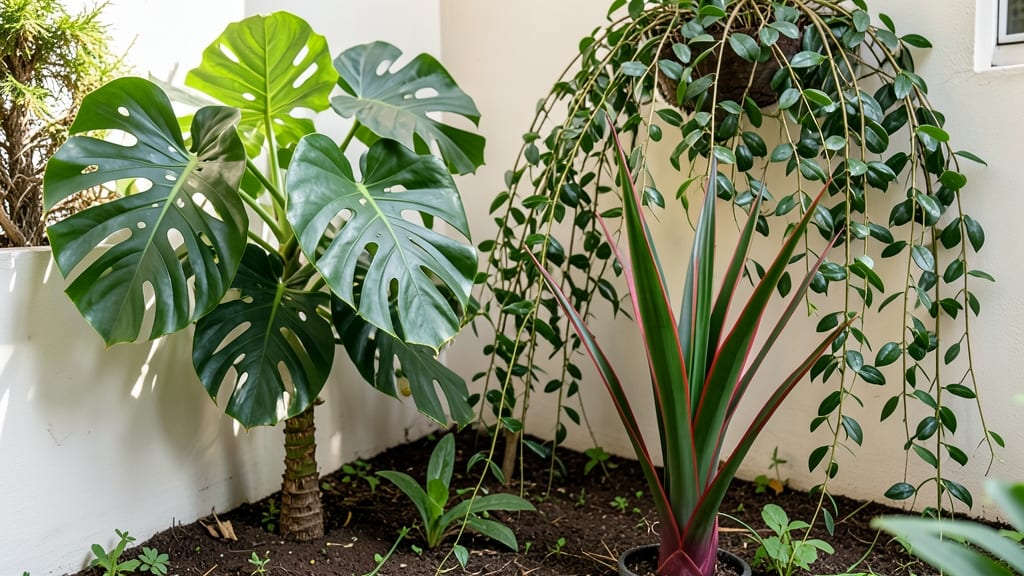
Growing tropical trees fast starts with picking the right tropical tree types—some, like mangoes, avocados, and palms, sprout in weeks when matched to your zone. 🌱 others need patience but reward with stunning foliage or fruit.
The secret isn’t just speed; it’s choosing trees that fit your space, whether you’re in Florida’s humidity or California’s coastal breezes.
Mangoes and avocados are the speed demons—germinating in 2-4 weeks if you use warm soil and keep seeds moist. Palms like the majestic Canary Island date palm grow slower but bring architectural drama, while frangipani delivers fragrant blooms with minimal fuss.
Each thrives in well-draining soil and full sun, though some tolerate partial shade if summers are scorching.
You’ll see first leaves within a month for the fastest growers, and within a year, you could be harvesting fruit or admiring glossy foliage. The trick? Consistent moisture without soggy roots and a light fertilizer boost every few months. Even in cooler microclimates, these trees adapt with the right care.
Perfect for containers on patios or in-ground planting—just check your USDA zone to pick the right tropicals. Let’s get those seeds sprouting and your garden bursting with tropical energy!
📚 In This Guide
- What you need
- Instructions
- Tips and common mistakes
- Wrapping up and next steps
What you need
- ● Seeds: Fresh, high-quality tropical tree seeds (e.g., mango, avocado, papaya, or citrus). Aim for 5–10 seeds per variety to maximize germination success.
- ● Growing Containers: Seedling Trays: 72-cell trays (biodegradable or plastic) for initial germination.
- ● Pots (4–6 inches): Individual pots with drainage holes for transplanting seedlings.
- ● Potting Mix: 100% seed-starting mix (sterile, well-draining) or a blend of 50% peat moss + 50% perlite.
- ● Watering Can or Spray Bottle: With a fine mist nozzle for gentle hydration.
- ○ Clear Plastic Domes or Zip-Top Bags: To create a humidity tent (optional but highly recommended).
- ○ Heat Mat (Optional): For varieties like avocado, which thrive in 75–85°F soil temps.
- ● Fertilizer: Balanced, water-soluble fertilizer (5-5-5 or 10-10-10) for post-germination growth.
- ● Warmth: Consistent 70–85°F environment (use a sunny windowsill or grow lights if indoors).
- ● Humidity: 70–90% (use a humidity dome or mist seeds daily).
- ● Light: 12–16 hours of bright, indirect light (grow lights work if natural light is insufficient).
- ● Patience: Tropical seeds can take 2–12 weeks to germinate—stay consistent!
How to germinate tropical trees for rapid growth
Here's the proven method I use to get tropical trees sprouting in under a week.
🌱 Step 1: Select and Pre-Treat Your Seeds
Choose seeds from fast-germinating tropical varieties like avocado, mango, or papaya—these typically sprout within 5-10 days when conditions are ideal. Soak seeds overnight in warm water (around 85°F) to soften the seed coat and speed up germination. For larger seeds like avocado, gently score the hard shell with a knife to help moisture penetrate.
I always use a breathable container like a seed tray or small pots with drainage holes—this prevents waterlogging, which can rot seeds before they sprout. The key here is patience; don't rush the soaking process. If the water cools below 75°F, germination slows dramatically.
💧 Step 2: Plant in Warm, Moist Medium
Fill your containers with a lightweight seed-starting mix (never garden soil—it's too dense and can harbor pathogens). Moisten it until it feels like a damp sponge, but not dripping. Tropical seeds need consistent warmth to germinate, so I place the containers on a seedling heat mat set to 80-85°F.
Plant seeds at a depth of twice their diameter—deeper planting delays germination because the seedling must push through more soil. Cover the tray with clear plastic wrap or a humidity dome to retain moisture and warmth. Check daily for condensation; if you see water droplets forming, remove the cover for 30 minutes to prevent fungal growth.
☀️ Step 3: Monitor for Sprouts and Adjust Conditions
Germination usually begins within 3-7 days, but some tropical seeds like jackfruit can take up to 14 days. Watch for the radicle (the first white root) to emerge from the seed—this is your signal that germination is underway. Once you see this, remove the plastic cover immediately to prevent damping-off, a fungal disease that attacks young seedlings.
Place the tray in bright, indirect light (no direct sun yet—young seedlings can scorch). If your home is cool (below 70°F), supplement with a grow light kept 4-6 inches above the seedlings. You'll know the light is right when the seedlings grow upright and don't stretch toward it.
🌿 Step 4: Transplant When Strong Enough
Once seedlings develop 2-3 true leaves (not just the initial seed leaves), they're ready to move to individual 3-4 inch pots. Gently loosen the root ball with a small tool or your fingers—tropical trees have sensitive roots that can break easily. Plant them in the same lightweight mix, burying the stem up to the first set of leaves to encourage stronger growth.
Water lightly after transplanting, but don't soak the soil. Tropical trees prefer even moisture—never let the soil dry out completely, but avoid soggy conditions. Within 2-3 weeks, you'll see new growth, and that's when you can gradually introduce them to morning sun for a few hours a day.
Tips & tricks for fast tropical tree germination
Here's what I've learned after years of experimenting with tropical trees—these small tweaks can cut your germination time in half.
Warmth is Non-Negotiable: The 85°F soak water temperature in Step 1 isn't just ideal—it's critical. Use a thermometer to verify your water stays within 85-90°F range. For larger seeds like avocado, I place them in a bowl of warm water on top of my refrigerator (where it's naturally warmer) to maintain consistent heat. Cold water below 75°F can stall germination for days, so if your tap water runs cool, run it first or use warm tap water straight from the faucet.
Scoring Secrets for Stubborn Seeds: When scoring avocado pits in Step 1, aim for a clean, shallow crosshatch pattern—don't go too deep or you'll damage the embryo inside. I use a sharp paring knife and make two perpendicular cuts about 1/8-inch deep. For papaya seeds, which have tough outer shells, I gently rub them between two sheets of sandpaper for 10 seconds to rough up the surface without breaking them. This mimics natural weathering and helps moisture penetrate faster.
Humidity Dome Hack: The plastic wrap in Step 2 creates a greenhouse effect, but it's easy to overdo it. I poke 2-3 tiny holes in the plastic with a toothpick to allow just enough airflow to prevent condensation buildup. This keeps the humidity high enough for germination while preventing fungal growth. Pro tip: If you notice water droplets forming on the plastic within 30 minutes (as mentioned in the instructions), that's your signal to adjust—either remove the cover entirely or add those tiny ventilation holes immediately.
Light Transition Strategy: When moving seedlings to light in Step 3, I start with 12 hours of indirect light and gradually increase exposure. Place seedlings 12 inches from a south-facing window initially, then move them closer by 2 inches every 3 days. This slow transition prevents leaf scorch while still providing enough light for photosynthesis. For indoor growers, I use a 12-hour light cycle with my grow light—this mimics natural daylight and prevents leggy growth that comes from 24/7 artificial light.
Pro Tips for Tropical Tree Types
- Here's what I've learned after years of experimenting with tropical trees—these small tweaks can cut your germination time in half.
- Warmth is Non-Negotiable: The 85°F soak water temperature in Step 1 isn't just ideal—it's critical.
- Scoring Secrets for Stubborn Seeds: When scoring avocado pits in Step 1, aim for a clean, shallow crosshatch pattern—don't go too deep or you'll damage the embryo inside.
Frequently asked questions
Which tropical trees grow the fastest for quick harvests?
Fast-growing tropical trees like mango (12–24 months), avocado (3–5 years), or papaya (6–12 months) are top picks. For shade or timber, bamboo (1–3 years) or teak (5–10 years) deliver faster results. Always check your climate zone—some thrive in humidity, others need drier conditions!
How long does it take for tropical tree seeds to germinate?
Germination times vary wildly! Papaya seeds sprout in 1–2 weeks, while mango or coconut may take 1–3 months. Pre-soak seeds (like avocado) for 24–48 hours to speed it up. Keep soil warm (75–90°F) and moist—patience is key, but some seeds never sprout (don’t stress, try again!).
Can I grow tropical trees indoors or in containers?
Dwarf varieties like citrus trees (e.g., calamondin) or avocado thrive in pots with 10+ inches of depth. Use well-draining soil and a south-facing window or grow lights. For larger trees (e.g., banana), opt for 5-gallon+ containers and move them outdoors in warm months.
What’s eating my tropical tree leaves? Pest troubleshooting!
Common culprits:
- Mealybugs (white cottony spots): Wipe with rubbing alcohol or use neem oil.
- Scale insects (brown bumps): Scrape off or spray with soapy water.
- Termites (hollow stems): Treat with borax bait or call a pro.
Do tropical trees need special winter care?
Most tropical trees hate frost—protect them with burlap wraps or move potted plants indoors near a sunny window. For outdoor trees, mulch heavily and water before the first freeze. If you’re in Zone 10+, many tropicals (like guava or lychee) stay dormant but survive light chills.
Pro Tip: Test soil pH!
Tropical trees often prefer slightly acidic soil (pH 5.5–6.5). Use a DIY test kit ($5 at garden centers) or send a sample to your local extension office. Adjust with lime (to raise pH) or sulfur (to lower it)—happy soil = happier harvests!
Wrapping up and next steps
From the towering mango trees 🌳 to the hardy avocado and citrus varieties, tropical trees offer year-round harvests with the right care. Fast germination and consistent yields are absolutely within reach—just match your climate, soil, and patience to the perfect species!
Whether you’re a backyard gardener or a homestead enthusiast, start small, experiment, and watch your tropical oasis grow.
Ready to plant? Pick one tree type from this guide, gather your supplies, and take that first step toward lush, fruitful greenery. Your future harvests (and shade!) are waiting—let’s get growing! 🌱