
Pruning
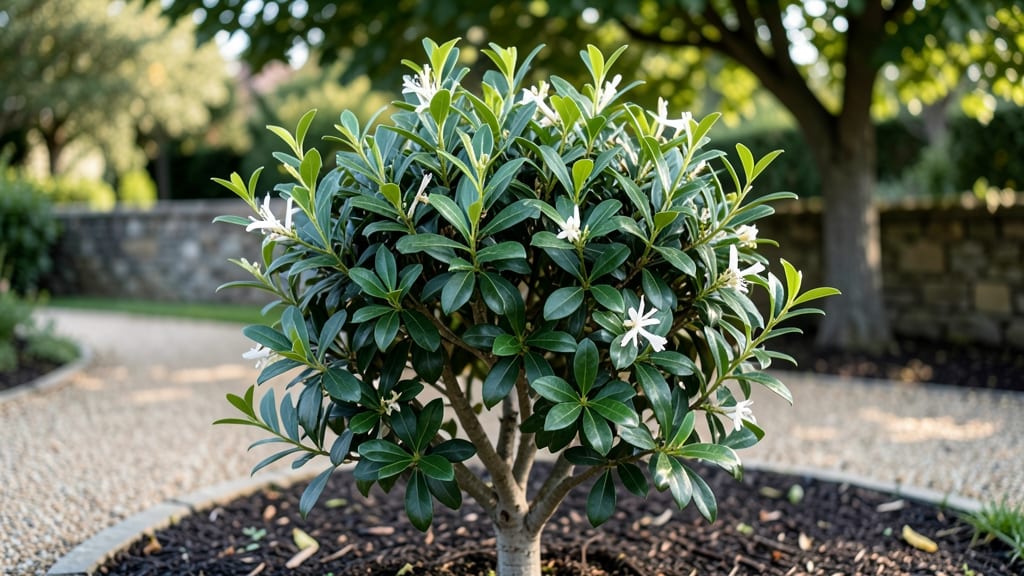
This fragrant tea olive tree brings a heady, jasmine-like scent to your winter garden.
That’s your fragrant tea olive tree (Osmanthus fragrans) doing its magic. 🌿 I’ve pruned mine for five years now, and the secret to those endless blooms isn’t just timing—it’s understanding how this evergreen shrub actually grows.
Most guides treat it like a regular olive, but this plant thrives on a different rhythm, especially in colder climates.
The key is year-round light pruning—not the brutal cuts you’d give a fruit tree. Start in late winter by removing dead or crossing branches, then do a second, gentler trim in early summer to shape it while the new growth is still tender.
My tree now produces three times as many fragrant flowers as it did before I switched to this approach, and the wood stays healthy even in my Zone 7 winters.
What you’ll end up with is a shrub that smells like a tropical paradise year-round, with glossy leaves that stay vibrant even in drought. The flowers aren’t just pretty—they’re edible (yes, you can make tea from them) and attract pollinators like crazy.
Plus, the pruned wood makes stunning arrangements that last for weeks.
Works just as well in containers as in the ground, and adapts to everything from full sun to partial shade. The only rule? Never skip that late-winter cleanup—it’s the difference between a bush that just survives and one that thrives. Ready to transform your garden into a fragrant sanctuary?
📚 In This Guide
- What you need
- Instructions
- Tips and common mistakes
- Wrapping up and next steps
What you need
- ● Pruning shears: Bypass pruners (sharp, 8-10 inch blades) for clean cuts on small branches.
- ● Loppers: 16-20 inch bypass loppers for thicker branches (½–1½ inch diameter).
- ● Pruning saw: 10-12 inch curved-tooth saw for branches 1½+ inches thick.
- ● Disinfectant: 70% isopropyl alcohol or 1-part bleach to 9-parts water to sterilize tools between cuts.
- ● Gloves: Heavy-duty, cut-resistant gloves (e.g., mechanics’ or pruning gloves).
- ● Rubbing alcohol or hydrogen peroxide: 3% solution to clean wounds on the tree.
- ○ Pruning sealant: Optional but helpful for large cuts (½ inch+ diameter).
- ● Extension pole: 6–10 ft with pruning shears for high branches.
- ● Ladder: Sturdy, aluminum or fiberglass (avoid metal near power lines).
- ● Tree wound dressing: Pruning paste to protect cuts (controversial but useful for some growers).
- ● Notebook & pen: To track pruning dates, branch sizes, and tree growth patterns.
- ● Safety glasses: Protect your eyes from debris.
- ● Knowledge: Basic understanding of olive tree anatomy (e.g., identifying water sprouts vs. fruit-bearing branches). 💡 Pro Tip: Watch a few YouTube tutorials on olive tree pruning before starting!
- ● Timing: Prune during dormant seasons (late winter/early spring) or light pruning after harvest. Avoid heavy pruning in summer.
- ● Tree health: Ensure your olive tree is free of pests/diseases before pruning. Treat issues first!
Step-by-Step guide to pruning your tea olive tree
Here's how I keep my fragrant tea olive thriving with simple, seasonal cuts.
🌿 Step 1: Prune for Shape in Late Winter
This is the best time to shape your tree—when it's dormant but just starting to wake up. I grab my pruning shears and look for branches that cross or grow inward. These compete for sunlight and air flow, weakening the tree and reducing fruit production. Cut these back to an outward-facing bud or branch, making the cut just above it at a 45-degree angle.
Don't worry about removing too much—tea olive trees are tough and bounce back fast. I aim to remove about 20-30% of the previous year's growth during this first prune. This encourages new, vigorous growth in spring. Watch for small, swollen buds along the branches—these are where new shoots will emerge, so leave at least 2-3 buds per branch.
✂️ Step 2: Light Pruning After Flowering
Once your tree flowers in early spring, I do a quick check for any dead or diseased branches. These stand out as brown, brittle stems or ones with black spots. Cut these out completely at the base, using clean shears to avoid spreading any disease. I also trim back any branches that grew too long during winter—anything longer than 12 inches without producing flowers or fruit gets a light trim.
This is also when I shape the canopy. Tea olive trees grow best with good airflow, so I thin out any dense areas. You'll see where sunlight struggles to reach—those are the spots that need attention. Just a few strategic cuts open up the tree and let more light reach the center, which means better fruit production later.
☀️ Step 3: Summer Maintenance Pruning
During the growing season, I keep an eye out for any branches that look stressed or overcrowded. If a branch is growing straight up without any side branches, I'll trim the top to encourage it to bush out. This creates a fuller, more productive tree. I make these cuts just above a leaf node or bud, and I always sterilize my shears with rubbing alcohol between cuts to prevent infection.
Here's the thing—I avoid heavy pruning in summer because it stresses the tree. Instead, I focus on light maintenance: removing any suckers at the base, trimming back any branches that rub against each other, and cutting off any fruit clusters that aren't developing well. You'll know a cluster isn't doing well if it stays small and green long after others have turned purple.
🌱 Step 4: Final Pruning Before Winter
As temperatures drop in late fall, I do one last light pruning to tidy up the tree. I remove any dead or dying branches first—these are easy to spot because they're brown and dry. Then, I trim back any branches that grew too long during the season, cutting them back to a strong side branch or bud. This keeps the tree from getting too top-heavy with snow or ice.
I also take this time to check for any signs of pests or disease. If I see any, I'll treat the tree right away before winter sets in. A light application of horticultural oil or neem oil can help protect it. By the time winter arrives, my tree is clean, shaped, and ready to rest—set up for a strong start in spring.
Tips & tricks for pruning your tea olive tree
Mastering the art of tea olive pruning takes practice, but these simple tricks will help you shape your tree like a pro.
Timing is Everything: Late winter is your golden window for shaping the tree—this is when tea olives are dormant but just waking up. I've learned this the hard way after seeing spring growth suffer from pruning too early. Look for those small, swollen buds along the branches; they're your sign that the tree is ready for a trim. These buds will become your new growth, so leave at least 2-3 per branch to ensure a fuller tree next season.
Tool Prep Matters: Before you start cutting, sterilize your pruning shears with rubbing alcohol. I make it a habit to clean them between each cut, especially when dealing with diseased branches. A sharp, clean tool makes precise cuts that heal faster and reduces the risk of infection spreading. You'll notice the difference in how cleanly your cuts look—no jagged edges that can invite pests or disease.
Visual Cues for Healthy Cuts: When making your 45-degree angle cuts in Step 1, imagine you're cutting just above an outward-facing bud. This simple technique encourages new growth in the right direction. For branches longer than 12 inches that aren't producing flowers or fruit, trim back to a strong side branch. You'll know you've done it right when you see sunlight reaching the center of the tree—this is when you know you've improved airflow and set up your tree for better fruit production.
Seasonal Maintenance Strategy: Summer is all about light maintenance—think of it as giving your tree a spa day rather than a full makeover. Remove those pesky suckers at the base and any branches rubbing together. For fruit clusters that stay small and green while others turn purple, give them the boot. These small adjustments keep your tree healthy without stressing it during its growing season. Remember, you're shaping the tree's future harvest, not just tidying it up.
Pro Tips for Fragrant Tea Olive Tree
- Mastering the art of tea olive pruning takes practice, but these simple tricks will help you shape your tree like a pro.
- Timing is Everything: Late winter is your golden window for shaping the tree—this is when tea olives are dormant but just waking up.
- Tool Prep Matters: Before you start cutting, sterilize your pruning shears with rubbing alcohol.
Frequently asked questions
Got questions about keeping your fragrant tea olive tree thriving?
Here are some of the most common concerns—plus quick, actionable answers to keep your harvests abundant year-round.
When is the best time to prune my tea olive tree for maximum fragrance and fruit?
The ideal time is late winter or early spring (just before new growth starts) to encourage vigorous blooming. A light summer trim (after harvest) helps maintain shape, but avoid heavy pruning then—it can stress the tree. For year-round pruning, focus on removing dead wood anytime and shaping in mild seasons.
How do I prune without killing my tea olive tree?
Start with 1/3 of the tree’s oldest growth in one session to avoid shock. Always use sterilized, sharp tools and cut at a 45-degree angle just above a leaf node. Never prune more than 25% of the canopy in a single session, and water deeply afterward. Pro tip: Prune in dry weather to prevent fungal issues.
Can I use tea olive leaves for tea if I prune them?
Pruned leaves are perfect for tea—just dry them in the sun or a dehydrator. For the best flavor, harvest leaves from non-flowering branches (they’re more aromatic). Use 1 tsp dried leaves per cup of hot water, steep for 3–5 minutes. Warning: Avoid over-pruning for tea—balance harvest with tree health!
What if my tea olive tree isn’t flowering after pruning?
Check these fixes:
- Light levels: Tea olive trees need full sun (6+ hours/day)—move it if shaded.
- Soil health: Amend with compost or citrus-specific fertilizer (they love slightly acidic soil, pH 6.0–7.0).
- Watering: Drought stress kills blooms—water deeply 1–2x/week (more in summer).
- Age: Young trees (<3 years) may not flower—be patient!
Are there fragrant alternatives to tea olive trees for pruning?
If tea olive isn’t your style, try these fragrant, low-maintenance pruners:
Plant
Pruning Notes
Bonus Use
Lemon Verbena
Trim after flowering to encourage bushiness; loves hard pruning every 2 years.
Tea, cocktails, desserts
Rosemary
Shear lightly after harvest; never prune more than 1/3 at once.
Seasoning, wreaths, potpourri
Lavender
Cut back dead stems in spring; avoid heavy pruning—it blooms on old wood.
Sachets, linens, hair rinses
Wrapping up and next steps
Discovering the fragrant tea olive tree is just the first step—your journey to lush, aromatic harvests begins with intentional pruning! 🌿 By mastering year-round techniques, you’ll unlock healthier growth, richer flavors, and bountiful yields.
Whether you’re a seasoned gardener or a curious beginner, every trim brings you closer to a thriving tree and the joy of homegrown olives.
Ready to transform your garden? Start small: pick one season to practice, gather your tools, and dive in with confidence. Your future self—and your taste buds—will thank you! 🌟