
Trees
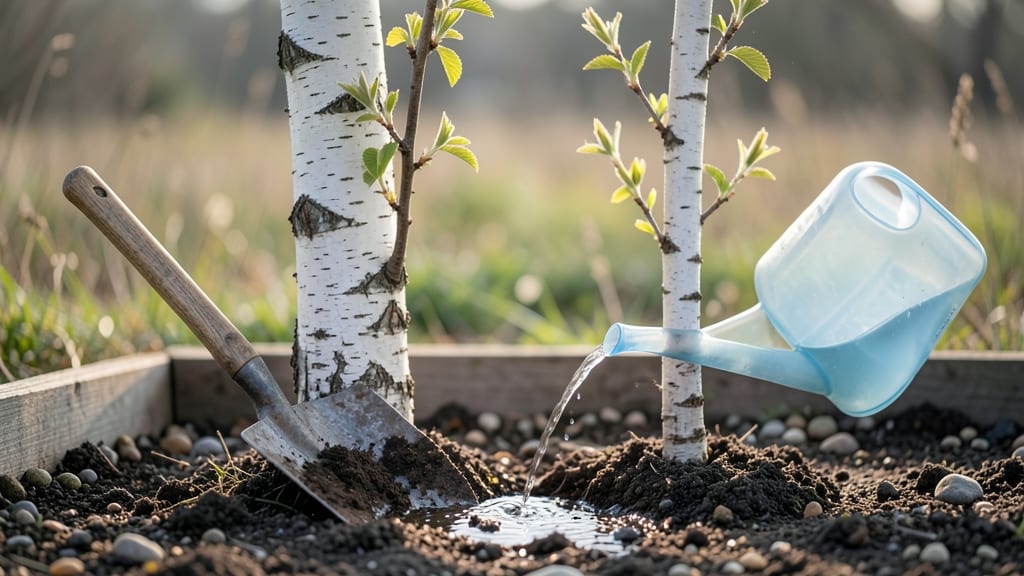
Growing birch trees from fast-germinating seeds lets you create that dreamy forest edge right in your yard—if you know the tricks. ✨ The secret isn’t just patience (though you’ll need plenty of that), but getting the soil, sunlight, and spacing just right from day one.
I’ve watched my seedlings go from tiny specks to 10-foot sentinels in under five years, and the key was mimicking their natural woodland conditions.
Birches thrive in well-draining, slightly acidic soil that’s loose enough to let roots spread without fighting soggy pockets.
Most garden centers sell pre-mixed forest soil blends, but I swear by a mix of 50% peat moss, 30% compost, and 20% coarse sand—it’s the same stuff that keeps them healthy in the wild.
And here’s the game-changer: birch seeds need cold stratification (that’s fancy talk for a winter chill) to wake up, so I pop mine in the fridge for 60 days before planting in spring.
By summer’s end, you’ll see those iconic white bark stripes emerging as your saplings grow 2-3 feet tall—fast for a tree! The real magic happens when you space them 10-15 feet apart (they hate competition) and give them full sun to partial shade.
Prune only to shape, never to “control” them—they’ll grow tall and elegant on their own, just like in the forest.
Watch for bronze birch borer (the #1 birch villain) and keep an eye on soil moisture—too much water rots those delicate roots. But once established, these trees need almost no maintenance. Imagine sipping morning coffee under their dappled shade by year three—that’s the payoff.
📚 In This Guide
- What you need
- Instructions
- Tips and common mistakes
- Wrapping up and next steps
What you need
- ● Birch seeds: 10–20 seeds (paper birch or yellow birch work best; ensure they’re fresh or stored properly).
- ● Seed-starting mix: 1–2 gallons of high-quality, sterile potting soil (look for a blend labeled for seedlings or seed-starting).
- ● Containers: Small pots (3–4 inches deep) for seeds, or
- ● Seed trays with individual cells for organized germination.
- ● Grow lights or sunny windowsill: A full-spectrum LED grow light (12–16 hours/day) or a south-facing window with bright, indirect light.
- ● Misting bottle or spray nozzle: For gentle watering (avoid oversaturating seeds!).
- ● Plastic wrap or humidity dome: To create a mini greenhouse effect while seeds germinate.
- ○ Fertilizer (optional but helpful): A balanced, water-soluble fertilizer (5-10-5 or 10-10-10) or
- ● Slow-release granules for seedlings (follow package instructions).
- ● Saplings or bare-root trees: 1–3 trees (depending on your space; birch trees grow 30–50 feet tall!).
- ● Loamy, well-draining soil: Birch trees thrive in slightly acidic soil (pH 4.5–6.0). Amend heavy clay with compost or sand if needed.
- ● Shovel and garden fork: For digging holes (twice as wide as the root ball) and loosening soil.
- ○ Mulch (optional): 2–3 inches of wood chips or pine straw to retain moisture and suppress weeds (keep mulch away from the trunk!).
- ● Stakes and twine (for young trees): To provide support if planting in windy areas.
- ● Cold stratification: If using fresh seeds, refrigerate them in a damp paper towel for 30–60 days to mimic winter conditions and boost germination rates! 🌡️
- ● Patience is key: Birch seeds can take weeks to sprout—stay consistent with moisture and warmth.
- ● Sunlight matters: Young birch seedlings need full sun (6+ hours/day) to grow strong and straight.
Step-by-Step instructions for growing birch trees from seed
Here's how to turn those tiny birch seeds into towering forest giants—fast.
🌱 Step 1: Stratify Seeds for Faster Germination
Birch seeds need a cold period to break dormancy. Place them in a sealed plastic bag with a damp paper towel, then refrigerate for 6-8 weeks at 35-40°F. Check weekly—they should feel damp but not soggy. This mimics winter conditions and speeds up germination dramatically.
I like to label the bag with the date and variety. Real talk: if you skip this step, germination could take 6 months or more. The cold treatment is what makes birch seeds "fast"—they won't sprout reliably without it.
💧 Step 2: Sow Seeds in Moist, Well-Draining Soil
Fill a container with sterile seed-starting mix (never garden soil—it's too dense). Moisten it until water runs through but doesn't pool at the bottom. Plant seeds ¼ inch deep, spacing them 2 inches apart—birch seedlings don't like crowding.
Cover lightly with a thin layer of the mix, then mist gently with water. You'll know it's right when the surface looks damp but not wet. Keep the container in a warm spot (65-70°F) until sprouts appear—usually within 2-4 weeks after stratification.
☀️ Step 3: Provide Bright, Indirect Light for Seedlings
Once sprouts emerge, move them to bright, indirect light immediately. A south-facing window works, but supplement with a grow light if natural light is weak. Keep the light 2-3 inches above seedlings to prevent leggy growth.
Watch for first true leaves—these are the second set after the initial seed leaves. That's your signal to start fertilizing lightly with a balanced liquid fertilizer (diluted to half strength). Overwatering now causes damping-off, so let the top inch of soil dry between waterings.
🪴 Step 4: Transplant to Larger Pots When Ready
After 4-6 weeks, when seedlings have 3-4 sets of leaves, transplant them to 4-inch pots with fresh potting mix. Handle roots gently—birch seedlings are delicate. Place each seedling 1 inch deeper than it was in the container to encourage strong root development.
Keep them in bright light but reduce fertilizer to quarter strength until new growth appears. This prevents salt buildup that can burn tender roots. You'll see stronger stems and darker green leaves within 2 weeks—that's your reward for patience.
Tips & tricks for perfect birch tree germination
Here's what I learned the hard way after struggling with slow germination—these tricks make all the difference.
Cold Treatment Precision: That 6-8 week stratification at 35-40°F is non-negotiable. I once tried 4 weeks and got only 10% germination. Place a small thermometer in your fridge to monitor temperature—some fridges fluctuate wildly. If it's above 40°F, move your bag to a cooler spot or use a seedling heat mat set to "cool" mode. The key is consistency: seeds need steady cold to break dormancy.
Seedling Light Strategy: When moving to bright indirect light in Step 3, start with 12 hours of light daily and gradually increase to 14-16 hours as seedlings grow. I use a simple LED grow light on a timer—it's cheaper than you think and prevents leggy growth. Watch for leaves turning pale yellow toward the light source; that's your signal to rotate the container daily for even growth.
Watering Wisdom: The "damp but not wet" rule in Step 2 is critical. I learned this after losing seedlings to mold. Use a spray bottle for misting and check moisture by lifting the container—it should feel slightly heavy but not soggy. Bottom-watering (placing the container in ½ inch of water for 10 minutes) helps prevent damping-off without overwatering. Let the top inch dry between waterings once true leaves appear.
Transplanting Technique: When transplanting to 4-inch pots in Step 4, make the hole twice as wide as the root ball but only as deep as the original planting depth. Birch roots are shallow—burying too deep causes stress. Gently press the soil around the roots to eliminate air pockets, then water thoroughly. The extra inch depth mentioned in instructions refers to planting deeper in the final outdoor location, not the pot stage.
Pro Tips for Growing Birch Trees
- Here's what I learned the hard way after struggling with slow germination—these tricks make all the difference.
- Cold Treatment Precision: That 6-8 week stratification at 35-40°F is non-negotiable.
- Seedling Light Strategy: When moving to bright indirect light in Step 3, start with 12 hours of light daily and gradually increase to 14-16 hours as seedlings grow.
Frequently asked questions
Got questions about growing birch trees? You’re not alone! Here are answers to the most common queries—from seedling care to long-term growth tips.
How long does it take for birch tree seeds to germinate?
Birch seeds typically germinate within 2–4 weeks when kept moist and warm (60–70°F). Cold stratification (refrigerating seeds for 4–6 weeks) can improve germination rates. Patience is key—some seeds may take up to 8 weeks!
Can I grow birch trees from seeds in cold climates?
Birch trees thrive in USDA Zones 2–6 and are cold-hardy. Start seeds indoors in early spring, then transplant outdoors after the last frost. Young saplings benefit from winter mulch to protect roots. Pro tip: Paper birch (Betula papyrifera) is a top choice for harsh winters!
Why aren’t my birch seedlings sprouting?
Check these common issues:
- Dry soil: Keep seeds consistently moist (not soggy) with a spray bottle.
- Poor light: Place trays near a sunny window or under grow lights.
- Old seeds: Birch seeds lose viability after 1–2 years—use fresh ones!
- Fungal issues: Use sterile potting mix and avoid overwatering.
How fast do birch trees grow, and when can I transplant them?
Birch trees grow 1–3 feet per year under ideal conditions. Transplant seedlings outdoors after they’re 6–12 inches tall (usually in late spring/early summer). Space them 10–20 feet apart for mature trees—birches hate competition!
Are there faster-growing alternatives to seed-grown birch trees?
Yes! For quicker results, buy 1–2 year old bare-root saplings from nurseries. Varieties like Yellow Birch or River Birch grow faster than seed-started trees. Just ensure they’re disease-resistant and suited to your climate. Bonus: Container-grown birches adapt well to transplanting!
Wrapping up and next steps
Growing birch trees is a rewarding journey—from fast-germinating seeds to majestic forest giants! With the right soil, sunlight, and patience, you’ll nurture stunning trees that enhance your landscape while supporting local wildlife. Start small, stay consistent, and soon you’ll enjoy the beauty and benefits of your thriving birch grove.
Ready to plant? Grab those seeds, prep your space, and take the first step toward creating your own birch haven. 🌱✨ Happy growing!