
Trees
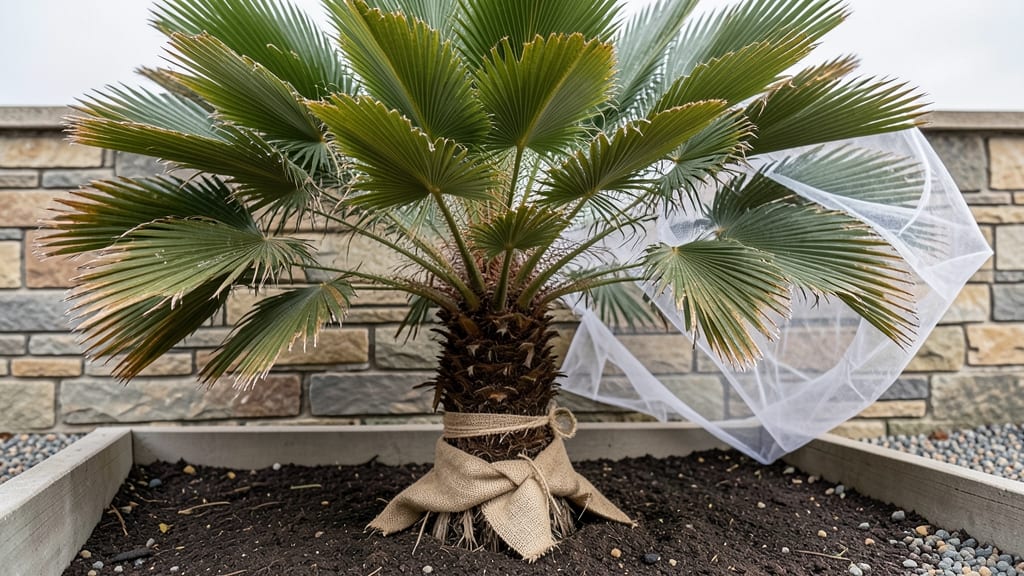
How to protect palm trees in the winter with a cold-hardy wrap can save your plant from becoming a sad, brown skeleton—something I learned the hard way after my first Zone 7 winter when my Mexican palm froze. like a sad, brittle mess by spring.
The key isn’t just wrapping, though; it’s timing, materials, and knowing when to stop fussing over them.
You’ll need breathable burlap or frost cloth (not plastic—it traps moisture), twine or zip ties, and a thermometer to track temps below 30°F. The goal is to protect the trunk while letting airflow prevent rot.
Start wrapping when nighttime temps drop to 28°F and keep it on until consistent warmth returns in spring. Most palms bounce back if you act before the freeze sets in.
What you’ll end up with is a palm that greets spring with fresh fronds instead of crispy brown ones. The wrap shields the trunk from cracking, and the roots stay insulated from sudden cold snaps.
Even if some fronds freeze, the plant often regrows from the base—just like my Mexican palm did after that first brutal winter.
This method works for Mexican fan palms, windmill palms, and even smaller varieties in Zones 8-10. Just skip it for native palms like the Sabal minor, which handle cold better. Now, let’s get those trunks wrapped before the next freeze hits!
📚 In This Guide
- What you need
- Instructions
- Tips and common mistakes
- Wrapping up and next steps
What you need
- ● Burlap or frost cloth: 10–20 ft (depending on tree size); choose breathable, UV-resistant fabric (e.g., 30–50 lb test weight).
- ● Plastic tree wrap: 1–2 rolls (e.g., blank">Agribon AG30 or similar); avoid thick plastic—it traps moisture!
- ● Twine or zip ties: 10–20 pieces (for securing wraps).
- ● Stakes or bamboo poles: 2–4 (to prop up wraps and prevent collapse).
- ● Watering can or hose: For deep hydration before wrapping (1–2 gallons per tree).
- ● Pruners or shears: Sharp, sterilized pair (for trimming dead fronds after frost).
- ● Gloves & long sleeves: To protect from thorns and cold while working.
- ● Anti-desiccant spray: (e.g., blank">Wilt-Pruf) to prevent leaf dryness.
- ● Reflective bubble wrap: For extra insulation around trunks (cut to size).
- ● Heat lamp or space heater: Only for young/small palms in extreme freeze zones (use safely!).
- ● Mulch (straw or pine needles): 2–3 inches around the base to insulate roots.
Step-by-Step guide to winterizing palm trees in freeze-prone areas
Here's how to shield your palms from winter damage using simple, effective methods.
🌱 Step 1: Assess Your Palm Tree's Cold Sensitivity
Not all palms handle cold the same way. Check your variety—some like Canary Island palms can survive 20°F, while Mexican fan palms struggle below 30°F. Look for signs of stress like yellowing fronds or brown tips, which mean your tree is already struggling with cooler temps.
If your area is forecasted for below 25°F, you'll need extra protection. I always check the National Weather Service for frost warnings and prepare at least 2 weeks in advance—that gives me time to gather supplies and wrap properly.
💧 Step 2: Water Deeply Before the First Freeze
Water your palm deeply 2-3 days before the first freeze—this helps the roots stay hydrated and slightly insulated. Use 3-5 gallons of water per inch of trunk diameter to soak the soil down to 12 inches deep. You'll know it's enough when water runs out the drainage holes.
Avoid overwatering right before a freeze—wet soil can actually conduct cold better. Let the ground dry slightly after soaking, but keep it moist, not soggy. If your soil is sandy, you may need to water more frequently to maintain moisture.
☀️ Step 3: Wrap the Trunk and Fronds for Insulation
Start by covering the trunk with a thick layer of burlap or frost cloth, securing it tightly with twine or zip ties. This prevents cold winds from damaging the sensitive cambium layer just under the bark. For extra protection, wrap bubble wrap or insulating foam over the burlap—this adds an air pocket that traps heat.
Next, bundle the fronds together with plastic tree wrap or burlap strips and tie them loosely. This mimics how palms naturally protect themselves during dry seasons. Avoid wrapping too tightly—you want airflow to prevent rot, but enough compression to reduce heat loss.
✂️ Step 4: Add Mulch and Windbreaks for Extra Defense
Spread 3-4 inches of straw or wood chips around the base of the tree, extending out 2 feet from the trunk. This acts like a blanket, keeping the root zone warmer. Avoid using fresh wood chips, as they can draw nitrogen from the soil and stress the tree further.
If your palms are in a windy area, set up a temporary windbreak using snow fencing or plywood panels on the north and west sides—these are the coldest exposures. Position the barrier 2-3 feet away from the trunk to allow airflow without direct cold blasts.
⏰ Step 5: Monitor and Adjust Through the Winter
Check your wrapped palms every 3-4 days during cold snaps. If temperatures drop below 20°F, add an extra layer of blankets or frost cloth over the existing wrap. Remove any accumulated snow from the fronds—snow can weigh them down and cause breakage.
Once daytime temperatures consistently stay above 40°F, start unwrapping the trunk and fronds gradually over 2-3 days. This prevents shock from sudden temperature swings. Watch for new growth at the top of the trunk—that’s your sign the tree is recovering!
Tips & tricks for winterizing palm trees
Real talk: Palm trees might look tropical, but they’re tougher than you think when you know the right tricks. Here’s how to give your palms the best shot at surviving winter without turning into a science experiment.
Cold Sensitivity Check: In Step 1, when you’re assessing your palm’s cold hardiness, pay special attention to the fronds. If you notice brown tips or yellowing before winter hits, that’s your first warning sign. Canary Island palms can handle 20°F, but if your variety’s less cold-hardy, like Mexican fan palms, you’ll need to start wrapping earlier—before temperatures dip below 30°F. I’ve seen palms recover from light frost damage, but once the fronds start freezing solid, they’re done for the season.
Timing is Everything: The 2-3 days before the first freeze for deep watering in Step 2 is critical, but don’t wait until the last minute. If your soil is sandy, you might need to water a day earlier to ensure the moisture penetrates deep enough. Pro tip: Use a moisture meter or dig down 12 inches with a trowel to check—if it’s dry, water again. Overwatering right before a freeze is worse than underwatering, so aim for that sweet spot where the soil is moist but not soggy.
Insulation Layers Matter: When wrapping the trunk in Step 3, think of it like layering clothes for winter. Start with burlap or frost cloth to block wind, then add bubble wrap or insulating foam for that extra air pocket. I’ve seen people skip the second layer and end up with frost damage, especially on younger palms. For fronds, bundle them loosely—tight wraps trap moisture and can lead to rot. If your palms are tall, use zip ties every 2 feet to keep everything secure without crushing the fronds.
Monitor Like a Hawk: Step 5’s advice to check every 3-4 days is non-negotiable, but here’s the thing: If temperatures drop below 20°F, don’t just add a layer—reassess your entire setup. I’ve had to move windbreaks closer or even bring out space heaters (safely!) for extreme cold snaps. And if snow accumulates on the fronds, brush it off gently. Snow might seem harmless, but it can weigh down branches and cause breaks, especially on older palms.
Pro Tips for Protect Palm Trees In The Winter
- Real talk: Palm trees might look tropical, but they’re tougher than you think when you know the right tricks.
- Cold Sensitivity Check: In Step 1, when you’re assessing your palm’s cold hardiness, pay special attention to the fronds.
- Timing is Everything: The 2-3 days before the first freeze for deep watering in Step 2 is critical, but don’t wait until the last minute.
Frequently asked questions
Got questions about winterizing your palm trees? You’re not alone! Here are some of the most common concerns—and straightforward answers—to help you keep your tropical beauties thriving through the cold.
Do palm trees really need protection in winter, even in mild climates?
Even in areas with mild winters, palm trees can suffer damage from temperatures below 28°F (-2°C). Young palms, rare species, or those in windy locations are especially vulnerable. A simple wrap or burlap shield can prevent frost cracks or leaf burn, saving you costly replacements later. Pro tip: Check your local hardiness zone—if you’re in Zone 8 or colder, protection is a must!
When is the best time to start protecting palm trees for winter?
Start preparing 2–4 weeks before the first frost (usually late fall, around October–November in most regions). This gives you time to wrap trunks, cover fronds, and address any weak spots. If a sudden cold snap hits, act fast—palm damage can happen in just a few hours of freezing temps! Watch your local weather forecast and don’t wait until the last minute.
Can I use plastic sheeting or regular blankets to wrap palm trees?
Avoid plastic sheeting—it traps moisture, leading to rot or mold. Instead, opt for breathable materials like:
- Burlap sacks (cheap and effective for fronds)
- Frost cloth (lightweight and reusable)
- Jute wraps (eco-friendly for trunks)
What should I do if my palm tree’s fronds turn brown or black after winter?
Brown/black fronds are often dead tissue from frost damage, but don’t panic! Prune them only after the last frost (late spring) to avoid inviting pests or disease. If more than 50% of the fronds are damaged, the tree may struggle to recover—consider professional help. For minor damage, fertilize lightly in spring and monitor for new growth. Pro tip: Healthy soil = faster recovery—test your soil’s pH and nutrients if regrowth is slow.
Are there palm tree varieties that are naturally cold-hardy?
Yes! If you’re in a freeze-prone zone, choose these resilient species:
- Windmill Palm (Trachycarpus fortunei) (Zone 6–10)
- Needle Palm (Rhapidophyllum hystrix) (Zone 5–9)
- Mediterranean Fan Palm (Chamaerops humilis) (Zone 7–10)
- Pygmy Date Palm (Phoenix roebelenii) (Zone 9–11, but can tolerate brief cold snaps)
Wrapping up and next steps
Protecting your palm trees during winter doesn’t have to be complicated—just a little preparation and care goes a long way! 🌿 By wrapping young or sensitive palms, mulching the base, and providing temporary shelter, you’ll help them survive the cold and thrive when spring arrives. Remember, consistency is key: monitor your trees regularly and adjust protection as needed.
Now that you’re equipped with the know-how, take action! Grab your supplies, follow the steps, and give your palms the winter care they deserve. Your efforts will reward you with lush, healthy trees come spring—you’ve got this!** 🌟