
Pruning
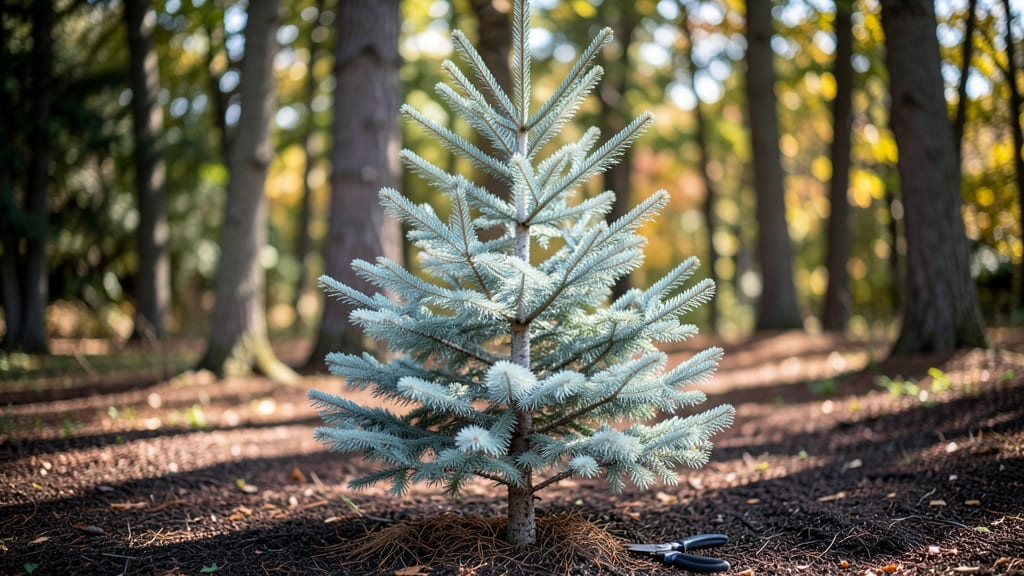
A fir tree pot brings forest charm to balconies and patios without needing a yard. 🌲 I’ve grown dwarf firs in containers for years, and the secret is choosing the right species—like ‘Little Gem’ or ‘Blue Rug’—that thrive in tight spaces while keeping their signature scent and shape.
These trees stay compact, perfect for small porches or sunny windowsills where they provide year-round greenery and holiday cheer.
The right setup makes all the difference: a pot with drainage holes, lightweight potting mix, and occasional pruning to encourage fuller growth.
I use a 15-gallon container for my ‘Little Gem’ and water it when the top inch of soil feels dry—overwatering is the quickest way to kill these slow growers. With proper care, your potted fir can live for decades, becoming a living centerpiece that never goes out of style.
You’ll love how these trees hold their needles even in winter, their branches soft to the touch, and their piney aroma that fills the air on crisp mornings. Unlike in-ground firs, container-grown trees let you move them to catch sunlight or protect them from harsh winds.
The key is patience—they grow slowly but steadily, rewarding you with lush, evergreen beauty that feels like a mini forest in a pot.
Common challenges like root binding or yellowing needles have simple fixes: repotting every 2-3 years and using a balanced fertilizer in spring. With these tips, your potted fir will stay healthy, vibrant, and a standout feature in any outdoor space—no matter how small your yard (or balcony) might be.
📚 In This Guide
- What you need
- Instructions
- Tips and common mistakes
- Wrapping up and next steps
What you need
- ● 1 small fir tree (or branch) – Choose a compact, healthy specimen (3–5 ft tall) with a sturdy trunk. Pro tip: Dwarf varieties like Picea pungens 'Glauca Globosa' work beautifully!
- ○ 1 decorative pot – Select a container with drainage holes (10–14" diameter). Optional: A cachepot (outer planter) for a polished look.
- ● High-quality potting mix – Use a well-draining blend (e.g., 60% peat moss, 20% perlite, 20% sand) or a pre-mixed evergreen soil.
- ● Slow-release fertilizer – A balanced 10-10-10 or organic option (like fish emulsion) to nourish roots.
- ● Mulch or decorative stones – Pebbles, bark, or pine cones to enhance aesthetics and retain moisture.
- ● Pruning shears – For shaping and trimming (sterilize with rubbing alcohol first!).
- ● Trowel or small shovel – To plant and adjust soil.
- ● Watering can or spray bottle – For gentle hydration (fir trees dislike soggy roots!).
- ● Gloves – Protect your hands from sap and sharp branches.
- ○ Decorative elements (optional) – Miniature figurines, fairy lights, or moss for a whimsical touch.
- ● A sunny or partially shaded spot – Fir trees thrive in 4–6 hours of indirect light daily.
- ● Patience for seasonal care – Adjust watering and pruning based on indoor vs. outdoor placement.
- ● Access to a water source – Fir trees need consistent moisture but hate waterlogged soil.
Step-by-step guide to creating a stunning fir tree pot
Here's how to bring evergreen elegance to your space using just a few key elements.
🪴 Step 1: Select and Prepare Your Container
Choose a container that's at least 12 inches deep and wide to accommodate roots and drainage. I like ceramic or glazed pots because they retain moisture while allowing airflow. Make sure it has drainage holes—fir trees hate soggy roots.
Clean the pot thoroughly with soapy water and rinse well. Add a 2-inch layer of gravel or broken pottery at the bottom to improve drainage. This prevents water from pooling at the roots, which can lead to rot. Tap the pot gently on the table to settle the drainage layer evenly.
🌱 Step 2: Layer Soil and Plant the Fir Tree
Fill the pot halfway with a well-draining potting mix—fir trees prefer slightly acidic soil. I mix 2 parts peat moss, 1 part perlite, and 1 part pine bark for the perfect balance. Moisten the mix until it's damp but not dripping.
Remove the fir tree from its nursery pot and gently loosen the roots if they're circling. Place it in the center of the pot and fill around the roots with more potting mix, pressing lightly to eliminate air pockets. Leave about 1 inch of space between the soil surface and the pot rim for watering.
☀️ Step 3: Position for Optimal Light and Care
Fir trees thrive in partial shade to full sun, depending on the variety. Place your pot where it gets 4-6 hours of morning sun and afternoon shade—this prevents leaf scorch. If you're using a balcony or patio, rotate the pot quarter-turn weekly so the tree grows evenly.
Water deeply once a week, letting the top 2 inches of soil dry out between waterings. Check by sticking your finger into the soil—if it feels dry, it's time to water. Avoid wetting the needles, as this can cause fungal issues. Use a watering can with a narrow spout to direct water at the base.
💧 Step 4: Maintain Year-Round Health
Fertilize lightly in spring and early summer with a balanced, slow-release fertilizer (10-10-10). Follow the package instructions—over-fertilizing can burn the roots. I like to mix a tablespoon of fertilizer into the top layer of soil and water it in.
Prune lightly in late winter to shape the tree and remove any dead or damaged branches. Use clean, sharp pruning shears to make cuts just above a healthy bud. This keeps the tree looking tidy and encourages new growth. Wipe the shears with rubbing alcohol between cuts to prevent spreading disease.
✂️ Step 5: Overwintering and Seasonal Adjustments
If temperatures drop below 20°F, move your fir tree pot to a sheltered spot like a garage or covered porch. Protect it from freezing winds and direct sun, which can stress the tree. A breathable burlap wrap around the pot helps insulate the roots.
In early spring, check for pests like spider mites or aphids. Spray the tree with a mild horticultural oil if you spot any tiny webs or sticky residue. Increase watering gradually as new growth appears—you'll see fresh, vibrant needles emerging in 3-4 weeks.
Tips & tricks for perfect fir tree pot care
Here's what I've learned from years of keeping fir trees thriving in pots—these small details make all the difference for your evergreen beauty.
Drainage is Non-Negotiable: That 2-inch gravel layer at the bottom isn't just recommended—it's essential. I've seen fir trees decline from root rot when planted in pots without proper drainage. If your chosen pot doesn't have holes, drill them yourself or use a cache pot (a decorative outer pot with drainage holes inside). The roots need airflow as much as they need water.
Soil Mix Matters: The 2:1:1 ratio of peat moss, perlite, and pine bark creates the perfect balance of moisture retention and aeration fir trees love. If you can't find pine bark, substitute with finely shredded coconut coir—it mimics the natural forest floor conditions these trees prefer. Pro tip: Add a handful of worm castings to boost nutrients without over-fertilizing.
Light Positioning Secret: Those 4-6 hours of morning sun are crucial, but timing matters more than you'd think. Place your pot where the sun hits it between 9 AM and 1 PM—this prevents the intense afternoon sun from scorching the delicate needles. I've noticed my trees grow most vigorously when positioned on the east side of patios or balconies.
Winter Protection Hack: When temps drop below 20°F, I don't just move the pot—I create a mini greenhouse effect. Place the wrapped pot on a layer of foam insulation boards (like those used for under hardwood floors) before moving it to shelter. This extra insulation can make the difference between a tree that survives winter and one that thrives afterward.
Pro Tips for Fir Tree Pot
- Here's what I've learned from years of keeping fir trees thriving in pots—these small details make all the difference for your evergreen beauty.
- Drainage is Non-Negotiable: That 2-inch gravel layer at the bottom isn't just recommended—it's essential.
- Soil Mix Matters: The 2:1:1 ratio of peat moss, perlite, and pine bark creates the perfect balance of moisture retention and aeration fir trees love.
Frequently asked questions
How often should I water a fir tree in a pot?
Water your fir tree pot when the top 1–2 inches of soil feel dry to the touch. Typically, this means watering every 7–10 days in warm months and every 2–3 weeks in winter. Overwatering is the #1 killer—ensure pots have drainage holes to prevent root rot. Pro tip: Use a moisture meter for precision!
Can fir trees survive winter in pots outdoors?
Yes, but they need protection! Move pots to a sheltered spot (like a garage or under an eave) before temps drop below 20°F (-7°C). Wrap the pot in burlap or use a frost cloth for extra insulation. Avoid placing them against cold walls, which can cause frost damage. Bonus: Mulch the soil lightly for added warmth.
What’s the best soil mix for potted fir trees?
Use a well-draining mix like 60% peat moss or coconut coir, 30% perlite/pumice, and 10% sand. Fir trees hate soggy roots! Avoid garden soil—it compacts and holds too much moisture. For container gardening, pre-mixed acidic potting soil (pH 4.5–6.0) works too. Tip: Add a handful of orchid bark for aeration.
How do I know if my fir tree needs repotting?
Check for these signs:
- Roots circling the pot’s bottom or growing out of drainage holes.
- Stunted growth or yellowing needles (even with proper watering).
- Soil drying out too fast (roots outgrew the pot’s capacity).
What pests should I watch for in potted fir trees?
Keep an eye out for spider mites, aphids, or scale insects—they love fir trees! Early signs: Sticky residue (honeydew), tiny webs, or chewed needles. Treat with neem oil or insecticidal soap. For severe infestations, isolate the plant and spray every 5–7 days until pests vanish. Prevention: Inspect new plants before bringing them home!
Wrapping up and next steps
Transforming your space with a fir tree pot is all about embracing nature’s year-round charm—even in cozy corners! Whether you’re pruning for shape, health, or seasonal updates, these evergreens bring effortless elegance with minimal fuss. 🌲✨
Ready to elevate your décor? Start by choosing your favorite fir variety and grab those pruning shears—your small-space oasis is just a trim away! For extra flair, pair it with seasonal accents like pinecones or twinkling lights. Happy gardening!