
Container Gardens
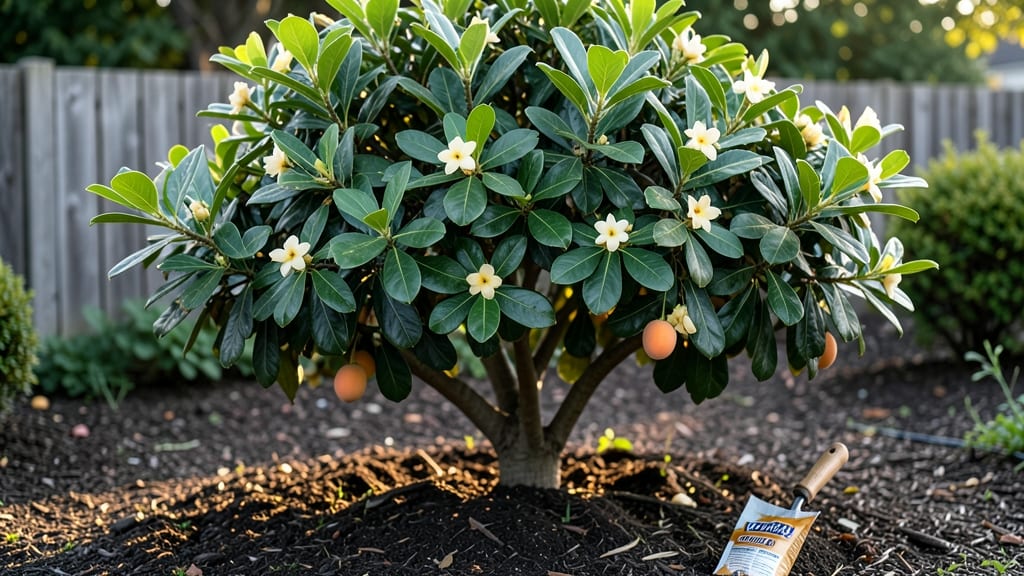
Growing a loquat tree in a pot lets you enjoy its glossy leaves and sweet fruit even in tiny balconies or patios. 🌿 I learned the hard way that container size matters—too small, and roots circle like a traffic jam, stunting growth.
The right pot, soil, and care can keep this tropical beauty thriving for years, producing fruit in as little as three seasons.
You’ll need a 15- to 20-gallon container (minimum) with drainage, well-draining soil mix, and a spot with 6+ hours of sunlight daily. Loquats love warmth but hate soggy roots—water when the top inch feels dry, and prune lightly after harvest to encourage bushier growth.
The key is balancing their tropical roots with container constraints without sacrificing fruit production.
By summer’s end, you’ll have a compact, fruit-bearing tree with glossy leaves and small, honey-scented blossoms. The loquats themselves are sweet, tart, and perfect for snacking straight off the branch. With the right setup, your potted loquat can outlive most houseplants—some thrive for decades with proper care.
Works in USDA Zones 8-11, but with winter protection (like moving indoors or wrapping the pot), you can grow them in cooler areas too. The biggest mistake?
Skipping pruning or using regular garden soil—both lead to root rot or nutrient deficiencies. Let’s get your loquat off to the right start.
📚 In This Guide
- What you need
- Instructions
- Tips and common mistakes
- Wrapping up and next steps
What you need
- ● Loquat tree (Eriobotrya japonica) – Choose a dwarf variety (e.g., 'Big Jim' or 'Champagne') for compact growth. Size: 1–3 gallons (for young trees) or 5+ gallons (for mature trees).
- ● Container – Use a durable, well-draining pot with drainage holes. Size: Young saplings: 12–15 inches in diameter
- ● Mature trees: 18–24 inches (or larger for heavy fruit production)
- ● High-quality potting mix – Opt for a well-draining blend (e.g., 60% potting soil + 30% perlite/pumice + 10% compost). Avoid garden soil!
- ● Drainage layer – Small rocks (e.g., pebbles or lava rock) or broken pottery shards (2–3 inches thick).
- ● Trowel or small shovel – For planting and repotting.
- ● Watering can or hose with a gentle nozzle – Loquats prefer consistent moisture but hate soggy roots.
- ● Pruning shears – For shaping and maintaining the tree’s compact form.
- ● Fertilizer – A balanced, slow-release fertilizer (10-10-10 or 20-20-20) or organic options like fish emulsion. Apply every 4–6 weeks in growing season.
- ○ Mulch (optional but helpful) – Use organic mulch (e.g., straw or bark chips) to retain moisture and regulate temperature.
- ● Sunlight access – A south-facing window, balcony, or patio with 6+ hours of direct sunlight daily.
- ○ Humidity tray (optional) – If your climate is dry, a pebble tray with water can boost humidity.
Step-by-step guide for growing a loquat tree in a container
Here's how to cultivate a thriving dwarf loquat in limited space with proper care.
🪴 Step 1: Select the Right Container and Soil Mix
Choose a 15-20 gallon container with drainage holes—loquats need room for roots but hate waterlogged soil. I use unglazed ceramic pots because they allow excess moisture to evaporate through the walls. Fill the bottom 2 inches with coarse gravel for drainage, then add a well-draining potting mix formulated for citrus or fruit trees.
The soil must be slightly acidic (pH 5.5-6.5)—test your mix with a pH meter before planting. I blend 60% premium potting mix, 30% perlite, and 10% compost for optimal aeration and nutrient balance. Press the mix down lightly but don't compact it; the roots need space to expand.
☀️ Step 2: Position for Maximum Sunlight and Temperature Control
Loquats demand full sun (6-8 hours daily) but struggle in extreme heat above 95°F. Place your container in a south-facing location where it gets morning sun and afternoon shade during summer. If you live in a hot climate, move it to a covered patio during peak afternoon heat.
In winter, protect your tree from temperatures below 20°F—loquats are semi-tropical. I wrap the pot in bubble wrap and move it to an unheated garage or under an eave when frost threatens. The roots will thank you for this winter protection.
💧 Step 3: Water Deeply and Establish a Consistent Routine
Water your loquat deeply once a week during summer, allowing the top 2-3 inches of soil to dry out between waterings. In winter, reduce to every 10-14 days—overwatering is the fastest way to kill a potted loquat. I use a moisture meter to check soil moisture; the needle should read "dry" at 2 inches deep before watering.
Always water at the base of the plant, avoiding the leaves to prevent fungal diseases. If you notice yellowing leaves, it's usually a sign of overwatering—let the soil dry out more thoroughly next time. Fertilize every 4-6 weeks in spring and summer with a balanced citrus fertilizer (6-6-6 ratio) diluted to half strength.
✂️ Step 4: Prune for Compact Growth and Fruit Production
Prune your loquat after fruiting season (late winter or early spring) to encourage a compact, bushy shape. Remove any dead, diseased, or crossing branches first, then cut back overly long branches by one-third to stimulate new growth. I use clean, sharp pruning shears to make cuts just above a leaf node.
For container-grown trees, limit height to 6-8 feet—taller trees become top-heavy and unstable. Thin out some of the inner branches to improve airflow, which reduces the risk of fungal infections. The goal is a rounded canopy that catches sunlight evenly on all sides.
Tips & tricks for perfect container-grown loquat trees
Real talk: Growing a loquat tree in a pot isn't just about throwing a plant in a container—it's about creating an environment that mimics its natural tropical needs while working with limited space. Here's what nobody tells you about keeping your dwarf loquat thriving year-round.
Container Size Matters: That 15-20 gallon recommendation isn't arbitrary—it's the sweet spot for root development without becoming top-heavy. I've seen people try 10-gallon pots, and while they might work for a year, the roots quickly become root-bound. If you're worried about weight, consider a lightweight ceramic pot with built-in drainage—it's surprisingly sturdy and lets excess moisture evaporate through the walls. For extra stability, place your pot on a saucer filled with gravel to catch drainage while elevating the container slightly off the ground.
Soil Science is Non-Negotiable: The pH 5.5-6.5 range isn't just a suggestion—it's critical for nutrient uptake. I've tested my mix with a simple pH meter and adjusted with sulfur if needed. That 60-30-10 blend of potting mix, perlite, and compost creates the perfect balance: enough organic matter for nutrients, perlite for aeration, and the right acidity for tropical plants. Pro tip: Mix in a handful of worm castings at planting—they add beneficial microbes that help your tree establish faster.
Sunlight Strategy for Small Spaces: The 6-8 hours of full sun requirement is non-negotiable, but how you achieve it makes all the difference. In urban settings, I've used reflective surfaces like light-colored walls or mirrors to bounce extra sunlight onto the tree. For afternoon shade in hot climates, a simple 50% shade cloth draped over a frame works wonders. Remember: direct afternoon sun above 95°F can scorch leaves, so that covered patio move isn't just for aesthetics—it's survival.
Winter Protection Hack: That 20°F threshold is where things get tricky. I've found that wrapping the pot in bubble wrap isn't just about insulation—it also creates an air pocket that prevents rapid temperature swings. For extra protection, place your wrapped pot on a bed of straw or leaves to add another insulating layer. If you're really worried about frost, consider a small greenhouse light or heat mat placed strategically near the pot (but not touching it) to provide gentle warmth during cold snaps.
Pro Tips for Loquat Tree In Pot
- Real talk: Growing a loquat tree in a pot isn't just about throwing a plant in a container—it's about creating an environment that mimics its natural tropical needs while working with limited space.
- Container Size Matters: That 15-20 gallon recommendation isn't arbitrary—it's the sweet spot for root development without becoming top-heavy.
- Soil Science is Non-Negotiable: The pH 5.5-6.5 range isn't just a suggestion—it's critical for nutrient uptake.
Frequently asked questions
How big does a loquat tree in a pot typically grow?
A potted loquat tree usually stays between 6–10 feet tall, depending on pruning and pot size. Choose a 15–25 gallon container for mature trees, and prune annually to control height. Dwarf varieties (like ‘Big Jim’) max out at 4–6 feet, making them ideal for patios or balconies.
When is the best time to plant a loquat tree in a pot?
Plant in early spring (after last frost) for the best start. Loquats thrive in warm climates, so avoid transplanting in summer heat. If you’re in a cooler zone, wait until soil temps reach 60°F+. Use well-draining soil and a pot with drainage holes to prevent root rot.
Can a potted loquat tree produce fruit?
Yes! With proper care, potted loquats can bear fruit, though yields may be smaller than in-ground trees. Ensure it gets full sun (6+ hours/day), regular watering, and balanced fertilizer (like 10-10-10). Pollination helps—plant near a second tree or hand-pollinate with a brush if needed.
How do I protect my potted loquat from cold weather?
Loquats are tender to frost (below 25°F). Move pots to a sheltered spot (garage, patio cover) or wrap the container in bubble wrap or frost cloth. For extreme cold, use a heating mat or mulch the soil with straw. Resume outdoor placement when temps rise above 50°F.
What can I do if my potted loquat leaves turn yellow?
Yellow leaves often signal overwatering, nutrient deficiency, or root bound issues. Check drainage, let soil dry slightly between waterings, and fertilize with citrus-specific food (high in iron/zinc). If roots circle the pot, repot into a larger container with fresh soil. Avoid soggy soil!
Are there good alternatives to loquat trees for small pots?
If loquats seem too high-maintenance, try these compact citrus alternatives:
- Calamondin orange – Dwarf, fragrant, and fruiting (4–6 ft).
- Meyer lemon – Cold-hardy, prolific, and sweet (5–8 ft).
- Dwarf mandarin – Fast-growing, low-chill, and great for containers.
- Jasmine tree – Non-fruiting but fragrant and shade-tolerant.
Wrapping up and next steps
Growing a loquat tree in a pot is a rewarding way to enjoy its fragrant blooms and sweet fruit—even in limited spaces! With the right container, soil, and care, you’ll create a thriving mini-orchard.
Whether you’re a beginner or a seasoned gardener, this compact approach proves that big rewards come in small packages.
Ready to take the next step? Start by selecting your pot and soil mix today—your loquat tree will thank you with vibrant growth and delicious harvests! 🌱✨