
Container Gardens
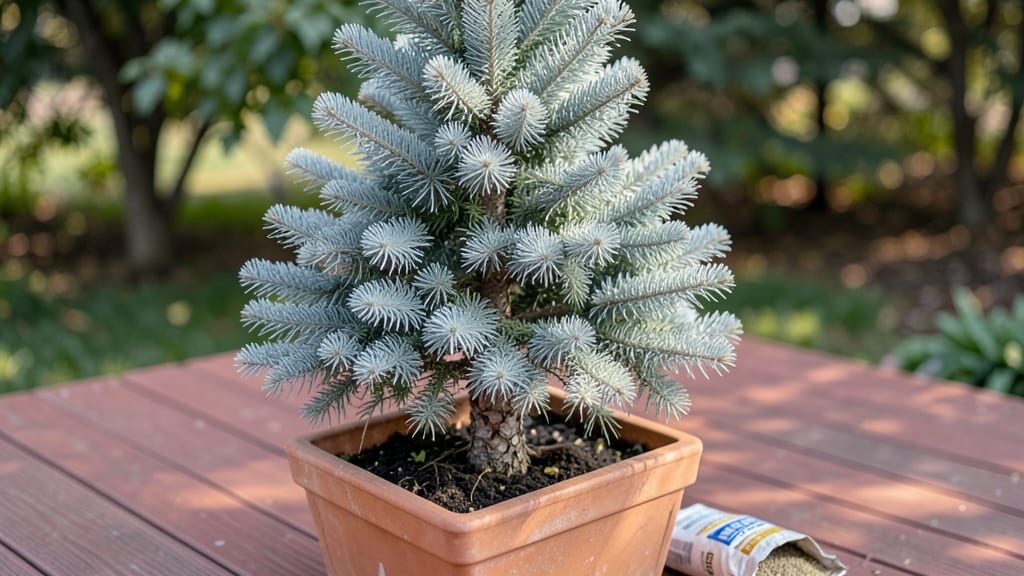
A potted spruce tree brings timeless elegance to patios, balconies, and entryways—without the yard space or commitment of planting one in the ground. I’ve grown these stately evergreens in containers for years, and the key to success lies in variety selection, soil science, and seasonal adjustments that most gardeners overlook.
The right spruce thrives in a pot for decades, while the wrong one struggles by winter’s end.
Start with dwarf varieties like ‘Globe’ blue spruce or ‘Little Gem’ white spruce, both bred for container life. They need well-draining soil mixed with perlite or sand to prevent soggy roots—a common pitfall that leads to root rot.
Place your pot where it gets 4-6 hours of morning sun and afternoon shade, especially in hot climates where afternoon sun can scorch needles. Most people underestimate how much shade potted spruces appreciate in summer.
By following a seasonal watering schedule (deep but infrequent in summer, barely any in winter) and fertilizing only in spring with slow-release granules, you’ll maintain that velvety green appearance year-round. The payoff? A living centerpiece that smells like a Christmas morning, even when snow blankets the ground outside.
Overwintering is simple with a thick layer of burlap and a sheltered spot, and pruning just means trimming dead branches in late winter.
This approach works for small urban spaces, rooftop gardens, or even indoor winter displays—just adjust the pot size and sunlight exposure. The secret isn’t complicated, but the results are undeniably impressive. Let’s get your potted spruce thriving for years to come.
📚 In This Guide
- What you need
- Instructions
- Tips and common mistakes
- Wrapping up and next steps
What you need
- ● Potted Spruce Tree: Choose a dwarf or container-friendly variety like Picea pungens 'Glauca Globosa' (Blue Globe Spruce) or Picea abies 'Nidiformis' (Bird’s Nest Spruce). Size: 3–5 gallons for young trees, 10+ gallons for mature ones.
- ● Container: A durable, well-draining pot (plastic, ceramic, or fabric) with drainage holes. Size: At least 12–18 inches in diameter (bigger for larger trees).
- ● Potting Mix: Well-draining, acidic soil blend (pH 4.5–6.0). Use a mix of: 50% peat moss or coconut coir (for moisture retention)
- ● 30% pine bark fines or perlite (for aeration)
- ● 20% sand or pumice (for drainage)
- ● Fertilizer: Slow-release, acid-loving plant fertilizer (e.g., 14-14-14 or 16-4-8 with micronutrients). Apply at planting and every 6–8 weeks in growing season.
- ● Drainage Layer: Pebbles, gravel, or broken pottery (1–2 inches) at the pot’s bottom.
- ● Pruning Shears: Sterilized, sharp shears for shaping and maintenance.
- ● Mulch: Pine bark or wood chips (1–2 inches) to retain moisture and regulate temperature.
- ● Watering Can or Hose: With a gentle spray nozzle for even moisture.
- ○ Support (Optional for Large Trees): Stakes or a tree collar if needed for stability.
- ● Slow-Release Fertilizer Spikes: For hassle-free nutrition.
- ● Moisture Meter: To monitor soil hydration.
- ● Fungicide (e.g., Copper-Based): Prevents pests/diseases in humid climates.
- ● Decorative Accents: Garden stakes, labels, or seasonal decor for a polished look.
- ● Winter Protection: Burlap wrap or frost cloth for cold climates.
Step-by-step guide to cultivating a thriving potted spruce tree
Transform your outdoor space with a lush, container-grown spruce—here's how to nurture it from selection to seasonal care.
🪴 Step 1: Select the Right Container and Drainage System
Choose a container that's at least 12 inches deep and 20 inches wide for a mature spruce, with multiple drainage holes—this prevents root rot, which is the number one killer of potted conifers. I recommend unglazed ceramic or plastic because they balance weight and breathability. If your pot lacks drainage, drill ¼-inch holes along the bottom and line them with ¼-inch mesh to keep soil in place while allowing excess water to escape.
The container's material matters too: terracotta wicks moisture through its walls, which helps in hot climates, while plastic retains moisture better for drier conditions. Spruces have shallow but extensive root systems, so wider pots encourage better root spread. If you're planting a 5-gallon nursery spruce, start with a 15-gallon container—you'll need to upgrade every 3-5 years as the tree grows.
🌱 Step 2: Prepare the Soil and Plant with Care
Use a well-draining evergreen mix—I blend 50% peat moss or coconut coir, 30% pine bark fines, and 20% perlite to create a loose, airy medium that mimics acidic forest soil. Spruces thrive in soil with a pH of 4.5-6.0, so test your mix with a soil pH meter before planting. If your mix is too alkaline, amend it with sulfur or pine needles to lower the pH gradually.
When transplanting, loosen the root ball gently with your fingers to encourage outward growth—compacted roots strangle the tree's development. Place the spruce in the center of the pot, then fill around the sides with soil, pressing lightly to eliminate air pockets. Water deeply until it drains freely from the bottom holes, then let the top ½ inch of soil dry before watering again. This prevents soggy roots while keeping the tree hydrated.
☀️ Step 3: Position for Light and Shelter
Spruces need full sun (6-8 hours daily) to maintain their vibrant color and dense growth, but they also appreciate afternoon shade in hot climates to prevent leaf scorch. Place your container where it gets morning sun and afternoon dappled light—a spot under a large tree or pergola works well. If you're in a Zone 7 or warmer, move the pot to a shadier location in peak summer to protect it from intense heat.
Wind can dry out a potted spruce quickly, so position it sheltered from prevailing winds—a south-facing patio with a windbreak is ideal. If you notice needles browning at the tips, it’s a sign of transpiration stress from too much wind or sun. Grouping pots together creates a microclimate that retains moisture and reduces stress on the tree.
💧 Step 4: Water and Fertilize for Long-Term Health
Water your potted spruce deeply once a week during the growing season (spring and fall), allowing the top 1-2 inches of soil to dry between waterings. In summer heat, you may need to water every 4-5 days, but never let the pot sit in standing water—this causes root rot and can kill the tree within weeks. I use a moisture meter to check soil dampness, aiming for 40-60% moisture at the root level.
Fertilize twice a year—once in early spring and again in mid-summer—with a slow-release evergreen fertilizer (look for a formula with high nitrogen and micronutrients). Apply half the recommended dose to avoid burning the roots. Spruces are light feeders, so over-fertilizing leads to salt buildup in the soil, which causes needle drop and stunted growth. After fertilizing, water thoroughly to rinse excess salts from the root zone.
✂️ Step 5: Prune and Maintain Seasonal Care
Prune your spruce once a year in late winter or early spring before new growth begins. Remove dead, diseased, or crossing branches with clean, sharp pruning shears, cutting just outside the branch collar to promote healing. Avoid shearing—spruces grow best when their natural shape is preserved. If you notice yellowing needles, it’s often a sign of overwatering or nutrient deficiency, so adjust your care routine accordingly.
In fall, apply a 2-inch layer of pine bark mulch around the base of the tree (but not touching the trunk) to insulate roots and retain moisture. If you're in Zone 5 or colder, wrap the pot in burlap or frost cloth during hard freezes to protect the root ball. Bring the pot indoors or to a sheltered garage if temperatures drop below 10°F—spruces are not frost-tolerant when potted and can suffer cold damage quickly.
Tips & tricks for perfect potted spruce care
Here's what nobody tells you about keeping your container spruce thriving for years—these details make all the difference.
Container Upgrade Timing: When you start with a 15-gallon container for your 5-gallon nursery spruce, plan to upgrade every 3-5 years as the tree grows. I recommend choosing a container that's only 2-3 inches wider than the previous one—this prevents overwhelming the root system with too much soil, which can lead to moisture retention issues. The key is gradual adjustment: a sudden jump to a much larger pot can actually stress the tree more than it helps.
Soil pH Maintenance: Testing your soil pH before planting is crucial, but don't forget to monitor it annually. Spruces prefer that 4.5-6.0 range, and over time, your mix can become more alkaline. I've seen trees decline because the pH crept up to 7.0 without anyone noticing. If you notice yellowing needles despite proper watering, grab that pH meter again—it might be your first clue that the soil chemistry has shifted. A simple application of sulfur or pine needles every spring keeps things balanced.
Winter Protection Strategy: The 10°F threshold for bringing your spruce indoors is critical, but don't wait until the last minute. I've learned this the hard way—once when my tree sat outside overnight in 8°F temperatures, and despite the frost cloth, it suffered needle damage. Start monitoring your local forecast a week before expected freezes and move the pot to a sheltered location like a garage or covered porch. If you must move it indoors, place it near a window with indirect light and avoid heat sources that cause rapid temperature swings.
Watering Technique: The once-weekly watering guideline works for most conditions, but the real skill is checking soil moisture properly. I use my finger to test the top 1-2 inches—if it feels dry, it's time to water. However, if you're using terracotta pots, you might need to water more frequently because they wick moisture through the walls. In summer, I set a reminder every 4-5 days and check twice: once at the surface and once at the bottom by lifting the pot (if it's light, it's dry).
Pro Tips for Potted Spruce Tree
- Here's what nobody tells you about keeping your container spruce thriving for years—these details make all the difference.
- Container Upgrade Timing: When you start with a 15-gallon container for your 5-gallon nursery spruce, plan to upgrade every 3-5 years as the tree grows.
- Soil pH Maintenance: Testing your soil pH before planting is crucial, but don't forget to monitor it annually.
Frequently asked questions
Got questions about keeping your potted spruce tree thriving? You’re not alone! Here are some of the most common queries—plus quick, expert-friendly answers to keep your evergreen looking lush year-round.
Can I keep a potted spruce tree indoors long-term?
Avoid keeping spruce trees indoors permanently—they’re outdoor plants that need fresh air, humidity, and seasonal changes. Instead, place them in a bright, sheltered spot (like a covered patio or sunroom) during warm months, then move them outdoors in winter. If you must bring them in temporarily, increase humidity with a pebble tray or misting to prevent browning needles.
How often should I water my potted spruce?
Water your spruce when the top 1–2 inches of soil feel dry—usually every 7–10 days in summer, but less in winter (every 2–3 weeks). Overwatering is the #1 killer! Ensure pots have drainage holes and use well-draining soil. Pro tip: Check moisture by sticking your finger in the soil—if it’s damp, wait!
Why are my spruce needles turning brown?
Brown needles usually mean drought stress, sunburn, or winter damage. For drought: water deeply and move to partial shade. For sunburn: relocate to morning sun only. In winter, protect from salt spray (if near roads) and harsh winds with a breathable burlap wrap. If needles fall off entirely, it might be thrips—treat with neem oil.
What’s the best soil mix for a potted spruce?
Use a lightweight, acidic mix (pH 4.5–6.0) like:
- 50% peat moss or coconut coir (for acidity and moisture)
- 30% pine bark fines (for aeration)
- 20% perlite or sand (for drainage)
Can I prune my potted spruce to keep it small?
Yes! Prune in late winter or early spring (before new growth) to shape or reduce size. Use clean, sharp shears to make cuts just above a bud or branch collar. Avoid heavy pruning—spruces grow slowly, and over-pruning can stress them. For a formal look, trim outer branches evenly; for a natural shape, thin out crowded areas.
Wrapping up and next steps
Growing a potted spruce tree brings year-round greenery and holiday charm to your space—no yard required! 🌲 With the right container, soil, and care, you’ll enjoy a thriving evergreen that’s perfect for patios, balconies, or even cozy indoor corners.
Remember: pruning, watering, and seasonal adjustments are key to keeping it lush and healthy.
Ready to create your own evergreen masterpiece? Grab your supplies, follow the steps, and watch your potted spruce flourish. Next, why not explore creative ways to style it—like adding fairy lights or festive ornaments—to make it the star of your outdoor (or indoor!) décor!