
Pruning
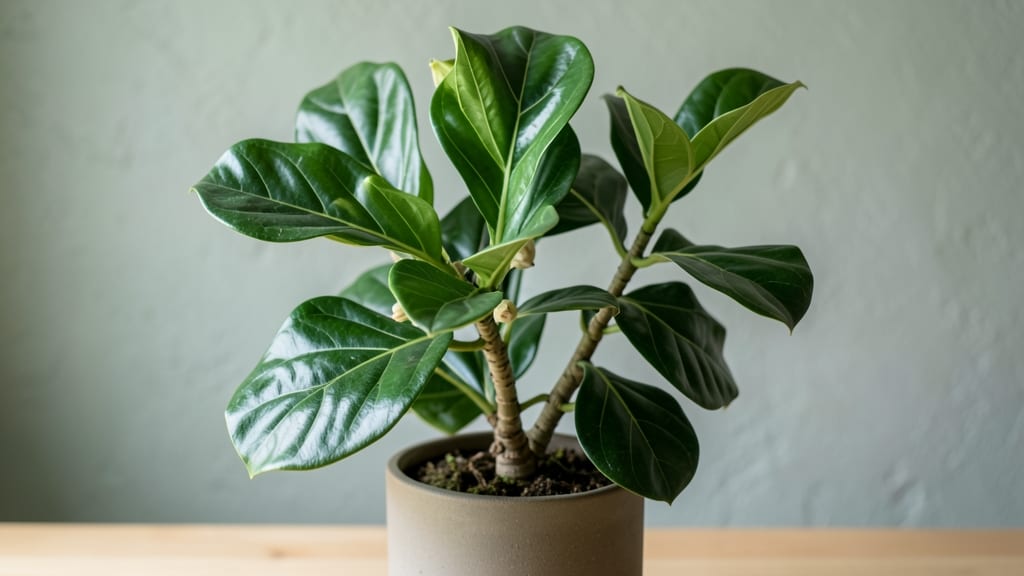
The ficus money tree thrives when pruned just right—three strategic trims a year keep it full, bushy, and impossibly lush. I learned this the hard way after my first tree turned into a sad, leggy pole.
The secret isn’t fancy tools or complicated techniques; it’s timing, clean cuts, and a little patience.
You’ll need basic pruning shears (sterilized with rubbing alcohol), a small pot for cuttings if you want to propagate, and a sunny windowsill or bright indirect light spot.
The whole process takes less than 15 minutes per trim, and you’ll see new growth within weeks—thick, glossy leaves that make every room feel vibrant.
What you end up with is a tree that stays compact, dense, and full of character all year. No more bare stems or sparse branches—just a thriving centerpiece that grows with you.
The best part? Those pruned cuttings root easily in water, giving you free plants to share or expand your collection.
Works for indoor spaces, offices, or even bright bathrooms—just avoid drafts and sudden temperature swings. Here’s how to do it right, step by step, without overcomplicating things.
📚 In This Guide
- What you need
- Instructions
- Tips and common mistakes
- Wrapping up and next steps
What you need
- ● Sharp pruning shears or scissors – Clean, sterilized, and bypass-style (for precision cuts).
- ● Rubbing alcohol (70% or higher) – For disinfecting tools between cuts.
- ○ Small container or bucket – For collecting clippings (optional but helpful!).
- ○ Gloves (optional but recommended) – To protect hands from sap or thorns.
- ○ Rooting hormone (optional) – For propagating cuttings if you want new plants!
- ● Well-draining potting mix – If repotting or replanting trimmings.
- ● Identify healthy growth areas – Look for leggy stems, overcrowded branches, or yellowing leaves.
- ● Check the plant’s growth cycle – Prune in early spring, summer, or fall for best results.
- ● Ensure your Money Tree is well-watered (but not soggy) before trimming.
How to prune your ficus money tree for year-round fullness
Here’s my go-to approach for keeping your money tree lush and balanced—no green thumb required.
Identify the Right Branches to Trim
Start by examining your tree for branches that are growing too long, crossing others, or looking leggy. Focus on stems that have grown beyond 12 inches or are blocking light from reaching inner leaves. I always look for branches that are one-third longer than the surrounding foliage—these are prime candidates for pruning.
Use your fingers to gently trace the branch’s path. If it’s growing outward instead of upward, it’s likely disrupting the tree’s natural shape. Remember, you’re shaping the tree, not cutting it back drastically. Small, strategic cuts keep it full and encourage new growth.
Use the Right Tools and Technique
Grab your clean, sharp pruning shears—dull blades tear stems and cause damage. Sterilize the shears with rubbing alcohol before and after use to prevent spreading disease. Cut just above a leaf node (the small bump where leaves grow) at a 45-degree angle. This angle helps water run off and prevents rot.
Never cut too close to the trunk or into the main stem. You want to leave a small stub, about ¼ inch, to avoid exposing the plant to pests or disease. If you’re unsure where to cut, trace the branch back to the nearest leaf node and stop there.
Encourage New Growth After Pruning
After trimming, place your money tree in a spot with bright, indirect light—this helps it recover faster. Water it lightly, ensuring the soil is slightly moist but not soggy. Overwatering after pruning can stress the plant, so let the top 1-2 inches of soil dry out between waterings.
Within 4-6 weeks, you’ll see new shoots emerging from the nodes where you cut. These new branches will fill out the tree and create a fuller, bushier look. If you notice yellowing leaves, it’s a sign of overwatering or stress—adjust your care routine accordingly.
Maintain Year-Round with Seasonal Trims
Prune lightly in spring to shape the tree before new growth begins. In summer, focus on any branches that are growing too fast or out of balance. A light trim in fall keeps the tree tidy before winter dormancy, and a final touch in early spring ensures it starts the season strong.
Here’s the thing—your money tree will thank you for consistency. Even a small trim every 3-4 months keeps it healthy and encourages lush, full growth. Avoid heavy pruning in winter, as the tree is less active and may take longer to recover.
Tips & tricks for perfect ficus money tree pruning
Here’s what nobody tells you about keeping your money tree thriving after every trim—these little details make all the difference.
Branch Selection Insight: When identifying branches to trim in Step 1, look for those growing at odd angles or crossing others—they’re not just unsightly, they’re stealing nutrients from the rest of the tree. I learned this the hard way after pruning a perfectly straight branch that was actually supporting a cluster of new leaves behind it. Always check both sides of the branch for hidden growth.
Tool Technique: In Step 2, don’t just cut—shape. After making your 45-degree cut, gently bend the branch downward before removing it. This helps the tree redirect its energy downward, encouraging fuller growth at the base. The small stub you leave should be about the size of a pencil eraser (¼ inch), not a dime. Anything larger invites pests.
Recovery Strategy: After pruning, the 4-6 week recovery period in Step 3 is your window for success. During this time, avoid fertilizing—your tree is already stressed from the cuts. Instead, mist the leaves lightly with water every few days to boost humidity, which helps the new shoots establish faster. I’ve seen trees double their new growth when I follow this simple step.
Seasonal Timing: The seasonal schedule in Step 4 is non-negotiable for year-round health. Spring is your prime time because the tree’s natural growth cycle kicks into high gear. In summer, if you notice branches growing faster than others, trim them back by 20% to maintain balance. Fall and early spring trims should be minimal—think of them as maintenance, not major reshaping.
Pro Tips for Ficus Money Tree
- Here’s what nobody tells you about keeping your money tree thriving after every trim—these little details make all the difference.
- Branch Selection Insight: When identifying branches to trim in Step 1, look for those growing at odd angles or crossing others—they’re not just unsightly, they’re stealing nutrients from the rest of the tree.
- Tool Technique: In Step 2, don’t just cut—shape.
Frequently asked questions
Got questions about keeping your ficus money tree thriving with the right pruning? You’re not alone! Here are answers to the most common concerns—so you can trim with confidence and keep your plant lush year-round.
How often should I prune my money tree?
Prune your ficus money tree every 6–12 months, focusing on shaping, removing dead leaves, or encouraging bushier growth. Light trims (like snipping yellowing leaves) can happen anytime, but major structural pruning is best in spring or early summer when the plant is actively growing. Avoid heavy cuts in winter—they stress the tree!
Can I propagate my money tree from cuttings?
Use healthy, 4–6 inch cuttings from new growth (just below a leaf node). Let the cut end callous over for a day or two, then place it in well-draining soil or water. Keep the humidity high (like a plastic bag over the cutting) and place it in bright, indirect light. Roots should form in 4–8 weeks!
What if my money tree drops leaves after pruning?
Don’t panic—it’s normal for a few leaves to drop after trimming, especially if you cut too much at once. To minimize stress, never remove more than 1/3 of the foliage in one session. Water thoroughly after pruning, and avoid drafts or sudden temperature changes. Your tree should bounce back in 2–4 weeks.
Can I prune my money tree in winter?
While you can prune in winter, it’s not ideal. Money trees are semi-dormant in cooler months, so heavy pruning can weaken them. If you must trim, stick to light maintenance (removing dead or diseased branches) and avoid major shape changes. Wait until spring for big pruning projects!
What’s the best way to clean pruning tools?
Always sanitize your shears or scissors with rubbing alcohol or a 10% bleach solution before and after pruning. This prevents spreading diseases or pests between cuts. For extra care, wipe blades with a damp cloth to remove sap—it dries and dulls tools over time!
Wrapping up and next steps
The ficus money tree thrives when you embrace a little regular TLC—whether it’s a spring refresh, summer shape-up, or winter tidy. With just three simple trims a year, you’ll unlock lush, vibrant growth and a plant that feels like a living treasure. 🌿✨
Ready to give your money tree the love it deserves? Grab your tools, pick a sunny day, and start pruning! Your green companion will thank you with years of happy, healthy foliage.