
Pruning
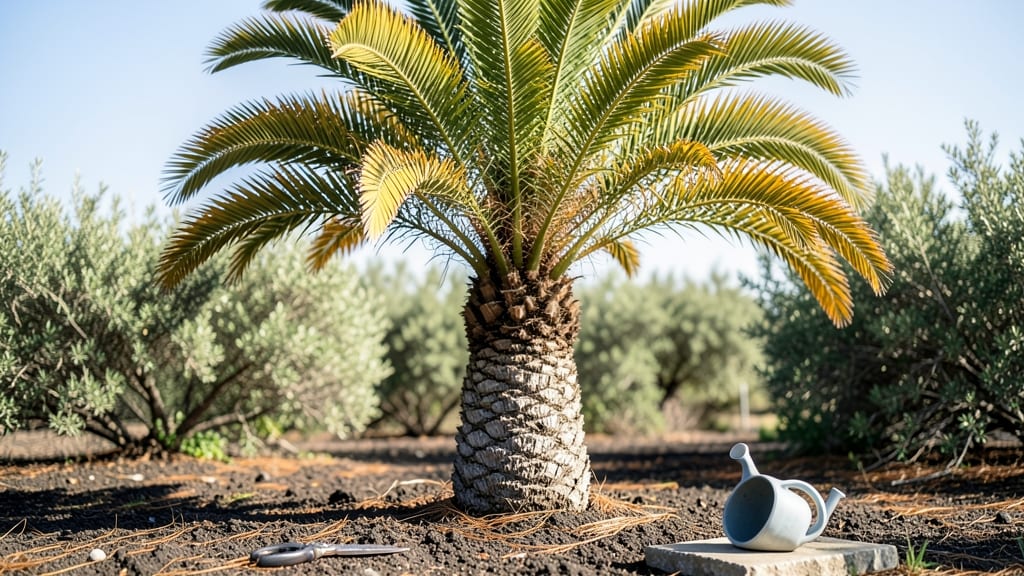
Three palm trees don’t just fill space—they create a tropical oasis with height, texture, and movement that no single specimen can match. I learned this after struggling to find the right balance between drama and harmony in my backyard, where two palms felt sparse and four looked overcrowded.
The magic happens in the spacing, the species mix, and how you shape their canopies to frame views or soften edges.
Start with one tall architectural palm—like a Mediterranean windmill palm—as your focal point, flanked by two mid-height varieties (think pygmy date palms or foxtail palms) for layered interest. Keep them 10–15 feet apart so their fronds don’t tangle yet still feel like a cohesive group.
The key? Prune the taller palm’s lower fronds to reveal the shorter ones, creating a staircase effect that draws the eye upward while keeping the base airy and inviting.
What you’ll end up with is a year-round statement that thrives in sun or partial shade, depending on your climate. The taller palm casts dappled shade for the shorter ones, while their different frond shapes—some feathery, some fan-shaped—add visual rhythm.
Bonus: This setup works for small patios or large yards, as long as you match their water and soil needs (well-draining soil is non-negotiable).
Here’s the secret weapon: strategic pruning layers. Trim the top palm’s fronds in early spring to encourage new growth, and lightly shape the others in late summer to maintain their silhouette. The result? A living sculpture that feels intentional, not accidental—and requires less maintenance than you’d think.
📚 In This Guide
- What you need
- Instructions
- Tips and common mistakes
- Wrapping up and next steps
What you need
- ● Pruning shears or loppers (bypass type, sharp and disinfected): 1 pair for small fronds (6–8" blades)
- ● 1 pair for thicker stems (10–12" blades)
- ● Pole saw or extendable pruners (12–16 ft reach, for hard-to-access fronds)
- ● Heavy-duty gloves (cut-resistant, gardening or palm-specific)
- ● Safety goggles (ANSI-rated, to shield from debris)
- ● Ladder or lift (stable, 20+ ft tall—or hire a professional if unsure!)
- ● Disinfectant (70% isopropyl alcohol or bleach solution) (for sterilizing tools between cuts)
- ● Heavy-duty trash bags or bin (for 10–20 lbs of fronds/debris per tree)
- ○ Pruning sealant (optional) (for large cuts >1" diameter)
- ● Harness or safety line (if working from a ladder)
- ● Dust mask/respirator (for dry, dusty fronds)
- ● Hose or bucket of water (to clean tools and reduce dust)
- ● Camera or phone (to document "before" shots for progress tracking!)
- ● Palm fertilizer (slow-release) (apply post-pruning for nutrient boost)
How to prune palm trees for year-round health and aesthetics
Mastering the art of palm pruning transforms your landscape into a structured, vibrant display.
Assess the Tree’s Structure and Seasonal Needs
Begin by examining the palm’s overall health and growth patterns. Look for dead or brown fronds—these are your first targets, as they drain nutrients and can harbor pests. In cooler months, focus on removing only the most damaged fronds to avoid stressing the tree. During spring and summer, you can be more aggressive with pruning to encourage new growth.
Use a sharp pruning saw or lopper to cut at the base of the frond where it meets the trunk. Avoid leaving stubs, as they can attract disease. If you’re unsure whether a frond is dead or just dormant, gently tug on it—if it resists, it’s still alive and should remain on the tree.
Here’s the thing—palms grow in layers. The top third of the tree should always be green and healthy, while the bottom third can be cleared of old fronds. This creates a natural, tiered look that highlights the tree’s architectural beauty.
Remove Dead and Diseased Fronds Safely
Start with the lowest fronds first, working your way up. Dead fronds are typically brown, brittle, and dry, while healthy ones are green and flexible. Use gloves and safety goggles—palm fronds can be razor-sharp, and the fibers can irritate skin or eyes.
Cut each frond cleanly at the base, just above the point where it attaches to the trunk. If a frond is partially dead but still attached, remove only the dead portion, leaving the green sections intact. This prevents unnecessary stress on the tree. Never remove more than one-third of the fronds in a single session, as this can weaken the palm.
After pruning, inspect the trunk for signs of pests or fungal growth. If you notice dark spots, oozing sap, or tiny holes, address these issues before proceeding. A healthy trunk is the foundation of a thriving palm.
Shape the Canopy for Balance and Airflow
Once you’ve removed the dead fronds, focus on thinning the canopy to improve airflow and sunlight penetration. Look for overcrowded or crossing fronds—these can trap moisture, leading to mold or rot. Use your pruning tools to trim back any fronds that are growing too close together or blocking light from reaching the lower layers.
Palms naturally grow in a pyramidal shape, so aim to maintain that silhouette. If the tree is leaning, prune more aggressively on the heavier side to encourage upright growth. Avoid cutting into the growing tip (the central bud) unless absolutely necessary—this can be fatal to the tree.
Real talk: Over-pruning is a common mistake. If you remove too much foliage at once, the palm may struggle to recover. Stick to selective trimming and always leave at least two-thirds of the fronds intact to ensure the tree can photosynthesize effectively.
Clean Up and Monitor for Recovery
After pruning, remove all debris from the base of the tree and surrounding area. Leaving old fronds on the ground can attract pests or fungi, which may spread back to the palm. Dispose of the clippings in a sealed bag or compost pile, away from the tree.
Water the palm deeply after pruning to help it recover. This is especially important in dry climates or during hot summer months. Monitor the tree over the next 4-6 weeks for new growth. Healthy palms will sprout fresh fronds from the center, indicating that the pruning was successful.
If you notice yellowing leaves, wilting, or an unusual number of dead fronds after pruning, you may have overdone it. In this case, reduce watering slightly and avoid further pruning until the tree shows signs of recovery.
Schedule Regular Maintenance for Long-Term Health
Palms don’t need pruning every year, but seasonal check-ins keep them looking their best. In spring, focus on removing old fronds and shaping the canopy. In fall, do a light cleanup to prepare for winter dormancy. Avoid pruning during extreme heat or cold, as this stresses the tree.
I like to prune my palms twice a year—once in early spring and again in late summer. This timing allows the tree to recover before the next growth cycle. Keep a record of when and how much you prune, so you can adjust your approach based on the tree’s response.
With consistent care, your palm will develop a strong, balanced structure that enhances your landscape year-round. The key is patience—palms grow slowly, and rushing the process can do more harm than good.
Tips & tricks for perfect palm tree pruning
Here's what I've learned from years of working with palms—these details make all the difference between a healthy tree and one struggling to recover.
Seasonal Timing Strategy: The instructions highlight seasonal differences, but here's the key detail: In cooler months, focus only on removing dead fronds—never more than 10% of the total foliage. This minimal approach prevents stress during dormancy. During spring and summer, you can safely remove up to one-third of fronds to encourage new growth, but never exceed this limit even in optimal conditions. The tree's natural growth cycle dictates how much it can handle.
Frond Identification Technique: When assessing fronds in Step 1, use the "tug test" method described, but also examine the underside of fronds—healthy ones will have vibrant green veins while dead ones appear uniformly brown. Another trick: Run your thumb along the frond's edge—healthy fronds feel slightly rough, while dead ones are smooth and papery. This tactile check helps you make quicker decisions during pruning.
Canopy Thinning Precision: In Step 3, when thinning the canopy, aim to create a "light filter" effect by removing fronds that block sunlight from reaching the lower layers. Look for fronds that cross over others—these create shaded areas where moisture lingers. The goal is to maintain that natural pyramidal shape while improving airflow. I find it helpful to visualize the tree as a tiered wedding cake, with each layer slightly narrower than the one below.
Recovery Monitoring System: After pruning, establish a simple monitoring routine: Check the tree weekly for 4-6 weeks, focusing on the growing tip where new fronds emerge. Healthy recovery shows as small green shoots appearing from the center. If you notice yellowing at the tips of remaining fronds, this indicates over-pruning—reduce watering immediately and avoid further trimming until new growth appears. The tree's response tells you everything you need to know about your pruning approach.
Pro Tips for 3 Palm Tree
- Here's what I've learned from years of working with palms—these details make all the difference between a healthy tree and one struggling to recover.
- Seasonal Timing Strategy: The instructions highlight seasonal differences, but here's the key detail: In cooler months, focus only on removing dead fronds—never more than 10% of the total foliage.
- Another trick: Run your thumb along the frond's edge—healthy fronds feel slightly rough, while dead ones are smooth and papery.
Frequently asked questions
When is the best time to prune a 3 palm tree?
Prune your 3 palm tree (also called the Butia capitata) in late winter or early spring (February–March) when new growth begins. Avoid heavy pruning in summer or fall, as it stresses the tree. Light shaping can be done year-round, but major cuts should wait for optimal healing conditions.
Can I prune a 3 palm tree myself, or should I hire a professional?
Small pruning tasks (dead fronds, minor shaping) are DIY-friendly! Use sterilized pruners and follow proper techniques (see our tools guide). However, for large fronds, structural cuts, or diseased palms, hire an ISA-certified arborist. Safety first—palm fronds can be heavy and sharp!
How do I know if my 3 palm tree is overpruned?
Watch for these red flags: yellowing fronds, stunted growth, or exposed trunk (where fronds should naturally cover). Overpruning weakens the tree’s energy reserves. If you see excessive bare patches or slow recovery after cuts, dial back and focus on selective, strategic pruning next time.
Why are bugs appearing after I pruned my 3 palm tree?
Pruning exposes sap and hidden pests like palm weevils or mealybugs. Clean tools with 70% isopropyl alcohol between cuts, and remove all debris. Apply neem oil or insecticidal soap if pests persist. Prevention tip: Prune during dry, sunny days to reduce moisture that attracts bugs.
Does pruning a 3 palm tree help it grow taller?
No—pruning doesn’t increase height! In fact, heavy tip-pruning can stunt growth by removing the tree’s natural growth hormones. Focus on removing dead fronds and shaping for airflow to keep your palm healthy and balanced. For height control, selective frond removal (not cutting the crown) is key.
What’s the difference between “thinning” and “shearing” a 3 palm tree?
Thinning
removes selective fronds to improve airflow and light penetration—ideal for 3 palm trees. Shearing (cutting fronds uniformly) is never recommended for palms, as it creates weak, unnatural growth. Stick to strategic thinning for a natural, graceful look.
Wrapping up and next steps
Mastering the art of 3 palm tree pruning transforms your landscape into a year-round masterpiece—where health, safety, and beauty thrive in perfect harmony. 🌿 By understanding canopy layers and seasonal timing, you’re not just trimming branches; you’re sculpting resilience and elegance into your palms.
Whether you’re a seasoned gardener or just starting, every careful cut brings you closer to that dreamy, well-maintained oasis.
Ready to take the next step? Grab your tools, schedule a pruning session, and watch your palms flourish! Need a refresher? Revisit our FAQs or consult a local arborist for expert guidance. Your palms—and your curb appeal—will thank you! ✨