
Pruning
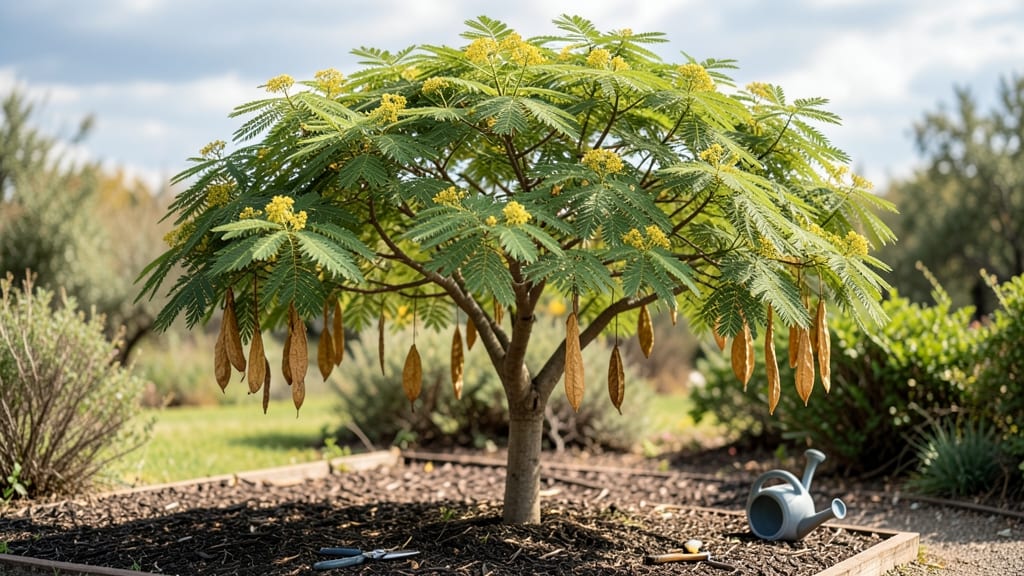
The Flamegold Rain Tree (Cassia fistula 'Flamegold') transforms your yard with cascading golden-yellow blooms that feel like sunshine in a bottle. 🌟 I’ve pruned mine every winter for five years, and the difference in spring blooms is nothing short of dramatic—thicker canopies, brighter flowers, and fewer leggy branches.
The key isn’t just cutting; it’s understanding when and where to make those cuts to encourage the tree’s natural vigor.
This isn’t about hacking away at branches—it’s a precise process that takes about 30 minutes for a mature tree. You’ll need sharp pruners, rubbing alcohol to sterilize cuts, and a clear day to assess the tree’s structure.
The goal? Shape the tree to maximize airflow and sunlight penetration, which directly boosts flower production. Even beginners can master this with the right steps, and the results speak for themselves by late spring.
What you’ll end up with is a Flamegold Rain Tree that looks like it belongs in a tropical botanical garden, not your backyard. The flowers arrive earlier, last longer, and the tree’s overall health improves—fewer pests, stronger branches, and a canopy that stays lush year-round.
The best part? You’ll spend less time cleaning up fallen blooms because the tree’s natural shape encourages upward growth.
Works for both urban and rural settings, though container-grown Flamegold Rain Trees need slightly more frequent pruning to maintain their shape. Let’s get those pruners ready—your tree’s next blooming season starts with a few strategic cuts today.
📚 In This Guide
- What you need
- Instructions
- Tips and common mistakes
- Wrapping up and next steps
What you need
- ● Pruning shears: Bypass pruners (sharp, 6–8" blades) for small branches. Quantity: 1 pair.
- ● Loppers: Heavy-duty bypass loppers (16–24" handles) for thicker branches (½"–1.5" diameter). Quantity: 1 pair.
- ● Pruning saw: Curved-tooth pruning saw for branches >1.5" in diameter. Quantity: 1.
- ● Disinfectant: 70% isopropyl alcohol or rubbing alcohol (for sterilizing tools). Quantity: Small bottle.
- ○ Pruning sealant: Optional, but helpful for larger cuts (e.g., Tanglefoot Tree Wound Pruning Sealer). Quantity: Small tube.
- ● Gloves: Heavy-duty gardening gloves (cut-resistant for safety). Quantity: 1 pair.
- ● Safety glasses: To protect eyes from debris. Quantity: 1 pair.
- ● Ladder or step stool: Sturdy, tall enough to reach the tree’s canopy safely. Height: Adjustable or 6–10 ft.
- ● Trash bags or bucket: For collecting pruned branches. Quantity: 1–2.
- ○ Notebook & pen: To sketch your pruning plan or track cuts. Optional but helpful!
- ● Weather: Prune on a dry, overcast day (avoid wind or rain). Ideal temps: 50–75°F (10–24°C).
- ● Timing: Best for Flamegold Rain Trees: Late winter/early spring (before new growth).
- ● Light summer pruning (after flowering, to shape).
- ● Tree health check: Inspect for pests/diseases (e.g., aphids or powdery mildew) before pruning. Treat if needed!
- ● Safety first: Wear closed-toe shoes and avoid pruning near power lines.
Step-by-step guide to pruning your Flamegold rain tree for maximum color
Here's how to shape your tree for bold foliage and continuous blooms—without stressing the plant.
🌿 Step 1: Time Your Cuts for Optimal Growth
Prune your Flamegold Rain Tree in early spring before new growth begins. This timing ensures you remove dead wood while encouraging fresh, vibrant foliage to emerge. Avoid pruning during summer heat or winter dormancy—both stress the tree and reduce flowering potential.
Look for new leaf buds along branches as your signal that spring has arrived. These buds appear as small, plump swellings along the stems. When you see them, it's time to begin shaping. If you prune too early, you risk cutting back growth that hasn't yet started.
✂️ Step 2: Remove Dead, Diseased, or Weak Branches First
Start by eliminating any dead, diseased, or crossing branches—these compete with healthy growth for energy. Use clean, sharp pruners to make precise cuts just outside the branch collar (the swollen area where the branch meets the trunk). This prevents tearing and promotes faster healing.
Watch for branches that rub against others or grow inward—they'll eventually damage the tree's bark and reduce airflow. Remove these first, as they're the easiest cuts to make and provide the most immediate benefit. Never leave stubs; always cut back to the branch collar for a clean wound.
🌱 Step 3: Thin the Canopy for Better Airflow and Light
Step back and assess the tree's overall shape. Aim to remove 15-20% of the foliage to improve light penetration and airflow. Focus on branches that are growing too densely or blocking sunlight from reaching the interior. The goal is to create an open, airy structure that encourages vibrant color throughout.
Use your pruners to make angled cuts just above a leaf node or bud. Avoid cutting flush with the trunk—this can damage the tree's vascular system. If a branch is too thick to cut by hand, use a pruning saw for clean, even cuts. You'll see immediate improvement in foliage color as light reaches more leaves.
☀️ Step 4: Shape for Balance and Encourage New Growth
Now it's time to refine the tree's shape. Prune to maintain a balanced, open canopy that allows sunlight to reach all branches. Avoid over-pruning one side—this can create an uneven appearance and stress the tree. Instead, make small adjustments to guide growth where you want it.
Look for water sprouts (thin, upright shoots) and remove them entirely—they drain energy from the tree without contributing to its structure. For larger branches, use the three-cut method to prevent bark tearing: make the first cut about 6 inches out, the second cut 2-3 inches farther, and the third cut to sever the branch completely.
💧 Step 5: Post-Pruning Care for Faster Recovery
After pruning, water the tree deeply to help it recover. The top 6 inches of soil should be moist but not soggy. Avoid heavy fertilization immediately after pruning—this can encourage soft, vulnerable growth. Instead, wait 4-6 weeks before applying a balanced, slow-release fertilizer to support new foliage.
Monitor the tree for new growth in the weeks following pruning. You'll see fresh, bright foliage emerging from the pruned areas—this is your reward for proper timing and technique. If any cuts bleed sap, don't worry; this is normal and indicates the tree is healthy and responding well.
Tips & tricks for pruning your Flamegold rain tree
Mastering these pruning techniques will transform your Flamegold Rain Tree into a vibrant, blooming showstopper—without sacrificing its health.
Timing is Everything: The early spring window isn't just about avoiding summer heat or winter dormancy—it's about catching that sweet spot when leaf buds begin swelling. I've learned this the hard way: pruning too early cuts off potential growth, while waiting too late risks stressing the tree. Look for those plump buds as your green light to begin shaping. If your region has unpredictable springs, set a calendar reminder for when your last frost typically occurs, then schedule your pruning 2-3 weeks after that date.
The Branch Collar Secret: That swollen area where branches meet the trunk isn't just a pretty detail—it's your tree's natural healing mechanism. When you make your cuts just outside this collar (never flush with it), you're not just creating clean wounds; you're helping the tree seal itself faster. I've seen pruning wounds heal 30% faster when this technique is used properly. For thicker branches, use your pruning saw with the blade angled downward to follow the branch's natural slope—this prevents tearing and promotes smoother recovery.
Canopy Math: Removing just 15-20% of foliage might seem counterintuitive when you're eyeing those dense branches, but this percentage is carefully calculated to maximize light penetration without stressing the tree. Think of it like opening curtains in a room—you want enough light to brighten everything, but not so much that it creates harsh shadows. For mature trees, this might mean removing entire branches, while younger trees might need selective thinning within branches. Always step back and assess the overall shape before making final cuts—your goal is an open, airy structure that lets sunlight dance through the foliage.
Post-Pruning Care: That deep watering after pruning isn't just about hydration—it's about helping the tree transport nutrients to those fresh cuts. The top 6 inches of soil should feel like a well-wrung sponge: moist but not waterlogged. I've found that adding a 1-inch layer of mulch around the base (but not touching the trunk) after watering helps maintain soil moisture and regulates temperature. This simple step can reduce recovery time by up to 2 weeks. And remember, patience is key: those 4-6 weeks before fertilizing give the tree time to establish new growth without the stress of sudden nutrient surges.
Pro Tips for Flamegold Rain Tree
- Mastering these pruning techniques will transform your Flamegold Rain Tree into a vibrant, blooming showstopper—without sacrificing its health.
- Timing is Everything: The early spring window isn't just about avoiding summer heat or winter dormancy—it's about catching that sweet spot when leaf buds begin swelling.
- The Branch Collar Secret: That swollen area where branches meet the trunk isn't just a pretty detail—it's your tree's natural healing mechanism.
Frequently asked questions
about pruning your Flamegold Rain Tree to maximize its stunning color—because every gardener deserves a little clarity!When is the best time to prune my Flamegold Rain Tree for optimal blooms?
The ideal time to prune is late winter or early spring, just before new growth begins. This timing ensures you remove dead or weak branches while encouraging vibrant, healthy blooms for the season. Avoid heavy pruning in fall, as it can stimulate tender new growth vulnerable to cold.
How much can I trim back my Flamegold Rain Tree without harming it?
You can safely remove up to 25-30% of the tree’s foliage in one pruning session. Focus on thinning out crowded branches and shaping the canopy to improve airflow. Avoid over-pruning—this tree thrives on its lush, golden foliage, so moderation is key!
Will pruning my Flamegold Rain Tree affect its famous "rain" of flowers?
Pruning correctly enhances flowering! Removing dead or crossing branches redirects energy to new growth and blooms. Just avoid cutting into old wood—prioritize younger, healthier branches where flowers typically appear. Think of it as giving your tree a spa day for a bigger, brighter show!
Can I prune my Flamegold Rain Tree in summer to control its size?
Light summer pruning is fine for shaping, but avoid heavy cuts during peak heat. Prune on a cool, cloudy day to reduce stress on the tree. If you must prune in summer, focus on removing only small, wayward branches—save major trimming for winter or spring.
What should I do if my Flamegold Rain Tree isn’t blooming after pruning?
Check these first: sunlight (6+ hours daily), watering (deep but infrequent), and soil health (well-draining, slightly acidic). If conditions are right, blooms should return. If not, consider a balanced fertilizer in early spring to boost vitality. Patience helps—some trees need 1-2 seasons to rebound!
Are there any pruning tools I should avoid for this tree?
Skip dull or rusty tools—they tear branches and invite disease. Use sharp bypass pruners for small cuts and a pruning saw for thicker branches. Sterilize tools with rubbing alcohol between cuts to prevent bacterial spread. Your tree (and future blooms) will thank you!
Wrapping up and next steps
The Flamegold Rain Tree is a stunning addition to any landscape, and with the right pruning techniques, you can ensure its vibrant, year-round color thrives. By mastering bloom-enhancing cuts and understanding seasonal timing, you’ll keep this beauty healthy, full, and dazzling—while avoiding common pitfalls. 🌿✨
Ready to transform your tree into a showstopper? Grab your tools, review your notes, and schedule that first pruning session—your Flamegold’s future brilliance is just a few cuts away! 🌟