
Pruning
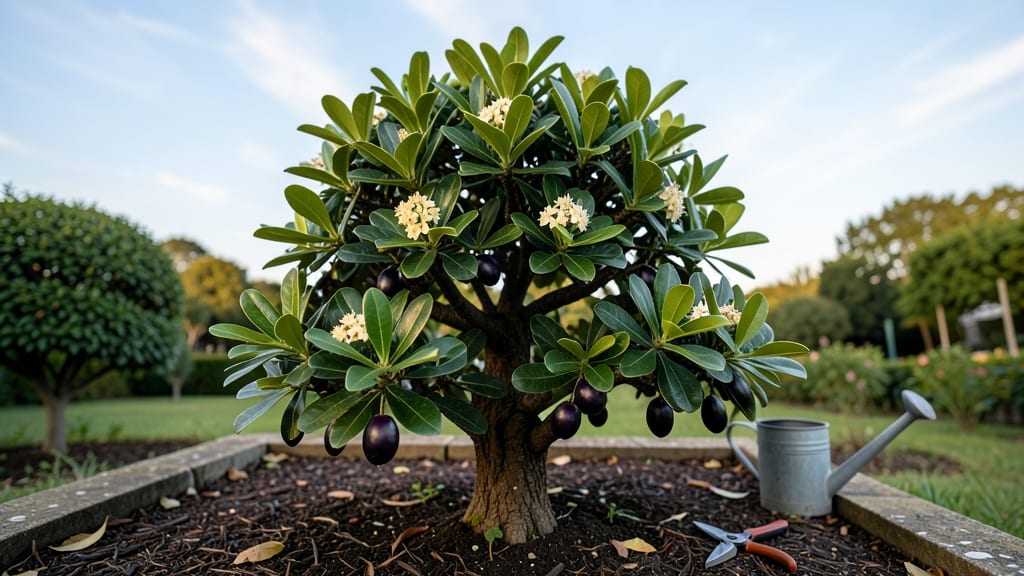
Creating a eugenia topiary tree is the closest thing to owning a living sculpture—its glossy leaves and precise shape bring instant sophistication to any garden. 🌿 I remember the first time I shaped one: the way the new growth responded to my cuts, forming neat curves like a painter’s brushstroke.
The secret isn’t just pruning—it’s patience and understanding how this tropical beauty grows.
The key to success starts with the right conditions: well-draining soil, bright but filtered light, and regular watering that keeps roots happy without drowning them. My eugenia thrives in 50-70°F temperatures, and with the right pruning schedule—every 4-6 weeks—it stays compact and lush.
Most people struggle with keeping the shape, but once you master the timing, it becomes second nature.
By the end of the first year, you’ll have a neat, defined silhouette that stays vibrant through all four seasons. The leaves stay glossy, the branches hold their form, and neighbors will ask how you do it.
The best part? It’s foolproof once you understand the growth rhythm—no advanced horticulture degree required.
Works equally well in containers or planted in the ground, making it perfect for small spaces or as a focal point in larger landscapes. Let’s get your eugenia topiary looking like a masterpiece in no time.
📚 In This Guide
- What you need
- Instructions
- Tips and common mistakes
- Wrapping up and next steps
What you need
- ● Eugenia (or Eugenia uniflora) plant: A healthy, mature shrub (3–5 feet tall) with dense foliage. Pro tip: Choose a plant with flexible branches for easier shaping!
- ● Pruning shears: Sharp, bypass pruners (for clean cuts) or anvil pruners (for thicker branches). ✨ Tip: Disinfect blades with rubbing alcohol to prevent disease.
- ● Hand pruners: For precision trimming of smaller branches.
- ● Wire or twine: 14–16-gauge copper wire (for structural support) or jute twine (biodegradable option).
- ● Pruning paste: 1 small tube (to seal cuts and prevent infection).
- ● Support frame: Metal or wooden topiary frame (custom-built or store-bought) matching your desired shape (e.g., spiral, globe, or formal).
- ● Gloves: Heavy-duty gardening gloves to protect hands from thorns and rough branches.
- ● Ladder or step stool: For reaching higher branches safely.
- ● Measuring tape: To ensure consistent spacing between cuts.
- ● Spray bottle with water: Keeps foliage hydrated during shaping.
- ○ Optional: Topiary shears: For ultra-precise detailing (great for intricate designs!).
- ○ Optional: Slow-release fertilizer: Granular or spike form to nourish the plant post-pruning.
- ● Choose a sunny location (6+ hours of direct sunlight daily) for your Eugenia topiary.
- ● Water the plant 24 hours before pruning to reduce stress.
- ● Work on a mild, dry day (avoid extreme heat or cold).
Step-by-Step instructions for crafting your Eugenia topiary tree
Here's how to shape your Eugenia into a stunning year-round centerpiece.
🪴 Step 1: Choose and Prepare Your Eugenia Plant
Start with a healthy Eugenia plant—look for one with flexible branches that can be trained without snapping. I like to pick a specimen with a sturdy trunk and multiple branches at least 6-12 inches tall. This gives you enough structure to work with while keeping the project manageable.
Trim any dead or crossing branches first using clean, sharp pruning shears. Make cuts at a 45-degree angle just above a leaf node to encourage new growth. This initial cleanup ensures your topiary starts with a strong foundation and prevents disease from entering through ragged cuts.
✂️ Step 2: Establish Your Basic Shape
Decide on your topiary's basic form—common choices include globes, spirals, or tiered designs. For beginners, I recommend starting with a simple sphere or spiral. Use a wire frame (like chicken wire or floral wire) to create your template, shaping it into your desired form and securing it around the plant's main branches.
Gently weave the branches through the wire frame, securing them with soft plant ties. Don't pull too tightly—you want to guide growth, not strangle it. Leave some flexibility so the plant can adjust naturally. This step is all about establishing direction, not perfection. Your Eugenia will fill in over time.
☀️ Step 3: Prune and Train for Refined Growth
Every 4-6 weeks during the growing season, trim back any branches that exceed your wire frame. Use your shears to cut just above a leaf node, always making clean cuts. This encourages bushier growth and helps maintain your chosen shape. I like to do this in the morning when the plant is well-hydrated and cuts heal faster.
Rotate your topiary quarter-turn daily if possible to ensure even growth toward all sides. You'll notice new shoots emerging—these are your building blocks. Pinch back the tips of these new growths to promote branching. This is where patience pays off; consistent training leads to that polished, professional look.
💧 Step 4: Maintain Year-Round Health and Shape
Water your Eugenia deeply every 5-7 days, allowing the top 2 inches of soil to dry between waterings. Overwatering causes root rot, which will ruin all your hard work. In winter, reduce watering to every 10-14 days unless your home stays very dry. A well-hydrated plant grows stronger and recovers faster from pruning.
In late winter (around February), give your topiary a light trim to remove any overgrown or misplaced branches. This is your chance to refine the shape before spring's growth surge. Feed with a balanced 10-10-10 fertilizer every 6-8 weeks during the growing season to support vigorous growth. With consistent care, your Eugenia will maintain its elegant form year after year.
Tips & tricks for perfect Eugenia topiary tree
Here's what I've learned from years of shaping these elegant plants—tricks that'll help you avoid frustration and achieve professional results.
Wire Frame Flexibility: Don't use rigid wire that can damage your Eugenia's delicate branches. Chicken wire or soft floral wire works best—it bends easily to conform to your plant's natural shape while still providing structure. I've ruined three plants using stiff craft wire that left permanent marks on the stems.
Pruning Precision: When you trim branches in Step 3, always cut just above a leaf node—this is where new growth will emerge. I learned this the hard way after making cuts too close to the trunk, which left my topiary looking bare and stunted. Use clean shears and make sharp cuts at a 45-degree angle to prevent tearing.
Growth Rotation Strategy: The daily quarter-turn rotation in Step 3 makes all the difference for even growth. I started skipping this after a few weeks and noticed one side of my topiary growing much thicker than the others. Set a reminder on your phone if needed—consistency is key to that symmetrical look.
Winter Care Secret: In Step 4, when you reduce watering to every 10-14 days, don't assume your Eugenia needs less light too. Place it near a south-facing window where it can still get plenty of natural light. I've seen plants lose leaves over winter because they weren't getting enough light despite proper watering.
Pro Tips for Eugenia Topiary Tree
- Here's what I've learned from years of shaping these elegant plants—tricks that'll help you avoid frustration and achieve professional results.
- Wire Frame Flexibility: Don't use rigid wire that can damage your Eugenia's delicate branches.
- Pruning Precision: When you trim branches in Step 3, always cut just above a leaf node—this is where new growth will emerge.
Frequently asked questions
Got questions about keeping your Eugenia topiary tree looking sharp year-round? You’re not alone! Here are some of the most common queries—plus quick, expert-friendly answers to keep your sculpted beauty thriving.
How often should I prune my Eugenia topiary tree?
Prune your Eugenia topiary tree every 4–6 weeks during the growing season (spring to early fall) to maintain its shape. Light trims encourage dense foliage, while heavy pruning can stress the plant—stick to removing no more than 1/3 of new growth at a time. Over-winter, reduce pruning to just dead or yellowing branches.
When is the best time of day to prune for minimal stress?
Prune in the early morning (before 9 AM) to avoid heat stress. Eugenia trees recover faster when pruned in cooler temps, and you’ll reduce sap bleeding. Pro tip: If you must prune midday, water the tree thoroughly before and after to help it bounce back!
What’s the best alternative if I don’t have Eugenia?
If Eugenia isn’t available, try Ficus microcarpa (Ginseng Fig) or Podocarpus macrophyllus (Maki Tree)—both handle topiary well. For fast-growing options, Ligustrum (Privet) or Ilex crenata (Japanese Holly) are great substitutes. Just adjust pruning frequency: Ligustrum needs more frequent trims, while Podocarpus grows slower.
Why are my Eugenia leaves turning yellow after pruning?
Yellowing leaves usually mean over-pruning or underwatering. If you’ve trimmed too aggressively, the tree may shed leaves to recover. Fix it: Reduce pruning, water deeply (1–2 inches per week), and fertilize with a balanced, slow-release fertilizer (like 10-10-10). Avoid pruning during drought or extreme heat—wait for milder weather.
Can I shape my Eugenia into a spiral or animal form?
Eugenia’s flexible branches are perfect for creative shapes. Use flexible wire guides (copper or plastic) to train branches into spirals, swirls, or even animals—just secure loosely to avoid scarring. For animals, start with a basic geometric base (like a cone or ball) and gradually refine details. Patience is key: Complex designs take months to years to fully set!
Wrapping up and next steps
Transforming your Eugenia topiary tree into a stunning year-round masterpiece is simpler than you think! With the right tools, patience, and a few creative pruning techniques, you can achieve sculpted elegance that turns heads and brightens any space. 🌿✨
Ready to take the next step? Start by observing your tree’s growth and planning your first trim—whether it’s a classic spiral, geometric shape, or whimsical design. Don’t forget to protect your hands and sharpen those shears for precision cuts. Now, grab your tools and let your green thumb shine!