
Pruning
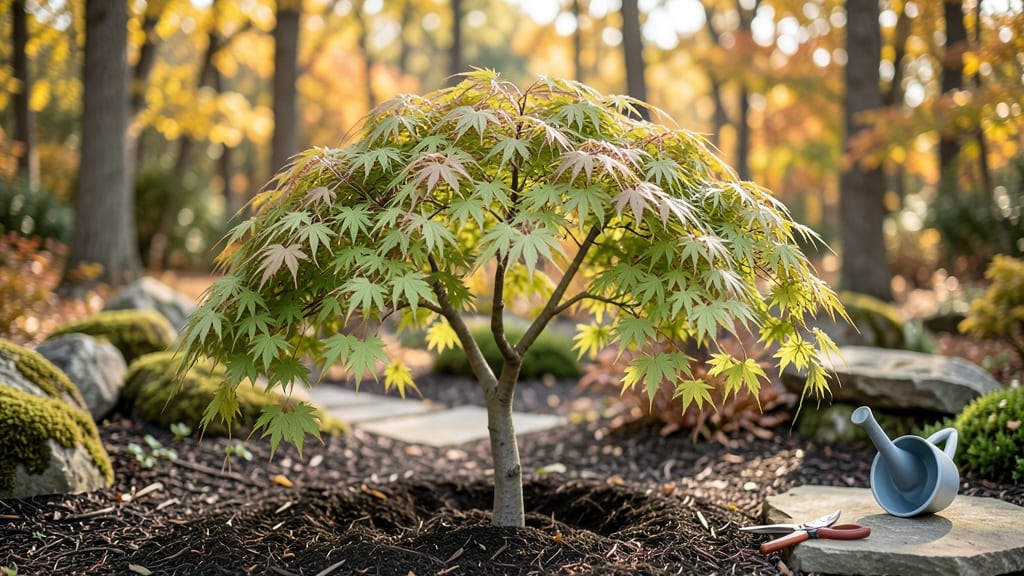
The dissectum maple tree transforms any garden into a living watercolor painting with its delicate, weeping branches and jewel-toned foliage. 🌿 I fell in love with this tree after seeing one in a quiet Japanese garden—its cascading form and fine texture create a serene focal point that works year-round.
The key to growing one successfully lies in mimicking its natural woodland habitat, where it thrives in dappled shade and rich, acidic soil.
Planting yours requires just a few essentials: a spot with 4-6 hours of morning sun, well-draining soil mixed with compost, and patience for its slow but steady growth. Young trees need consistent moisture, while mature specimens develop resilience once established.
Pruning in late winter keeps its graceful shape intact, and a thick layer of mulch protects its shallow roots from extreme temperatures.
By summer, you’ll watch its leaves unfurl in vibrant greens, oranges, or reds—depending on the cultivar—while autumn paints them in fiery hues. Even in winter, the bare branches hold elegance, their lace-like structure catching snowflakes like a delicate net.
The tree’s compact size makes it perfect for small gardens, containers, or as a striking accent near patios.
Common challenges like leaf scorch or powdery mildew can be avoided with proper watering and airflow. With the right care, your dissectum maple will reward you with decades of beauty, becoming the centerpiece of your landscape. Ready to cultivate your own piece of living art?
📚 In This Guide
- What you need
- Instructions
- Tips and common mistakes
- Wrapping up and next steps
What you need
- ● Pruning shears: Bypass pruners (sharp, 10-12 inch blades) for small branches.
- ● Loppers: 20-24 inch loppers for thicker branches (½ to 1½ inch diameter).
- ● Pruning saw: Curved-tooth saw for branches 1½+ inches thick.
- ● Gloves: Heavy-duty, gardening gloves (cut-resistant for safety).
- ● Disinfectant: 70% isopropyl alcohol or rubbing alcohol to sterilize tools.
- ○ Pruning sealant: Tree wound paint (optional but helpful for large cuts).
- ● Step ladder or stool: Sturdy, 4-6 foot ladder for higher branches.
- ● Trash bags or bucket: For collecting pruned branches.
- ● Sharpie or marker: Waterproof for labeling cuts (if needed).
- ● Water source: Hose or bucket for post-pruning hydration.
- ● Extension pole saw: For hard-to-reach branches without a ladder.
- ● Hand pruners with ratchet: For cleaner cuts on stubborn branches.
- ● Safety glasses: Protect your eyes from debris.
- ● Knee pads: For comfort during ground-level pruning.
- ○ Tree growth regulator: Optional for controlling excessive growth.
Step-by-Step guide to planting and caring for a dissectum maple tree
Here's how to establish your weeping maple for decades of stunning seasonal color.
🌱 Step 1: Choose the Perfect Planting Location
Select a site with full sun to partial shade—at least 6 hours of direct sunlight daily—and well-draining soil to prevent root rot. Dissectum maples thrive in USDA Zones 4-8, so verify your hardiness zone before planting. The tree's graceful branches need 15-20 feet of horizontal space to develop fully, so avoid planting near structures or power lines.
I always dig a hole twice as wide as the root ball but only as deep as the container's root level. This encourages outward root spread rather than settling too deeply. If your soil is heavy clay, amend it with 2-3 inches of compost mixed into the bottom of the hole—this improves drainage without overwhelming the tree's natural soil preferences.
🪴 Step 2: Plant with Proper Spacing and Support
Remove the tree from its container and loosen any circling roots gently with your fingers. Place it in the hole so the top of the root ball sits 1-2 inches above ground level—this prevents water from pooling around the trunk. Backfill with native soil, tamping lightly every 6 inches to eliminate air pockets while keeping roots undisturbed.
Stake the tree only if necessary—young dissectum maples often need support against wind. Use two 4-foot stakes positioned 12 inches from the trunk and tie with soft tree ties (never wire). The goal is temporary stabilization; remove stakes after 1-2 growing seasons to avoid girdling the trunk.
☀️ Step 3: Water Deeply and Mulch for Retention
Water deeply immediately after planting—soak the root zone until water drains from the bottom of the hole. Follow up with 1 inch of water weekly during the first year, adjusting for rainfall. Dissectum maples are drought-tolerant once established, but young trees need consistent moisture to develop strong roots. You'll know you're watering correctly when the top 2 inches of soil feel moist but not soggy.
Apply 3 inches of organic mulch (like wood chips) around the base, keeping it 6 inches away from the trunk to prevent rot. Replenish mulch annually in late winter—this conserves moisture, regulates soil temperature, and suppresses weeds. Never let mulch pile against the trunk; it traps moisture and invites disease.
✂️ Step 4: Prune for Structure and Health
Prune in late winter or early spring before new growth begins. Remove any dead, diseased, or crossing branches first—these compete with the tree's natural weeping form. For structural pruning, focus on 1-2 main branches to guide the tree's shape; dissectum maples develop naturally, but light pruning encourages fuller growth.
Use clean, sharp pruners to make cuts just outside the branch collar. Avoid heavy pruning—never remove more than 25% of the canopy in one season. The goal is to enhance the tree's graceful silhouette, not reshape it aggressively. You'll see the most dramatic improvement in branch spread after 3-5 years of careful pruning.
🌿 Step 5: Monitor for Pests and Seasonal Care
Inspect leaves monthly during growing season for signs of aphids, spider mites, or scale—common pests for young maples. Treat infestations early with neem oil or insecticidal soap, applied in the early morning or evening to avoid harming beneficial insects. Dissectum maples are generally resilient, but stress from pests can lead to leaf drop.
In fall, rake up any fallen leaves around the base—this prevents fungal diseases like anthracnose from overwintering. Fertilize lightly in early spring with a balanced 10-10-10 formula if the tree shows signs of nutrient deficiency (yellowing leaves, stunted growth). Mature dissectum maples rarely need fertilizer, but young trees benefit from a small dose to establish strong root systems.
Tips & tricks for perfect dissectum maple tree planting
Here's what I've learned after planting and nurturing dissectum maples for over a decade—these details make all the difference.
Location Intelligence: While the instructions mention full sun to partial shade, I've found dissectum maples actually thrive with morning sun and afternoon shade in hotter climates (Zones 7-8). The delicate branches can scorch in intense afternoon rays, so position your tree where it gets gentle light protection during peak sun hours. This prevents sunburn on leaves while still giving them the 6 hours of sunlight they need.
Root Ball Preparation: Before planting, soak the root ball in water for 10-15 minutes to hydrate the roots thoroughly. This helps reduce transplant shock, especially if you're planting during dry periods. After planting, water deeply again—this initial hydration gives the roots a head start in establishing themselves in their new home. The 1-2 inches above ground level positioning in Step 2 is crucial because it prevents water from pooling around the trunk during these critical first waterings.
Staking Strategy: I recommend using flexible plastic stakes instead of wooden ones—they're gentler on the tree and won't need to be removed as aggressively. When securing the tree ties, leave 1-2 inches of slack so the trunk can sway slightly in the wind. This movement actually helps strengthen the trunk over time. Remember to check the ties every 3-4 months and loosen them as the trunk grows—you don't want to restrict its natural expansion.
Mulching Mastery: The 3 inches of organic mulch should be refreshed every spring and fall rather than just annually. This maintains consistent moisture levels and prevents weeds from competing with your young tree. I've found that cedar mulch works particularly well because it naturally repels some pests while breaking down slowly. Just remember to keep it 6 inches away from the trunk—this critical spacing prevents moisture buildup that can lead to rot.
Pro Tips for Dissectum Maple Tree
- Here's what I've learned after planting and nurturing dissectum maples for over a decade—these details make all the difference.
- Location Intelligence: While the instructions mention full sun to partial shade, I've found dissectum maples actually thrive with morning sun and afternoon shade in hotter climates (Zones 7-8).
- Root Ball Preparation: Before planting, soak the root ball in water for 10-15 minutes to hydrate the roots thoroughly.
Frequently asked questions
Got questions about the stunning dissectum maple tree? You’re not alone! Here are some common queries—and the answers you need to keep your weeping beauty thriving.
What’s the best time to prune a dissectum maple?
Prune your dissectum maple in late winter or early spring (before buds swell) to avoid stressing the tree. Avoid heavy pruning in fall—it can stimulate late growth vulnerable to frost damage. Light shaping in summer is fine, but keep cuts clean and small!
Can I prune a dissectum maple in winter?
Yes, but only if it’s dormant (no leaves, no sap flow). Winter pruning helps shape the tree, but avoid extreme cold snaps. If you must prune in freezing temps, do it on a warmer day (above 40°F) to reduce shock. Pro tip: Seal larger cuts with pruning sealant to prevent disease.
What if my dissectum maple’s branches look bare or leggy?
Leggy growth often means over-pruning or poor light. Focus on selective thinning—remove only dead, crossing, or overcrowded branches. Boost sunlight exposure and fertilize lightly in spring. If branches are weak, support them with soft ties until they strengthen.
Are there alternatives to dissectum maple with similar weeping habits?
Try these low-maintenance, weeping varieties:
- Japanese Maple (Acer palmatum) – Compact, colorful foliage.
- Norway Maple (Acer platanoides ‘Columnare’) – Faster-growing upright-weeping type.
- Crape Myrtle (Lagerstroemia ‘Natchez’) – Drought-tolerant with cascading branches.
Why are my dissectum maple’s leaves turning brown or yellow?
Brown/yellow leaves usually signal overwatering, underwatering, or nutrient deficiency. Check soil moisture—dissectum maples prefer well-draining soil. Yellowing between veins? Likely iron deficiency (common in alkaline soil). Apply chelated iron or adjust pH. Pro tip: Mulch to retain moisture without suffocating roots.
Still stumped? Snap a photo of your tree’s issue and consult a local arborist—they’re dissectum maple pros!
Wrapping up and next steps
The dissectum maple tree is a stunning addition to any landscape, offering year-round beauty with its delicate, weeping branches and vibrant foliage.
Whether you’re pruning for health, shape, or seasonal interest, the key is patience and precision—trust the process, and your tree will reward you with grace and elegance for decades.
Ready to elevate your outdoor space? Start small: pick a branch or two this season, and watch your dissectum maple thrive!