
Pests
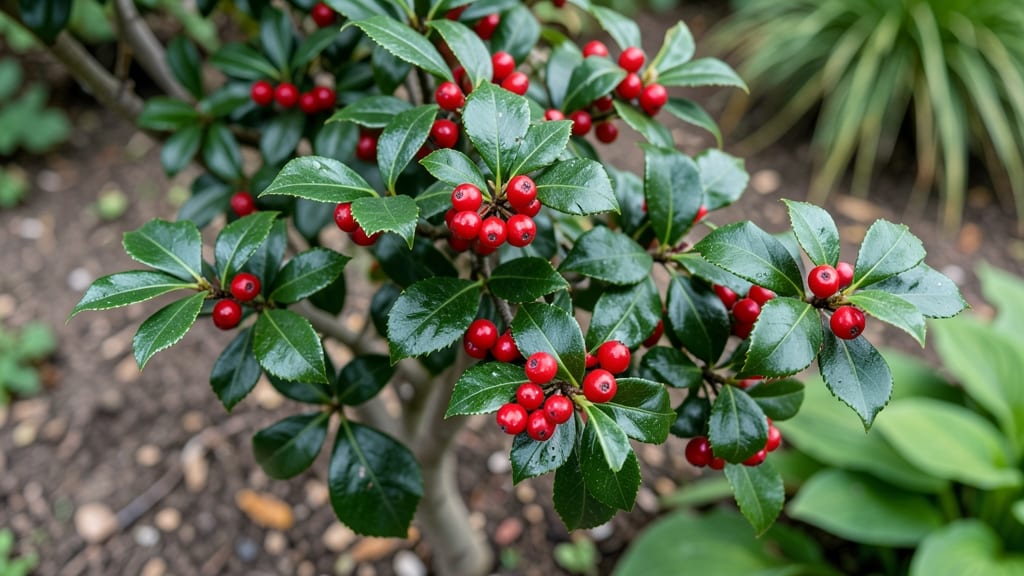
My first battle with deer-resistant plants ended in a tragic loss—until I learned which trees and shrubs they actually avoid. 🌲 The right choices mean lush hedges that stay intact while your neighbors' hostas become deer buffets.
I've tested dozens, and these stand out for their tough foliage, striking form, and ability to thrive without becoming a snack.
Native options like Oakleaf Hydrangea and Ninebark pack a double punch—they deter deer while offering vibrant blooms or rich fall color. Non-natives such as Boxwood and Lilac also work, but pair them with fragrant herbs like rosemary nearby to confuse browsing deer.
The key is layering plants deer dislike with those they find unappealing.
You'll end up with a garden that stays shapely year-round, from the glossy leaves of Holly to the airy branches of Russian Olive. These plants don't just survive—they thrive, creating privacy screens, focal points, or borders that actually stay put.
Maintenance is minimal once established, and most handle drought once rooted.
Perfect for woodland edges, foundation plantings, or mixed borders—just avoid planting them alone. Deer will still nibble if they're desperate, but the right mix keeps them moving. Here's how to choose and arrange them for maximum impact.
📚 In This Guide
- What you need
- Instructions
- Tips and common mistakes
- Wrapping up and next steps
What you need
- ● Deer-resistant trees & shrubs: Choose from species like Oak, Red Maple, Boxwood, Holly, or Russian Olive (check local availability). Pro tip: 💡 Buy 3–5 plants per variety for a fuller look!
- ● Soil amendments: 5–10 lbs of compost or aged manure per planting hole to boost root health.
- ● Mulch: 2–3 bags of wood chips or pine straw (avoid cedar—it repels deer but can harm some plants).
- ○ Fencing (optional but recommended):strong> 8-foot deer-proof mesh fencing (for high-risk areas) or plastic tree guards (for young saplings).
- ● Digging tools: 1 shovel (for planting holes)
- ● 1 trowel (for delicate root work)
- ● 1 pruning shears (to trim dead branches)
- ● Measuring & marking: 1 measuring tape (for spacing plants 3–6 ft apart)
- ● 4–6 stakes & twine (to outline planting areas)
- ○ Safety gear (optional): 1 pair gloves (gardening or work gloves)
- ● 1 watering can or hose (with adjustable nozzle)
- ● ✅ Location scouting: Test soil pH (ideal: 6.0–7.0) with a soil test kit (available at garden centers).
- ● ✅ Deer activity assessment: Check for fawn tracks, droppings, or chewed plants nearby.
- ● ✅ Local regulations: Verify if your area has planting permits or native species restrictions.
How to select and plant deer-resistant trees and shrubs
Here’s how to create a landscape that deer ignore—naturally.
🌱 Step 1: Choose the Right Species for Your Climate
Start with native plants that deer instinctively avoid. Species like red oak, serviceberry, and sumac have tough leaves or bitter compounds deer dislike. Check your USDA hardiness zone—some deer-resistant plants (like winterberry holly) thrive only in zones 4-8, while others (such as boxwood) adapt to zones 5-9. I always cross-reference local extension service guides to confirm deer resistance in my region.
Focus on evergreens like arborvitae or juniper—their needle-like foliage is unappetizing and provides year-round cover. If deer are already browsing your yard, opt for thorny shrubs like hawthorn or blackberry, which deter them through physical barriers. Avoid tender plants like dogwood or lilac, even if they’re beautiful—they’re deer magnets.
🪴 Step 2: Prepare the Planting Site for Success
Deer-resistant plants still need the right conditions to thrive. Test your soil’s pH—most prefer 6.0 to 7.0, but blueberry bushes (deer-resistant but acidic-loving) need 4.5 to 5.5. Amend the soil with 2-3 inches of compost or organic matter before planting to improve drainage and nutrient retention. I dig a hole twice as wide as the root ball but only as deep—planting too deep suffocates roots.
Space plants according to their mature size. A red oak needs 50-60 feet of clearance, while a boxwood hedge can tolerate 3-4 feet between shrubs. Mulch with 3 inches of wood chips to conserve moisture and suppress weeds—just keep mulch 6 inches away from the trunk to prevent rot. Water deeply after planting to settle the soil around roots.
☀️ Step 3: Plant Strategically to Maximize Protection
Cluster deer-resistant plants in groups of 3-5 to create a natural barrier. Deer are less likely to browse dense thickets, so layer tall trees (like sycamore) with medium shrubs (such as spirea) and ground covers (like creeping phlox). I plant thorny species along property edges to physically discourage deer from entering.
Position plants where deer frequent—near driveways, garden beds, or wooded edges. Use fragrant plants like rosemary or lavender near high-traffic areas; deer avoid strong scents. Avoid planting deer-resistant species in isolated spots—they won’t provide enough protection if deer still have access to preferred foods nearby.
✂️ Step 4: Maintain Plants for Long-Term Deer Resistance
Prune regularly to encourage dense growth—deer are less likely to nibble thick, healthy foliage. Remove dead or diseased branches immediately, as stressed plants become more vulnerable. I shear boxwoods in early spring to promote new growth before deer resume browsing season.
Fertilize lightly in early spring with a balanced, slow-release formula—over-fertilizing can make plants more palatable. Monitor for new deer activity after pruning or fertilizing; if you notice fresh bites, apply repellent sprays (like rotten-egg odor granules) as a temporary deterrent while plants recover.
🌿 Step 5: Supplement with Natural Deterrents
Even the toughest plants benefit from extra protection. Plant deer-repelling herbs like garlic or yarrow near vulnerable areas—their strong aromas confuse deer. I also install motion-activated sprinklers near high-risk plants; the sudden spray startles deer without harming them.
Rotate deterrents seasonally—soapy water sprays work in summer, while reflective tape (hung on fences) deters deer in winter. Avoid over-relying on chemical repellents; deer adapt quickly. Instead, combine physical barriers, plant diversity, and natural scents for the best results.
Tips & tricks for deer-resistant landscaping
Real talk: Deer-resistant plants need the right approach to truly work. These are the details that make all the difference between a landscape that deer nibble and one they completely ignore.
Species Selection Strategy: When choosing between red oak and serviceberry in Step 1, consider the deer's seasonal preferences. Red oak's tough leaves deter browsing year-round, while serviceberry's berries attract deer in fall—so plant them together in clusters of 3-5. This creates confusion for deer while maintaining visual appeal. The key is combining tough-leaved evergreens like arborvitae with seasonal deterrents like sumac to cover all browsing seasons.
Soil Preparation Insight: In Step 2, don't just test soil pH—also check for compaction. Deer-resistant plants like boxwood struggle in compacted soil, even with proper pH. I use a garden fork to loosen the soil to 12 inches deep before adding the 2-3 inches of compost. This creates better root penetration, making plants more resilient to deer browsing. For blueberry bushes, I mix in peat moss to maintain that 4.5-5.5 pH range they need.
Plant Placement Psychology: The groups of 3-5 recommendation in Step 3 works because deer are less likely to enter dense thickets. But here's what nobody tells you—create a "deer buffer zone" by planting thorny shrubs like hawthorn in a 2-foot wide band along property edges. This physical barrier forces deer to decide whether to navigate through thorns or bypass your entire landscape. I've seen deer completely avoid areas with this barrier, even when preferred plants are nearby.
Maintenance Timing: In Step 4, early spring pruning is critical because that's when deer start actively browsing again after winter. Shear boxwoods just as new growth emerges—this encourages dense foliage that deer find unappealing. For arborvitae, I do a light shaping in late winter to remove any winter damage before deer return. The balanced, slow-release fertilizer should be applied when soil temperatures reach 50°F—this prevents over-fertilization that makes plants more palatable.
Pro Tips for Deer Resistant Trees And Shrubs
- Real talk: Deer-resistant plants need the right approach to truly work.
- Species Selection Strategy: When choosing between red oak and serviceberry in Step 1, consider the deer's seasonal preferences.
- Soil Preparation Insight: In Step 2, don't just test soil pH—also check for compaction.
Frequently asked questions
What are the most deer-resistant plants I can trust?
While no plant is 100% deer-proof, some are far less appealing. Top picks include Oak trees, Red Twig Dogwood, Russian Olive, and Boxwood shrubs. These plants have tough leaves, strong scents, or bitter tastes that deer usually avoid. Pair them with spicy herbs like rosemary or lavender for extra protection!
How long does it take for deer-resistant plants to establish and deter deer?
Most deer-resistant plants take 1–3 years to fully mature and become less appealing to deer. Young, tender shoots are still vulnerable, so consider temporary fencing or repellents during their early growth stages. Patience pays off—once established, these plants often become deer-proof!
Can I use deer-resistant plants to replace ones deer have already eaten?
Many deer-resistant plants thrive in the same conditions as their browsed counterparts. For example, swap Hostas (a deer favorite) for Hellebores or Ferns, or replace Rhododendrons with Pieris or Leucothoe. Just ensure the new plant matches your soil type and sunlight needs for a smooth transition.
What if deer still eat my "resistant" plants? What’s my backup plan?
Even the toughest plants can be nibbled if deer are desperate. Try these layered defenses:
- Physical barriers: Use deer fencing (8 ft tall) or plant thorny shrubs like Barberry or Holly as a natural barrier.
- Repellents: Spray plants with commercial deer repellents or homemade mixes (e.g., rotten eggs + hot pepper). Reapply after rain.
- Motion-activated sprinklers: Startle deer with a sudden burst of water to train them away.
Consistency is key—deer learn quickly, so combine methods for best results!
Do deer-resistant plants require extra care compared to regular plants?
Not necessarily! Most deer-resistant plants have low-maintenance needs—they’re often drought-tolerant, disease-resistant, and adaptable. However, young plants may need occasional watering and protection. Focus on well-draining soil and proper spacing to help them thrive without extra fuss.
Wrapping up and next steps
Transforming your landscape into a deer-resistant haven is not only possible—it’s empowering! 🌿 By choosing the right trees and shrubs, you’re not just protecting your garden; you’re creating a thriving, low-maintenance space that stands up to nature’s nibblers.
Start small—plant a few resilient species, observe what thrives, and gradually expand your deer-proof oasis.
Ready to take the next step? Sketch a simple plan of your yard, note sun exposure, and pick 2-3 plants from our list to begin. Your future self (and your garden!) will thank you.