
Trees
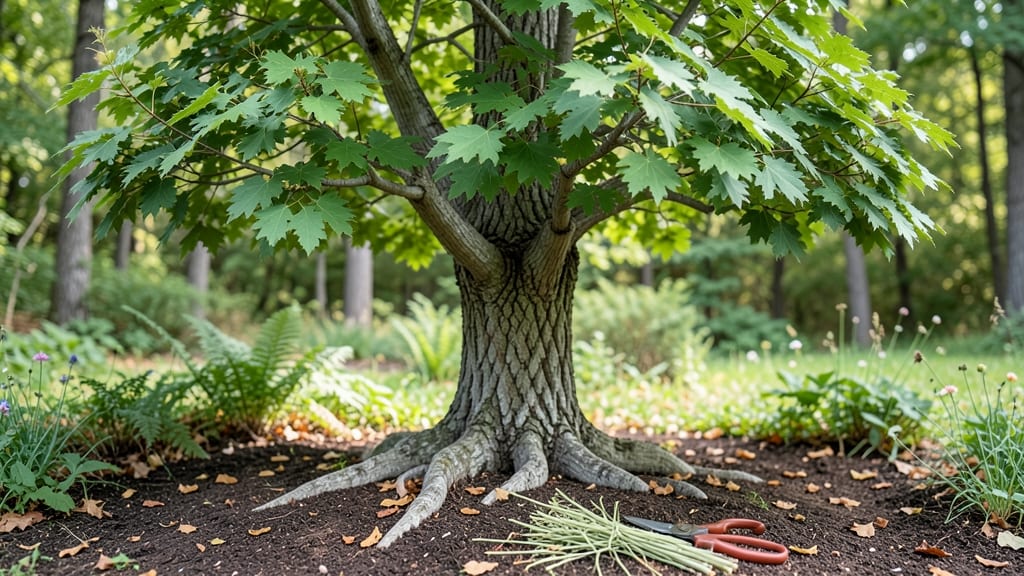
Native trees in Connecticut don’t just survive—they thrive, offering four-season interest with almost no fuss. 🌳 I planted my first native oak five years ago, and it’s now the centerpiece of my yard, its acorns feeding squirrels while its leaves turn fiery in autumn.
These trees are the backbone of healthy ecosystems, supporting pollinators, birds, and even butterflies while demanding less water and fewer chemicals than non-native species.
What makes them perfect for Connecticut gardens? Most handle our rocky soil and variable weather like champs. A serviceberry tolerates shade, a black tupelo adds drama with its purple fall foliage, and eastern redbuds bloom early, feeding bees before most flowers even think about waking up.
Plus, their deep roots prevent erosion better than any sod ever could.
You’ll end up with a landscape that’s not just beautiful but self-sustaining. Imagine winter berries feeding birds, spring blooms attracting hummingbirds, and summer shade that cools your home naturally. The best part? These trees need minimal pruning—just shape them occasionally to keep them looking their best.
Whether you’ve got a sunny yard, a shady corner, or a rocky slope, there’s a native tree that’ll fit. Let’s match you with the perfect species for your space and soil—no guesswork required.
📚 In This Guide
- What you need
- Instructions
- Tips and common mistakes
- Wrapping up and next steps
What you need
- ● Native tree seedlings or saplings: Choose from species like Oak (Quercus spp.), Sugar Maple (Acer saccharum), or Eastern Red Cedar (Juniperus virginiana). Buy 1–3 plants depending on your space.
- ● Shovel or trowel: A 5–6 ft. digging shovel for planting holes (or a hand trowel for smaller saplings).
- ● Compost or native soil mix: 5–10 gallons of high-quality compost or a 50% native soil/50% compost blend to enrich planting holes.
- ● Mulch (wood chips or pine straw): 2–3 cubic feet to retain moisture and suppress weeds.
- ● Watering can or hose with nozzle: A 3–5 gallon capacity for deep watering.
- ● Garden gloves: Heavy-duty, water-resistant to protect your hands.
- ○ Stakes & twine (optional for support): 2–4 stakes (2–3 ft. tall) and soft twine for young, top-heavy trees.
- ● Tree guard or protective barrier: Plastic or metal to shield saplings from deer/browsing.
- ● Slow-release fertilizer: Native-tree-specific (e.g., 10-10-10 NPK) for the first year.
- ● Soil pH test kit: To ensure your soil is ideal (pH 6.0–7.5) for CT natives.
- ● Pruning shears: Bypass-style for minimal cleanup pruning (if needed).
Step-by-Step guide to selecting and planting Connecticut native trees
Here's how to choose and establish hardy native trees that thrive year-round with minimal fuss.
🌱 Step 1: Choose Trees That Thrive in Connecticut's Climate
Connecticut's varied zones (5-7) demand species that handle humidity, heat waves, and winter chill. I always start with white oak for longevity or red maple for vibrant fall color—both tolerate poor soil and drought once established. Check the USDA Plant Hardiness Zone Map to confirm your specific microclimate matches the tree's tolerance range.
Native trees like serviceberry or black cherry offer four-season interest with minimal pruning. These species naturally resist pests and diseases common to non-native imports. I avoid invasive species like Norway maple, which crowds out native understory plants and disrupts local ecosystems.
🪴 Step 2: Prepare Planting Sites for Long-Term Success
Dig holes twice as wide as the root ball but no deeper—this prevents root suffocation. I use the displaced soil to create a saucer-shaped basin around the hole to direct water toward the roots. For container-grown trees, loosen the root ball gently with your fingers to encourage outward growth.
Amend heavy clay soil with 2-3 inches of compost mixed into the bottom of the hole—this improves drainage without altering the tree's natural soil preferences. Connecticut's native trees evolved in rocky, acidic soils, so avoid adding lime unless your soil test confirms alkalinity. Water the hole thoroughly before planting.
☀️ Step 3: Plant at the Right Depth and Stake Strategically
Position the tree so the top of the root flare sits 1-2 inches above ground level—this prevents girdling as soil settles. I mark the depth with a pencil before removing the tree from the container. Fill the hole with native soil, pressing firmly to eliminate air pockets while avoiding compaction.
Stake only if the tree leans significantly or your site has strong winds. Use two stakes placed diagonally, tied with soft fabric strips (never wire) to allow trunk movement. Mulch with 3 inches of shredded bark, keeping it 6 inches away from the trunk to prevent rot. Water deeply immediately after planting to settle the soil.
✂️ Step 4: Establish a Maintenance Routine for Minimal Pruning Needs
Wait 6-12 months before pruning to let the tree establish its root system. When you do prune, remove dead, crossing, or diseased branches in late winter or early spring. I use clean, sharp pruners to make cuts just outside the branch collar—this promotes faster healing and reduces disease risk.
Native trees rarely need structural pruning. Focus instead on removing water sprouts (suckers) and thinning crowded branches to improve airflow. Connecticut's native species like tulip poplar naturally develop strong, balanced forms with minimal intervention. Fertilize only if growth is stunted after 2-3 years, using slow-release native plant fertilizer.
⏰ Step 5: Monitor and Protect Through Seasonal Changes
Check soil moisture during the first two growing seasons—water deeply once a week if rainfall is less than 1 inch. Connecticut's variable climate means drought can creep up unexpectedly. I test moisture by pushing a 6-inch screwdriver into the soil; if it resists, it's time to water.
Watch for early signs of stress like yellowing leaves or wilting, which often indicate compacted roots or poor drainage. Native trees rarely need pesticides, but if pests appear, opt for neem oil sprays or introduce beneficial insects like ladybugs. Mulch annually in late fall to maintain soil temperature and moisture.
Tips & tricks for perfect native tree planting in Connecticut
Real talk: Planting native trees in Connecticut isn't just about dropping a sapling in the ground and hoping for the best. These tips will help you avoid common pitfalls and set your trees up for long-term success.
Species Selection Wisdom: Connecticut's varied microclimates mean not all native trees thrive equally everywhere. For example, white oak dominates in drier, rocky soils common in western CT, while red maple thrives in the wetter eastern regions. I always research local success stories—check with your county extension office for neighborhood-specific recommendations. The USDA Plant Hardiness Zone Map is your first tool, but don't stop there: visit local botanical gardens to see which species flourish in your exact conditions.
Soil Prep Game-Changer: The 2-3 inches of compost you mix into the planting hole isn't just filler—it's a foundation for success. I've seen many gardeners skip this step, thinking native trees don't need help. But Connecticut's heavy clay soils can suffocate roots if not amended properly. For container-grown trees, that gentle loosening of the root ball (Step 2) prevents root circling—a common issue that stunts growth for years. Think of it as giving your tree's roots room to breathe and stretch.
Staking Strategy: I've made the mistake of staking every tree I planted, only to find some didn't need the support. Stakes should be a last resort—use them only when you see significant leaning or in windy sites. The key is proper technique: two diagonal stakes with soft fabric ties allow trunk movement while preventing wind damage. And never, ever use wire—it can girdle the trunk as it grows. I now only stake when absolutely necessary, and remove stakes after just one growing season to prevent dependency.
Watering Insight: That "once a week" guideline in Step 5 is your baseline, but Connecticut's unpredictable weather means you need to be proactive. I test soil moisture with my trusty 6-inch screwdriver—if it resists, it's time to water. The first two growing seasons are critical for root establishment, so don't rely on rainfall alone. Consider installing a simple drip irrigation system around newly planted trees; it delivers water directly to the root zone without the waste of overhead sprinklers.
Pro Tips for Native Trees In Ct
- Real talk: Planting native trees in Connecticut isn't just about dropping a sapling in the ground and hoping for the best.
- Species Selection Wisdom: Connecticut's varied microclimates mean not all native trees thrive equally everywhere.
- Soil Prep Game-Changer: The 2-3 inches of compost you mix into the planting hole isn't just filler—it's a foundation for success.
Frequently asked questions
Got questions about planting and caring for native trees in CT? You’re not alone! Here are some of the most common queries—plus straightforward answers to help you get started with confidence.
What are the easiest low-maintenance native trees for Connecticut’s climate?
Connecticut’s Zone 5-7 climate thrives with hardy natives like Eastern Red Cedar, White Oak, or Serviceberry. These trees require minimal pruning, resist pests, and adapt to soil variations. For shade lovers, Sugar Maple is a classic pick—just watch for leaf litter in fall!
When is the best time to plant native trees in Connecticut?
Fall (September–November) is ideal—cooler temps reduce stress, and roots establish before winter. Spring (April–May) is a close second. Avoid planting in extreme heat or frost. Pro tip: Water deeply after planting and mulch to retain moisture.
How do I protect my native tree from pests like gypsy moths or emerald ash borers?
Prevention starts with healthy soil and diverse plantings. For ash trees, monitor for signs of borers (D-shaped holes) and report infestations to CT DEEP. Beneficial insects and bird-friendly habitats (like Black Cherry) can also deter pests naturally.
Can I replace my lawn with native trees for wildlife support?
Trees like American Holly or Black Walnut provide food and shelter for birds and pollinators. Pair them with understory shrubs (e.g., Witch Hazel) for a layered ecosystem. Check soil drainage first—some natives (like Swamp White Oak) prefer moist areas.
Do native trees really need less pruning than non-native species?
Yes! Many natives (e.g., Hemlock or Hophornbeam) grow naturally balanced, reducing the need for corrective pruning. Focus on removing deadwood or crossing branches in early spring. Pro tip: Use sharp tools to avoid tearing bark—native trees heal slower than invasives.
Wrapping up and next steps
Native trees in Connecticut aren’t just stunning—they’re low-maintenance superstars that thrive year-round while supporting local ecosystems. From the towering Sugar Maple to the hardy White Oak, these trees bring beauty, shade, and resilience with minimal pruning fuss.
Whether you're a gardener or a nature lover, planting native species is a win-win for your landscape and the environment!
Ready to get started? Take the next step:
- 🌱 Research the best native trees for your yard’s sunlight and soil.
- 🛒 Visit a local nursery or conservation group for saplings.
- 🌿 Plant with care and watch your Connecticut landscape transform!