
Pests
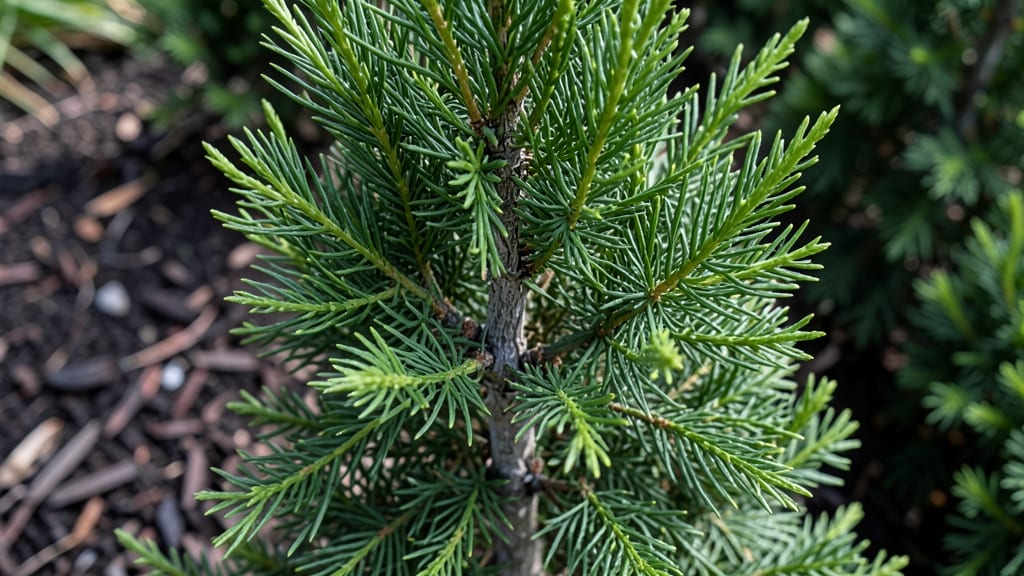
My deer-resistant arborvitae trees saved my backyard from becoming a deer buffet. 🌲 These evergreens thrive where other plants fail, offering year-round privacy and a shield against browsing while keeping their lush, emerald-green needles intact—no matter how hungry the local herd gets.
What makes them perfect for privacy screens isn’t just their deer-deterring foliage—it’s their adaptability. Plant them in clusters along property lines, or line a driveway for a natural windbreak that stays dense all winter.
They grow steadily (1-2 feet per year) and handle full sun or partial shade, making them versatile for almost any landscape.
You’ll end up with a vibrant, low-maintenance hedge that blocks views, muffles noise, and repels deer without chemicals. The best part? Their aromatic foliage deters pests naturally, so you get double protection. Pair them with other tough shrubs like boxwood or barberry for an even stronger deer-proof barrier.
Whether you’re replacing a chewed-up fence line or adding height to a foundation planting, arborvitae deliver reliable results with minimal fuss. Here’s how to position them for maximum impact in your space.
📚 In This Guide
- What you need
- Instructions
- Tips and common mistakes
- Wrapping up and next steps
What you need
- ● Deer-resistant arborvitae trees (e.g., Thuja occidentalis 'Emerald Green', 'American Arborvitae', or 'Yellow Ribbon'): Quantity depends on desired coverage (1-3 trees per 10 feet of privacy screen).
- ● Shovel or spade: For digging holes (12–18 inches wide and deep).
- ● Garden gloves: To protect your hands from dirt and thorns.
- ● Mulch (pine bark or shredded wood): 2–3 inches thick, covering the root zone (avoid piling against the trunk).
- ● Compost or well-aged manure: 1–2 gallons per tree for nutrient-rich soil.
- ● Watering can or hose with a gentle spray nozzle: For deep watering (1–2 gallons per tree initially).
- ○ Stakes and twine (optional but helpful): For young trees in windy areas.
- ● Tree guards or wire mesh: To deter deer and rabbits from nibbling new growth.
- ● Slow-release fertilizer: For a nutrient boost (follow package instructions).
- ● Soil test kit: To check pH and amend soil if needed (arborvitae prefer slightly acidic soil, pH 6.0–7.0).
- ● Landscape fabric: To suppress weeds around the base.
Step-by-Step guide for planting deer-resistant arborvitae trees
Here's how to establish a lush, evergreen privacy screen deer won't touch.
🌱 Step 1: Choose the Right Arborvitae Variety for Your Climate
Select deer-resistant cultivars like 'Emerald Green', 'American Arborvitae', or 'Leap'—these have tougher foliage deer avoid. I always check the USDA hardiness zone range on the tag to match my local climate. For example, 'Emerald Green' thrives in zones 3-8, while 'American Arborvitae' handles zones 2-7.
Here's the thing—deer resistance varies by region. In my experience, deer will nibble at young plants but leave mature specimens alone. The key is planting the right variety for your area. If you're unsure, ask your local nursery for the most deer-resistant option in your zone.
🪴 Step 2: Prepare the Planting Site with Proper Spacing
Dig holes 3 times wider than the root ball and 2 inches shallower than the container height. Space trees 3-6 feet apart for a dense hedge (closer for taller varieties like 'Green Giant'). I always loosen the soil at the bottom of the hole with my hands to encourage root spread.
Amend the native soil with 2-3 inches of compost mixed into the bottom of the hole. Arborvitae prefer well-draining soil, so avoid heavy clay unless you're adding organic matter. The goal is loose, aerated soil that won't compact around the roots.
☀️ Step 3: Plant at the Correct Depth and Water Thoroughly
Remove the tree from its container and gently tease apart any circling roots. Place it in the hole so the top of the root ball sits 1 inch above ground level—this prevents stem rot. Backfill with native soil, tamping lightly every 2 inches to eliminate air pockets.
Water immediately after planting with 5 gallons per tree to settle the soil. Here's where it gets critical: don't let the soil dry out during the first 2-3 weeks. You'll see new growth emerge within 4-6 weeks if the tree is properly established.
✂️ Step 4: Provide Initial Care to Encourage Strong Growth
Apply 1-2 inches of mulch around the base, keeping it 6 inches away from the trunk to prevent rot. I use shredded bark mulch because it breaks down slowly and improves soil structure over time. Water deeply once weekly during the first growing season, aiming for 1-2 inches of water per week.
Skip fertilization the first year—new plants need time to establish roots. You'll notice healthier growth in year two when the root system is fully developed. Deer may still browse young plants, so consider a temporary deer repellent spray if they're a persistent problem in your area.
🌿 Step 5: Maintain Through the First Year for Long-Term Resilience
Prune only to remove dead or damaged branches in the first year. Arborvitae shape naturally over time, so avoid heavy pruning that can stress young trees. I check plants monthly for signs of stress—yellowing foliage often means overwatering or poor drainage.
Real talk: deer resistance improves with maturity. A 5-foot tree might get nibbled, but a 10-foot specimen becomes unappealing. By year three, your privacy screen should be thick enough that deer lose interest entirely. That's when you'll see the true value of your deer-resistant choice.
Tips & tricks for perfect deer-resistant arborvitae privacy screens
These pro tips will help you establish a thriving, deer-proof evergreen hedge that stands the test of time—and hungry wildlife.
Variety Selection Matters: While 'Emerald Green' and 'American Arborvitae' are excellent choices, consider 'Leap' for faster growth (up to 3 feet per year) if you need quicker privacy. For coastal areas, 'American Arborvitae' handles salt spray better than other varieties. Always verify the plant tag matches your USDA zone—this single check prevents costly mistakes with slow-growing or frost-sensitive varieties.
Soil Preparation Secret: The 2-3 inches of compost in Step 2 isn't just about nutrients—it improves soil structure and water retention. For clay-heavy soils, mix in 10% coarse sand with the compost to prevent compaction. I've seen arborvitae fail in heavy clay because roots couldn't expand properly; this simple amendment makes all the difference.
Watering Strategy: Those first 2-3 weeks after planting are critical—set up a drip irrigation system or soaker hose to deliver consistent moisture. The 5 gallons per tree immediately after planting should be followed by daily watering (about 1 gallon per day) until you see new growth. Overwatering is just as harmful as underwatering, so check soil moisture by sticking your finger 2 inches deep—it should feel damp but not soggy.
Deer Defense Upgrade: While mature trees deter deer, young plants need extra protection. After planting, wrap the lower 2 feet of each trunk with hardware cloth (not plastic tree guards) to prevent deer from rubbing their antlers. For persistent browsing, apply a commercial deer repellent spray every 2 weeks during growing season—it's a small investment compared to replacing lost plants.
Pro Tips for Deer Resistant Arborvitae Trees
- These pro tips will help you establish a thriving, deer-proof evergreen hedge that stands the test of time—and hungry wildlife.
- Variety Selection Matters: While 'Emerald Green' and 'American Arborvitae' are excellent choices, consider 'Leap' for faster growth (up to 3 feet per year) if you need quicker privacy.
- Soil Preparation Secret: The 2-3 inches of compost in Step 2 isn't just about nutrients—it improves soil structure and water retention.
Frequently asked questions
about deer-resistant arborvitae trees can help you make the best choices for your landscape. Here are some common queries:Which arborvitae varieties are most deer-resistant?
While no arborvitae is 100% deer-proof, varieties like Emerald Green, American Plum, and Leichtlin are less appealing due to their tougher foliage and strong scent. Deer tend to avoid these over milder varieties like Green Giant.
When is the best time to plant deer-resistant arborvitae?
Plant in early spring or fall when temperatures are mild, and the ground isn’t frozen. This gives roots time to establish before extreme weather. Avoid planting in peak summer heat or winter frost, which can stress young trees.
Will deer eventually stop eating arborvitae if I plant them?
Deer may initially nibble, but consistent planting of deer-resistant varieties (like Thuja occidentalis 'Sunkist') can deter them over time. Pair with repellents or physical barriers for the first year to reinforce the message!
Are there alternatives if deer still destroy my arborvitae?
Yes! Consider boxwoods, holly, or juniper—these are also deer-resistant. For instant privacy, try bamboo fencing or metal screening until trees mature.
What should I do if deer start eating my arborvitae despite resistance?
Try commercial repellents (like Liquid Fence) or homemade sprays (hot pepper + water). Wrap young trees in deer netting or use motion-activated sprinklers for extra protection.
Wrapping up and next steps
Choosing deer-resistant arborvitae trees is a game-changer for protecting your privacy and landscaping from hungry deer—without sacrificing beauty or durability! 🌲 With the right varieties and strategic placement, you’ll create a lush, evergreen barrier that thrives year-round.
Now that you’re armed with the best options and care tips, it’s time to act.
Start by selecting your top contenders (like Emerald Green or American Holly), then reach out to local nurseries or landscape suppliers to bring your deer-proof haven to life. Happy planting—and enjoy your peaceful, pest-free retreat! 🌿