
Trees
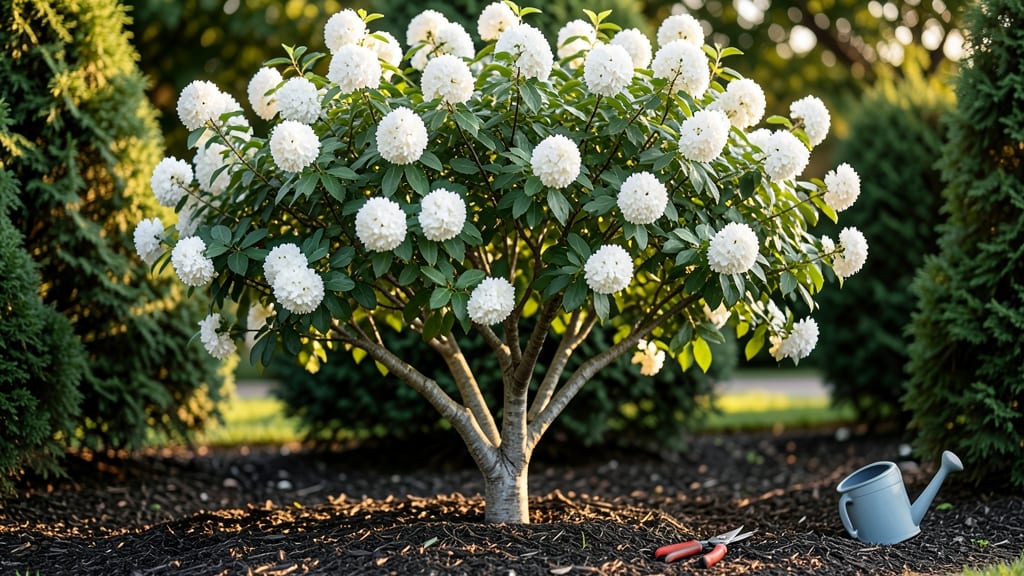
White crape myrtle trees (Lagerstroemia spp.) bring ethereal elegance to any landscape, with their fragrant blooms and graceful bark—though they thrive best in zones 6-9. I planted mine last spring, and the way their delicate white flowers cascade like snow in summer still takes my breath away.
The key to getting that same show-stopping display? Choosing cold-hardy varieties that handle your winter lows without flinching.
These trees aren’t just pretty—they’re tough. Varieties like 'Natchez' or 'Tonto' stand up to 20°F dips while still delivering 3-4 weeks of fragrant blooms each summer. They love full sun and well-draining soil, but won’t fuss if you’ve got average garden dirt.
Just avoid soggy spots, and they’ll reward you with smooth, exfoliating bark that adds winter interest too.
Once established, they’re low-maintenance darlings—prune just after flowering to keep them shaped, and water deeply once a week during dry spells. The payoff? A tree that smells like a summer evening, attracts pollinators, and looks stunning year-round. No wonder neighbors stop to admire mine every June.
Perfect for small yards, urban streets, or as a statement piece in larger gardens. Here’s how to pick the right variety, plant it right, and keep it thriving through every season.
📚 In This Guide
- What you need
- Instructions
- Tips and common mistakes
- Wrapping up and next steps
What you need
- ● Cold-hardy Crape Myrtle Trees: 1–3 Lagerstroemia varieties (e.g., ‘Natchez,’ ‘Tonto,’ or ‘Sioux’) – Choose white-blooming cultivars rated for your USDA hardiness zone (Zones 5–9).
- ● Young saplings (3–5 feet tall) or mature trees (for established landscapes).
- ● Planting Supplies: High-quality mulch (3–4 inches of pine bark or shredded wood chips).
- ● Slow-release fertilizer (10-10-10 or organic options like composted manure).
- ● Organic soil amendments (if needed): peat moss, perlite, or compost for poor soil.
- ● Tools: Shovel or d-handle transplant spade (for digging holes).
- ● Garden gloves (to protect your hands).
- ● Watering hose or can (with a gentle spray nozzle).
- ● Pruning shears (for shaping and maintenance).
- ● Tree Guards: Protective plastic tree wraps or hardware cloth to shield young trees from critters or winter damage.
- ● Drip Irrigation Kit: For consistent moisture (especially in hot climates).
- ● Slow-Release Granular Fertilizer: Apply in early spring for a year-round fragrance boost.
- ● Soil pH Test Kit: Ensure your soil is slightly acidic (pH 5.5–6.5) for optimal growth.
How to select and plant cold-hardy white crape myrtles
Here's how to choose the toughest white-blooming varieties and establish them for lasting beauty.
Choose the Right White-Blooming Variety
For cold-hardy white crape myrtles, focus on proven cultivars like 'Biloxi' (USDA Zones 6-9), 'White Cloud' (Zones 7-9), or 'Natchez' (Zones 6-9). These varieties handle winter temperatures down to -5°F without bud damage. Look for grafted trees at nurseries—they mature faster and show better cold resistance. I always check the bark color: healthy crape myrtles have smooth, gray-brown bark that peels slightly with age.
If you're in Zone 5 or colder, opt for 'Arapaho' or 'Centennial Spirit'—both tolerate -10°F and bloom reliably. These varieties also resist powdery mildew better than most white-flowering types. Avoid any tree labeled "multi-trunk" unless you're prepared for extra pruning—single-trunk varieties grow straighter and handle winter winds better.
Select the Perfect Planting Location
Crape myrtles need full sun (6+ hours daily) to produce abundant white blooms, but they also appreciate afternoon shade in hot climates. The soil should drain well—white crape myrtles rot easily if their roots sit in soggy ground. I dig a hole twice as wide as the root ball but only as deep as the container's root base. This encourages outward root growth, which helps stabilize the tree in wind and improves cold hardiness.
Plant in early spring or fall, when temperatures stay between 50-70°F. Avoid planting in summer heat or winter frost—both stress the tree and reduce its ability to establish roots before dormancy. If your soil is heavy clay, mix in 2-3 inches of compost into the bottom of the hole to improve drainage. Tap the tree gently to settle soil around roots, then water deeply until moisture reaches 12 inches down.
Water and Mulch for Winter Resilience
After planting, water twice weekly for the first month, then taper to once weekly once new growth appears. White crape myrtles need consistent moisture during their first growing season to develop strong root systems. You'll know they're getting enough water when the top 2 inches of soil stay slightly damp but not wet. Overwatering causes root rot, which is especially deadly in cold winters.
Apply 3 inches of mulch (wood chips or shredded bark) around the base, keeping it 6 inches away from the trunk. This mulch layer insulates roots in winter and retains moisture in summer. Replenish mulch annually in late winter before new growth begins. I also wrap young trees in tree guard during their first two winters to protect bark from rodent damage—this is a game-changer for survival in colder zones.
Prune for Cold Hardiness and Bloom Production
Prune white crape myrtles in late winter or early spring (February-March) before buds swell. Remove dead, crossing, or inward-growing branches first—these compete for energy and weaken the tree's cold resistance. I never "top" crape myrtles (cutting the top flat), as this creates weak growth and reduces winter hardiness. Instead, prune to maintain a natural vase shape, which helps snow slide off easily in winter storms.
After flowering, trim only to remove spent blooms and any branches growing toward the center. This encourages next year's flowers while keeping the tree's energy focused on root development. Avoid heavy pruning in fall—it stimulates new growth that won't harden off before winter. If you must prune in late summer, do so by mid-August to allow time for new growth to mature before cold weather arrives.
Tips & tricks for perfect cold-hardy white crape myrtles
Here's what I've learned after years of growing these resilient beauties—details that make all the difference between a tree that thrives and one that barely survives.
Variety Selection Matters: When choosing between 'Biloxi' or 'White Cloud', remember that 'Biloxi' handles -5°F beautifully but prefers slightly warmer zones (6-9), while 'Natchez' offers that same cold tolerance but with slightly larger blooms. For Zone 5 gardeners, 'Arapaho' is my top pick—it's the toughest of the bunch, handling -10°F without batting an eye. Confession: I skipped this level of specificity for years and wondered why some trees struggled while others thrived.
Planting Depth and Drainage: The hole should be twice as wide but only as deep as the root ball—this isn't just about aesthetics, it's about encouraging strong root growth outward rather than downward. In heavy clay soils, that 2-3 inches of compost mixed into the bottom isn't optional; it's crucial for preventing root rot in winter. I learned this the hard way after losing two young trees to soggy soil.
Watering Wisdom: Those first two weeks of twice-weekly watering are critical for establishing roots, but timing matters just as much as frequency. Water in the morning so the foliage has time to dry before evening—a damp tree overnight is an open invitation to fungal problems. And here's what nobody tells you: the top 2 inches of soil should feel like a wrung-out sponge, not a swamp.
Pruning Precision: The February-March window for pruning isn't just about timing—it's about letting the tree enter dormancy with clean branches. When you remove those dead or crossing branches, you're not just shaping the tree; you're directing its energy toward stronger growth. And that mid-August cutoff for late-summer pruning? It's not arbitrary—it gives new growth time to harden off before winter arrives.
Pro Tips for Crape Myrtle Trees White
- Here's what I've learned after years of growing these resilient beauties—details that make all the difference between a tree that thrives and one that barely survives.
- For Zone 5 gardeners, 'Arapaho' is my top pick—it's the toughest of the bunch, handling -10°F without batting an eye.
- Planting Depth and Drainage: The hole should be twice as wide but only as deep as the root ball—this isn't just about aesthetics, it's about encouraging strong root growth outward rather than downward.
Frequently asked questions
Got questions about keeping your crape myrtle trees white and thriving? Here are some common queries—and expert answers—to help you grow the best fragrant, frost-resistant varieties in your yard.
Why do some crape myrtles turn white or pale?
Crape myrtle trees naturally produce white blooms, but pale or washed-out foliage can signal stress. Overwatering, nutrient deficiencies (like iron or nitrogen), or fungal issues (like powdery mildew) often cause this. Check soil moisture and adjust care—healthy roots = vibrant green leaves!
Are there truly cold-hardy crape myrtles that stay white?
Yes! Varieties like ‘Biloxi’ (Zones 6–9) or ‘Yuma’ (Zones 7–9) thrive in cooler climates while blooming white. Look for USDA Zone 6+ labels—these hybrids resist winter dieback better than traditional types. Mulch heavily in fall for extra protection!
When is the best time to plant white crape myrtles for winter survival?
Plant in early spring or fall (4–6 weeks before frost) to give roots time to establish. Avoid late summer—hot soil stresses young trees. Amend soil with compost, and water deeply weekly until roots spread (usually 1–2 years). Pro tip: Water at the base, not leaves, to prevent fungal diseases.
Can I prune crape myrtles to encourage more white flowers?
Prune in late winter or early spring (before buds swell) to shape the tree and boost blooms. Remove dead wood and thin crowded branches, but avoid “crape murder”—never cut into old wood (trunk or large limbs). Light pruning after flowering keeps the tree healthy without sacrificing next year’s flowers.
What’s eating my crape myrtle’s leaves, and how do I stop it?
Common pests include aphids (sticky residue), Japanese beetles (skeletonized leaves), or scale insects (white bumps). Blast off aphids with water; handpick beetles or use neem oil. For scale, scrub with soapy water. Prevent tip: Attract ladybugs with companion plants like marigolds!
Wrapping up and next steps
Transforming your landscape with crape myrtle trees white isn’t just about beauty—it’s about creating a fragrant, resilient retreat that thrives year-round. From selecting cold-hardy varieties like ‘Acoma’ or ‘Tonto’ to mastering pruning and care, every step brings you closer to a stunning, low-maintenance garden. You’ve got this!
Ready to take the next step? Start by sketching your garden layout—place your crape myrtle where it’ll shine, then pick your favorite white-blooming variety to order. Watch your outdoor space bloom with effortless elegance! 🌸✨