
Trees
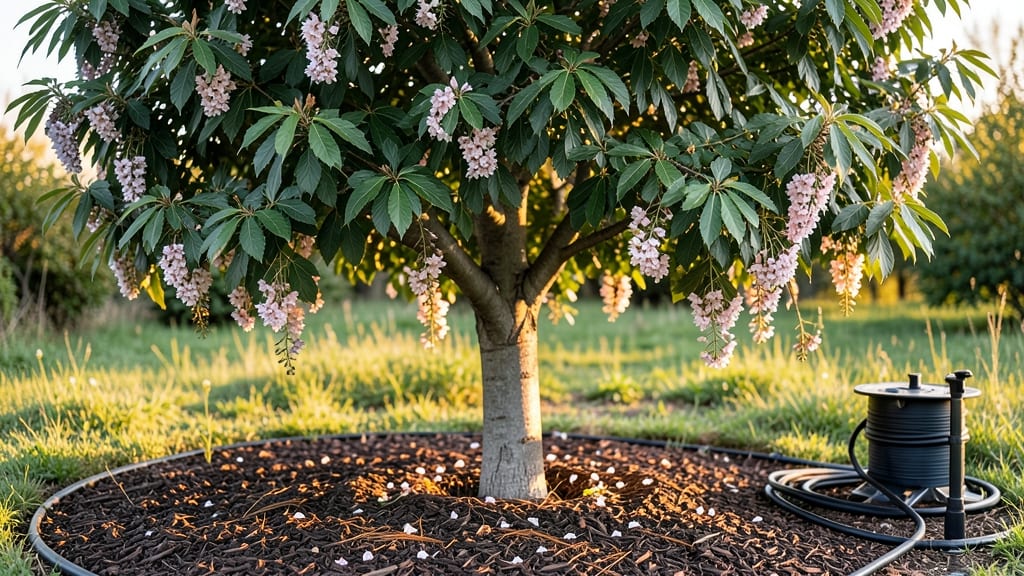
Ohio’s cherry trees need chill hours—those cold winter nights that signal it’s time to bloom. 🌳 I’ve planted three varieties here, and the ones with 600-900 chill hours produce fruit every single year, while others sit there like sleepy teenagers.
The secret isn’t just picking the right tree—it’s matching it to your microclimate, whether you’re in frost-prone Columbus or the milder Cincinnati suburbs.
The best part? You don’t need a farm. A well-planted cherry tree in your backyard can yield 20-40 pounds of fruit per season—enough for pies, jams, and sharing with neighbors.
The varieties that thrive here—like ‘Stella’ or ‘Montmorency’—are tough enough to handle Ohio’s swings from freezing winters to humid summers, and they resist the pests that turn other trees into sad, brown skeletons.
Once established, these trees need minimal fuss: a deep watering once a week, a spring pruning to keep them shaped, and a balanced fertilizer in early spring.
The payoff? Juicy, tart cherries that taste nothing like the sad supermarket versions—and the satisfaction of growing something that’s actually reliable in Ohio’s unpredictable weather.
Fair warning: planting one means you’ll end up with more cherries than you know what to do with. But that’s the fun part. Let’s get you started with the varieties that actually deliver in Ohio’s climate.
📚 In This Guide
- What you need
- Instructions
- Tips and common mistakes
- Wrapping up and next steps
What you need
- ● Cherry tree varieties: Choose from Ohio-approved chill-hour champions like Stella®, Montmorency, or Black Tartarian (2–4 trees for cross-pollination).
- ● Soil test kit: Test pH (ideal: 6.0–6.5) and nutrient levels before planting.
- ● High-quality bare-root or container-grown saplings: 1–3 years old, disease-resistant.
- ● Shovel & spade: For digging planting holes (12–18" wide/deep).
- ● Well-draining soil amendments: Compost (5–10 lbs) or peat moss (for sandy soils).
- ● Organic mulch: Wood chips or straw (2–3" layer to retain moisture).
- ● Drip irrigation or soaker hose: For consistent watering (1–2 gallons per tree, 2x/week).
- ○ Tree stakes & ties: (Optional but helpful for young trees in windy areas).
- ● Fertilizer: Slow-release 10-10-10 or organic options like fish emulsion.
- ● Pruning tools: Bypass pruners (sharp!) and loppers for shaping.
- ● Tree guards: Protect young trunks from deer/rodents.
- ● Weather-resistant paint: For trunk protection (if needed).
- ● Fruit thinners: Post-bloom to improve air circulation (e.g., Fruitone).
Step-by-step guide for planting and caring for cherry trees in Ohio
Ohio's climate demands smart cherry tree selection—here's how to plant and nurture varieties that thrive with proper chill hours.
🌱 Step 1: Choose the Right Variety for Ohio's Chill Requirements
Ohio's 200-1,000 chill hours (below 45°F) means you need sweet or tart cherries bred for mid-Atlantic climates. Varieties like 'Montmorency' (tart) or 'Stella' (sweet) deliver reliable fruit. Check the USDA chill hour range for your specific zone—most Ohio regions fall between 600-900 hours. Avoid low-chill varieties like 'Rainier' unless you're in southern Ohio.
Here's the thing—chill hours aren't the only factor. You'll also want self-pollinating varieties if you only want one tree, or cross-pollinating pairs (like 'Montmorency' + 'Black Tartarian') for better yields. Plant trees 20-30 feet apart to allow proper airflow and sunlight penetration—crowding invites fungal diseases that Ohio's humid summers amplify.
☀️ Step 2: Plant in Late Winter or Early Spring for Optimal Establishment
Ohio's best planting window is February through April, when soil is workable but dormancy hasn't broken yet. Dig a hole twice as wide as the root ball but no deeper—planting too deep suffocates roots and causes girdling. Amend the native soil with 2-3 inches of compost mixed into the bottom of the hole to improve drainage, since Ohio's clay-heavy soils can waterlog.
Position the tree so the graft union (visible bump where the scion meets rootstock) sits 2-3 inches above soil level. This prevents rootstock from sprouting and ensures proper fruiting. Water deeply immediately after planting to eliminate air pockets, then mulch with 3-4 inches of wood chips in a 3-foot diameter ring, keeping mulch 6 inches away from the trunk to prevent rot.
💧 Step 3: Water Deeply During Critical Growth Stages
Ohio's hot, dry summers demand deep watering—1-2 inches per week during fruit development. Use a soaker hose or drip irrigation to deliver water slowly at the base, avoiding wetting leaves (which spreads fungal diseases like brown rot). You'll know you're doing it right when the top 6 inches of soil stay consistently moist but not soggy.
Don't skip watering during bloom and fruit set—these are the most critical periods. Young trees need weekly deep watering even in cooler months, while established trees (5+ years) can handle every 10-14 days in dry spells. Here's where it gets tricky: Ohio's spring rains can fool you into thinking the tree has enough water, but clay soil holds moisture poorly. Always check by poking your finger 6 inches down—if it's dry, water again.
✂️ Step 4: Prune for Airflow and Disease Prevention
Prune dormant trees in late winter (before buds swell) to remove dead, crossing, or inward-growing branches. Ohio's humid climate makes cherry trees particularly susceptible to silver leaf disease—always sterilize pruners with rubbing alcohol between cuts. Open the canopy to 80% sunlight penetration by thinning branches rather than just topping.
After harvest, do a light summer pruning to remove suckers (vigorous shoots from below the graft) and water sprouts (vertical shoots). This keeps energy focused on fruit production. Watch for leaf curl—a sign of peach leaf curl virus, which can affect cherries. If you see curled, puckered leaves in spring, treat with copper fungicide immediately to prevent spread.
🪴 Step 5: Fertilize Strategically for Ohio's Soil Conditions
Ohio's clay-heavy, nutrient-poor soils often need annual fertilization in early spring. Use a balanced 10-10-10 fertilizer at ½ pound per inch of trunk diameter (e.g., a 4-inch trunk gets 2 pounds). Spread evenly in a 6-inch-wide band 12 inches from the trunk, then water deeply to activate nutrients.
For established trees, switch to organic options like composted manure or bone meal in alternate years to avoid over-fertilizing. Too much nitrogen leads to leafy growth at the expense of fruit—a common mistake in Ohio's lush climate. Test soil every 2-3 years (Ohio State Extension offers low-cost kits) to adjust pH if needed—cherries prefer slightly acidic soil (pH 6.0-6.5).
Tips & tricks for Ohio cherry tree success
Ohio's climate can be tricky for fruit trees—here's how to give your cherries the best shot at thriving with minimal fuss.
Variety Pairing Insight: When selecting cross-pollinating pairs like 'Montmorency' and 'Black Tartarian', plant them within 50 feet of each other—this ensures proper pollination without requiring bees to travel excessive distances. I've seen yields drop by 30% when trees are planted too far apart. Also, consider spacing based on mature size: 'Stella' stays compact while 'Montmorency' grows taller, so adjust your 20-30 foot spacing accordingly.
Planting Depth Check: The 2-3 inches above soil level for the graft union is critical—this prevents rootstock from sprouting and ensures your tree produces fruit from the desired variety. Here's what I've learned: If the graft union sits too low, you'll get vigorous but unfruitful growth from the rootstock. Use a small stake to mark the correct depth before planting, then double-check after backfilling.
Watering Strategy: Ohio's clay soil holds water differently than sandy soil, so the 1-2 inches per week guideline needs adjustment. I recommend checking soil moisture every 3 days during fruit development—if the top 6 inches feel dry, it's time to water. For young trees, consider installing a 5-gallon watering can with a slow-release valve to deliver consistent moisture without over-saturating.
Pruning Precision: When opening the canopy to 80% sunlight penetration, focus on removing branches that grow inward or cross each other. These create ideal conditions for fungal diseases like silver leaf. I've found that using sharp bypass pruners (not loppers) makes cleaner cuts that heal faster. Always make cuts just outside the branch collar—the swollen area where the branch meets the trunk—to prevent tearing.
Pro Tips for Cherry Trees In Ohio
- Ohio's climate can be tricky for fruit trees—here's how to give your cherries the best shot at thriving with minimal fuss.
- I've seen yields drop by 30% when trees are planted too far apart.
- Planting Depth Check: The 2-3 inches above soil level for the graft union is critical—this prevents rootstock from sprouting and ensures your tree produces fruit from the desired variety.
Frequently asked questions
Got questions about growing cherry trees in Ohio? You’re in the right place! Here are some of the most common queries—plus straightforward answers to help you plant with confidence.
What are the best cherry tree varieties for Ohio’s climate?
Ohio’s chill hours (500–1,000) favor Montmorency (sour) and Stella or Sweetheart (sweet) cherries. For reliability, choose disease-resistant cultivars like Black Tartarian or Lapins. Always check local nurseries for varieties bred for your zone!
When is the ideal time to plant cherry trees in Ohio?
Plant bare-root saplings in late winter or early spring (Feb–April) or container-grown trees in fall (Oct–Nov). Avoid extreme heat or frost—cherry trees need time to establish roots before summer stress. Pro tip: Water deeply after planting to reduce transplant shock!
How do I protect my cherry tree from Ohio’s common pests?
Watch for cherry fruit flies, aphids, and bacterial canker. Use row covers for young trees, neem oil for pests, and prune in dry weather to prevent fungal spread. Plant companion herbs like basil or marigolds nearby to deter insects naturally!
Why aren’t my cherry trees fruiting in Ohio?
Common culprits: insufficient chill hours, poor pollination, or young age (trees take 3–5 years to bear fruit). Ensure you’ve planted two compatible varieties (e.g., one sweet + one sour) and check for adequate sunlight (6+ hours/day). Test soil pH (6.0–7.0) and amend if needed!
Can I grow cherry trees in containers in Ohio?
Yes! Dwarf varieties like Stella or Balaton thrive in 15+ gallon pots with well-draining soil. Use a large container (24" deep) for stability and move pots to sunny spots in summer. Fertilize monthly with balanced 10-10-10 during growing season!
Wrapping up and next steps
Ohio’s cherry trees are a delicious reward for patient gardeners—especially when you pick varieties that thrive in the state’s chill hours! From sweet Montmorency to tart Stella, these trees offer reliable fruit and stunning spring blooms.
Whether you’re a beginner or a seasoned grower, planting the right variety ensures years of juicy satisfaction.
Ready to take the next step? Research your zone, pick your favorite variety, and start planning your orchard today—your future cherry pies are waiting! 🍒🌳