
Pruning
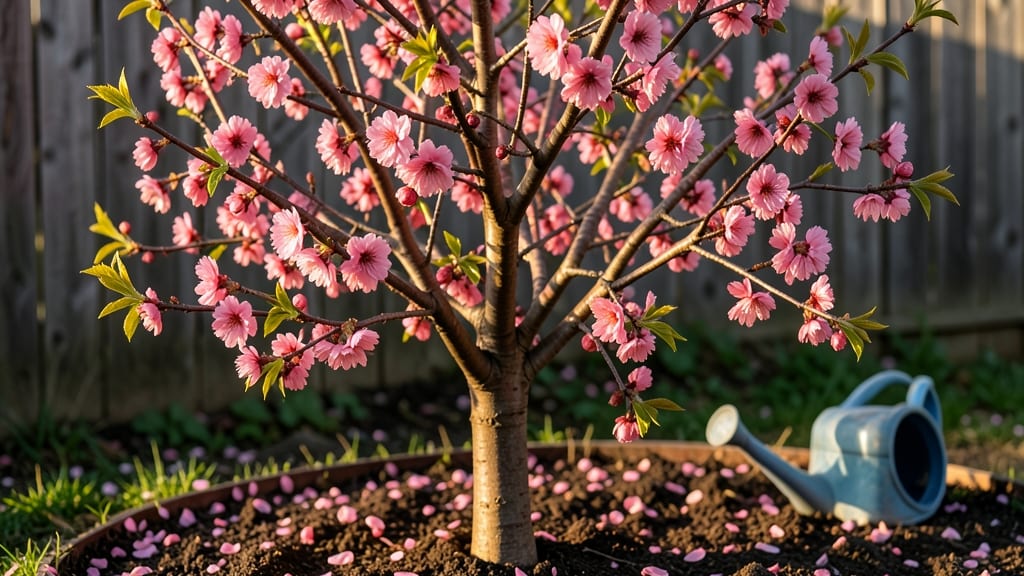
The Bonfire flowering peach tree transforms your yard into a fragrant springtime paradise with its stunning pink blossoms and occasional sweet fruit. 🌸 I’ve watched mine go from a struggling sapling to a showstopper—thanks to a few key pruning secrets that keep it blooming like crazy year after year.
The secret isn’t complicated: it’s about timing, cuts, and letting light reach every branch.
This tree thrives in full sun and well-draining soil, but its real magic happens when you prune it right—three simple steps that boost blooms and fruit. You’ll need basic pruning tools, a sunny spot, and about 30 minutes in late winter or early spring.
The payoff? A tree that’s disease-resistant, packed with fragrance, and still produces fruit even in cooler climates.
After pruning, you’ll see new growth within weeks, with blooms arriving earlier and lasting longer. The tree’s glossy green leaves add summer color, while its peaches (yes, they’re edible!) ripen in late summer. It’s the kind of tree that makes neighbors stop and stare—and ask for cuttings.
Works beautifully in USDA zones 5-9, though colder climates need winter protection. Whether you’re a pruning newbie or a seasoned gardener, these steps make it foolproof. Let’s get those branches shaped for maximum beauty and bounty!
📚 In This Guide
- What you need
- Instructions
- Tips and common mistakes
- Wrapping up and next steps
What you need
- ● Pruning shears: Sharp, bypass-style shears (1 pair) for clean cuts on branches up to ½ inch thick.
- ● Loppers: Heavy-duty loppers (1 pair) for branches ½ to 1½ inches thick.
- ● Pruning saw: Curved-tooth saw (1) for thicker branches (1½+ inches).
- ● Disinfectant: 70% isopropyl alcohol or pruning sealant (small bottle) to sterilize tools between cuts.
- ● Garden gloves: Cut-resistant gloves (1 pair) to protect your hands.
- ● Trash bag or bucket: For collecting pruned branches (1 large bag or bucket).
- ○ Marking twine or flags: (Optional) To tag branches for future reference.
- ● Timing: Prune in late winter or early spring (before buds swell) or summer (after fruiting). Avoid pruning during frost or extreme heat.
- ● Weather: Choose a dry, overcast day to minimize stress on the tree.
- ● Tree health check: Inspect the tree for diseased or dead branches before starting. Remove these first!
- ○ Safety gear: Safety glasses (optional but recommended) if working near overhead branches.
Step-by-Step pruning for your Bonfire flowering peach tree
Here's how I keep my flowering peach tree blooming beautifully while producing fruit—simple cuts make all the difference.
✂️ Step 1: Late Winter Dormant Pruning (Before Bud Break)
Start by removing dead, diseased, or crossing branches first. These are easy to spot—they're brown, brittle, or rubbing against other limbs. Use sharp pruning shears to make clean cuts just outside the branch collar, where the branch meets the trunk. This prevents unsightly stubs and encourages faster healing.
Next, thin out the center of the tree to improve airflow. Aim to remove about 20-30% of the total branches. You'll know you're doing it right when sunlight can reach the inner branches. Avoid cutting more than ¼ of the tree's canopy in one season—this can stress the tree and reduce flowering.
Here's the thing—this is the most critical step. If you skip it, your tree will grow crowded branches that block light and reduce bloom quality. I always prune on a dry day when the tree is fully dormant, usually in late February or early March in my zone 7 climate.
🌿 Step 2: Post-Bloom Summer Pruning (After Fruit Sets)
Wait until after your peach tree has finished blooming and fruit has formed before making any cuts. Look for suckers growing from the base—these are vigorous shoots that drain energy from your main tree. Remove them completely at the ground level. I also trim back any branches that grew too vigorously during spring, cutting them back to a healthy bud or lateral branch.
This is when you shape the tree's future growth. Focus on maintaining an open center with branches spaced 8-12 inches apart. You'll see new growth starting at the tips of branches after this pruning—this is your signal that the tree is responding well. Avoid heavy pruning now, as it can reduce next year's bloom potential.
Real talk: I used to over-prune in summer and noticed fewer flowers the next spring. Now I keep cuts minimal—just enough to maintain shape and remove problem branches. Water the tree well after pruning to help it recover.
⏰ Step 3: Light Fall Cleanup (Before Dormancy)
In late fall, do a final walkthrough to remove any weak, dying, or diseased branches that may have appeared during the growing season. This prevents pests and diseases from overwintering in the tree. Look for branches with yellowing leaves or cankers—these need immediate removal.
Thin out some of the smaller branches that grew during the season to maintain the tree's shape. You want to leave about ⅓ of the new growth
This is the moment that matters: don't skip this step. A clean tree going into winter means fewer pests and stronger growth come spring. I always do this pruning after the first frost but before temperatures drop below 40°F—typically in November in my area.
Tips & tricks for perfect pruning of your flowering peach tree
Took me years to figure out these pruning secrets—your tree will thank you for these simple adjustments.
Tool Prep: Always sanitize your pruning shears with rubbing alcohol between cuts to prevent spreading disease. I keep a small bottle in my tool belt—it takes just seconds and makes all the difference in keeping your tree healthy. The sharpness of your blades matters too; dull shears tear branches, creating larger wounds that heal poorly. Test your blades on a scrap piece of wood before starting.
Visual Cues for Step 1: In late winter when you're thinning the center, look for branches where you can see light through the canopy. That's your target area—sunlight reaching the inner branches creates more blooms. I mark these branches with a piece of twine before cutting to avoid over-thinning. Also, avoid cutting more than ¼ of the canopy in one season; your tree needs that foliage to photosynthesize and support next year's fruit.
Summer Pruning Insight: When you're shaping in Step 2, focus on keeping the strongest branches. Look for ones with the most vigorous growth and remove the weaker competitors. I always cut back to an outward-facing bud to encourage new growth in the right direction. This creates an open vase shape that lets sunlight reach all parts of the tree—critical for those stunning spring blooms.
Fall Cleanup Strategy: Before the 40°F mark in November, do one final sweep for branches with signs of stress. Look for branches with dieback (dead wood at the tip) or those growing straight up—these rarely produce fruit or flowers. Removing them now prevents energy drain during dormancy. I also seal larger cuts with pruning sealant to protect against winter pests.
Pro Tips for Bonfire Flowering Peach Tree
- Took me years to figure out these pruning secrets—your tree will thank you for these simple adjustments.
- Tool Prep: Always sanitize your pruning shears with rubbing alcohol between cuts to prevent spreading disease.
- Visual Cues for Step 1: In late winter when you're thinning the center, look for branches where you can see light through the canopy.
Frequently asked questions
When is the best time to prune a Bonfire flowering peach tree?
The ideal time to prune is late winter or early spring, just before new growth begins (around February–March in most U.S. zones). Avoid pruning in fall or during bloom season, as this can stress the tree or reduce flowers. For light maintenance (removing dead branches), you can prune anytime—but never during heavy fruit set.
Will pruning my Bonfire peach tree affect its fruit production?
Pruning correctly actually boosts fruit production by improving airflow and sunlight exposure. However, over-pruning (removing >25% of branches in one session) can reduce blooms and fruit. Focus on opening the canopy and removing dead/diseased wood to maximize yields. The Bonfire variety is self-pollinating, so proper pruning ensures more fruit and better quality.
How do I protect my peach tree from frost after pruning?
Bonfire peach trees are semi-dwarf but still vulnerable to late frosts. After pruning, apply a light frost cloth or row cover to young trees if frost is forecast. Avoid heavy mulch near the trunk (keep 3–4 inches away) to prevent rot. Water deeply before winter to help roots withstand cold. Pro tip: Prune 2–3 weeks before the last expected frost for recovery time.
Can I grow a Bonfire flowering peach tree in a container?
Yes! Choose a large pot (15+ gallons) with drainage holes and use well-draining soil. Dwarf varieties like Bonfire adapt well to containers but need regular pruning to control size. Move pots to a sunny spot (6+ hours of light) and water consistently—containers dry out faster. Repot every 2–3 years and fertilize monthly during growing season for best results.
What should I do if my peach tree leaves turn yellow or drop after pruning?
Yellowing leaves (chlorosis) often signal nutrient deficiency (common after heavy pruning) or overwatering. Check soil moisture—peach trees hate soggy roots. Apply a balanced fertilizer (10-10-10) in spring and ensure the tree gets full sun (6+ hours/day). If pests (like aphids) are present, treat with neem oil. Wait 4–6 weeks after pruning before fertilizing to avoid burning new growth.
Wrapping up and next steps
Your Bonfire Flowering Peach Tree is now primed for stunning blooms and delicious fruit year after year! By mastering these three simple pruning steps—cleaning, shaping, and thinning—you’re not just maintaining a tree; you’re nurturing a thriving centerpiece for your garden. 🌸✂️
Ready to see your hard work bloom? Grab your pruners and schedule your next session—whether it’s a light trim in early spring or a deeper cut before winter. Every snip brings you closer to that perfect balance of beauty and bounty!