
Pruning
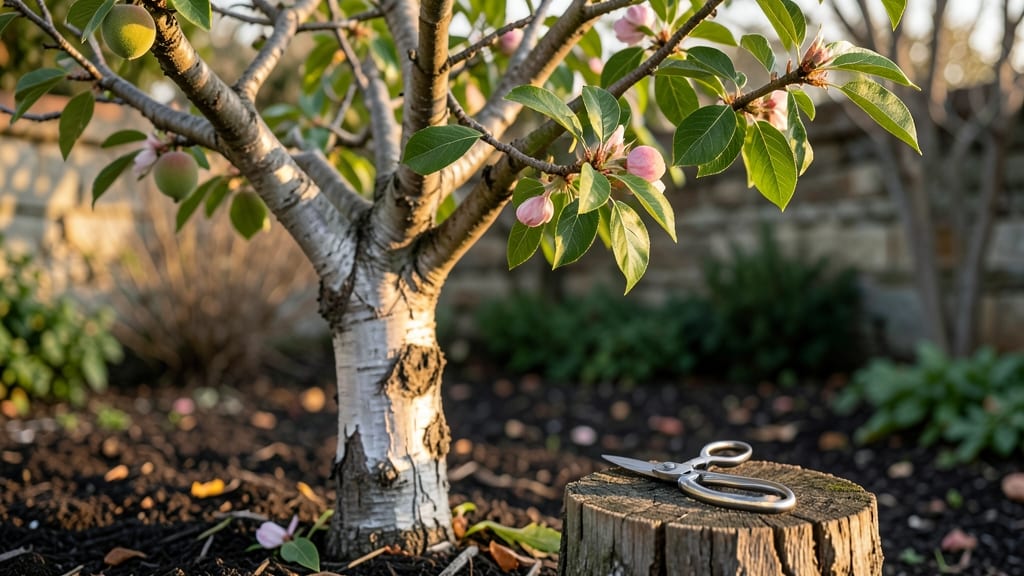
Trimming peach trees at the right time transforms a chaotic tangle into a high-yielding fruit machine—and the best window is late winter or early spring, just before buds swell. I learned this the hard way after pruning too late and losing half my harvest to weak branches.
The key? Clean cuts when the tree is dormant but before sap starts flowing, giving it a head start on new growth.
You’ll need sharp pruners, a ladder (for taller trees), and a clear day to see the branches. Focus on removing dead, crossing, or inward-growing limbs first—these steal energy from fruit production. Open the center of the tree for better airflow, which cuts down on fungal diseases that plague peach trees.
Think of it like giving your tree a spa day: less stress, more fruit.
By summer’s end, you’ll notice thicker branches and fewer crowded spots where pests hide. The tree directs its energy into plump, juicy peaches instead of fighting for light. Just avoid pruning after harvest unless you’re fixing storm damage—new cuts heal slower in warm weather and invite disease.
In warmer climates, you might trim lightly after harvest to shape the tree, but never in fall—that’s when peach trees are most vulnerable to bacterial canker. Stick to the dormant season, and your tree will reward you with bountiful crops for years. Ready to sharpen those pruners?
📚 In This Guide
- What you need
- Instructions
- Tips and common mistakes
- Wrapping up and next steps
What you need
- ● Pruning shears: Sharp, bypass-style shears (4–6 inches) for small branches.
- ● Loppers: Heavy-duty loppers (8–10 inches) for thicker branches (½–1½ inches).
- ● Pruning saw: A curved-tooth saw for branches larger than 1½ inches.
- ● Gloves: Sturdy, cut-resistant gloves to protect your hands.
- ● Disinfectant: Rubbing alcohol (70% or higher) or a commercial pruning sealant to sterilize tools between cuts.
- ○ Rope or extension pole: For reaching high branches (optional but helpful for tall trees).
- ● Pruning paint: To seal large cuts (over ½ inch) and prevent disease entry.
- ● Work boots or sturdy shoes: For stability on uneven ground.
- ● Safety glasses: To shield your eyes from debris.
- ● Ladder: If your tree is over 8–10 feet tall (use with caution!).
- ● Trash bags: For collecting pruned branches and debris.
Step-by-Step guide to trimming peach trees for better fruit production
Here's the method I've used for years to keep peach trees healthy and productive.
✂️ Step 1: Time Your Pruning for Dormant Season
Trim your peach trees during their dormant phase, which runs from late fall through early spring before buds swell. In most climates, this means pruning between late November and February. The exact timing depends on your region—wait until the tree has fully dropped its leaves but before new growth begins. Cold temperatures help prevent disease spread, so avoid pruning when wet or warm conditions arrive.
If you miss the dormant window, you can do light pruning in summer to remove only diseased or crossing branches. But for major shaping and fruit production benefits, dormant season is critical. Watch for buds beginning to plump up—that's your signal to stop pruning.
✂️ Step 2: Remove Dead, Diseased, and Crossing Branches First
Start by eliminating any branches that are dead, diseased, or broken—these are the first priorities. Look for branches with no leaves, dark spots, or oozing sap. Cut these back to healthy wood using clean, sharp pruners. Next, remove crossing branches where limbs rub against each other, as this creates wounds that invite infection. I always make these cuts just outside the branch collar where it meets the trunk.
For diseased branches, sterilize your pruners between cuts with rubbing alcohol to prevent spreading pathogens. You'll notice the tree's structure becomes clearer as you remove these problem branches. This step alone improves airflow and sunlight penetration, which directly boosts fruit quality.
✂️ Step 3: Shape the Tree for Optimal Light and Airflow
Use an open-center or modified central leader form to shape your peach tree. This means keeping the main trunk dominant while developing a few strong scaffold branches that spread outward. Remove any branches growing inward toward the center of the tree, as these create shade and reduce fruit production. Aim for a vase-like shape with branches spaced 8-12 inches apart along the trunk.
For young trees, focus on establishing a strong framework. For mature trees, thin out some of the older branches to encourage new growth. You'll know you're doing it right when you can see light reaching all parts of the canopy. This isn't about making the tree look perfect—it's about creating space for fruit to develop properly.
✂️ Step 4: Thin Out Excessive Growth and Water Sprouts
Look for water sprouts—those fast-growing, vertical shoots that appear along the trunk and branches. These compete with fruit production and should be removed entirely. Cut them back to their point of origin. Also, thin out any crowded branches to improve air circulation. You're aiming for a balance where each branch has enough space to develop fruit without overcrowding.
For each branch you keep, look for clusters of buds. You want to maintain about 3-5 buds per foot of branch length for optimal fruiting. This might mean shortening some branches by up to one-third. Remember, peach trees fruit on both old and new wood, so don't remove too much at once.
⏰ Step 5: Clean Up and Monitor for New Growth
After pruning, collect and dispose of all debris from the tree. This prevents disease from overwintering in fallen leaves and branches. Sterilize your pruning tools with a bleach solution (1 part bleach to 9 parts water) to kill any lingering pathogens. Once you've finished, give the tree a good watering to help it recover from the stress of pruning.
Watch for new growth in early spring—this is your sign that the tree is responding well. Within a few weeks, you should see buds swelling and small leaves beginning to form. If you notice any unusual dieback or discoloration, that could signal disease or pest issues that need addressing immediately.
Tips & tricks for perfect peach tree trimming
These insights will help you trim your peach trees like a seasoned orchardist, ensuring healthier growth and bigger harvests.
Timing is Everything: The dormant season window between late November and February is your golden opportunity. I learned this the hard way after pruning too early in December—buds had already started swelling, and I ended up with stunted growth. Always check for fully dormant trees (no leaves, no bud swelling) before you start. If you're in a warmer climate, aim for late winter when temperatures consistently stay below freezing at night.
Tool Prep Matters: Sterilizing your pruners between cuts is non-negotiable when dealing with diseased branches. I keep a small bottle of rubbing alcohol handy and wipe down blades after every third cut, especially when working with infected wood. For larger branches, I use a pruning saw with a sterilized blade—this prevents cross-contamination that can spread fungal infections throughout your tree.
Visual Cues for Proper Pruning: When shaping your tree in Step 3, look for the "branch collar" where limbs meet the trunk—this is the natural swelling you should cut just outside of. Think of it like making a clean surgical cut rather than leaving stubs. For bud counting in Step 4, hold a tape measure along each branch and count clusters of 3-5 buds per foot—this ensures you're not over-thinning while maintaining fruit production potential.
Post-Pruning Care: After cleaning up debris, I always give the tree a deep watering to help it recover from the stress of pruning. This is particularly important in dry climates where trees may already be water-stressed. Watch for new growth in early spring—this is your confirmation that the tree is responding well. If you don't see buds swelling within 3-4 weeks, it might indicate you removed too much growth during pruning.
Pro Tips for How And When To Trim Peach Trees
- These insights will help you trim your peach trees like a seasoned orchardist, ensuring healthier growth and bigger harvests.
- Timing is Everything: The dormant season window between late November and February is your golden opportunity.
- Tool Prep Matters: Sterilizing your pruners between cuts is non-negotiable when dealing with diseased branches.
Frequently asked questions
Got questions about pruning peach trees? You’re not alone! Here are answers to the most common concerns—so you can trim with confidence and keep your tree thriving.
When is the best time to trim a peach tree if I missed dormant season?
If you missed the ideal late winter/early spring (dormant season) window, trim immediately after harvest—but avoid heavy pruning. Light shaping or deadwood removal is safe in summer, but wait until fall for major cuts to prevent disease risks. Never prune during active growth (spring/summer) unless removing damaged branches.
Can I trim peach trees in summer to encourage more fruit?
Summer pruning is tricky! Lightly thin out water sprouts or shaded branches after harvest, but avoid heavy cuts—it stresses the tree. Focus on removing suckers (shoots at the base) and dead/diseased wood. Save major pruning for dormant season to maximize next year’s fruit production.
What should I do if my peach tree bleeds sap after pruning?
Sap bleeding (or "weeping") is normal for peach trees in early spring—it won’t harm the tree. To minimize mess, prune on dry, cool days (not warm ones). Avoid sealing cuts with paint or pruning sealant (it traps moisture and invites disease). Let the wounds heal naturally in 2–4 weeks.
How much can I cut back a young peach tree in its first year?
Young peach trees need minimal pruning—focus on removing dead, crossing, or weak branches (no more than 10–15% of the tree). Avoid heavy cuts; peaches thrive with an open-center shape (like a vase). Let the tree establish its structure naturally—major pruning comes in years 2–3.
Will trimming my peach tree reduce next year’s fruit yield?
Done correctly, pruning increases fruit quality and yield! Proper trimming improves airflow and sunlight, reducing disease and encouraging larger, sweeter peaches. However, over-pruning (cutting >25% of foliage) can stress the tree and lower production. Stick to 15–20% removal annually for best results.
Wrapping up and next steps
Trimming your peach trees during the dormant season is the secret to healthier growth and bountiful harvests—just remember to cut at the right angles, remove dead wood, and open the canopy for sunlight.
With the right tools and timing, you’ll set your trees up for success in no time! 🌳✂️
Ready to transform your orchard? Grab your pruners, mark your calendar for late winter, and get pruning—your future peach pies will thank you! 🍑🎉