
Pruning
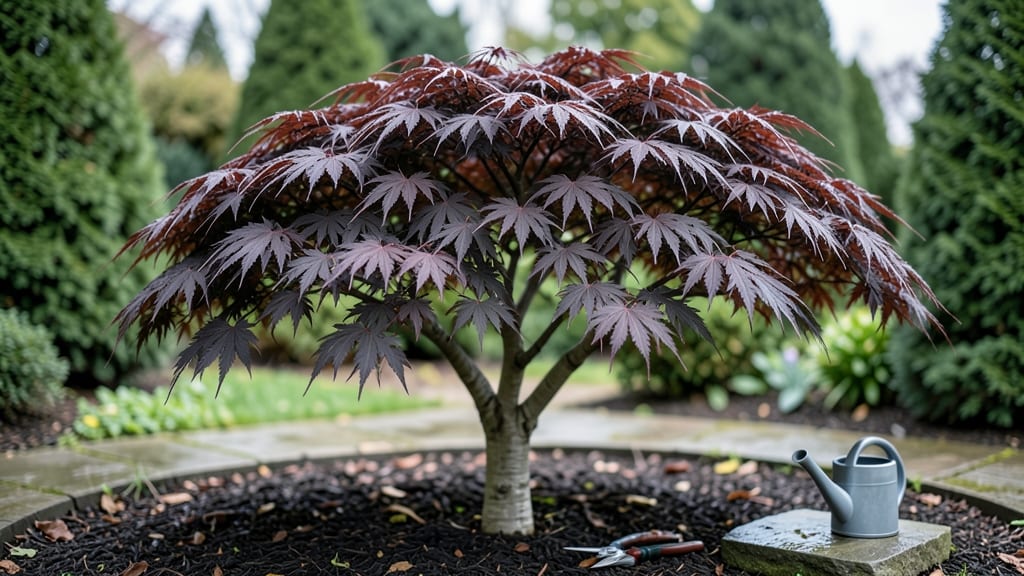
The black Japanese maple tree transforms any garden into a living art piece with its velvety dark leaves and graceful branches. 🌿 I’ve watched mine go from a struggling sapling to the centerpiece of my yard, and the secret lies in understanding its delicate nature—especially when it comes to pruning.
This isn’t just about trimming; it’s about shaping its future growth while preserving that signature deep purple-black foliage.
Most people overlook the soil and light needs, but this tree thrives in partial shade and well-draining, slightly acidic soil. My first mistake? Planting it in full sun—now it’s happy under the dappled light of a mature oak, where its leaves stay rich and glossy year-round.
The pruning itself is simple once you learn the right cuts, but timing matters: late winter or early spring is ideal for shaping, while summer pruning keeps it tidy without stressing the tree.
What you’ll end up with is a tree that looks stunning in every season—spring’s delicate pink blossoms, summer’s deep foliage, and autumn’s fiery red hues. Even in winter, its silhouette adds structure to the garden.
The key is patience: these trees grow slowly but reward you with decades of beauty if you nurture them properly.
Whether you’re starting with a bare-root sapling or pruning an established tree, the principles stay the same. Let’s dive into how to keep yours thriving for years to come—without sacrificing that dramatic, almost-black foliage that makes it so special.
📚 In This Guide
- What you need
- Instructions
- Tips and common mistakes
- Wrapping up and next steps
What you need
- ● Pruning shears – Bypass pruners (sharp, clean, and 10-12 inches long for precision cuts).
- ● Loppers – For thicker branches (1-2 inches in diameter)—look for bypass-style with a 10-15 foot reach.
- ● Hand saw – Pruning saw with a curved blade for stubborn, larger branches (2+ inches thick).
- ● Disposable gloves – Nitrile or leather to protect against thorns and sap.
- ● Rubbing alcohol (70%+) – 1 small bottle for sterilizing tools between cuts.
- ○ Sealer (optional but recommended) – Pruning sealant (like Tanglefoot Tree Wound Pruning Seal) for cuts larger than ½ inch.
- ● Ladder or step stool – Sturdy, extendable (if your tree is taller than 6 feet).
- ● Trash bags – 2-3 heavy-duty bags for debris cleanup.
- ● Sharpener – Stone or file to keep blades razor-sharp mid-pruning.
- ● Tree paint – For sealing cuts on older trees (if sealant isn’t used).
- ● Extension pole – For high branches (attaches to loppers/saws).
- ● Notebook & pen – To sketch a pruning plan before you start!
- ● Water spray bottle – Small for rinsing tools between cuts.
Step-by-step guide to pruning your black Japanese maple
Here's how to keep your tree thriving with seasonal cuts that highlight its stunning foliage.
✂️ Step 1: Assess and Plan Your First Pruning in Late Winter
Wait until mid-to-late February when the tree is fully dormant. Look for dead, crossing, or weak branches—these are your first targets. I always start with a visual scan from 5 feet back to spot issues I'd miss up close.
Use clean, sharp pruning shears to make cuts just outside the branch collar (the swollen area where the branch meets the trunk). Avoid leaving stubs—this invites disease. For branches thicker than ½ inch, use loppers instead. Mark each cut with a small flag if you're unsure about the final look.
Here's the thing—black Japanese maples are naturally graceful, so remove only what's truly necessary. You'll see fresh, vibrant growth emerge in spring once you've cleared the clutter.
☀️ Step 2: Light Structural Pruning in Early Spring
Time this for March or early April, right as new leaves begin to swell but before they fully unfurl. Focus on shaping the canopy by thinning out crowded branches to improve airflow. I aim for an open, vase-like shape that lets light penetrate to the center.
Never remove more than 25% of the foliage in one session. Use your shears to make angled cuts just above an outward-facing bud. For larger branches, make a second cut 6 inches further out to avoid tearing the bark. You'll know you've done it right when the tree's silhouette looks balanced from all sides.
This is the moment that matters: proper spring pruning sets the stage for summer's lush foliage. If you see water sprouts (thin, upright shoots), remove them immediately—they drain energy from your tree's stunning foliage.
🌿 Step 3: Summer Maintenance Pruning (Mid-to-Late Season)
Perform light maintenance in June or July after the tree has established its summer growth. Focus on removing any suckers that appear at the base and any branches that rub against each other. I carry a small pair of hand pruners in my gardening bag for quick touch-ups.
For any damaged leaves, simply pinch them off at the base rather than cutting branches. The goal here is minimal intervention—just enough to keep the tree looking its best. You'll notice the tree's vibrant color intensifies as summer progresses, especially when pruned correctly.
Real talk: black Japanese maples are forgiving, but don't let summer pruning exceed 10% of the canopy. Heavy summer cuts stress the tree and can lead to weak fall color. Think of this as a quick grooming session rather than a major overhaul.
⏰ Step 4: Final Pruning in Early Fall
Schedule your last pruning for October, after the leaves have changed color but before the first hard frost. Remove any remaining dead branches and any that grew excessively during the season. I always do this just before the first cold snap to prevent winter damage.
Make your cuts clean and precise, focusing on maintaining the tree's natural shape. You'll see the tree's stunning fall foliage shine even brighter when you've removed the winter's potential weak spots. Avoid heavy pruning now—the tree needs to harden off for winter.
This final touch ensures your black Japanese maple makes a dramatic statement through all four seasons. With these strategic cuts, you'll protect its health while highlighting its natural beauty year-round.
Tips & tricks for perfect black Japanese maple pruning
These seasonal strategies will help you maintain your tree's stunning foliage while keeping it healthy year after year.
Seasonal Timing Matters: The exact timing in each step is crucial—mid-to-late February for winter pruning ensures the tree is fully dormant, while March/April for spring pruning catches new growth just as it begins. I've seen trees stressed when pruned too early in winter or too late in spring. For fall pruning in October, wait until after the first color change but before frost to avoid winter damage. The tree's natural growth cycles dictate these perfect windows.
Tool Selection Tip: Never use dull tools—sharp pruning shears make clean cuts that heal faster and reduce disease risk. For branches thicker than ½ inch, loppers are a must. I keep a small pair of hand pruners in my gardening bag for quick summer touch-ups. Always clean your tools with rubbing alcohol between cuts to prevent spreading any potential pathogens. This simple habit makes all the difference in tree health.
Visual Cues for Perfect Cuts: When making angled cuts in Step 2, look for the outward-facing bud just below your cut line—this ensures new growth will continue outward rather than inward. The branch collar should always remain intact; it's the tree's natural healing zone. For summer maintenance, pinch off damaged leaves at the base rather than cutting branches—this preserves the tree's energy for vibrant foliage. The key is working with the tree's natural growth patterns.
Protecting Fall Foliage: In October's final pruning, focus only on removing dead branches and excessive growth—never exceed 10% of the canopy. Heavy cuts now can weaken the tree before winter. I always make my final cuts just before the first cold snap to give the tree time to seal any wounds before dormancy. This final touch ensures your black Japanese maple's stunning fall colors will be even more dramatic next year.
Pro Tips for Black Japanese Maple Tree
- These seasonal strategies will help you maintain your tree's stunning foliage while keeping it healthy year after year.
- Seasonal Timing Matters: The exact timing in each step is crucial—mid-to-late February for winter pruning ensures the tree is fully dormant, while March/April for spring pruning catches new growth just as it begins.
- Tool Selection Tip: Never use dull tools—sharp pruning shears make clean cuts that heal faster and reduce disease risk.
Frequently asked questions
Got questions about your black Japanese maple tree? You’re not alone!
Whether you’re a new owner or a seasoned gardener, these FAQs cover the most common concerns—from pruning tips to care hacks. Let’s dive in!
When is the best time to prune a black Japanese maple?
The ideal window is late winter to early spring (before buds swell), but you can also prune in summer after new growth appears. Avoid heavy pruning in fall or winter—it stresses the tree and invites disease. Light shaping in summer is fine, but never prune during frost.
How much can I trim without harming the tree?
Stick to the “rule of thumb”: Never remove more than 25% of the canopy in one season. Black Japanese maples are sensitive—over-pruning weakens branches and reduces vibrant foliage. For dramatic changes, spread cuts over 2-3 years.
Why are my leaves turning brown or yellow?
Brown/yellow leaves often signal stress from over/under-watering, pests (like spider mites), or fungal issues (e.g., anthracnose). Check soil moisture, inspect undersides of leaves, and avoid wetting foliage when watering. Mulch properly to retain moisture and prevent root shock.
Does this tree need full sun, or can it handle shade?
Black Japanese maples thrive in partial shade (4–6 hours of sun daily). Too much direct sun scorches leaves, while deep shade dulls their signature black-purple hue. For urban gardens, plant near a north-facing wall or under high-canopy trees for dappled light.
Can I grow a black Japanese maple in a pot?
Yes! Choose a large container (15+ gallons) with drainage holes and use well-draining soil. Repot every 2–3 years and prune roots if they circle the pot. Pro tip: Place pots in protected spots (e.g., patios with afternoon shade) to shield from harsh winds.
What pests should I watch for?
Keep an eye out for:
- Spider mites: Tiny webs on leaves (treat with neem oil).
- Aphids: Sticky residue (hose them off gently).
- Scale insects: Bumpy bumps on branches (prune infested areas).
Wrapping up and next steps
The Black Japanese Maple Tree is a stunning addition to any landscape, offering year-round beauty with its deep, velvety foliage and elegant form. Strategic pruning not only enhances its natural shape but also ensures its health and longevity—making it a rewarding investment for any gardener. 🌿
Ready to give your tree the care it deserves? Start with a well-timed pruning session this season and watch it thrive! For deeper insights, explore expert guides on seasonal maintenance or consult a local arborist to tailor your approach.
Your Black Japanese Maple will thank you with breathtaking color for years to come.