Container Gardens
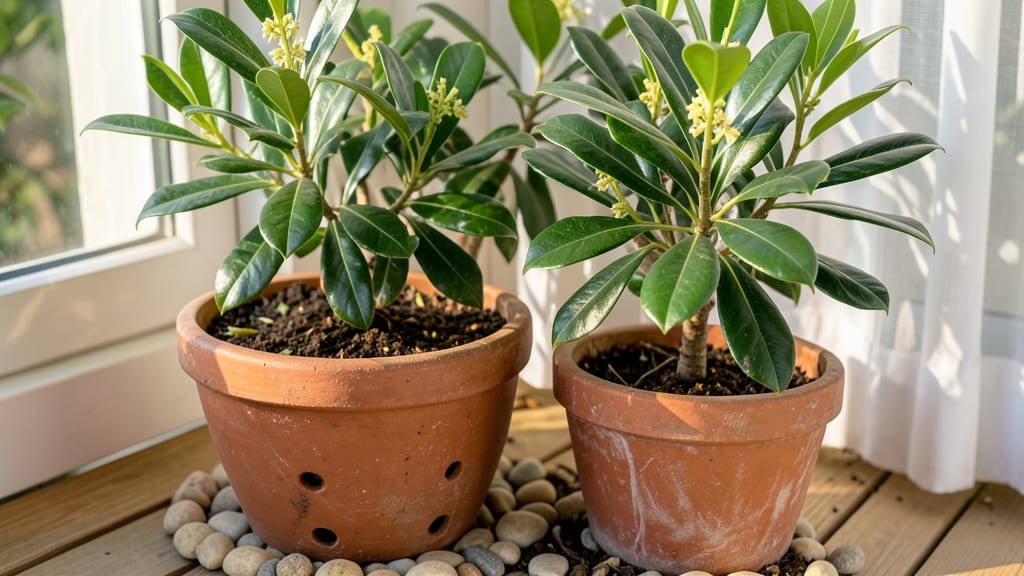
A bay tree in container doesn’t just survive—it thrives, filling your space with that unmistakable herbal scent year-round. I’ve grown mine in a 15-gallon pot for three years now, and it’s become the star of my patio, its glossy leaves always within arm’s reach for cooking or crafts.
The key isn’t just the pot size, but how you mimic its Mediterranean roots: well-draining soil, bright light, and occasional pruning to keep it bushy.
You’ll need a container with drainage holes (terracotta works best), a mix of potting soil and perlite, and a sunny spot that gets at least six hours of light daily. Water when the top inch feels dry—overwatering is the #1 killer of container bay trees.
Prune in late winter to shape it and encourage dense growth, and watch as it rewards you with fragrant leaves all season long.
What you’ll end up with is a compact, evergreen tree that’s perfect for small spaces, balconies, or even indoors near a bright window. The leaves stay tender and aromatic, making it easier to harvest for soups, stews, or homemade potpourri. Plus, it’s surprisingly low-maintenance once you get the basics right.
Works just as well in zones 7-10, though you may need to bring it indoors before frost in cooler climates. The same principles apply whether you’re growing one for culinary use or just to enjoy its scent—just adjust watering slightly in winter when growth slows. Ready to grow yours?
📚 In This Guide
- What you need
- Instructions
- Tips and common mistakes
- Wrapping up and next steps
What you need
- ● Container: A 5-gallon or larger pot with drainage holes (12–18 inches in diameter for mature growth). Material: Terracotta, ceramic, or high-quality plastic.
- ● Well-draining potting mix: 50% premium container mix + 30% perlite or pumice + 20% compost (avoid garden soil—it compacts!).
- ● Bay tree sapling: A 1–3 year-old nursery-grown Laurus nobilis (true bay tree) or Umbellularia californica (California bay). Size: 1–2 feet tall for easier handling.
- ● Drainage layer: 1–2 inches of gravel, pebbles, or broken pottery to prevent root rot.
- ● Slow-release fertilizer: Balanced 10-10-10 or organic option (follow label for dosage).
- ● Watering can or hose with gentle spray: Avoid over-saturating the roots.
- ● Mulch: 2–3 inches of pine bark or shredded leaves to retain moisture and suppress weeds.
- ● Container saucer or tray: To catch excess water and protect surfaces.
- ● Support stake: If your bay tree grows tall (6+ feet), a bamboo or metal stake with soft ties can help.
- ● Pruning shears: Sharp, sterilized shears for shaping and harvesting leaves.
- ● pH test kit: To monitor soil acidity (bay trees prefer 6.0–7.5 pH).
How to grow a thriving bay tree in a container
Here's the straightforward approach I've used to keep bay trees lush and fragrant for years.
Choose the Right Container and Soil Mix
Bay trees need room to grow but also excellent drainage. Select a container with drainage holes that's at least 12 inches deep and 18 inches wide—this gives roots enough space while keeping the plant manageable. I use terracotta pots because they breathe better than plastic, helping prevent root rot.
Fill the bottom 3 inches with gravel or coarse sand to create a drainage layer. Then, mix equal parts potting soil and perlite (or coarse sand) for a well-draining, airy medium. Bay trees hate soggy roots, so this blend prevents water from pooling. Moisten the mix lightly before planting—it should feel like a wrung-out sponge, not dripping wet.
Plant Your Bay Tree with Care
Dig a hole in the soil mix that's just slightly wider than the root ball of your bay tree. Gently remove the plant from its nursery pot and loosen any circling roots with your fingers—this encourages outward growth. Place the tree in the hole so the top of the root ball sits 1 inch below the pot's rim. This slight burial helps stabilize the plant and prevents soil erosion during watering.
Backfill with your soil mix, pressing lightly around the edges to eliminate air pockets. Avoid compacting too firmly, though—bay trees need loose soil for healthy root development. Water thoroughly right after planting to settle the soil and remove any air gaps. The soil should be evenly moist but not waterlogged.
Position for Light and Protection
Bay trees thrive in full sun to partial shade, ideally getting at least 4-6 hours of direct sunlight daily. Place your container in a spot that gets morning sun and afternoon shade if you're in a hot climate—this prevents leaf scorch. If you're growing indoors near a window, a south- or west-facing exposure works best. Rotate the pot a quarter turn every few weeks to ensure even growth.
Protect your bay tree from strong winds, which can dry out the leaves quickly. If you're keeping it outdoors in cooler months, bring it inside before temperatures drop below 20°F—bay trees are tender perennials and won't survive frost. A covered patio or garage works well for winter storage if you can't bring it indoors.
Water and Fertilize for Lush Growth
Water your bay tree when the top 1-2 inches of soil feel dry to the touch. This usually means watering every 5-7 days in summer and every 10-14 days in winter, but adjust based on your home's humidity and temperature. Overwatering is the biggest mistake—bay trees prefer slightly dry conditions over soggy soil. Always water at the base to avoid wetting the leaves, which can lead to fungal issues.
Feed your bay tree once in early spring with a balanced, water-soluble fertilizer (like 10-10-10) diluted to half strength. This gives it a gentle nutrient boost without overwhelming the roots. Skip fertilizing in fall and winter—your tree will go dormant, and extra nutrients can encourage weak growth. Prune back any leggy or overgrown branches in late winter to encourage bushier growth.
Prune and Maintain Year-Round
Bay trees grow slowly but can become woody over time. Prune in late winter or early spring before new growth begins. Use clean, sharp pruning shears to trim back one-third of the new growth each year. This keeps the shape compact and encourages dense foliage. You can also prune lightly after harvesting leaves for cooking—just avoid cutting into old wood, as it won't regrow.
Check the container every 2-3 years for root-bound conditions. If roots are circling the bottom or growing out of the drainage holes, it's time to repot into a container 2-4 inches larger. This refreshes the soil and gives roots more room to expand. Bay trees are surprisingly adaptable, so they handle repotting well if done carefully.
Tips & tricks for perfect container-grown bay trees
Here's what I've learned from years of growing fragrant bay trees in pots—these little details make all the difference.
Container Size Matters: That 12-inch depth and 18-inch width in Step 1 isn't arbitrary. Bay trees develop deep root systems, and a container that's too shallow will lead to root binding within 2-3 years. If you're starting with a smaller pot, plan to upgrade within the first year. I've seen bay trees in undersized containers develop yellow leaves from restricted roots—don't let that happen to yours. The extra width also gives you room to rotate the pot for even growth as suggested in Step 3.
Soil Mix Secrets: The equal parts potting soil and perlite in Step 1 is perfect, but here's the thing: perlite is lightweight and can compact over time. Every 6-12 months, give your soil mix a gentle fluffing with a hand fork to maintain that airy texture. If you notice the soil packing down, mix in some fresh perlite or coarse sand—this prevents that suffocating feeling roots hate. The "wrung-out sponge" moisture test in Step 1 is your best friend for checking soil readiness.
Light Positioning Hacks: Those 4-6 hours of sunlight in Step 3 are non-negotiable, but here's how to maximize them. If your bay tree is indoors near a window, rotate it every few days (not just every few weeks) to prevent one-sided growth. For outdoor containers, place them where they'll get morning sun and afternoon shade—this prevents leaf scorch, especially in hot climates. I've noticed that bay trees placed in east-facing windows get the most even growth because they avoid the intense afternoon sun.
Winter Protection Strategy: The 20°F threshold in Step 3 is critical, but here's what I do when winter approaches: I wrap the pot in bubble wrap before bringing it indoors. This adds an extra layer of insulation and prevents temperature shock when moving between indoor and outdoor spaces. If you're storing it in a garage or shed, place it on a tray to catch any drainage from watering. Bay trees are surprisingly resilient once they're safely indoors, but that initial cold snap can be deadly.
Pro Tips for Bay Tree In Container
- Here's what I've learned from years of growing fragrant bay trees in pots—these little details make all the difference.
- Container Size Matters: That 12-inch depth and 18-inch width in Step 1 isn't arbitrary.
- Soil Mix Secrets: The equal parts potting soil and perlite in Step 1 is perfect, but here's the thing: perlite is lightweight and can compact over time.
Frequently asked questions
Got questions about growing a bay tree in a container?
You’re not alone! Here are some of the most common concerns—and straightforward answers—to help you nurture your fragrant, compact bay tree with confidence.
How often should I water my bay tree in a container?
Bay trees in containers need consistent moisture but hate soggy roots. Water when the top 1-2 inches of soil feel dry (usually every 5-7 days in warm weather). Reduce watering in winter when growth slows. Pro tip: Use a well-draining pot with drainage holes to prevent root rot.
Can a bay tree survive winter in a container?
Yes! Bay trees are hardy but need protection from harsh cold. Move your container to a sheltered spot (like a garage or under an eave) when temps drop below 20°F (-6°C). If you live in a mild climate, a thick mulch layer will help. Avoid fertilizing in winter—let the tree rest.
How big will my container-grown bay tree get?
With pruning and proper care, a bay tree in a container stays 3-6 feet tall (vs. 15+ feet in the ground). Choose a 15-20 gallon pot for mature trees and prune regularly to control size. Regular harvesting of leaves also encourages bushier growth.
What’s the best soil mix for a potted bay tree?
Bay trees thrive in well-draining, slightly acidic soil (pH 6.0-7.0). Mix 60% potting soil, 30% perlite or sand, and 10% compost for optimal results. Avoid heavy garden soil—it compacts and suffocates roots.
Why are the leaves on my bay tree turning yellow?
Yellowing leaves usually signal overwatering, poor drainage, or nutrient deficiency. Check the soil moisture and ensure your pot has drainage holes. If the yellowing is on older leaves, it’s often natural aging—but new leaves turning yellow may mean iron deficiency. Try a chelated iron supplement.
Wrapping up and next steps
Growing a bay tree in a container is a rewarding way to enjoy its lush foliage and fragrant leaves year-round—even in small spaces! With the right soil mix, drainage, and care, your compact bay tree will thrive, offering both beauty and practical uses like cooking and crafts.
Now that you’re equipped with the best practices, it’s time to roll up your sleeves and get planting!
🌿 Next step: Pick your favorite container, gather your supplies, and start nurturing your fragrant green companion today. Happy gardening! 🌱