
Pruning
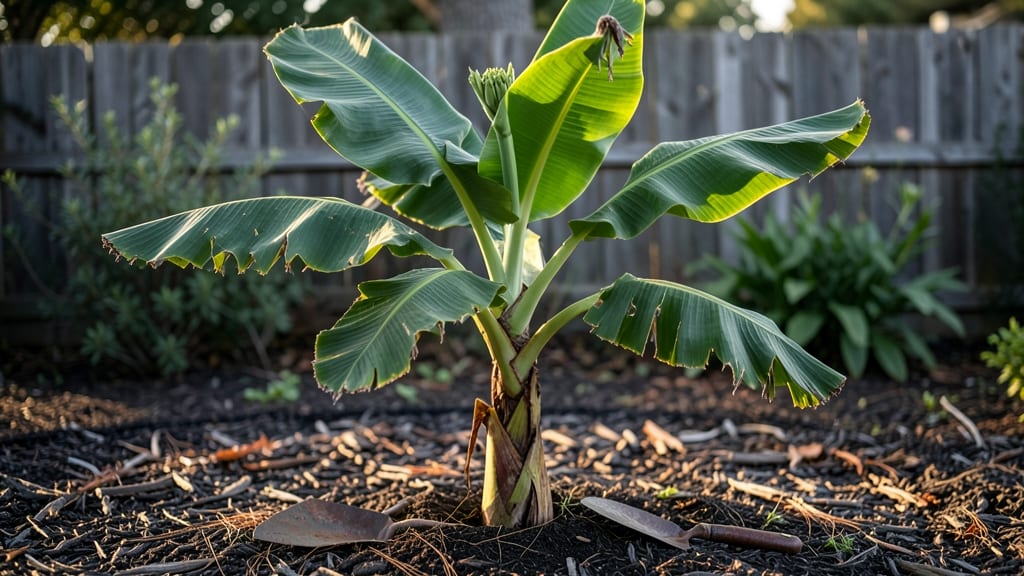
A banana tree in your yard isn’t just a bold statement—it’s a tropical oasis that produces fruit year-round if you get the conditions right. 🌿 I’ve watched mine transform from a scraggly sapling into a lush, fruit-bearing centerpiece, and the secret isn’t just warm weather—it’s the right spot, soil, and a little seasonal TLC.
The payoff? A tree that feeds you, shades your patio, and turns heads every time neighbors walk by.
Here’s the thing—banana trees thrive in USDA Zones 10-11, but with the right protection (like wrapping the trunk in winter), you can grow them as far north as Zone 9.
They love well-draining soil mixed with compost, and a sunny spot where they get at least 6 hours of direct light daily. My tree sits near the patio, so I can harvest fruit while sipping iced tea—convenience matters just as much as aesthetics.
By summer, you’ll see massive, glossy leaves and clusters of bananas forming, while in winter, the tree’s architectural shape still adds drama to the landscape.
Pair it with palm trees, hibiscus, or bird-of-paradise for a full tropical vibe, or keep it simple with a mulch ring to protect roots and retain moisture. The key is treating it like the diva it is—it rewards patience with heavy harvests and year-round interest.
Whether you’re going full tropical paradise or just want a unique focal point, this tree delivers. The only rule? Don’t plant it where it’ll get blasted by winter winds—find that sweet spot between shelter and sunlight, and you’ve got yourself a low-maintenance superstar. Ready to make it happen?
📚 In This Guide
- What you need
- Instructions
- Tips and common mistakes
- Wrapping up and next steps
What you need
- ● Banana plant (Musa spp.) – Choose a variety suited to your climate (e.g., Dwarf Cavendish for cooler zones or Red Dacca for tropical areas). Purchase from a reputable nursery.
- ● Well-draining soil mix – Combine 60% topsoil, 30% compost, and 10% perlite or coarse sand for optimal aeration.
- ● Organic fertilizer (balanced NPK) – Look for a 10-10-10 or 6-6-6 formula to support lush foliage and fruit production.
- ● Mulch (straw, wood chips, or pine needles) – 2-3 inches to retain moisture and regulate soil temperature.
- ● Drip irrigation system or hose with a gentle spray nozzle – Banana trees need 1-2 inches of water weekly, especially during flowering and fruiting.
- ● Shovel or trowel – For digging planting holes 1.5-2 times wider than the root ball.
- ● Pruning shears or loppers – Bypass pruners (for clean cuts) and loppers (for thicker stems).
- ● Garden gloves – Heavy-duty, water-resistant to protect against thorns and rough foliage.
- ○ Support stakes or trellis – 4-6 ft tall bamboo stakes or a metal trellis to train young plants (optional for dwarf varieties).
- ● pH testing kit – Banana trees thrive in slightly acidic soil (pH 6.0-7.5).
- ● Epsom salt (magnesium sulfate) – 1 tbsp per plant monthly to prevent yellowing leaves.
- ● Neem oil or copper fungicide – For preventative care against fungal diseases like sigatoka leaf spot.
- ● Frost cloth or row covers – If you live in USDA Zones 9-11, protect young plants from unexpected cold snaps.
- ● Compost tea or fish emulsion – Bi-weekly foliar spray for a nutrient boost during fruiting.
Step-by-step instructions for planting and cultivating a banana tree in your yard
Here's how to establish a thriving banana tree that produces heavy fruit loads year after year.
🌱 Step 1: Select the Optimal Planting Location and Soil
Banana trees thrive in full sun—choose a spot receiving at least 8 hours of direct sunlight daily. They tolerate partial shade but fruit production suffers dramatically. The ideal location has well-draining soil with a pH between 6.0-7.5. If your yard has heavy clay, amend the soil with 2-3 inches of compost mixed into the top 12 inches of soil.
Dig a planting hole twice as wide as the root ball but only as deep as the container it came in. This prevents root suffocation from being buried too deep. Gently loosen the roots if they're circling the root ball—banana trees hate root-bound stress. Here's the thing—banana trees grow fast, so start with a 6-8 foot tall mature plant if possible. Younger plants take longer to establish and fruit.
☀️ Step 2: Establish Proper Watering and Mulching Routine
Water deeply 2-3 times per week during the first 6 months after planting, ensuring moisture reaches 12-18 inches deep. You'll know you're watering correctly when the soil feels damp but not soggy at that depth. Overwatering causes root rot, which kills banana trees quickly. After establishment, reduce to once weekly during dry spells, but always water when the top 3 inches of soil feel dry.
Spread 3-4 inches of organic mulch (like wood chips or straw) around the base, keeping it 6 inches away from the trunk. This conserves moisture and regulates soil temperature. Replenish mulch annually—it breaks down fast in warm climates. Real talk: banana trees in containers dry out faster, so check soil moisture daily in summer if growing in pots.
✂️ Step 3: Fertilize for Heavy Fruit Production
Feed your banana tree every 4-6 weeks during the growing season (spring through fall) with a balanced fertilizer (like 10-10-10 or 8-8-8) mixed at half-strength. Apply fertilizer 6 inches away from the trunk and water immediately to prevent root burn. When flower stalks appear, switch to a high-potassium fertilizer (like 5-10-15) to support fruit development. Here's where it gets fun—you'll see flower stalks emerge from the center of the plant after 12-18 months of proper care.
Banana trees are heavy feeders, so don't skimp. I've found that adding 1 cup of banana peels (chopped and buried) around the base every 3 months provides extra potassium naturally. The peels decompose slowly and feed the tree over time. Avoid nitrogen-heavy fertilizers late in the season—they promote leaf growth at the expense of fruit production.
🌿 Step 4: Prune for Airflow and Pest Prevention
Remove any yellow or diseased leaves immediately—they spread pests and diseases. Cut back dead or broken fronds at the base with sterilized pruners to prevent infection. The goal is to keep the center of the plant open for airflow, which reduces humidity and fungal issues. Prune only when necessary—banana trees don't need heavy pruning like fruit trees.
Watch for aphids, mealybugs, or scale insects on the undersides of leaves. These pests thrive in humid conditions. Spray with neem oil solution (1 tsp neem oil per quart of water) weekly until pests disappear. I've dealt with banana borers in tropical climates—if you hear hollow-sounding stems, cut the plant down to the ground and treat the soil with beneficial nematodes to prevent reinfestation.
⏰ Step 5: Protect During Winter and Harvest Strategically
If you live in USDA zones 9-11, your banana tree may survive mild winters with light mulching and wrapping the trunk in burlap. In colder zones (8 or below), dig up the plant and store it in a cool, dark garage with minimal watering until spring. Here's the moment that matters: harvest bananas when the fruit changes color from green to yellow with faint brown speckles. They won't ripen further once picked.
Cut the fruit cluster from the stem and let it ripen at room temperature. The tree will produce 2-3 new flower stalks per year once established—each can yield 50-100 bananas depending on the variety. Don't harvest all fruit at once—leaving a few to ripen on the tree encourages future production. You'll notice new leaves emerging from the center after harvest—that's the plant's way of preparing for the next cycle.
Tips & tricks for year-round banana tree cultivation
These insights will help you transform your yard into a tropical oasis with abundant fruit production—no matter where you live.
Sunlight Strategy: Banana trees need that full 8 hours of direct sunlight daily, but here's the catch: morning sun is more important than afternoon. Position your tree where it gets bright light from sunrise through midday, then partial shade in the afternoon. In hot climates, afternoon shade prevents scorching while maintaining photosynthesis efficiency. Watch for leaf burn—if edges crisp in the heat, provide afternoon shade with sheer fabric.
Soil Preparation Secret: The 2-3 inches of compost mixed into the top 12 inches of soil isn't just about drainage—it's about creating the perfect microbial ecosystem. I've seen banana trees thrive in amended clay soil that would otherwise suffocate roots. Test your soil's pH before planting: if it's below 6.0, add crushed limestone; if above 7.5, mix in sulfur. The goal is that perfect 6.0-7.5 range where roots can access nutrients efficiently.
Watering Wisdom: Those 2-3 deep waterings per week during the first 6 months should feel like a tropical rainstorm. Use a moisture meter to verify you're reaching 12-18 inches deep—surface watering won't cut it. After establishment, let the top 3 inches dry out between waterings, but never let the soil become bone-dry. The key is consistency: banana trees hate moisture fluctuations more than anything else. Mulch helps maintain this balance by locking in moisture while preventing evaporation.
Fertilizer Timing: The 4-6 week feeding schedule during growing season is non-negotiable, but here's what nobody tells you: split your fertilizer applications. Apply half in spring when new growth begins, and half in early summer. When flower stalks appear (after those 12-18 months of care), switch to high-potassium immediately—this is when fruit development demands extra nutrients. I've seen trees produce 50% more bananas when given this potassium boost at the right time.
Pro Tips for Banana Tree In Yard
- These insights will help you transform your yard into a tropical oasis with abundant fruit production—no matter where you live.
- Sunlight Strategy: Banana trees need that full 8 hours of direct sunlight daily, but here's the catch: morning sun is more important than afternoon.
- Soil Preparation Secret: The 2-3 inches of compost mixed into the top 12 inches of soil isn't just about drainage—it's about creating the perfect microbial ecosystem.
Frequently asked questions
Got questions about growing a banana tree in your yard? You’re not alone! Here are answers to the most common concerns—from planting to pruning and beyond.
How long does it take for a banana tree to bear fruit after planting?
A banana tree typically takes 12–18 months to produce its first fruit after planting, assuming ideal conditions. Younger trees focus on root and leaf growth, so patience is key! Cold climates or poor soil may delay fruiting. If your tree isn’t flowering after 2 years, check for nutrient deficiencies or pruning mistakes.
Can a banana tree survive winter in my yard?
Most banana trees (Musa spp.) are tropical and won’t survive freezing temps (below 25°F/-4°C). In colder zones, grow them in containers and move them indoors or to a garage during winter. For in-ground planting, opt for hardier varieties like Musa acuminata ‘Dwarf Cavendish’ (Zone 10+) or use mulch and frost cloth for protection.
Why aren’t my banana tree’s fruits ripening evenly?
Uneven ripening often stems from uneven sunlight, water stress, or poor pollination. Banana trees need full sun (6+ hours/day) and consistent moisture. If fruits stay green, check for pests (e.g., banana weevils) or nutrient imbalances (lack of potassium/magnesium). Hand-pollinate flowers with a soft brush if bees aren’t visiting.
When and how should I prune a banana tree?
Prune only after fruiting (late winter/early spring) to remove dead leaves and encourage new growth. Cut back 1/3 of the oldest pseudostem (the “trunk”) to redirect energy. Avoid heavy pruning in cold months—it stresses the plant. Never prune flowering stalks unless diseased, as this reduces fruit yield.
What’s a good alternative if I can’t grow a banana tree in my climate?
Try hardier tropical plants like:
- Pineapple sage (Salvia elegans) – Edible flowers, cold-hardy to Zone 9.
- Dwarf banana (Musa velutina) – Ornamental, survives to Zone 8 with protection.
- Citrus trees (e.g., Meyer lemon) – Thrives in containers and warmer zones.
- Avocado trees (dwarf varieties) – Slower-growing but cold-tolerant than bananas.
For a banana-like taste, grow plantains or cooking bananas in containers and overwinter indoors.
Wrapping up and next steps
Growing a banana tree in your yard is a rewarding journey that brings year-round beauty and a bountiful harvest—if you’re willing to put in the care it deserves! 🌿 With the right pruning techniques, soil prep, and seasonal attention, you’ll enjoy lush foliage and heavy fruit loads for seasons to come.
Remember, consistency is key: trim strategically, protect from pests, and feed your tree regularly.
Ready to transform your yard into a tropical paradise? Start small—plant your banana tree today, then revisit your pruning schedule every few months to keep it thriving.
Before you know it, you’ll be sharing fresh bananas (or banana blossoms!) with neighbors. Your green thumb is about to get a workout—and your fruit bowl, a major upgrade! 🍌✨