
Companion Plants
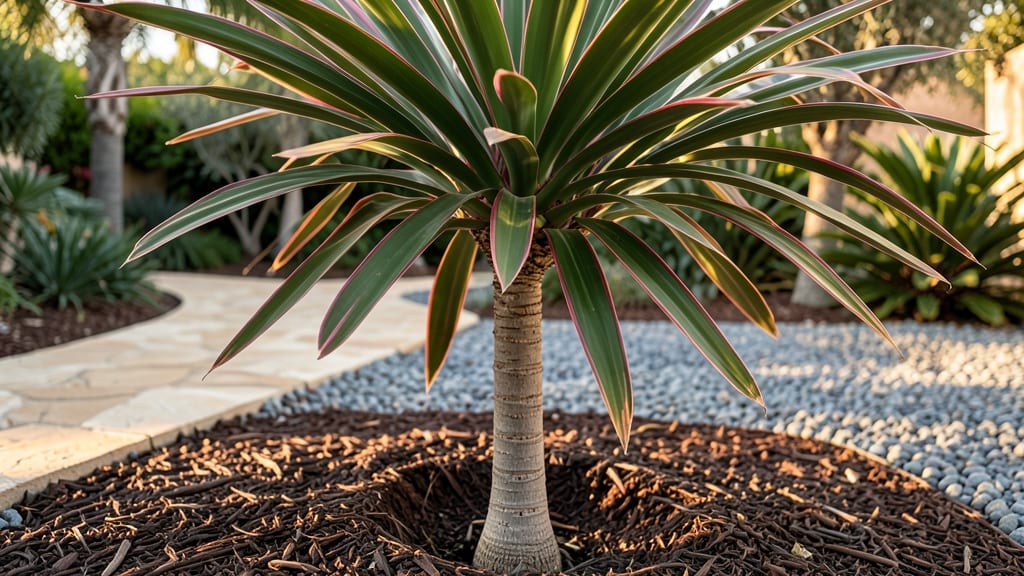
Plants around palm trees don’t have to be an afterthought—they can create a lush, sun-drenched oasis that thrives alongside your tropical centerpiece. I’ve learned the hard way that pairing palms with the wrong companions leads to wilting, competition for water, or a clashing aesthetic.
The right plants, though, turn your palm into a statement piece while keeping maintenance simple and the vibe cohesive.
Think drought-tolerant succulents like agave or yucca, which handle the same dry heat as palms, or tropical shrubs like bird of paradise and hibiscus that share their love for full sun.
For shade-loving accents, try ferns or calatheas near the palm’s dappled edges—just avoid anything that hogs moisture or casts too much shade. The key is matching water needs, sunlight tolerance, and growth habits to avoid a messy, overcrowded look.
With the right mix, you’ll end up with a garden that feels intentional, not accidental. Picture bright orange bougainvillea climbing alongside a Mexican fan palm, or silver-blue dusty miller softening the stark lines of a canary palm.
These pairings not only survive but thrive, creating a year-round display that’s low-maintenance and visually striking. The best part? You’ll spend less time fixing mistakes and more time enjoying the view.
Whether you’re in a coastal climate or a hot inland zone, the principles stay the same: prioritize sun-lovers, group plants by water needs, and let texture and color guide your choices.
Start small—maybe a single bold accent plant—and expand as you see what works. Your palm will thank you, and so will your neighbors when they ask, “What’s your secret?”
📚 In This Guide
- What you need
- Instructions
- Tips and common mistakes
- Wrapping up and next steps
What you need
- ● Companion plants: Choose from sun-loving varieties like Lantana, Bird of Paradise, Bougainvillea, Muhly Grass, or Agave. Select 3–5 mature plants (1–3 ft tall) for balanced spacing.
- ● High-quality potting mix: 10–15 gallons of well-draining soil blend (e.g., cactus/succulent mix or 60% native soil + 40% perlite/sand).
- ● Mulch: 2–3 cubic feet of organic mulch (e.g., bark chips or shredded leaves) to retain moisture and suppress weeds.
- ● Slow-release fertilizer: 1–2 lbs of 10-10-10 or palm-specific fertilizer (e.g., Miracle-Gro Shake ’n Feed).
- ● Garden trowel or spade (for digging holes).
- ● Measuring tape (to ensure 3–6 ft spacing between plants and the palm).
- ● Watering can or hose with nozzle (for gentle hydration).
- ● Gloves (to protect hands from thorns or rough textures).
- ● Pruners (for trimming dead foliage or shaping plants).
- ● Sun exposure: Confirm your palm tree receives 6+ hours of direct sunlight daily—most companion plants need full sun too!
- ● Drainage check: Ensure the planting area has no standing water after rain (palms and companions hate soggy roots).
- ● Weather prep: Plant during spring or early fall to avoid extreme heat or frost.
- ● Decorative rocks or pebbles (for a polished, Mediterranean look).
- ● Drip irrigation system (to automate watering for drought-prone areas).
- ● Plant markers (to label varieties and track care needs).
- ● Epsom salt or iron supplement (for yellowing leaves in iron-deficient soils).
How to create stunning plant pairings around palm trees
Here’s how to design vibrant, low-maintenance plant combinations that complement your palm’s natural grace while thriving in the same sunny conditions.
Choose Plants That Match Your Palm’s Light and Soil Needs
Palms typically thrive in full sun to partial shade and well-draining soil, so select companions that match those conditions. Drought-tolerant succulents like agave or yucca are perfect choices—they handle the same heat and infrequent watering as most palms. Avoid moisture-loving plants like ferns or impatiens, which will struggle in the same dry, sunny environment.
For a tropical look, pair your palm with bird-of-paradise or hibiscus, both of which love bright light and occasional watering. These plants not only share the palm’s sun requirements but also add bold foliage and flowers that enhance the overall aesthetic. Always check the mature size of your chosen plants to ensure they won’t outgrow the space or overshadow the palm.
Plan for Height and Texture Contrast
Create visual interest by layering plants of varying heights and textures around your palm. Tall, upright plants like bamboo or muhly grass can flank the palm’s trunk, while lower-growing plants like liriope or mondograss can fill the base. This creates a natural, balanced look that draws the eye upward toward the palm’s fronds.
Texture matters just as much as height. The smooth, broad leaves of a palm contrast beautifully with the spiky fronds of dracaena or the feathery plumes of muhly grass. Mixing these elements adds depth and prevents the design from looking flat or monotonous. Group plants with similar textures together to create cohesive sections, then vary textures between sections for dynamic contrast.
Space Plants for Airflow and Growth Room
Give each plant—including the palm—enough space to grow without competing for sunlight or nutrients. Most palms need at least 6 feet of clearance from neighboring plants to prevent root crowding and disease. Smaller palms or dwarf varieties can be planted closer, but avoid placing anything directly against the palm’s trunk, as this can restrict airflow and invite pests.
When planting, dig holes twice as wide as the root ball but no deeper to encourage outward root growth. Space ground covers like mondograss about 18 inches apart, while taller plants like bird-of-paradise should have 3-4 feet of separation. This spacing ensures all plants have room to mature without smothering each other, which is especially important in warm climates where growth is rapid.
Mulch and Water Consistently for Uniform Care
Apply a 2-3 inch layer of organic mulch, such as shredded bark or pine needles, around the base of the palm and its companions. Mulch helps retain moisture, regulate soil temperature, and suppress weeds—all while keeping the roots cool in the summer heat. Avoid piling mulch against the palm’s trunk, as this can cause rot.
Water deeply once or twice a week, depending on rainfall and temperature, to encourage deep root growth. Most palm companions, like succulents and grasses, prefer infrequent but thorough watering. Overwatering is the fastest way to kill these plants, so always check the soil 2 inches down before watering again. If it’s dry, water; if it’s still moist, wait a few more days.
Prune and Maintain for Long-Term Harmony
Regular pruning keeps your palm and its companions looking their best. Remove dead or yellowing fronds from the palm as soon as they appear, and trim back overgrown foliage from other plants to maintain their shape. For example, bird-of-paradise benefits from cutting back spent flower stalks to encourage new blooms, while yucca may need occasional trimming to control its height.
Fertilize lightly in the spring with a balanced, slow-release fertilizer to support overall health without encouraging rapid, weak growth. Avoid heavy fertilizers, which can burn roots or attract pests. Monitor for pests like spider mites or scale, which can affect both palms and their companions, and treat early with neem oil or insecticidal soap if needed. A little preventative care goes a long way in keeping your plant pairings thriving.
Tips & tricks for stunning palm tree plant pairings
A few strategic choices can transform your palm's surroundings from ordinary to extraordinary. Here's what I've learned from years of designing these sun-driven landscapes.
Light and Soil Harmony: Pay special attention to the microclimates around your palm. While most palms thrive in full sun, some varieties like the Chinese fan palm tolerate partial shade. Check your specific palm's light preferences before selecting companions—this is where most design mistakes happen. I always test soil drainage first by digging a small hole and filling it with water; if it drains within 30 minutes, you're golden for drought-tolerant plants.
Height Layering Secret: The key to visual balance lies in creating a pyramid shape when viewed from above. Start with your palm as the centerpiece, then add plants that gradually decrease in height as you move outward. For a dramatic effect, place yucca or dracaena about 3-4 feet from the palm's trunk, then fill the front with liriope or mondograss. This creates depth perception that makes your space feel larger and more intentional.
Texture Contrast Technique: Don't just mix heights—layer textures for maximum visual impact. The fibrous, feathery fronds of muhly grass create a stunning contrast against the smooth, broad leaves of palms. I like to group plants with similar textures together (like all the spiky varieties) and then create contrast between these groups. For example, place bird-of-paradise with its bold, architectural leaves next to the delicate plumes of muhly grass—the contrast makes each plant pop.
Seasonal Color Planning: While the instructions focus on year-round beauty, I always think about seasonal color rotations. Choose plants that will provide visual interest in different seasons—like hibiscus for summer blooms, yucca for winter architectural interest, and agave for year-round color variations. This ensures your palm pairing remains vibrant regardless of the season, which is especially important in climates with distinct seasonal changes.
Pro Tips for Plants Around Palm Trees
- A few strategic choices can transform your palm's surroundings from ordinary to extraordinary.
- Light and Soil Harmony: Pay special attention to the microclimates around your palm.
- Height Layering Secret: The key to visual balance lies in creating a pyramid shape when viewed from above.
Frequently asked questions
Got questions about pairing plants with palm trees? You’re not alone! Here are answers to the most common queries to help you create a thriving tropical oasis.
What are the best low-maintenance plants to pair with palm trees?
Opt for drought-tolerant, sun-loving plants like Lantana, Muhly Grass, or Bird of Paradise. These require minimal care, thrive in sandy soil, and complement palm trees beautifully. Avoid high-water plants—they’ll compete for moisture and stress your palms. Pro tip: Mulch around the base to retain moisture and suppress weeds!
Can I plant flowers directly under a palm tree?
Yes, but choose shallow-rooted flowers like Gaillardia or Zinnias to avoid competing with the palm’s extensive root system. Avoid deep-rooted plants (e.g., Oleander)—they can damage palm roots. Space flowers at least 3–5 feet from the palm trunk for airflow and sunlight.
When is the best time to plant companion plants around palm trees?
Plant in early spring or late summer when temperatures are mild and rain is frequent. This gives roots time to establish before extreme heat or cold. Avoid winter planting in frost-prone areas—palms and companions may struggle to recover. Bonus: Water deeply after planting to reduce transplant shock!
Will palm trees shade out other plants over time?
Yes, but strategic placement helps! Choose understory-friendly plants like Caladiums or Ferns for partial shade. For full sun, position taller companions (e.g., Yucca) on the east or west sides of the palm to minimize shading. Trim palm fronds occasionally to improve airflow and light penetration.
How do I fix yellowing leaves on my palm or companion plants?
Yellowing often signals overwatering, nutrient deficiency, or pests. Check soil moisture—palms hate soggy roots! Amend soil with compost or use a balanced fertilizer (10-10-10) in spring. Inspect for spider mites or scale on undersides of leaves. Quick fix: Prune yellow fronds to redirect energy to healthy growth!
Wrapping up and next steps
Creating a stunning landscape with palm trees as your centerpiece is all about choosing the right companions! 🌿 From drought-tolerant succulents to vibrant flowering plants, the perfect pairings can transform your outdoor space into a year-round paradise.
Whether you're drawn to bold contrasts or harmonious textures, the key is matching sunlight, water needs, and soil preferences.
Ready to get started? Pick 1-2 plants from this guide, grab your gardening tools, and begin planting—your tropical oasis awaits! 🌴✨ Review the supplies checklist to ensure you’re fully prepared for a lush, low-maintenance garden.