
Pruning
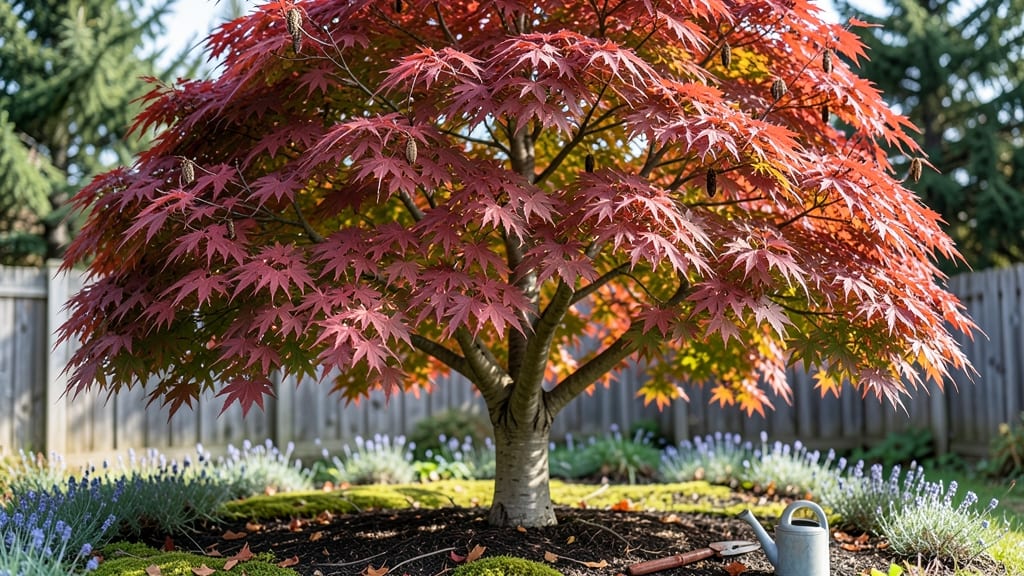
Watch your trees transform from bare branches to vibrant canopies—each season reveals a different story in their growth. 🌳 The key to keeping them healthy through every shift lies in understanding when to prune, what to look for, and how to support their changing needs.
My first oak tree taught me this lesson the hard way after a winter storm snapped its weakest limbs.
Spring is all about fresh starts: new leaves unfurl in soft greens, and now’s the time to prune for shape and airflow. Summer’s dense foliage hides pests—check for signs of stress, and trim only to remove deadwood.
Autumn’s fiery hues signal dormancy, but don’t skip cleaning up fallen leaves to prevent disease. Winter’s stark branches reveal the tree’s true structure, perfect for major pruning cuts.
You’ll end up with a tree that thrives year-round—stronger roots, fuller branches, and that satisfying crunch of fresh-cut wood in your hand. The secret? A pruning calendar that matches each season’s rhythm, not just your schedule. Let’s get your trees ready for every change ahead.
Works for deciduous trees, evergreens, and even fruit trees—just adjust timing based on your climate zone. Here’s how to make the most of each season’s unique opportunities for growth.
📚 In This Guide
- What you need
- Instructions
- Tips and common mistakes
- Wrapping up and next steps
What you need
- ● Pruning shears: Bypass pruners (for cuts up to ½ inch thick) – 2 pairs (one for you, one backup!)
- ● Loppers: Bypass or anvil type (for cuts up to 2 inches thick) – 1 pair (with a 15-20 inch handle for leverage).
- ● Pruning saw: Curved-tooth saw (for branches over 2 inches thick) – 1 medium-sized saw (8-12 inches).
- ● Pole pruner: Extendable for high branches – 1 adjustable pole (10-15 feet, depending on tree height).
- ● Gloves: Heavy-duty, cut-resistant gloves – 1 pair (gardening or pruning-specific).
- ● Disinfectant: Rubbing alcohol (70% or higher) or a commercial pruning sealant – small bottle (for sterilizing tools).
- ○ Sharpie or marker: Permanent marker for labeling cuts – 1 pack (optional but helpful for tracking).
- ● Heavy-duty trash bags: For collecting debris – 2-3 bags (13-gallon size).
- ● Pruning rope or strap: For securing branches during cuts – 1 roll (10-15 feet).
- ● Ladder: Sturdy, extendable ladder (for taller trees) – 1 ladder (with non-slip feet).
- ● Tree wound dressing: Pruning paste or sealant (controversial but useful for large cuts) – small tube.
- ● Safety gear: Goggles and long sleeves (especially for thorny or overgrown trees).
- ● Notebook or app: For tracking pruning dates, weather notes, or growth observations.
How to prune trees for year-round healthy growth
Here's my seasonal approach to keep trees thriving through every change.
⏰ Step 1: Late Winter Pruning (Dormant Season)
Start your pruning calendar in late winter, just before buds swell but before new growth begins—typically between mid-February and early March. This is the best time to remove dead, diseased, or crossing branches. You'll notice these are the branches that stand out as bare, brown, or rubbing against others.
Use clean, sharp pruning shears to make cuts just outside the branch collar—the swollen area where the branch meets the trunk. Avoid cutting flush with the trunk, as this can leave wounds that heal poorly. I always sterilize my tools with rubbing alcohol between cuts to prevent spreading disease from infected branches.
This dormant season pruning stimulates strong new growth in spring. Focus on removing up to 25% of the tree's canopy at this time—never more, as excessive pruning stresses the tree. You'll see fresh, green buds forming within weeks after pruning, signaling the tree is responding well.
☀️ Step 2: Early Summer Light Pruning (Growth Season)
In late May or early June, when new growth has hardened off but isn't yet mature, do a light pruning to shape the tree and encourage airflow. Look for branches that are growing inward, rubbing against others, or growing at sharp angles—these are the ones to remove first. You'll spot them by their awkward positioning compared to the tree's natural shape.
Make cuts just above a leaf bud or lateral branch. Avoid cutting into the branch collar again, as repeated cuts in the same area weaken the tree. For larger branches, use three-step pruning: first make an undercut, then a top cut, and finally clean up the stub. This prevents bark from tearing.
This summer pruning helps maintain the tree's natural shape while preventing future problems. You'll notice leaves filling in more evenly, and the tree will develop a fuller, more balanced appearance by late summer.
✂️ Step 3: Fall Cleanup Pruning (Preparation for Winter)
In late October or early November, before the first hard frost, do a final cleanup pruning to remove any remaining deadwood, suckers, or weak branches. This prepares the tree for winter dormancy and reduces the risk of pests or diseases overwintering in the tree. You'll easily spot dead branches—they'll be completely brown and brittle, snapping when you bend them.
Remove any branches that are growing too close to the ground, as these can become tripping hazards and collect snow or debris. Thin out crowded branches to improve light penetration to the inner canopy. Avoid heavy pruning now, as new growth stimulated by late-season cuts won't have time to harden off before winter.
This fall pruning helps the tree enter dormancy in the best possible condition. You'll see cleaner branches and a more open structure, which makes winter care much easier and reduces the risk of storm damage during icy conditions.
Tips & tricks for perfect year-round tree pruning
Here's what nobody tells you—these details separate healthy trees from struggling ones.
Timing is Everything: The late winter window between mid-February and early March is critical for dormant season pruning. I've seen trees recover beautifully when pruned during this period, but if you miss it, wait until spring—never prune in fall if you're not doing the final cleanup. The tree's energy is focused on preparing for winter, not healing new wounds. Look for those bare, brown branches that stand out like sore thumbs—they're your first targets.
Tool Technique: Sterilizing your pruning shears with rubbing alcohol between cuts prevents disease spread better than any other method. I learned this the hard way after seeing a perfectly healthy tree decline from a single infected branch. For larger branches, master the three-step pruning technique: undercut, top cut, then clean up. This prevents bark from tearing and gives your tree a cleaner, faster healing process. The branch collar—where the branch meets the trunk—should always remain intact.
Seasonal Balance: Never remove more than 25% of the canopy during any single pruning session. I've seen homeowners over-prune in one go, thinking they're doing the tree a favor—it actually stresses the tree and can lead to dieback. In summer, focus on shaping and airflow rather than heavy cutting. The goal is to maintain the tree's natural form while preventing future problems like rubbing branches or crowded growth.
Visual Cues: When pruning in summer, look for branches growing at sharp angles or inward—they're the ones causing future problems. In fall, dead branches snap easily when bent—they're ready for removal. These visual cues help you make confident decisions without over-pruning. I always do a final walk-around after pruning to check for missed branches or uneven cuts.
Pro Tips for Tree In Different Seasons
- Here's what nobody tells you—these details separate healthy trees from struggling ones.
- Timing is Everything: The late winter window between mid-February and early March is critical for dormant season pruning.
- Tool Technique: Sterilizing your pruning shears with rubbing alcohol between cuts prevents disease spread better than any other method.
Frequently asked questions
Got questions about keeping your trees vibrant through every season? Here are some of the most common queries—and their answers—to help you prune like a pro year-round!
When is the best time to prune trees in each season?
Timing matters! Prune deciduous trees in late winter or early spring (before buds swell) to avoid disease. Evergreens can be pruned in early spring or late fall. Avoid heavy pruning in summer (stress risk) or winter (dormancy). Always check your tree’s specific needs—some, like fruit trees, have unique schedules!
Can I prune trees in winter? What about snow-covered branches?
Winter pruning is tricky! Light shaping is fine, but avoid heavy cuts—frost can stress fresh wounds. If branches are snow-laden, wait until the snow melts to assess damage. Never prune in extreme cold (below 40°F), as it can harm the tree. A light trim in late winter (when temps stabilize) is safer for most species.
What should I do if I see dead or diseased branches year-round?
Dead or diseased branches are always fair game—remove them anytime! Use sterilized tools, cut back to healthy wood, and dispose of infected branches (don’t compost them). This prevents pests/diseases from spreading. Pro tip: If you’re unsure, snap a branch—if it’s brittle and dry inside, it’s dead. Act fast!
Are there trees I shouldn’t prune in certain seasons?
Yes! Avoid pruning flowering trees (like dogwoods or magnolias) in late summer—they set next year’s blooms. Oak trees are prone to oak wilt if pruned in spring/summer; wait until dormant season. Always research your tree’s species—some, like maples, bleed sap heavily in early spring, which can stress them.
What if I miss the “ideal” pruning window? Can I still fix it?
Don’t stress! Light maintenance (removing deadwood, thinning overgrowth) can happen anytime. Just avoid heavy pruning outside the optimal window. For major shaping, plan ahead, but even a little attention helps. Remember: Consistency beats perfection—regular small prunes keep trees healthier than one big annual trim!
Wrapping up and next steps
Watching a tree transform through the seasons isn’t just beautiful—it’s a reminder of nature’s resilience and the power of intentional care. By following this year-round pruning calendar, you’re not just shaping branches; you’re nurturing a healthier, more vibrant tree that thrives in every season. 🌳✨
Ready to put your newfound knowledge into action? Start small—pick one task from this guide and schedule it for your next weekend. Whether it’s a light trim in spring or a deep clean in winter, every cut is a step toward a stronger, more stunning tree. Happy pruning!