
Pruning
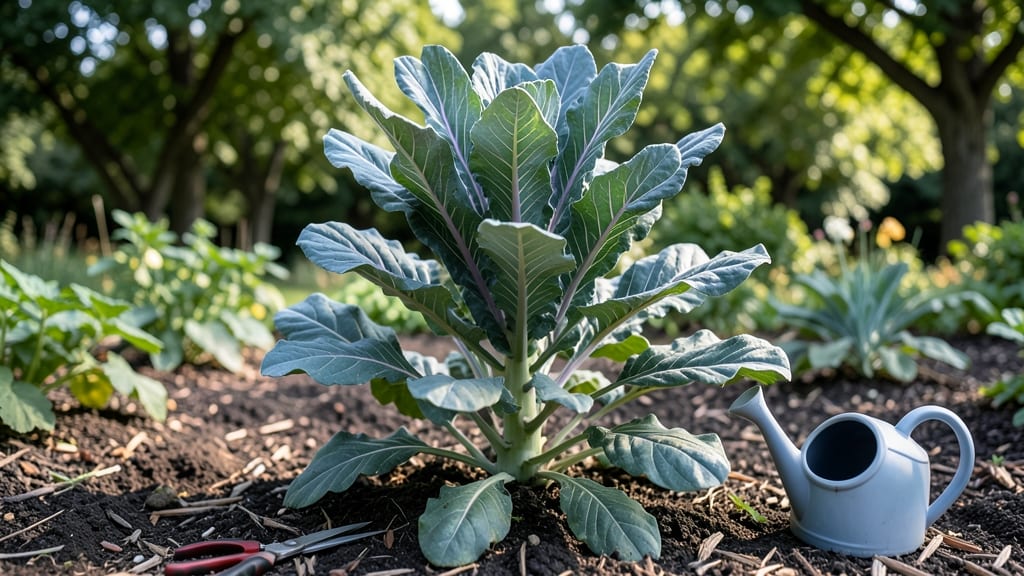
Growing Asturian tree cabbage isn’t just about harvests—it’s about unlocking a plant that keeps giving all year. This heirloom variety, with its sturdy, cabbage-like leaves growing along woody stems, thrives in Asturias’ mild climate but adapts beautifully to similar temperate zones.
The secret? Strategic pruning cuts that encourage continuous regrowth, turning a single plant into a year-round green machine.
Rich, well-draining soil with plenty of organic matter is your foundation—think compost-rich loam with a pH between 6.0 and 7.0. Plant in full sun to partial shade, and water deeply but infrequently once established (about 1 inch per week).
The real magic happens when you prune: cut back old growth in early spring, then lightly trim throughout the season to encourage fresh, tender leaves. My plants now produce three distinct harvests annually without sacrificing vigor.
You’ll end up with a plant that looks like a small tree but tastes like fresh cabbage—crisp, slightly sweet, and packed with nutrients. The first harvest arrives in late spring, followed by a summer flush, and a final winter crop if you live in a mild zone.
The leaves stay tender longer than traditional cabbage, and the woody stems add unexpected texture to stir-fries or salads. Plus, the plant’s compact size makes it perfect for small gardens or containers.
For those in colder regions, bring potted plants indoors during frost or grow in a greenhouse. The key is protecting the roots while keeping the top growth exposed to light.
Traditional Asturian gardeners often use these plants in stews or fermented dishes—proof that this isn’t just a pretty face, but a hardworking staple. Ready to turn your garden into a year-round green factory?
📚 In This Guide
- What you need
- Instructions
- Tips and common mistakes
- Wrapping up and next steps
What you need
- ● Pruning shears: Sharp, bypass-type shears (for clean cuts on smaller stems). Pro tip: Disinfect blades with rubbing alcohol to prevent disease spread! 💡
- ● Loppers: 1 pair (for thicker branches, up to 2-inch diameter). Opt for bypass-style for precision.
- ● Pruning saw: 1 handheld saw (for stubborn, woody growth—8-10 inch blade recommended).
- ● Gloves: Heavy-duty, cut-resistant (e.g., 12-14 gauge) to protect against thorns and abrasions.
- ● Ladder or step stool: Sturdy and tall enough to reach the highest branches (4–6 ft minimum).
- ● Disposable bags or bucket: For collecting pruned debris (1–2 gallon capacity).
- ○ Pruning sealant: Optional but helpful for large cuts (e.g., tree wound dressing to prevent rot).
- ● Timing: Prune Asturian tree cabbage in early spring (March–April) or late winter before new growth starts.
- ● Weather: Choose a dry, overcast day to avoid stressing the plant.
- ● Safety gear: Safety glasses (to shield from debris) and long sleeves/pants.
- ● Plant health check: Inspect the tree for diseased or dead branches before starting.
How to prune Asturian tree cabbage for continuous year-round growth
This method keeps your tree cabbage thriving through all seasons—no guesswork, just strategic cuts.
Identify the Right Time for Initial Pruning
Start pruning after your Asturian tree cabbage has established 4-5 main branches and reaches at least 3 feet tall. This typically occurs in its second growing season, around late spring when new growth is 2-3 inches long and firm to the touch. Early pruning risks stunting the plant’s structural development, while waiting too long reduces yield potential.
Use clean, sharp pruning shears to make cuts just above a leaf node (the point where leaves attach to the stem). This encourages branching and denser growth. Avoid cutting into old wood—look for green, flexible stems rather than woody, brown ones. If you’re unsure, cut back to a spot where three or more leaves emerge from the same node; this ensures strong regrowth.
Shape the Canopy for Optimal Airflow and Sunlight
Remove up to one-third of the plant’s foliage in a single session to improve airflow and sunlight penetration. Focus on inner branches that are crowded or crossing, as these compete for resources and invite disease. Start by trimming overlapping branches first—these are the easiest to spot because they create gaps in the canopy where light struggles to reach.
For each cut, aim to open the center of the plant by 50%. This isn’t about drastic reduction; it’s about strategic thinning. You’ll notice the remaining branches thicken slightly within 2-3 weeks as the plant redirects energy to stronger growth. Avoid cutting back to bare wood—always leave at least 6 inches of green growth on each remaining branch to sustain the plant.
Implement Seasonal Maintenance Cuts
In early spring, prune to remove dead or damaged branches—these are easy to identify because they’re brown, brittle, or hollow. Cut these back to the nearest healthy leaf node using a 45-degree angle to prevent water from pooling and causing rot. Spring is also the time to lightly trim new growth to encourage bushier development, but never remove more than 10% of the plant’s foliage in one session.
By late summer, focus on harvesting mature leaves while leaving at least half the plant intact. Use your fingers or a small knife to pluck leaves at their base, ensuring you don’t tear the stem. If you notice yellowing leaves, these are often a sign of over-maturity—remove them to redirect nutrients to younger, healthier growth. In fall and winter, minimal pruning is needed unless branches become overly leggy or damaged by frost; in that case, trim back to strong, healthy buds just below the damage.
Encourage Regrowth with Strategic Trimming
After each major pruning session, water deeply to help the plant recover. Within 7-10 days, you’ll see new shoots emerging from the nodes where you made cuts—this is the plant’s natural response to pruning. If regrowth is slow, check for adequate sunlight (tree cabbage needs full sun to partial shade) and well-draining soil. Amend the soil with compost if it feels compacted or lacks nutrients.
To maintain a year-round harvest, prune every 6-8 weeks during the growing season, adjusting the intensity based on the plant’s response. If you notice excessive leaf drop after pruning, you’ve cut too aggressively—scale back to smaller, more frequent trims in future sessions. The goal is balanced growth, not aggressive reduction.
Tips & tricks for perfect Asturian tree cabbage pruning
Mastering the art of pruning Asturian tree cabbage transforms a seasonal harvest into a year-round bounty. Here's how to refine your technique for healthier, more productive plants.
Timing is Everything: In Step 1, when your cabbage reaches 3 feet tall with 4-5 main branches, don't rush the initial pruning. The plant needs this structural foundation to handle the stress of cutting. I've seen gardeners prune too early and end up with stunted growth—wait until you see those firm 2-3 inch shoots in late spring. This timing ensures the plant has enough energy reserves to recover and branch out properly.
Precision Cutting Technique: For Step 2's canopy shaping, focus on making clean cuts just above leaf nodes using sharp pruning shears. The key detail here is to cut at a slight angle—this prevents water from pooling at the cut site, which could lead to rot. I learned this the hard way after seeing several cuts develop fungal issues from improper angles. Always leave at least 6 inches of green growth on each branch to maintain the plant's ability to photosynthesize and sustain itself.
Seasonal Adjustments: The seasonal maintenance in Step 3 requires different approaches. In early spring, you're primarily removing dead wood, while late summer focuses on harvesting mature leaves while preserving half the plant. Here's what nobody tells you—when harvesting leaves, always pluck them at the base rather than cutting through the stem. This minimizes damage to the plant and encourages more leaves to grow from that node. The 10% foliage limit in spring is non-negotiable—exceeding it stresses the plant when it's just waking up from dormancy.
Regrowth Strategy: After any major pruning session, the 7-10 day recovery period is crucial. During this time, the plant is redirecting all its energy toward new growth from the cut nodes. If you notice slow regrowth, check your sunlight exposure first—tree cabbage needs full sun to partial shade. I've found that amending compacted soil with compost can make a dramatic difference in recovery speed, as the roots need proper aeration and nutrients to support new shoots.
Pro Tips for Asturian Tree Cabbage
- Mastering the art of pruning Asturian tree cabbage transforms a seasonal harvest into a year-round bounty.
- Timing is Everything: In Step 1, when your cabbage reaches 3 feet tall with 4-5 main branches, don't rush the initial pruning.
- Precision Cutting Technique: For Step 2's canopy shaping, focus on making clean cuts just above leaf nodes using sharp pruning shears.
Frequently asked questions
Got questions about Asturian Tree Cabbage? You’re not alone! Here are some of the most common inquiries—plus straightforward answers to help you master this unique, year-round harvest strategy.
What’s the best time of year to prune Asturian Tree Cabbage for continuous harvests?
Prune lightly in early spring (just before new growth) to encourage tender shoots, then heavily in late summer/fall to stimulate winter regrowth. Avoid pruning during extreme heat or frost—timing is key for avoiding stress on the plant!
How do I know if I’m pruning too much or too little?
Too much? Yellowing leaves, stunted growth, or bare stems signal over-pruning. Too little? Thick, woody stems and fewer edible shoots mean it’s time to trim more aggressively. Aim for 1/3 of the plant’s foliage max per session—think "haircut," not "balding"!
Can I grow Asturian Tree Cabbage in cold climates, or is it only for mild regions?
While it thrives in USDA Zones 7–9, it’s winter-hardy in colder zones (Zone 5+) with mulch or row covers. Prune later in fall and protect young shoots with burlap wraps during freezes for year-round success.
Are there alternatives to Asturian Tree Cabbage for small gardens or containers?
Yes! Try Swiss chard (similar perpetual harvest) or kale (cold-tolerant). For a tree-like option, cardoon (a thistle relative) or artichoke (if you’re patient!) work well in containers with deep, well-draining soil.
My Tree Cabbage leaves are turning bitter—what went wrong?
Bitterness usually means stress: too much sun, drought, or over-pruning. Fix it by shading the plant (use a cloth cover) and watering deeply 2x/week. Harvest young leaves first—older ones get tougher and more bitter. Pro tip: Cook bitter leaves with vinegar or lemon to mellow flavors!
Wrapping up and next steps
Mastering the art of pruning Asturian tree cabbage unlocks a year-round harvest of tender greens, rewarding your patience with fresh, homegrown bounty. By following strategic cuts—like thinning, heading back, and seasonal maintenance—you’ll keep your plant thriving and productive, even in colder months. 🌱
Ready to take the next step? Start small—grab your pruners and give your tree cabbage a confident trim this weekend! Whether you’re a seasoned gardener or a curious beginner, every snip brings you closer to a flourishing, low-maintenance harvest. Happy pruning! ✂️🌿