
Pruning
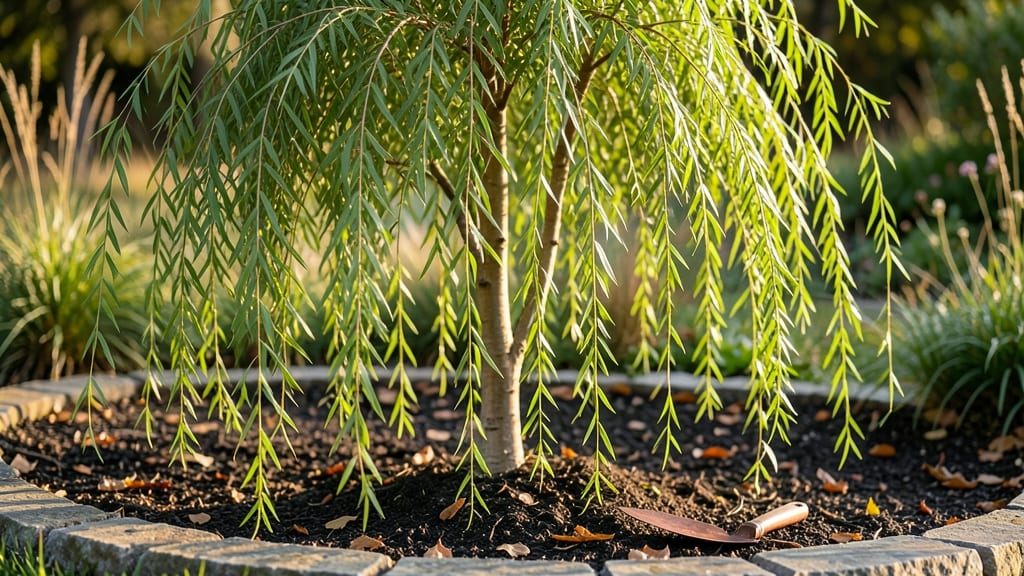
The dappled willow tree transforms any garden into a living watercolor painting with its delicate, arching branches and ever-changing foliage. 🌿 I remember the first time I saw one in a friend’s backyard—how the light filtered through its leaves created shifting patterns on the lawn, like nature’s own stained-glass window.
This isn’t just a tree; it’s a dynamic focal point that evolves with the seasons, offering shade in summer and skeletal beauty in winter.
What makes it special is how effortlessly it blends function with beauty. Its weeping habit softens harsh lines in landscapes, while its airy canopy invites birds and butterflies, turning your yard into a thriving ecosystem.
Unlike dense shrubs, it doesn’t block views—just filters light and adds movement. The key to keeping it looking its best? Strategic pruning to maintain its graceful shape and encourage fresh growth.
You’ll end up with a tree that feels like a masterpiece, whether it’s framing a patio, anchoring a pond, or standing alone as a statement piece. The dappled willow’s adaptability means it thrives in moist soil and handles partial shade, making it a low-maintenance star for almost any garden.
Let’s talk about how to place it and keep it stunning year after year.
From its first spring flush of bright green leaves to its winter silhouette, this tree delivers seasonal interest without the fuss. Pair it with hostas for shade-loving companions or let it stand alone as a conversation starter. The possibilities are as endless as its graceful branches.
📚 In This Guide
- What you need
- Instructions
- Tips and common mistakes
- Wrapping up and next steps
What you need
- ● Pruning shears – Bypass pruners (sharp, clean blades for clean cuts) or loppers for thicker branches (2–3-inch diameter).
- ● Pruning saw – For branches over 3 inches thick (aluminum or carbon steel, non-serrated for precision).
- ● Gloves – Heavy-duty, cut-resistant gloves (leather or synthetic) to protect against thorns and sharp branches.
- ○ Disinfectant – 70% isopropyl alcohol or a pruning sealant (optional but recommended for preventing disease).
- ● Ladder or step stool – Sturdy, extendable (12–16 feet tall) for high branches. Safety first!
- ● Heavy-duty trash bags – For collecting pruned branches (2–3 bags, 30-gallon size).
- ○ Marking twine or flags – Colored twine or small flags to tag branches for removal (optional but helpful for planning).
- ● Hand saw or pole pruner – For ultra-high branches (20+ feet).
- ● Pruning paint or sealant – To seal large cuts (prevents disease entry).
- ● Extension cord & string trimmer – For clearing thick underbrush post-pruning.
- ● Camera or sketchpad – To document your tree’s shape before/after cuts!
How to prune a dappled willow tree for year-round beauty
Your willow's graceful arch starts with the right cuts—here's how to keep it thriving.
🌿 Step 1: Time Your Pruning for Seasonal Growth
Prune your dappled willow in late winter or early spring, just as buds begin to swell. This timing ensures you remove dead wood while encouraging fresh growth during the tree's natural flush. Avoid pruning in fall—new growth won't harden off before winter, leaving branches vulnerable to frost damage.
Look for dormant buds along branches—these swollen areas signal the tree is ready to respond to pruning. If your climate has mild winters, you can prune lightly in early fall to shape the tree, but avoid heavy cuts. The key is to work with the tree's growth cycle, not against it.
✂️ Step 2: Remove Dead, Weak, or Crossing Branches First
Start by identifying branches that are dead, diseased, or rubbing against others. Use clean, sharp pruners to make 45-degree cuts just outside the branch collar—the swollen area where the branch meets the trunk. This ensures the wound heals properly and reduces the risk of infection.
Thin out crowded branches to improve airflow and sunlight penetration. Your goal is to create an open, airy structure that lets light filter through the dappled foliage. If a branch is too thick to cut with hand pruners, use a pruning saw—but only if absolutely necessary, as larger cuts stress the tree.
🌱 Step 3: Shape for Balance and Airflow
Step back and assess the tree's natural shape. Willow branches grow gracefully, so your cuts should enhance, not fight, that flow. Remove any branches growing straight upward—these compete with the tree's horizontal growth habit. Aim to maintain a rounded, open canopy that allows light to dapple through.
For structural branches, make cuts just above a bud or lateral branch to encourage outward growth. Avoid leaving stubs—these are entry points for pests and disease. If you're unsure about a cut, wait until you see new growth before deciding whether to adjust further.
💧 Step 4: Clean Up and Monitor for Recovery
After pruning, rake up and dispose of all debris—this prevents fungal spores from lingering near the tree. Sterilize your pruners with rubbing alcohol to avoid spreading disease between cuts. Water the base of the tree deeply to help it recover, especially if you've made significant structural changes.
Watch for new growth in 4-6 weeks. Healthy branches will sprout fresh leaves, while dead or diseased wood will remain bare. If you notice oozing sap or excessive dieback, the cuts may have been too aggressive. Next time, prune even more conservatively.
Tips & tricks for perfect dappled willow pruning
Transforming your willow into a year-round masterpiece starts with these key insights.
Seasonal Timing Secret: The late winter to early spring window is non-negotiable for willows. I've seen too many gardeners rush pruning in fall only to watch new growth get frostbitten. That dormant bud swelling is your green light—wait until you see those tiny bumps along the branches before making any cuts. In mild climates where fall pruning is possible, limit yourself to light shaping only, never structural cuts.
The 45-Degree Rule: That precise angle outside the branch collar isn't just about aesthetics—it's about the tree's health. I learned this the hard way after making straight cuts that left ugly wounds. The 45-degree cut creates a natural shield that allows the branch collar to seal the wound properly, preventing disease entry. For thicker branches, take your time to make that clean cut—no rushing through this step!
Structural Shape Strategy: When shaping your willow's natural arch, remember the "open canopy" goal. I always visualize sunlight filtering through like a dappled forest floor. Remove any upward-growing branches—they'll compete with your willow's horizontal growth habit. Pro tip: Make your cuts just above a bud or lateral branch to encourage outward growth, not just random stubs that invite pests.
Recovery Watch: Those 4-6 weeks of monitoring are crucial. After pruning, I keep a close eye on new growth—healthy branches will show fresh leaves, while dead wood stays bare. If you see excessive sap oozing or dieback, you went too heavy last time. Next year, be more conservative with your cuts. A little patience goes a long way with willows.
Pro Tips for Dappled Willow Tree
- Transforming your willow into a year-round masterpiece starts with these key insights.
- Seasonal Timing Secret: The late winter to early spring window is non-negotiable for willows.
- The 45-Degree Rule: That precise angle outside the branch collar isn't just about aesthetics—it's about the tree's health.
Frequently asked questions
Got questions about your Salix caprea or dappled willow? You’re not alone!
Here are some of the most common queries from gardeners and landscapers—plus straightforward answers to keep your tree thriving year-round.
When is the best time to prune a dappled willow for optimal growth?
The ideal time to prune is late winter or early spring (February–March), just before new growth begins. This timing encourages vigorous spring regrowth and prevents disease spread. Avoid heavy pruning in fall, as it can stimulate tender shoots vulnerable to frost damage. For light shaping, summer pruning is fine, but keep it minimal.
How much can I prune a dappled willow without harming it?
Dappled willows are highly resilient—you can remove up to 30–40% of the canopy in a single pruning without stressing the tree. For mature trees, focus on thinning out crossing or dead branches first, then shape the outer growth. Over-pruning (beyond 50%) may reduce flowering, but the tree will recover. Pro tip: Use sharp tools to make clean cuts just above a bud or lateral branch.
What should I do if my dappled willow isn’t flowering after pruning?
If your tree skips flowering, it’s often due to over-pruning or nutrient imbalance. Ensure you’re leaving enough foliage for photosynthesis, and fertilize lightly in early spring with a balanced 10-10-10 formula. Dappled willows thrive in sunny, well-drained soil—check for waterlogging or poor drainage. If the issue persists, consider a soil test to rule out deficiencies like nitrogen or phosphorus.
Are dappled willows prone to pests or diseases, and how do I prevent them?
While generally hardy, dappled willows can attract aphids, willow sawflies, or fungal issues like powdery mildew in humid climates. Prevention tips:
- Prune for airflow: Thin dense branches to reduce moisture buildup.
- Clean tools: Sterilize pruners with rubbing alcohol between cuts to prevent disease spread.
- Monitor early: Spray affected areas with neem oil or insecticidal soap if pests appear.
Can I grow a dappled willow in a container, or is it better suited for the ground?
While possible, dappled willows prefer the ground due to their aggressive root systems and mature size (15–25 ft tall). However, young trees can thrive in large containers (20+ gallons) for 1–2 years with these adjustments:
- Use fast-draining soil mixed with perlite.
- Water deeply but avoid soggy roots.
- Repot annually to accommodate growth.
Wrapping up and next steps
The dappled willow tree isn’t just a seasonal beauty—it’s a year-round masterpiece when you master the art of strategic pruning. With the right tools, timing, and techniques, you can shape its graceful branches, encourage vibrant foliage, and even control its growth like a pro. 🌿✂️
Ready to transform your space? Start by observing your tree this season—notice how light filters through those delicate leaves and plan your next cut with confidence. Whether you’re trimming for aesthetics, health, or function, every snip is a step toward a thriving, dappled oasis.
Next step: Grab your pruners and revisit your willow’s branches—one mindful cut at a time!