
Pruning
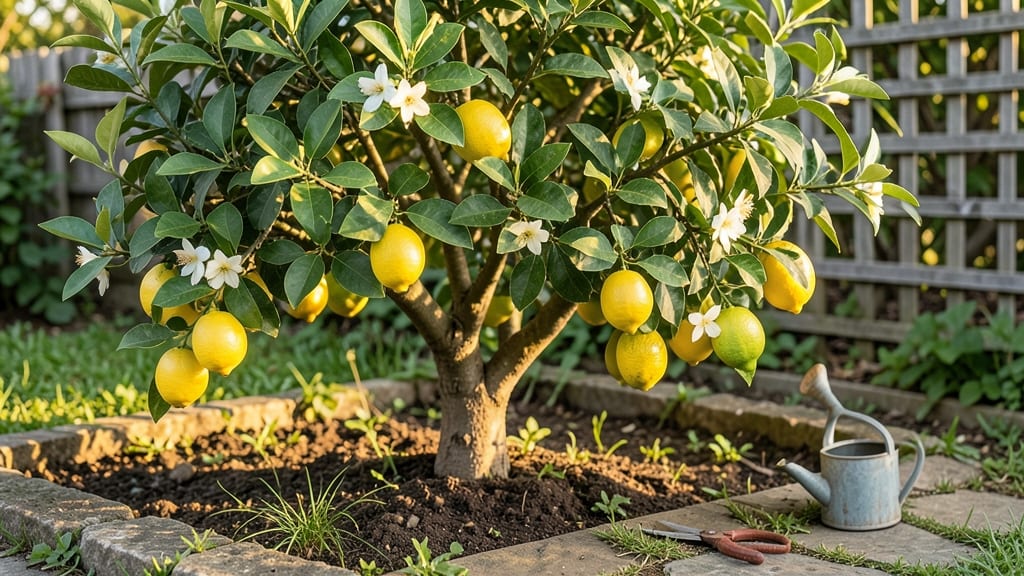
A huge lemon tree in your yard isn’t just a dream—it’s a sun-drenched reality with the right pruning approach. I’ve watched my own Citrus limon grow from a sapling to a fruit-bearing giant by making just a few strategic cuts each year.
The key isn’t brute-force trimming but understanding how to shape growth while keeping the tree healthy and productive.
Most people assume "huge" means unmanageable, but with proper pruning, you control size without sacrificing fruit. Start by removing dead or crossing branches in late winter, then thin out crowded growth in early summer.
My tree now produces dozens of lemons annually while staying contained—no more wrestling with overgrown limbs. The secret lies in timing and technique, not brute force.
You’ll end up with a tree that’s both ornamental and practical, bearing fruit year-round in warmer climates. The scent of blossoms in spring and the harvest of bright, juicy lemons in winter make every pruning session worth it.
Plus, the right cuts improve airflow, reducing pests and diseases that plague neglected trees.
Works for both in-ground plantings and large containers—just adjust pruning intensity based on space. Whether you’re dealing with a mature tree or starting from scratch, these methods keep your lemon tree thriving for decades. Ready to transform that bare spot into a citrus powerhouse?
📚 In This Guide
- What you need
- Instructions
- Tips and common mistakes
- Wrapping up and next steps
What you need
- ● Pruning shears: Sharp, bypass-style shears (20–24 inches) for clean cuts on branches up to ½ inch thick.
- ● Loppers: Heavy-duty loppers (18–24 inches) for branches ½–2 inches in diameter.
- ● Pruning saw: A curved-tooth hand saw for thicker branches (2+ inches).
- ● Disinfectant: 70% isopropyl alcohol or a copper-based fungicide (1 quart) to sterilize tools between cuts.
- ● Rubber gloves: Heavy-duty, chemical-resistant gloves (1 pair) to protect from sap and thorns.
- ○ Pruning sealant: Optional but helpful for large cuts (e.g., Tanglefoot Tree Wound Pruning Seal).
- ● Ladder or step stool: Sturdy, extension ladder (12–16 feet) or a foldable step stool for high branches.
- ● Heavy-duty trash bags: 3–5 gallon-sized bags for collecting pruned debris.
- ● Sharpie or permanent marker: For labeling branches if grafting or training new growth.
- ● Glass jars or containers: For propagating cuttings from healthy branches.
- ● Rooting hormone: (e.g., Clonex Root Stimulator) to boost success for new plants.
- ● Tree tie or zip ties: For supporting young branches during training.
- ● Safety goggles: To shield eyes from debris.
- ● Notebook & pen: To track pruning dates, cuts made, and tree health observations.
How to prune a lemon tree for maximum growth and fruit
Here’s how I’ve kept my lemon trees thriving for years—simple cuts make all the difference.
Prune in Late Winter or Early Spring
Timing is everything. Wait until just before new growth begins—usually February to March in most climates. This gives the tree time to heal before summer heat stress. You’ll know it’s the right time when buds start swelling but leaves are still dormant.
Use clean, sharp pruning shears to make cuts at a 45-degree angle, about ¼ inch above a leaf node or outward-facing bud. Avoid cutting into old wood—you want fresh growth. I always sterilize my tools with rubbing alcohol first to prevent disease spread.
Remove Dead, Diseased, or Crossing Branches
Start by scanning the tree for branches that are dead, broken, or diseased. These should go first—they drain energy the tree could use for fruit. Cut them back to healthy wood, making your cuts just outside the branch collar where it meets the trunk.
Next, look for branches that cross or rub against each other. These create wounds and weak spots. Remove the smaller of the two branches at its base. You’ll notice the tree’s structure opens up, allowing better airflow and sunlight penetration—critical for fruit production.
Thin the Canopy to Improve Light and Airflow
Lemon trees need 6-8 hours of direct sunlight daily to produce fruit. If your tree’s canopy is too dense, the inner branches won’t get enough light. Aim to remove 20-30% of the foliage, focusing on the center and lower branches first.
Cut back branches that grow inward or downward, always leaving an outward-facing bud. This encourages the tree to grow stronger, upward branches. You’ll see the difference in just a few months—more light means more flowers, and more flowers mean more lemons.
Shape the Tree for Balance and Strength
If your lemon tree is growing too tall or lopsided, it’s time to shape it. For a standard tree, keep the main trunk dominant and prune side branches to about ⅓ of their length. For a dwarf variety, limit height to 4-5 feet to make harvesting easier.
Real talk: Don’t over-prune. Too many cuts at once shock the tree. I usually do a light prune every year and a heavier one every 3-4 years. After pruning, give the tree a balanced fertilizer to help it recover and support new growth.
Monitor and Adjust Through the Year
After the main pruning, check the tree every 4-6 weeks for new growth. If you see water sprouts (fast-growing, vertical shoots), remove them immediately—they steal energy from fruit production.
In late summer, you can do a light trim to encourage new branches that will bear fruit next season. Just snip back the tips of the newest growth by about ½ inch. This keeps the tree compact and productive without stressing it before winter.
Tips & tricks for pruning a lemon tree like a pro
Here's what I've learned after years of growing my own lemon trees—these details make all the difference between a struggling plant and a fruit-bearing giant.
Timing is Everything: The February to March window is your best shot for pruning, but don't stress about exact dates. Focus on the visual cues: you want to see buds starting to swell while leaves are still dormant. This timing gives your tree maximum healing time before summer's heat stress kicks in. I've noticed that trees pruned too early (before buds swell) don't produce as many flowers, while those pruned too late (after leaves appear) get stressed by summer heat.
The 45-Degree Angle Secret: When making cuts in Step 1, that 45-degree angle isn't just arbitrary—it prevents water from pooling in the cut, which can lead to rot. Always cut about ¼ inch above a leaf node or outward-facing bud. This small detail makes a huge difference in how quickly new growth appears. I've seen cuts made straight across fail to produce new branches, while angled cuts at the right spot create vigorous new growth within weeks.
Light Penetration Principle: In Step 3, when you're thinning the canopy, remember that lemon trees need that 6-8 hours of direct sunlight daily. The 20-30% foliage reduction might seem drastic, but trust me—it opens up the tree's structure. I've watched trees with dense canopies produce only a few lemons on the outer branches, while properly thinned trees bear fruit all the way to the center. Focus on removing branches that grow inward or downward, always leaving an outward-facing bud to guide new growth in the right direction.
Dwarf Tree Height Hack: For dwarf varieties, keeping the tree at 4-5 feet makes harvesting so much easier. I've found that maintaining this height also encourages more fruit production per square foot of growth. The key is to prune side branches back to about ⅓ of their length during your annual light pruning. This keeps the tree compact while still allowing plenty of sunlight to reach all branches.
Pro Tips for Huge Lemon Tree
- Here's what I've learned after years of growing my own lemon trees—these details make all the difference between a st...
- Timing is Everything: The February to March window is your best shot for pruning, but don't stress about exact dates....
- The 45-Degree Angle Secret: When making cuts in Step 1, that 45-degree angle isn't just arbitrary—it prevents water f...
Frequently asked questions
Got questions about nurturing your huge lemon tree? You’re not alone! Here are answers to the most common queries—from pruning tips to troubleshooting—so you can keep your citrus giant thriving year-round.
When is the best time to prune a lemon tree for maximum fruit?
Prune your lemon tree in late winter or early spring (just before new growth starts) to encourage healthy blooms and fruit. Avoid heavy pruning in fall—it can stress the tree before winter. Light shaping cuts in summer (after harvest) are fine, but focus on removing dead or crowded branches rather than major structural changes.
How much can I trim back a mature lemon tree without harming it?
For established trees, limit pruning to no more than 25-30% of the foliage per year. Over-pruning weakens the tree and reduces fruit production. Focus on opening the canopy for airflow, removing suckers (shoots at the base), and thinning out crossing or diseased branches. Thinner cuts heal faster—avoid heavy shearing!
What should I do if my lemon tree’s leaves turn yellow after pruning?
Yellow leaves post-pruning are often normal if the cuts were clean and the tree has enough water. However, if many leaves yellow or drop, check for:
- Over-pruning (scale back next time).
- Underwatering (lemon trees need 1–2 inches of water weekly).
- Nutrient deficiency (add citrus-specific fertilizer in spring/fall).
Can I grow a dwarf lemon tree instead of a huge one?
Dwarf varieties like ‘Meyer’ or ‘Improved Meyer’ stay 6–10 feet tall and are perfect for containers or small yards. They fruit just as well as standard trees but require similar pruning principles—just on a smaller scale. Choose a 5-gallon pot minimum and ensure it has drainage holes to prevent root rot.
Why aren’t my lemon tree’s flowers turning into fruit?
Several factors can prevent fruit set, but the top culprits are:
- Lack of pollination: Hand-pollinate flowers with a soft brush if bees are scarce.
- Temperature stress: Lemon trees need warm days (70°F+) and cool nights (55–65°F) for blooming.
- Over-fertilizing with nitrogen: Too much greenery = fewer flowers. Switch to a high-phosphorus fertilizer (like 10-20-10) during bloom season.
- Young tree age: Trees under 3–5 years may focus on growth over fruit.
Pro Tip: Mark pruning cuts with a white correction pen to track growth patterns and avoid over-trimming the same branches yearly.
Wrapping up and next steps
Growing a huge lemon tree with year-round abundance is absolutely within reach—it just takes the right pruning strategy! By mastering the art of strategic cuts, you’ll boost fruit production, improve air circulation, and keep your tree healthy and thriving.
Whether you’re a seasoned gardener or just starting out, the key is consistency and patience.
Now that you’re armed with the knowledge, roll up your sleeves and get pruning! 🌿 Start with a single branch this weekend, and watch your lemon tree transform into a fruitful powerhouse. Happy gardening!