
Size
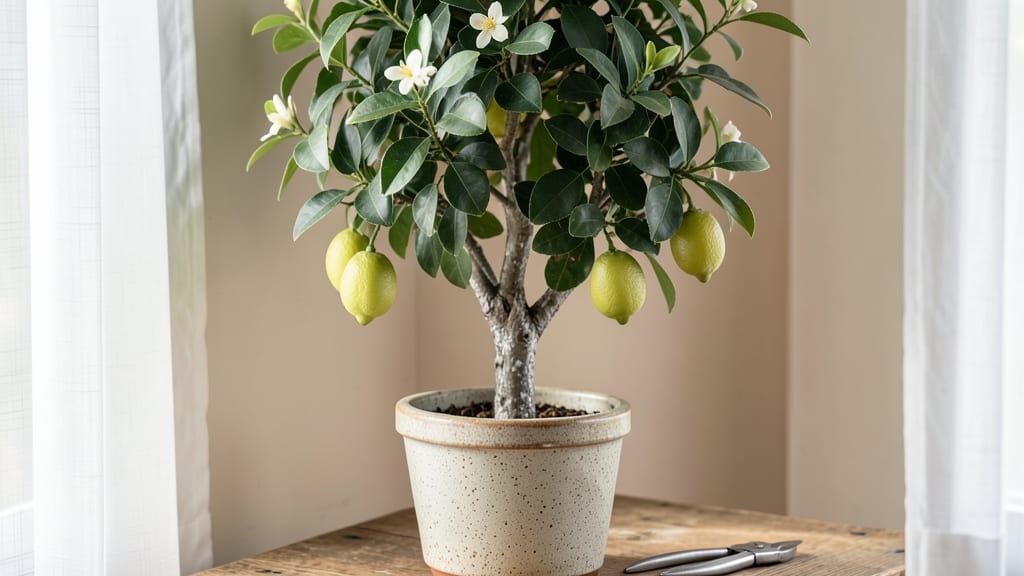
A 15-gallon container can grow a thriving citrus tree with the right approach—something I proved after my Meyer lemon struggled in a tiny pot for years. The secret lies in dwarf varieties, proper drainage, and a soil mix that mimics Mediterranean conditions.
Most people assume citrus needs a backyard, but with the right care, your patio can host a productive tree for decades.
Start with a dwarf variety like Meyer lemon, calamondin, or improved Meyer lemon—these stay small enough for containers while producing abundant fruit. Your container must have drainage holes (or you’ll drown roots), and the soil should blend equal parts potting mix, perlite, and compost.
I’ve seen citrus trees in 15-gallon pots outlive their in-ground counterparts because container growing gives you control over soil health and pests.
By summer, you’ll harvest sweet, fragrant fruit straight from your balcony or windowsill. The tree stays compact (under 6 feet tall), making it perfect for apartments, patios, or small yards.
With consistent watering (keep soil moist but not soggy) and monthly feeding during growing season, your citrus will thrive year-round—even through winter with proper protection.
This method works for other small trees too, like figs or olives, but citrus is the star performer in containers. The key is monitoring root growth and repotting every 2-3 years. Let’s get your tree growing healthy and productive in its 15-gallon home.
📚 In This Guide
- What you need
- Instructions
- Tips and common mistakes
- Wrapping up and next steps
What you need
- ● 15-gallon container – Choose a durable, food-safe pot (plastic, ceramic, or fabric grow bags) with drainage holes. Minimum size: 18" diameter x 18" deep.
- ● Citrus tree variety – Dwarf or semi-dwarf types like Meyer lemon, Calamondin orange, or Improved Meyer lemon (available at nurseries or online). Age: 1–3 years old.
- ● Well-draining potting mix – A blend of 50% cactus/succulent mix + 30% perlite + 20% compost (avoid garden soil!). Quantity: ~10–12 gallons.
- ○ Slow-release fertilizer – Citrus-specific or balanced 10-10-10 NPK (follow package rates). Optional: Liquid fertilizer (e.g., fish emulsion) for extra nutrients.
- ● Drainage layer – Pebbles, lava rock, or broken pottery shards (2–3 inches thick).
- ● Trowel or shovel – For planting and soil adjustments.
- ● Watering can with a rose attachment – Ensures gentle, deep watering.
- ● pH test kit – Citrus thrives in slightly acidic soil (pH 6.0–7.0).
- ● Pruning shears – For shaping and removing dead branches.
- ○ Support stake (optional) – If your tree grows top-heavy.
- ○ Mulch (optional) – Straw or wood chips to retain moisture.
Step-by-step guide to cultivating a thriving 15-Gallon citrus tree
Here’s how to coax a healthy, productive citrus tree from a container using proven techniques.
🌱 Step 1: Select and Prepare the 15-Gallon Container
Choose a 15-gallon container with drainage holes—unglazed ceramic or heavy plastic works best. I avoid lightweight pots that dry out too quickly. Line the bottom with 2-3 inches of gravel or broken pottery to prevent root rot from waterlogging. This layer ensures excess moisture drains away while allowing roots to breathe.
Fill the container with a well-draining citrus-specific potting mix (or blend equal parts potting soil, perlite, and coarse sand). Moisten the mix lightly before planting—it should feel damp but not soggy. Press it down gently to remove air pockets, creating a firm base for the tree’s roots to anchor.
🌿 Step 2: Choose and Plant the Right Citrus Variety
For compact growth, select dwarf varieties like Calamondin, Meyer lemon, or Improved Meyer lemon. These stay manageable in 15-gallon pots while producing fruit. Remove the tree from its nursery pot and loosen the root ball with your fingers—this encourages new roots to spread into the fresh mix.
Position the tree so the graft union (visible bump near the base) sits 1-2 inches above the soil line. This prevents the tree from growing a new root system below the graft, which can weaken the fruit quality. Backfill with soil, pressing lightly around the roots to eliminate air gaps. Water thoroughly until moisture runs out the drainage holes.
☀️ Step 3: Position for Optimal Light and Temperature
Citrus trees need 6-8 hours of direct sunlight daily—a south-facing window or outdoor patio works well. If indoors, supplement with a grow light 6-12 inches above the tree for 12-14 hours daily. Without enough light, leaves yellow and growth stalls. Rotate the pot a quarter turn weekly to prevent the tree from leaning toward the light source.
Maintain temperatures between 65-85°F—citrus trees are sensitive to cold drafts and heat spikes. Avoid placing near AC vents, heaters, or glass doors. If temperatures drop below 50°F, move the tree indoors temporarily. Watch for leaf drop or brown edges—these are signs of stress from temperature extremes.
💧 Step 4: Water and Fertilize for Consistent Growth
Water when the top 2 inches of soil feel dry—stick your finger in the soil to check. Overwatering is the fastest way to kill a citrus tree in a pot. Use room-temperature water to avoid shocking the roots, and empty the saucer beneath the pot after 10 minutes to prevent root rot. In winter, reduce watering to every 10-14 days as growth slows.
Fertilize every 4-6 weeks during active growth (spring through fall) with a balanced citrus fertilizer (6-6-6 or similar). Follow the package instructions for dosage—too much fertilizer burns roots and leaves. In winter, reduce fertilization to once every 8-12 weeks as the tree enters dormancy. Yellow leaves often signal over-fertilization or nutrient imbalance.
✂️ Step 5: Prune and Maintain for Compact Growth
Prune in late winter or early spring to shape the tree and encourage branching. Remove any dead, diseased, or crossing branches first—these compete for energy and invite pests. Cut just above a leaf node or outward-facing bud to promote new growth. For a bushier tree, trim back the longest branches by one-third to stimulate lateral shoots.
Watch for pests like scale or spider mites, especially on the undersides of leaves. Wipe leaves with a damp cloth weekly to remove dust and deter infestations. If you see sticky residue (honeydew), treat with neem oil or insecticidal soap immediately. A healthy 15-gallon citrus tree should produce fruit within 2-3 years—patience is key, but the payoff is worth it.
Tips & tricks for perfect 15-Gallon citrus trees
Growing citrus in containers takes patience and precision—here’s how to avoid common pitfalls and maximize your tree’s potential.
Container Selection: Avoid metal containers, which can overheat roots in direct sunlight. Unglazed ceramic or heavy plastic pots maintain steady temperatures and prevent root stress. If using a decorative pot without drainage, place it inside a cache pot with gravel at the bottom—this hidden layer prevents waterlogging while keeping your aesthetic intact.
Root System Strategy: The 2-3 inches of gravel at the bottom isn’t just for drainage—it creates an air gap that mimics natural soil conditions. This prevents the dreaded "wet feet" syndrome that causes root rot. For extra insurance, add a handful of perlite to the bottom layer before adding your potting mix—it improves aeration without sacrificing drainage.
Lighting Optimization: Those 6-8 hours of direct sunlight are non-negotiable, but quality matters more than quantity. If your window light is dim, supplement with a full-spectrum LED grow light positioned 6-12 inches above the tree for 12-14 hours daily. Position it so the light hits the canopy evenly—uneven lighting causes lopsided growth. I’ve seen trees grow toward one light source and develop weak, leggy branches.
Fertilizer Timing: The 4-6 week fertilization schedule during active growth is critical, but timing matters just as much as quantity. Apply fertilizer in the morning so the tree has time to absorb nutrients before evening. If you notice yellowing leaves between fertilizations, it’s often a sign of micronutrient deficiency—switch to a chelated iron supplement for 2-3 weeks to correct this.
Pro Tips for 15 Gallon Tree
- Growing citrus in containers takes patience and precision—here’s how to avoid common pitfalls and maximize your tree’s potential.
- Container Selection: Avoid metal containers, which can overheat roots in direct sunlight.
- Root System Strategy: The 2-3 inches of gravel at the bottom isn’t just for drainage—it creates an air gap that mimics natural soil conditions.
Frequently asked questions
Got questions about growing a 15-gallon tree?
You’re not alone! Here are answers to the most common queries to help you nurture your compact citrus tree like a pro.
How long does it take for a 15-gallon tree to bear fruit?
A 15-gallon citrus tree typically takes 1–3 years to bear fruit, depending on the variety (e.g., Meyer lemons or dwarf oranges mature faster). Patience is key—focus on consistent care (sunlight, water, and nutrients) to speed up the process. Pro tip: Use a citrus-specific fertilizer to boost flowering!
How often should I water a 15-gallon tree?
Water your tree deeply 1–2 times per week (adjust for climate—drier air = more frequent watering). Check soil moisture by sticking your finger 2 inches down; if dry, it’s time to hydrate. Warning: Overwatering can drown roots, so ensure the pot has drainage holes!
Can I grow a 15-gallon tree indoors?
Yes! Place your tree near a south- or west-facing window for 6+ hours of sunlight daily. Supplement with a grow light (12–14 hours/day) if natural light is limited. Indoor trees thrive in temperatures between 60–85°F—avoid drafts or cold spots.
What’s the best way to prune a 15-gallon tree?
Prune in early spring or after fruiting to shape the tree and encourage airflow. Use clean, sharp shears to trim dead branches or overgrowth, and cut just above a leaf node. Goal: Keep the canopy open to prevent disease and improve fruit access!
Are there alternatives to citrus for a 15-gallon tree?
Try dwarf varieties like figs, olives, or avocados (e.g., ‘Mexican’ or ‘Wurtz’). Even herbs (e.g., rosemary or thyme) or ornamental trees (e.g., Japanese maple) thrive in 15-gallon pots. Match your choice to your climate and care preferences!
Why are my tree’s leaves turning yellow?
Yellow leaves often signal overwatering, nutrient deficiency, or pests. Check roots for rot ( fix with well-draining soil), test soil pH (citrus prefers 6.0–7.0), and inspect for aphids or mites. Adjust care and treat issues promptly to revive your tree!
Wrapping up and next steps
Growing a 15-gallon tree is all about maximizing flavor and space—proving that big citrus rewards don’t need a sprawling yard! With the right dwarf variety, container, and care, you’ll enjoy fresh, vibrant fruit year after year. 🌱✨
Ready to take the next step? Start small—pick your favorite citrus, gather your supplies, and get planting! Whether you’re a beginner or a seasoned gardener, this compact recipe makes it easy to turn your balcony, patio, or sunny windowsill into a citrus paradise. Now go grow that sunshine!