
Pruning
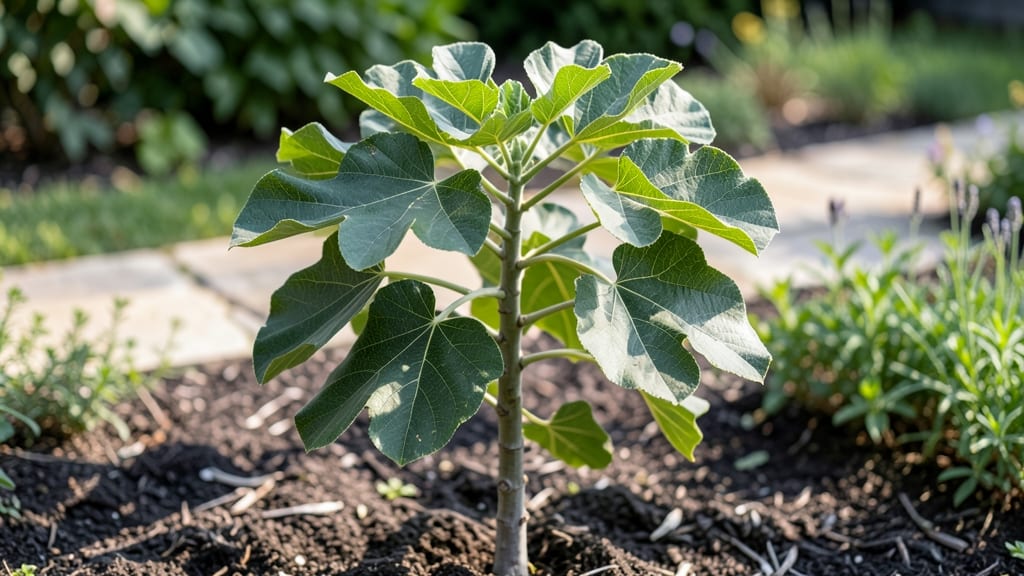
Your young fig tree’s first year sets the stage for a lifetime of sweet harvests—or a tangled mess of weak branches.
I’ve pruned figs since my first tree sprouted from a grocery store discard, and the difference between a thriving plant and a struggling one comes down to timing, cuts, and a little patience. The key?
Pruning isn’t about hacking away at growth—it’s about shaping the tree to handle its own weight when those first heavy figs arrive.
Start with the basics: clean pruning shears, a sharp knife, and rubbing alcohol to sterilize cuts. Fig trees grow fast, but young branches can snap under fruit load if you don’t guide their shape early.
Focus on removing dead wood first, then thin out crowded stems to improve airflow—this prevents fungal issues and makes future harvests easier. My first fig tree nearly broke under its own fruit because I ignored this step, so don’t make the same mistake.
By summer’s end, you’ll see the payoff: stronger branches, more sunlight reaching the center, and a tree that actually supports its fruit instead of bending over. The best part? Pruning in late winter or early spring (before new growth) keeps the tree productive without stressing it.
Think of it as giving your fig a structural tune-up before the big fruit push.
Container-grown figs need slightly more frequent pruning than in-ground trees, and cooler climates may require extra protection in winter. But the core principles stay the same: less is more, and every cut should have a purpose.
Once you master this, your fig will reward you with years of low-maintenance harvests—and fewer heartaches when summer heat rolls in.
📚 In This Guide
- What you need
- Instructions
- Tips and common mistakes
- Wrapping up and next steps
What you need
- ● Pruning shears: Bypass pruners with sharp, clean blades (4- to 6-inch blades for small branches). Example: Felco F-2 or Corona Tools 520.
- ● Loppers: For thicker branches (up to 2 inches in diameter). Example: Fiskars X27 or Bahco Forester.
- ● Hand saw: For branches larger than 2 inches (with a fine-tooth blade, 8-10 inches long). Example: Felco F-1 or Bahco Curved Blade.
- ● Disinfectant (70% isopropyl alcohol or bleach solution): To clean tools between cuts and prevent disease spread.
- ● Garden gloves: Heavy-duty, cut-resistant gloves (e.g., Wolverine Waffle Grip or Southwest Forged).
- ○ Pruning sealant (optional but recommended): For larger cuts to prevent sap loss and pests (e.g., Tanglefoot Tree Wound Pruning Seal).
- ● 5-gallon bucket or bag: For collecting pruned branches and debris.
- ● Ladder (if needed): Sturdy, extendable ladder (e.g., Little Giant or Werner) for reaching higher branches.
- ● Sharpener: A file or pruner sharpener to maintain tool edges.
- ● Rubbing alcohol wipes: For quick tool disinfection on the go.
- ● Pole saw: For very tall or hard-to-reach branches.
- ● Labeling tags: To mark branches for future reference (e.g., if training the tree).
- ● Safety goggles: To protect eyes from debris.
Instructions for pruning a young fig tree
Here's the straightforward approach I've used to keep my young fig trees healthy and productive.
Assess the Tree Structure and Timing
Start by examining your fig tree in late winter or early spring, just as new growth begins. Look for dead, diseased, or crossing branches—these are your first targets. I always prune before buds swell because the tree is still dormant, and it won’t bleed sap excessively. Use clean, sharp pruning shears to make cuts at a 45-degree angle, about ¼ inch above a bud or branch collar. This prevents water from pooling and rotting the wound.
If your tree has multiple trunks, identify the strongest one. Weak or thin stems should be removed entirely at the base. For young figs, I aim to create an open center that allows sunlight and air to circulate freely. This reduces disease risk and encourages stronger fruit production later.
Thin Out Overcrowded Branches
Next, focus on thinning branches that are growing inward or rubbing against each other. These compete for sunlight and nutrients, weakening the tree over time. When you remove a branch, cut it back to the point where it meets another branch or the trunk. Avoid leaving stubs—they invite pests and infections.
I like to step back and visualize the tree’s shape after each cut. Young figs respond well to an open vase shape, with branches spaced evenly around the trunk. If you’re unsure, remove no more than 25% of the tree’s foliage in one session. Figs are resilient, but over-pruning stresses them unnecessarily.
Shape the Tree for Airflow and Light
Now, shape the tree by selectively pruning branches that block sunlight from reaching the center. Figs need 6-8 hours of sunlight daily, so every cut should improve light penetration. Focus on the lower third of the tree first—this encourages upward growth and makes harvesting easier as the tree matures.
For young figs, I avoid heavy pruning of the main branches. Instead, I trim back any suckers (shoots growing from the base) and water sprouts (fast-growing vertical shoots). These drain energy from the main structure. Use your fingers to gently twist off smaller suckers—no tools needed for these.
Post-Pruning Care and Monitoring
After pruning, water the tree deeply to help it recover. Figs are drought-tolerant, but new cuts need moisture to heal properly. Apply a balanced fertilizer (like 10-10-10) around the base, but avoid touching the trunk or fresh cuts. This encourages strong regrowth without burning the tree.
Monitor the tree for new growth in the coming weeks. Healthy figs will sprout fresh leaves within 2-4 weeks of pruning. If you see no new growth after a month, you may have pruned too aggressively. In that case, reduce future cuts and focus on care rather than shaping.
Tips & tricks for pruning a young fig tree
Fig trees reward careful pruning with years of abundant fruit—here’s how to avoid common mistakes and get it right the first time.
Timing is Everything: Late winter or early spring is the perfect window for pruning young fig trees, right before buds begin to swell. I’ve learned this the hard way—pruning too early can stress the tree, while waiting too long risks encouraging new growth that you’ll have to trim later. The dormant season ensures clean cuts without excessive sap bleeding, and the tree has plenty of energy to recover before summer’s heat arrives.
The 45-Degree Angle Secret: When making cuts in Step 1, that 45-degree angle isn’t just a suggestion—it’s critical. Cutting at this angle prevents water from pooling in the wound, which would otherwise rot the branch. Aim for about ¼ inch above the bud or branch collar. I use a small ruler marked with angles to ensure consistency, especially when dealing with multiple branches. This small detail makes a huge difference in how quickly the tree heals.
Visualizing the Open Vase Shape: Step back and really look at your tree after each cut—this is where most people go wrong. The goal is an open vase shape, with branches spaced evenly around the trunk. I like to imagine sunlight streaming through the center like rays. If you’re unsure, remove no more than 25% of the foliage in one session. Figs are tough, but over-pruning can weaken them, especially young trees still establishing their root systems.
Post-Pruning Recovery Check: After you’ve finished pruning, don’t just walk away. Water deeply to help the tree recover, and keep an eye out for new growth in the coming 2-4 weeks. If you see fresh leaves sprouting within that timeframe, you’ve done it right. But if nothing appears after a month, you may have pruned too aggressively—next time, hold back a bit more. This monitoring step is just as important as the pruning itself.
Pro Tips for Young Fig Tree
- Fig trees reward careful pruning with years of abundant fruit—here’s how to avoid common mistakes and get it right the first time.
- Timing is Everything: Late winter or early spring is the perfect window for pruning young fig trees, right before buds begin to swell.
- The 45-Degree Angle Secret: When making cuts in Step 1, that 45-degree angle isn’t just a suggestion—it’s critical.
Frequently asked questions
Got questions about pruning your young fig tree?
You’re not alone! Here are some of the most common concerns—plus quick, actionable answers to keep your tree thriving and productive.
When is the best time to prune a young fig tree?
Aim for late winter or early spring (just before new growth starts) for heavy pruning. Light trimming to remove dead or crossing branches can happen anytime, but avoid pruning in fall—it can stimulate tender new growth that won’t survive winter. Pro tip: If your tree is in a mild climate (Zones 8-11), you can prune lightly in early summer after harvest to encourage another crop!
How much can I prune a young fig tree without harming it?
For young fig trees (under 3 years old), you can remove up to 30-40% of the canopy in one session. Focus on:
- Dead, diseased, or weak branches
- Branches growing inward or crossing each other
- Suckers at the base (unless you’re growing a variety like ‘Chicago Hardy’)
Should I seal pruning cuts on a fig tree?
Nope! Unlike some trees, figs don’t need wound dressing—it can trap moisture and cause rot. Just make clean cuts at a 45-degree angle about ¼” above a bud or branch collar. If your tree is in a wet climate, let cuts heal naturally to prevent fungal issues.
My young fig tree isn’t fruiting—did I prune it wrong?
Not necessarily! Young figs (especially dwarf varieties) may take 2-3 years to bear fruit after planting. Check these first:
- Sunlight: Figs need 6+ hours of direct sun daily.
- Soil: Amend with compost—figs hate soggy roots.
- Variety: Some (like ‘Celeste’) fruit heavily; others (like ‘Brown Turkey’) are slower.
Can I prune a fig tree in containers the same way?
Yes! Container-grown figs follow the same rules, but with two key adjustments:
- Prune earlier in spring (late winter) since roots are more confined.
- Watch for root-bound stress—if roots circle the pot, repot or prune roots gently before trimming tops.
Wrapping up and next steps
Growing a thriving young fig tree with a heavy fruit load is entirely within your reach—it just takes patience, the right tools, and a little seasonal know-how! 🌿 By mastering pruning techniques like thinning fruit clusters, shaping branches, and avoiding over-pruning, you’ll ensure your tree stays healthy and productive for years.
Remember, consistency is key, so schedule your trims and observe your tree’s response to guide future care.
Ready to take the next step? Start small—pick just one season to focus on, like summer thinning or winter shaping, and build from there. Before you know it, you’ll be harvesting sweet, sun-ripened figs straight from your own backyard! 🍇