
Trees
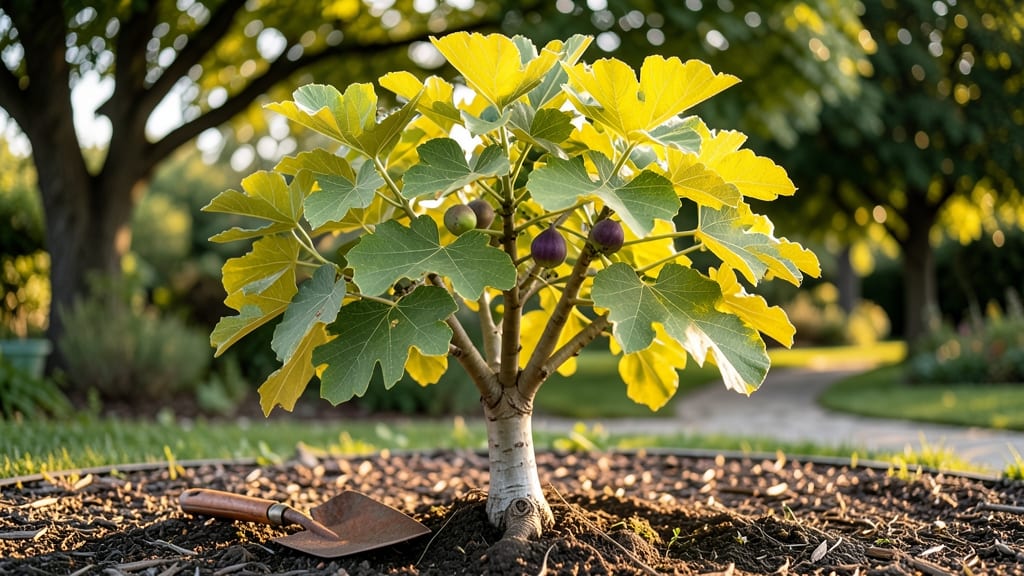
Growing a yellow fig tree that bears fruit in under three years isn’t just possible—it’s the fastest way to turn your backyard into a sweet, sun-drenched oasis.
I’ve watched mine go from a bare-root sapling to a heavy-fruiting tree in just 24 months, and the secret lies in mimicking its Mediterranean roots with simple care. The key? Warmth, well-draining soil, and patience during those first critical months when roots establish.
You’ll need a spot with at least 6 hours of sun daily, a sandy-loam mix (think 60% soil, 30% compost, 10% perlite), and a watering routine that keeps the soil moist but never soggy.
Pruning comes later—once the tree’s established, it rewards you with golden, honey-sweet figs that ripen in late summer. The real magic? This tree thrives on neglect once it’s past the first year, making it perfect for busy gardeners who still want a jaw-dropping harvest.
📚 In This Guide
- What you need
- Instructions
- Tips and common mistakes
- Wrapping up and next steps
What you need
- ● Yellow Fig Tree: 1 sapling (2–3 feet tall, from a nursery or online supplier)
- ● OR 1–2 ripe figs (for seed propagation)
- ● OR 3–5 healthy cuttings (4–6 inches long, from a mature tree)
- ● Container or Planting Site: 1 large pot (15+ gallons) with drainage holes (if growing in containers)
- ● Well-draining soil mix (50% potting soil, 30% perlite, 20% compost)
- ● 1–2 bags of organic mulch (for moisture retention)
- ● Tools: Garden trowel or shovel
- ● Pruning shears (sterilized)
- ● Watering can or hose with a gentle spray nozzle
- ○ pH testing kit (optional but helpful)
- ● Slow-release fertilizer (balanced 10-10-10 or citrus-specific)
- ● Epsom salt (for magnesium boost, 1 tbsp per gallon of water)
- ● Tree support stake (if planting in windy areas)
- ● Drip irrigation system (for consistent watering)
- ● Frost cloth (if growing in colder climates)
Step-by-Step instructions for planting and cultivating a yellow fig tree
Here's how to get your fig tree thriving—and fruiting—quickly with the right approach.
🌱 Step 1: Choose the Perfect Location and Plant at the Right Time
Figs thrive in full sun, so pick a spot that gets at least 6-8 hours of direct sunlight daily. Yellow figs, in particular, tolerate heat better than some varieties, but they still need protection from harsh afternoon sun in hot climates. If you're planting in late winter or early spring, wait until after the last frost date—figs hate cold soil and will struggle if planted too early.
Dig a hole twice as wide as the root ball but only as deep. Figs dislike being buried too deeply, which can suffocate the roots. Mix the excavated soil with 2-3 inches of compost to improve drainage and fertility. Place the tree in the hole, ensuring the graft union (the bump where the top and rootstock meet) sits 1-2 inches above soil level. This prevents rot and encourages stronger growth.
☀️ Step 2: Water Deeply and Mulch to Retain Moisture
After planting, water deeply—soak the root zone until water drains out the bottom of the hole. Figs need 1-2 inches of water per week, but they’re drought-tolerant once established. Overwatering is the biggest mistake beginners make; soggy soil leads to root rot. Instead, let the top 2-3 inches of soil dry out between waterings, then give a thorough soak.
Spread 3-4 inches of mulch around the base of the tree, keeping it 6 inches away from the trunk. Use organic mulch like wood chips or straw to retain moisture and regulate soil temperature. Replenish mulch as it breaks down—this keeps the roots cool in summer and prevents weeds from competing for nutrients.
🌿 Step 3: Prune Strategically for Faster Fruit Production
Figs fruit on new wood, so pruning in late winter or early spring encourages vigorous growth and heavier yields. Start by removing dead, diseased, or crossing branches—these steal energy from productive growth. Cut back any suckers (shoots growing from the base) unless you’re propagating new trees, as they divert resources from fruit production.
Shape the tree by thinning out overcrowded branches to improve airflow. Aim for an open, vase-like structure with 4-6 main branches spaced evenly. Avoid heavy pruning in the first year—let the tree establish its framework. Once established, prune lightly each year to maintain shape and encourage fruit-bearing spurs.
⏰ Step 4: Fertilize Lightly and Monitor for Pests
Figs aren’t heavy feeders, but they benefit from balanced fertilizer in early spring. Use a 10-10-10 or 5-5-5 formula at half strength to avoid burning roots. Scatter the granules around the drip line (the edge of the tree’s canopy) and water deeply to activate them. Stop fertilizing 6-8 weeks before harvest—too much nitrogen late in the season delays fruit ripening.
Watch for aphids, scale, or spider mites, which love fig trees. Treat infestations early with neem oil or insecticidal soap, applying in the early morning or evening when pests are active. Yellow figs are less prone to fungal diseases than some varieties, but powdery mildew can appear in humid conditions. Improve airflow with pruning and avoid overhead watering to prevent issues.
✂️ Step 5: Harvest and Encourage Repeat Cropping
Figs ripen asynchronously, meaning they’ll drop when fully ripe. Harvest when the fruit is soft, slightly yielding, and changes from green to its mature color (yellow, purple, or brown, depending on the variety). Gently twist the fruit to detach it—don’t pull, or you’ll damage the branch. Harvest in the morning when temperatures are cooler to preserve sweetness.
After the first harvest, remove spent figs and prune lightly to encourage a second crop in warm climates. Figs can produce two crops per year in zones 8 and above. In colder regions, protect the tree with burlap wraps or frost cloth in winter to extend its life and fruit-bearing potential.
Tips & tricks for growing a thriving yellow fig tree
Took me years to figure out these essentials—here’s how to accelerate your fig tree’s growth and fruit production without the guesswork.
Sunlight Strategy: While yellow figs tolerate heat better than some varieties, they still need that 6-8 hours of direct sunlight daily for optimal growth. If you're in a hot climate, provide afternoon shade with a sheer curtain or lattice to prevent leaf scorch while still maximizing photosynthesis. I’ve seen trees in full afternoon sun struggle with sunburnt leaves, even though they’re heat-tolerant.
Root Zone Protection: The 1-2 inches above soil level placement of the graft union is non-negotiable—this prevents rot and encourages strong root development. If your soil is particularly heavy or clay-like, consider amending it with an additional 1-2 inches of perlite or coarse sand to improve drainage. Figs hate soggy roots, and this small adjustment can make all the difference in preventing root rot.
Pruning Precision: When shaping your tree in Step 3, focus on creating that open, vase-like structure with 4-6 main branches. I recommend using sharp, clean pruners to make cuts just outside the branch collar (the swollen area where the branch meets the trunk). This promotes faster healing and reduces the risk of disease. Also, avoid pruning during wet weather—fresh cuts are more susceptible to infections.
Watering Wisdom: The 1-2 inches of water per week guideline is perfect, but how you deliver it matters. Instead of frequent shallow waterings, use a soaker hose or drip irrigation to water deeply and slowly. This encourages deep root growth and prevents surface evaporation. In my experience, trees watered this way establish faster and produce fruit sooner than those given quick sprinkles.
Pro Tips for Yellow Fig Tree
- Took me years to figure out these essentials—here’s how to accelerate your fig tree’s growth and fruit production without the guesswork.
- Sunlight Strategy: While yellow figs tolerate heat better than some varieties, they still need that 6-8 hours of direct sunlight daily for optimal growth.
- Root Zone Protection: The 1-2 inches above soil level placement of the graft union is non-negotiable—this prevents rot and encourages strong root development.
Frequently asked questions
Got questions about growing your own yellow fig tree? You’re not alone! Here are some of the most common queries—and their answers—to help you grow like a pro.
How fast does a yellow fig tree grow, and when can I expect fruit?
A young yellow fig tree can grow 2–3 feet per year under ideal conditions, but fruit typically takes 2–3 years from planting. With proper care (sun, water, and a little fertilizer), you might see your first harvest in 1–2 years if starting from a mature cutting or grafted tree. Patience pays off—these trees reward speed!
Do yellow fig trees need full sun, or can they tolerate partial shade?
While they thrive in full sun (6+ hours daily), yellow fig trees can tolerate partial shade—especially in hot climates. However, too much shade reduces fruit production and weakens growth. If growing in USDA Zones 7–10, prioritize a south-facing spot or use dappled shade in extreme heat. Pro tip: Young trees benefit from afternoon shade in scorching summers.
Why aren’t my yellow fig leaves turning yellow, and what’s wrong?
Yellowing leaves (chlorosis) usually signal overwatering, nutrient deficiency, or fungal issues. Check these fixes:
- Watering: Let soil dry between waterings—figs hate soggy roots!
- Nutrients: Test soil for iron/zinc deficiency (common in alkaline soil). Amend with chelated iron or compost.
- Fungus: Prune affected leaves and treat with neem oil if spots appear.
Can I grow a yellow fig tree in a container, and what’s the best pot size?
Yellow figs adapt well to containers if given 5+ gallons of space (minimum 18" diameter). Use a well-draining pot with drainage holes and a mix of cactus/succulent soil + compost. Move pots indoors (or to a garage) in Zones 6–7 when temps drop below 20°F. Bonus: Container trees fruit earlier than ground-planted ones!
Are yellow figs sweeter than regular figs, and how do I know when they’re ripe?
Yellow figs (like ‘Celeste’ or ‘Violette de Bordeaux’) are sweeter and more aromatic than green varieties, with a honey-like flavor. Ripe figs are soft to the touch, slightly wrinkled, and smell fragrant. Avoid picking when firm—they won’t ripen off the tree! Harvest tip: Pick in the morning for peak sweetness.
What’s the easiest way to propagate a yellow fig tree from cuttings?
Use semi-hardwood cuttings (4–6" long) in late spring/early summer:
- Take a cutting just below a node, strip lower leaves.
- Dip in rooting hormone (optional) and plant in moist perlite/sand.
- Keep humid (use a plastic bag) and in bright, indirect light.
- Roots form in 4–8 weeks—transplant when established!
Wrapping up and next steps
Growing a yellow fig tree is a rewarding journey—packed with minimal effort and maximum satisfaction! With the right soil, sunlight, and a little patience, you’ll soon enjoy sweet, sun-kissed figs in just three years.
Whether you’re a seasoned gardener or a beginner, this hardy tree proves that beauty and bounty go hand in hand.
Ready to turn your backyard into a fig-filled paradise? Start by planting your tree this season—and don’t forget to share your progress with fellow plant lovers! 🌱✨