
Trees
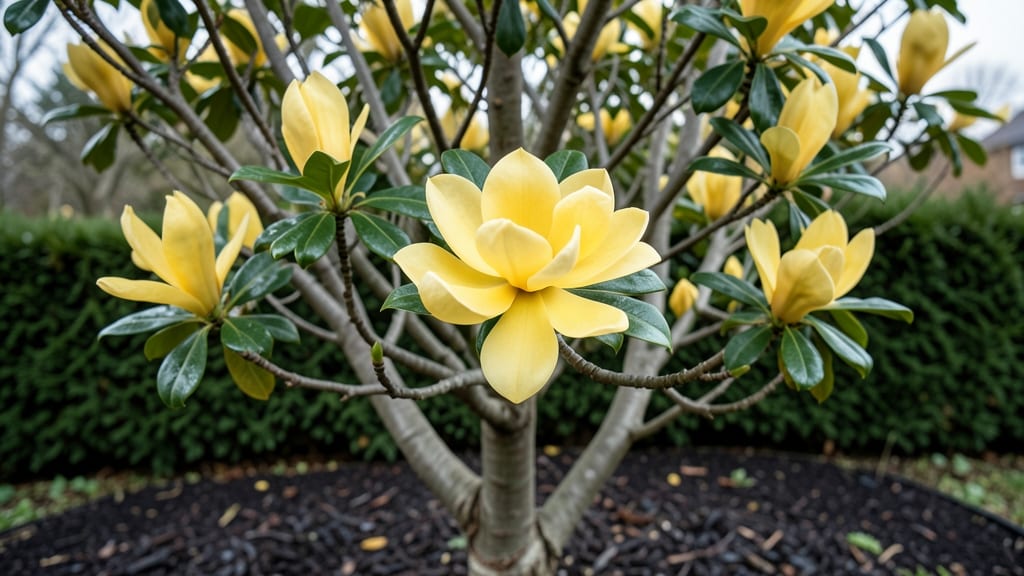
That stunning yellow bird magnolia tree transforms any garden into a sunlit sanctuary, its golden blossoms and intoxicating scent heralding spring’s brightest arrival. I’ve watched mine transform a shady corner into a showstopper—imagine that same magic in your yard.
The tree’s glossy leaves and bright flowers create a focal point that feels both elegant and welcoming.
This magnolia thrives as a specimen tree, mixed border star, or even near patios where its sweet scent lingers. Plant it where it can be admired year-round: its smooth bark and sturdy branches add winter interest, while spring blooms draw hummingbirds and butterflies.
Pair it with azaleas or camellias for layered color, or let it stand alone as a dramatic centerpiece.
📚 In This Guide
- What you need
- Instructions
- Tips and common mistakes
- Wrapping up and next steps
What you need
- ● Yellow Bird Magnolia Tree: A healthy 1- to 3-gallon container-grown sapling (ensure it’s disease-free and well-rooted).
- ● High-quality potting soil or native soil mix: 5+ bags (2 cubic feet each) for planting or amending garden soil.
- ● Organic mulch (pine bark or wood chips): 2–3 cubic feet to retain moisture and regulate temperature.
- ● Slow-release fertilizer (10-10-10 or similar): 1–2 pounds for initial planting.
- ● Watering can or hose with a gentle spray nozzle: For thorough, deep watering sessions.
- ● Garden trowel or spade: For digging holes and transplanting.
- ● Pruning shears (sterilized): To trim dead branches or shape the tree.
- ● Garden gloves: For protection while handling soil and roots.
- ● Measuring tape or ruler: To ensure proper planting depth (root flare should sit just above soil level).
- ○ Stakes and soft ties (optional): For young trees in windy areas.
- ● Sunlight: A location with full sun to partial shade (6+ hours of sunlight daily).
- ● Well-draining soil: pH 5.0–6.5 (test your soil or amend with compost if needed).
- ● Space: Minimum 15–20 feet of clearance for mature growth (can reach 25+ feet!).
- ● Patience: Magnolias grow slowly but thrive with consistent care!
How to plant and care for a thriving Yellow Bird magnolia tree
This stunning evergreen delivers year-round color and intoxicating fragrance—here's how to set it up for long-term success.
🌱 Step 1: Choose the Perfect Planting Location
Select a site with morning sun and afternoon shade—this protects the delicate blooms from harsh afternoon rays while ensuring enough light for photosynthesis. The Yellow Bird Magnolia thrives in USDA zones 7-10, so check your local climate zone before planting. I always test the spot by observing how sunlight moves across the area throughout the day.
Dig a hole twice as wide as the root ball but no deeper—this prevents root suffocation. The top of the root ball should sit 1-2 inches above ground level to prevent waterlogging. Loosen the soil at the bottom of the hole with your hands or a trowel, creating a cone shape to encourage roots to spread outward.
☀️ Step 2: Prepare Soil and Plant with Care
Amend the native soil with 3 inches of organic mulch (like pine bark or compost) mixed into the bottom of the planting hole. Yellow Bird Magnolias prefer well-draining, slightly acidic soil (pH 5.0-6.5). If your soil is heavy clay, add 1 part perlite to every 3 parts soil to improve drainage.
Gently remove the tree from its container and tease the roots outward if they're circling. Place it in the hole so the root flare (where roots meet trunk) is visible above the soil line. Backfill with native soil, pressing lightly to eliminate air pockets. Water deeply to settle the soil around the roots—you'll know it's right when water drains through the bottom of the hole.
💧 Step 3: Water and Mulch for Long-Term Health
Water deeply 2-3 times per week for the first 6-8 weeks after planting, ensuring moisture reaches 12-18 inches down. The soil should feel damp but not soggy—stick your finger 2 inches deep to check. Overwatering is the fastest way to kill a newly planted magnolia, so avoid shallow, frequent watering.
Apply a 3-inch layer of mulch (like pine straw or shredded bark) around the base, keeping it 6 inches away from the trunk to prevent rot. Mulch helps retain moisture and regulates soil temperature, but never let it pile against the trunk. Replenish mulch annually as it breaks down.
✂️ Step 4: Prune and Maintain for Optimal Growth
Prune in late winter or early spring before new growth begins. Remove any dead, diseased, or crossing branches first, then shape the tree by thinning out 10-20% of the canopy to improve airflow. Avoid heavy pruning—Yellow Bird Magnolias bloom on old wood, so aggressive cuts reduce next year's flowers.
Fertilize once in early spring with a balanced, slow-release fertilizer (10-10-10 ratio). Scatter the granules evenly under the canopy and water deeply to activate them. Avoid high-nitrogen fertilizers—they promote leafy growth at the expense of blooms. Test soil every 2-3 years to monitor pH and nutrient levels.
🪴 Step 5: Protect and Enjoy Year-Round Beauty
Young trees need winter protection in colder zones. Wrap the trunk with tree guard or burlap to prevent sun scorch and rodent damage. Mature trees handle winter well, but a light dusting of mulch around the base helps insulate roots in freezing temperatures.
Watch for scale insects or spider mites, which occasionally target magnolias. Treat infestations early with neem oil or insecticidal soap—these trees are tough but hate stress. With proper care, your Yellow Bird Magnolia will reward you with fragrant blooms in late winter and glossy foliage year-round.
Tips & tricks for perfect Yellow Bird magnolia tree planting
These simple strategies will help you avoid common pitfalls and give your magnolia the best possible start.
Location Scout Like a Pro: Before digging, spend a full day observing your potential planting spot. Note how sunlight shifts throughout the day—morning sun should reach the tree, but afternoon shade is essential to protect those delicate blooms from scorching. I've seen too many magnolias struggle because they were planted in full sun all day, which can cause leaf burn and stress.
Root Ball Prep: When removing your magnolia from its container, gently loosen any circling roots with your fingers—this encourages outward growth instead of a tangled mess. If the root ball is tightly packed, use a knife to make a few vertical cuts around the edges to help roots spread into the new soil. The wider the root spread, the more stable your tree will be in wind and storms.
Watering Wisdom: During those first critical 6-8 weeks, don't just water when the soil looks dry. Use a trowel to check moisture 2 inches deep—this is where the roots need hydration most. I've learned the hard way that surface watering creates shallow roots that can't support the tree long-term. Aim for that 12-18 inch deep moisture penetration every 2-3 days.
Mulch Mastery: That 3-inch layer of mulch isn't just decoration—it's your tree's winter blanket and summer cooler. Keep it 6 inches away from the trunk to prevent rot, but don't skimp on coverage. In hot climates, mulch helps maintain soil moisture, while in cold zones, it insulates roots from freezing temperatures. I always replenish mine in early spring before the growing season kicks in.
Pro Tips for Yellow Bird Magnolia Tree
- These simple strategies will help you avoid common pitfalls and give your magnolia the best possible start.
- Location Scout Like a Pro: Before digging, spend a full day observing your potential planting spot.
- Root Ball Prep: When removing your magnolia from its container, gently loosen any circling roots with your fingers—this encourages outward growth instead of a tangled mess.
Frequently asked questions
Got questions about the stunning Yellow Bird Magnolia? You’re not alone! Here are some of the most common inquiries from gardeners and homeowners eager to grow this showstopper.
What’s the best time of year to plant a Yellow Bird Magnolia?
The ideal time to plant your Magnolia × 'Yellow Bird' is in early spring or fall. This gives the tree time to establish roots before extreme summer heat or winter cold. Avoid planting in late fall or winter, as frost can stress young roots.
How cold can a Yellow Bird Magnolia tolerate?
This magnolia is hardy in USDA Zones 5-9, meaning it can handle temperatures as low as -20°F (-29°C). However, young trees may need winter protection (like burlap wraps) in colder zones until fully established. Mulch around the base to insulate roots!
How fast does the Yellow Bird Magnolia grow?
Expect moderate growth—about 12-24 inches per year—once mature. It typically reaches 20-30 feet tall and wide at full maturity. Patience is key, but its fragrant blooms make the wait worthwhile!
Can I grow a Yellow Bird Magnolia in a container?
While possible, it’s not ideal for long-term container life. These trees have aggressive root systems and thrive best in the ground. If you must pot it, choose a large (20+ gallon) container with drainage and repot every 2-3 years. Container-grown magnolias often bloom less prolifically.
Why aren’t my Yellow Bird Magnolia blooms lasting long?
Several factors can shorten bloom time: direct afternoon sun (can scorch petals), drought stress, or over-fertilizing with high nitrogen. Try placing it in morning sun/afternoon shade and watering deeply 1-2 times per week during dry spells. Deadheading spent blooms can encourage more flowers!
What’s a good alternative if I can’t grow a Yellow Bird Magnolia?
If your climate or space is tricky, consider these fragrant, yellow-blooming alternatives:
- Saucer Magnolia (Magnolia × soulangeana) – Larger blooms, zones 4-9.
- Crapemyrtle (Lagerstroemia) – Drought-tolerant, zones 6-9.
- Forsythia (Forsythia × intermedia) – Early spring blooms, zones 5-8.
- Daylily (Hemerocallis) – Perennial with golden varieties, zones 3-9.
Wrapping up and next steps
The Yellow Bird Magnolia isn’t just a tree—it’s a year-round burst of sunshine and fragrance that transforms any landscape into a serene oasis. 🌸 With its vibrant blooms, glossy foliage, and adaptability, it’s a standout choice for gardeners and nature lovers alike.
Whether you're drawn to its beauty, ease of care, or environmental benefits, this magnolia promises low-maintenance elegance and joy for seasons to come.
Ready to invite some sunshine into your yard? Start by researching local nurseries or trusted online sellers to find your Yellow Bird Magnolia sapling.
Once planted, enjoy the rewards of nurturing a tree that’ll thrive for decades—and don’t forget to share your blooming success with fellow plant enthusiasts! 🌿