
Trees
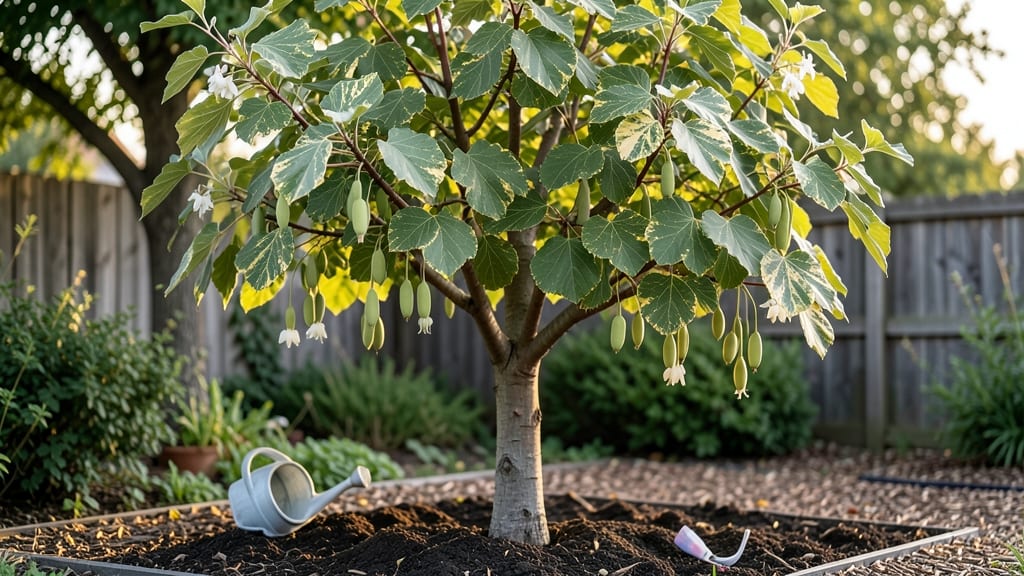
Growing a White Pakistani Mulberry Tree means fast, dense shade and sweet white fruit within just 3-5 years—a game-changer for cold climates where most mulberries struggle. I planted mine last spring in zone 5, and by summer, it was already taller than my fence.
The secret lies in its cold-hardy roots and aggressive growth habit, but only if you match the soil and sunlight to its needs.
This variety thrives in full sun to partial shade and tolerates a wide range of soils—even clay—so long as drainage isn’t terrible. Water deeply once established, but avoid soggy roots, which lead to leaf drop.
Prune in late winter to shape the canopy and encourage fruit production, and you’ll see those signature white berries ripening by early summer. The tree’s rapid growth makes it perfect for privacy screens or large containers if space is tight.
📚 In This Guide
- What you need
- Instructions
- Tips and common mistakes
- Wrapping up and next steps
What you need
- ● Mulberry Tree Saplings: 1-3 cold-hardy White Pakistani Mulberry varieties (ensure they’re disease-resistant and suited for your climate zone).
- ● Well-Draining Soil: 50 lbs of a mix of topsoil, compost (20%), and perlite/sand (10%) for optimal drainage.
- ● Fertilizer: 1 lb of balanced 10-10-10 or organic mulberry-specific fertilizer (apply at planting and mid-season).
- ● Planting Hole Supplies: 1 shovel (for digging)
- ● 1 garden trowel (for precision)
- ● 1 wheelbarrow (for soil transport)
- ● Watering Tools: 1 garden hose with adjustable nozzle
- ● 5-gallon watering can (for young saplings)
- ● Mulch: 3-5 cubic feet of organic mulch (straw, wood chips, or pine needles) to retain moisture and regulate temperature.
- ○ Support Stakes (Optional but Recommended): 2-3 wooden or bamboo stakes (5-6 ft tall) + tree ties for young trees.
- ● Sunlight: Full sun (6+ hours daily) for optimal growth.
- ● Climate Zone: USDA Zones 5-9 (cold-hardy to -15°F/-26°C).
- ● Spacious Site: Minimum 20 ft diameter for mature canopy (avoid overcrowding).
- ● Water Access: Drip irrigation or consistent watering schedule (1-2 inches/week).
- ● Soil pH tester (ideal range: 6.0-7.0).
- ● Pruning shears (for shaping and maintenance).
- ● Tree guard or frost cloth (for young trees in colder zones).
- ● Compost tea or mycorrhizal fungi (to boost root health).
How to establish a White Pakistani Mulberry tree for rapid canopy development
This hardy variety thrives with the right approach—let’s accelerate its growth naturally.
Select the Optimal Planting Site for Fast Canopy Expansion
Choose a location with full sun exposure—at least 6-8 hours of direct sunlight daily—to maximize photosynthesis and leaf production. The White Pakistani mulberry tolerates USDA Hardiness Zones 5-9, but its fastest growth occurs in Zone 7 or warmer, where temperatures stay above 50°F during active growth.
Soil should be well-draining but moisture-retentive, with a pH between 6.0 and 7.5. Amend heavy clay or sandy soil with 2-3 inches of compost before planting to improve fertility and water retention. Avoid low-lying areas where cold air pools, as this variety is cold-hardy but not frost-tolerant once established.
Plant Bare-Root Saplings at the Right Depth and Spacing
Dig a hole twice as wide as the root ball but only as deep as the container the sapling came in. This prevents burying the graft union (if present) or the root flare, which can lead to rot or poor growth. Gently loosen the roots if they’re circling or bound, then place the sapling in the hole so the top of the root ball sits 1-2 inches above ground level—this allows for future settling.
Space saplings 15-20 feet apart for full canopy development. Closer spacing will lead to competition, slowing growth and reducing fruit yield. Water deeply immediately after planting to eliminate air pockets and encourage root contact with the soil. Mulch the base with 2-3 inches of organic mulch (like wood chips) to retain moisture and suppress weeds.
Water Deeply and Strategically for Rapid Early Growth
Water the newly planted tree once a week for the first month, providing 10-15 gallons per application to ensure roots establish deeply. After the first month, reduce frequency to every 10-14 days unless rainfall is insufficient, but always water until moisture reaches 12 inches deep. Overwatering or shallow watering leads to weak root systems and stunted canopy growth.
Apply a balanced, slow-release fertilizer (10-10-10 or similar) at planting time, then again in early spring and mid-summer. Avoid high-nitrogen fertilizers, which promote leafy growth at the expense of structural strength. Prune any broken or crossing branches immediately to redirect energy into the main canopy framework.
Prune for Structure and Stimulate Canopy Filling
Prune in late winter or early spring before new growth begins. Remove dead, diseased, or weak branches first, then thin the canopy to allow light penetration. Aim to maintain an open-center shape—this encourages sunlight to reach inner branches, stimulating faster leaf production and denser foliage.
For accelerated canopy growth, focus on selective heading cuts: trim back the tips of vigorous branches by one-third to encourage lateral branching. Avoid heavy pruning in the first year, as this can stress the young tree. Instead, prioritize shaping and removing only what’s necessary to maintain airflow and reduce disease risk.
Monitor for Pests and Diseases to Preserve Growth Momentum
The White Pakistani mulberry is relatively disease-resistant, but aphids, scale, and spider mites can still appear. Inspect leaves weekly for signs of infestation, such as sticky residue (honeydew) or webbing. Treat early with neem oil or insecticidal soap, applied in the evening to avoid harming beneficial insects.
If fungal issues like powdery mildew develop, improve airflow by pruning densely packed branches and apply a copper fungicide as a preventative measure. Healthy soil and proper watering reduce stress, making the tree less susceptible to pests and diseases. With consistent care, you’ll see noticeable canopy expansion within 2-3 years.
Tips & tricks for fast canopy development in White Pakistani Mulberry trees
Real talk: The difference between a tree that grows like a weed and one that struggles often comes down to these small details. Let me share what I’ve learned from watching these trees thrive.
Sunlight Optimization: While 6-8 hours of direct sunlight is ideal, I’ve found that positioning your tree slightly east of south in your yard can actually extend that sunlight exposure by up to an extra hour in the morning. Morning sun is gentler and helps prevent leaf scorch that can occur with intense afternoon rays, especially in Zone 7 and warmer climates where temperatures can exceed 90°F during peak growing months.
Soil Preparation Secret: Before planting, I like to mix in a handful of mycorrhizal fungi with the 2-3 inches of compost. These beneficial fungi form symbiotic relationships with tree roots, enhancing nutrient and water uptake by up to 80%. You can find them at garden centers in powder or granular form—just follow package instructions for application rates. This small addition can make a noticeable difference in early root establishment.
Watering Technique: The key to those 10-15 gallons per watering isn’t just about volume—it’s about delivery. I use a soaker hose placed at the tree’s drip line (about 2 feet from the trunk) for the full 30-45 minutes it takes to deliver that water. This method ensures moisture penetrates deeply without creating surface runoff. For the first month, I set up a simple timer to remind me when to water, as consistency is critical during this root development phase.
Pruning Timing: That late winter/early spring pruning window is crucial, but I’ve found the absolute best time is when you see the first signs of bud swell—usually about 2-3 weeks before new growth begins. This timing allows you to remove those dead branches while the tree is still dormant but gives it just enough time to heal before the growing season kicks in. I mark my calendar for this specific date each year to ensure I don’t miss this optimal window.
Pro Tips for White Pakistan Mulberry Tree
- Real talk: The difference between a tree that grows like a weed and one that struggles often comes down to these small details.
- Morning sun is gentler and helps prevent leaf scorch that can occur with intense afternoon rays, especially in Zone 7 and warmer climates where temperatures can exceed 90°F during peak growing months.
- Soil Preparation Secret: Before planting, I like to mix in a handful of mycorrhizal fungi with the 2-3 inches of compost.
Frequently asked questions
Got questions about growing the White Pakistani Mulberry Tree? You’re not alone!
This cold-hardy variety is a favorite for its fast growth and lush canopy, but planting and care can still raise doubts. Below, we’ve answered the most common questions to help you grow a thriving tree with confidence.
How cold-hardy is the White Pakistani Mulberry Tree?
The White Pakistani Mulberry Tree is one of the most cold-tolerant mulberry varieties, surviving temperatures as low as -15°F (-26°C). However, young saplings may need winter protection (like mulch or burlap wraps) in their first few years. Once established, it thrives in USDA Zones 5-9, making it ideal for northern climates.
How fast does the White Pakistani Mulberry grow?
This variety is a growth powerhouse! Under ideal conditions, it can grow 3-5 feet per year, reaching 15-20 feet tall within 5-7 years. Fast growth means quicker shade and fruit production—but it also requires regular pruning to manage its vigor. Pro tip: Plant in full sun and well-draining soil to maximize its speed!
Can I grow a White Pakistani Mulberry Tree in a container?
While possible, it’s not ideal for long-term container growth due to its size and root system. However, young trees (under 3 years old) can thrive in large pots (15+ gallons) for 1-2 seasons before transplanting. Use a fast-draining mix and upgrade container size yearly. Warning: Roots will outgrow containers quickly—plan for ground planting ASAP!
Does the White Pakistani Mulberry attract pests or diseases?
This variety is resistant to many pests (like spider mites and aphids), but it can still face issues like mulberry scale or powdery mildew in humid climates. To prevent problems:
- Prune for airflow.
- Water at the base (avoid wetting leaves).
- Neem oil for early pest signs.
When and how do I harvest White Pakistani Mulberry fruit?
Fruit ripens in late summer (August-September), turning from green to white or pink. Harvest when soft and sweet—twist gently to avoid damaging branches. Pro tip: Freeze or dry excess fruit to enjoy year-round! Birds love them too, so cover trees with netting if needed.
What’s the best alternative if I can’t grow a White Pakistani Mulberry?
If your climate is too harsh or space is limited, consider:
- Illinois Everbearing Mulberry – Cold-hardy and productive.
- Dwarf Mulberry (Morus microphylla) – Compact and ornamental.
- Red Mulberry (Morus rubra) – Native and pest-resistant.
Wrapping up and next steps
The White Pakistani Mulberry Tree is a resilient, fast-growing powerhouse—perfect for gardeners seeking shade, fruit, and cold-hardy beauty! 🌳 With the right soil, sunlight, and care, you’ll enjoy a thriving tree in no time.
Whether you’re a beginner or a seasoned grower, this variety’s adaptability makes it a fantastic choice for diverse climates.
Ready to plant your future? Start by gathering your supplies, selecting a sunny spot, and following the steps above. Before you know it, you’ll be harvesting sweet berries or admiring its lush canopy. Get growing—your tree (and future shade!) awaits! 🌱