
Blooming
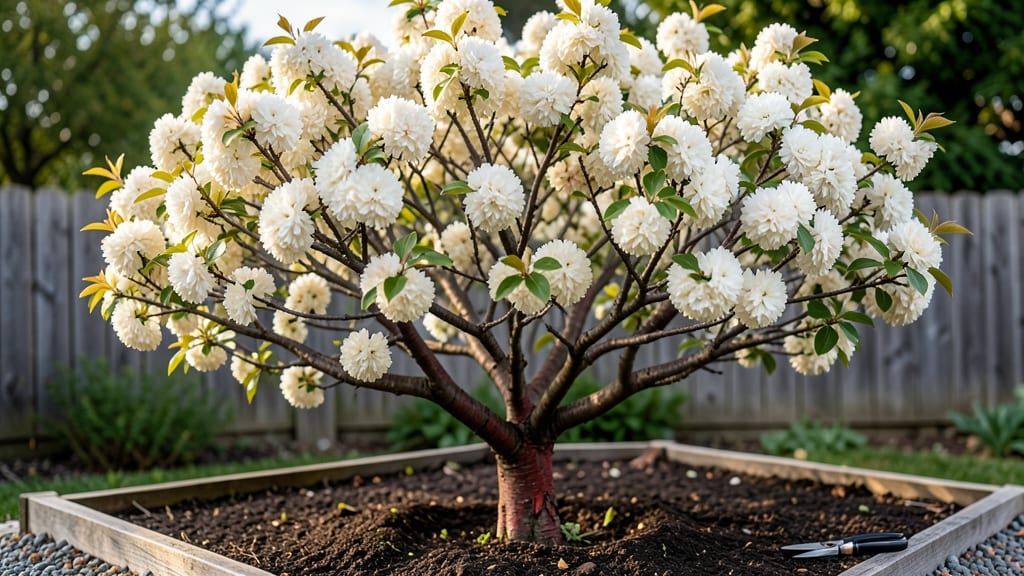
A white blooming cherry tree turns any yard into a springtime masterpiece with clouds of delicate blossoms that feel like a secret garden. 🌸 I planted mine near the patio, and now it’s the first thing guests notice—those snowy petals against fresh green leaves create a showstopper that lasts for weeks.
The best part? It doesn’t demand constant pruning like some ornamental trees, so you get stunning beauty with minimal effort.
These trees thrive in full sun but tolerate partial shade, making them versatile for lawns, borders, or as a dramatic focal point near walkways. Varieties like Prunus serrulata 'Kwanzan' offer double blooms in shades of pink and white, while Prunus avium delivers classic white flowers with a lighter maintenance profile.
Pair it with spring bulbs like daffodils or shade-loving perennials like hostas to extend the seasonal interest.
Beyond spring, the tree’s summer foliage stays lush, and some varieties develop fiery fall colors—adding another layer of visual appeal. With the right spacing (20–30 feet apart for mature trees), you create a natural, airy look that feels intentional.
The minimal pruning required keeps it manageable, so you spend more time enjoying the view than wielding shears.
Whether you’re designing a cottage garden, a modern landscape, or a simple backyard retreat, this tree delivers year-round interest with almost no fuss. The key is choosing the right variety for your climate and giving it space to grow into its full, graceful shape. Let’s make your outdoor space unforgettable.
📚 In This Guide
- What you need
- Instructions
- Tips and common mistakes
- Wrapping up and next steps
What you need
- ● White blooming cherry tree: Choose a Prunus serrulata (Kwanzan, Yoshino, or Autumnalis) variety, depending on your climate and bloom preferences.
- ○ High-quality potting soil or garden soil: 5+ gallons (for containers) or enough to fill a hole twice as wide as the root ball (for in-ground planting). Optional: Amend with compost for nutrient boost.
- ● Organic mulch: 2–3 inches of wood chips or shredded bark to retain moisture and regulate soil temperature.
- ● Balanced fertilizer: 10-10-10 or slow-release granular fertilizer (follow package instructions for dosage).
- ● Watering can or hose with adjustable nozzle: For gentle, deep watering (1–2 gallons per tree, 2–3 times per week in dry spells).
- ○ Hand pruners: Sharp, bypass-pruning shears (for small branches). Optional: Loppers for thicker branches (up to 1-inch diameter).
- ● Disinfectant (70% isopropyl alcohol or bleach solution): To sterilize tools between cuts and prevent disease.
- ● Gloves: Heavy-duty gardening gloves to protect hands from thorns and sap.
- ● Staking kit (if needed): For young trees in windy areas (2–3 stakes + soft tree ties).
- ● Sunlight: Full sun (6+ hours/day) for optimal blooms. Partial shade (4–6 hours) may reduce flowering.
- ● Climate zone: USDA Zones 5–8 (check your tree’s specific variety for hardiness).
- ● Space: Mature height of 20–30 feet; plant at least 15–20 feet from structures or other trees.
- ● Drainage: Avoid soggy soil—ensure containers have drainage holes or plant in well-draining ground.
How to care for a white blooming cherry tree
Here’s the simple routine that keeps these showstopping trees thriving with almost no fuss.
🪴 Step 1: Plant in the Right Spot for Year-Round Success
Choose a location with full sun exposure—at least 6-8 hours daily. White blooming cherries need space to grow, so plant 20-30 feet away from structures (they’ll reach 25-35 feet tall). The roots spread wide, so avoid planting near sidewalks or driveways.
Dig a hole twice as wide as the root ball but no deeper. Amend the native soil with 3-4 inches of compost mixed into the bottom of the hole—this improves drainage and gives roots a nutrient boost right away. Water the hole thoroughly before planting to settle the soil.
Real talk: Don’t plant too deep. The graft union (that bump near the base) should sit 2-3 inches above ground level. If buried too deep, the tree struggles to develop properly.
☀️ Step 2: Water Deeply and Infrequently After Planting
Water once a week for the first month, then taper to every 10-14 days once established (unless it’s extremely hot or dry). Newly planted trees need 15-20 gallons of water per week to settle roots. You’ll know it’s enough when water drains 6-8 inches deep.
Mulch around the base with 2-3 inches of organic mulch, keeping it 6 inches away from the trunk. This locks in moisture and regulates soil temperature. Replenish mulch annually—it breaks down over time.
Here’s the thing—white blooming cherries hate soggy roots. If your soil drains poorly, consider planting on a slight mound or amending with sand. Overwatering is the #1 way to kill these trees.
✂️ Step 3: Prune Only When Necessary (Minimal Work, Maximum Impact)
Prune during late winter or early spring, just before buds swell. Remove dead, crossing, or diseased branches first—these are the only cuts you’ll make regularly. Use sharp pruners to make clean cuts at a 45-degree angle, just outside the branch collar.
Thin out crowded branches to improve airflow, but never remove more than 25% of the tree’s canopy in one season. The goal is to maintain an open center that lets light reach all branches—this ensures those stunning white blooms appear everywhere.
I know it seems counterintuitive, but resist the urge to prune for shape. These trees grow naturally beautiful, and heavy pruning stresses them. Just focus on removing what’s clearly problematic.
🌿 Step 4: Feed Only Once a Year for Strong Growth
Apply a balanced 10-10-10 fertilizer in early spring, right as buds begin to swell. Use ½ pound per inch of trunk diameter (measure at chest height). Water the tree deeply before and after applying fertilizer to prevent root burn.
Skip fertilizing in fall or winter—cherry trees go dormant, and extra nutrients just encourage weak growth. If your tree’s leaves look pale or growth stalls, that’s your only clue it needs feeding. Otherwise, let the soil’s natural fertility do the work.
This is the moment that matters: If you fertilize too late in spring, you’ll trigger new growth that won’t harden off before winter. Timing is everything.
Tips & tricks for perfect white blooming cherry tree care
A few simple tricks will help you avoid common pitfalls and keep your white blooming cherry tree looking its absolute best with minimal effort.
Sunlight Strategy: While the instructions call for at least 6-8 hours of daily sun, I've found that positioning your tree where it gets morning sun and afternoon shade in hot climates actually extends bloom season. The delicate white flowers can scorch in intense afternoon heat, especially in zones 7 and above. If you notice leaves curling or browning, that's your tree's way of saying "too much sun."
Soil Test Tip: Before planting, grab a simple soil test kit from your local garden center—it's just $10 and can save you headaches. White blooming cherries prefer slightly acidic soil (pH 6.0-6.5). If your test shows alkaline soil, mix in 2-3 pounds of sulfur per 100 square feet and retest in 2 months. The right soil pH makes all the difference in root development and bloom production.
Watering Watch: The 10-14 day watering schedule works beautifully, but here's what nobody tells you—check the soil moisture by sticking your finger 6 inches down. If it feels dry at that depth, water deeply. If it's still damp, wait another week. Overwatering is the silent killer of these trees, and the 6-8 inch drainage depth mentioned is your best friend for preventing root rot.
Pruning Pro Tip: When you're pruning in late winter, look for branches that are growing inward or rubbing against each other—these are the ones to remove first. I've seen trees with perfect bloom coverage because of this one simple habit. Use a sharp pair of pruners and make clean cuts just outside the branch collar. The 45-degree angle isn't just for looks—it helps water run off properly and prevents disease entry points.
Pro Tips for White Blooming Cherry Tree
- A few simple tricks will help you avoid common pitfalls and keep your white blooming cherry tree looking its absolute best with minimal effort.
- Sunlight Strategy: While the instructions call for at least 6-8 hours of daily sun, I've found that positioning your tree where it gets morning sun and afternoon shade in hot climates actually extends bloom season.
- Soil Test Tip: Before planting, grab a simple soil test kit from your local garden center—it's just $10 and can save you headaches.
Frequently asked questions
Got questions about keeping your white blooming cherry tree stunning with minimal effort? You’re in the right place! Here are answers to the most common queries—no pruning stress required.
When is the best time to plant a white blooming cherry tree?
Spring or early fall are ideal! Planting in spring (after the last frost) gives roots time to establish before summer heat, while early fall (6-8 weeks before frost) avoids winter stress. Avoid planting in extreme heat or cold—your tree will thank you with vibrant blooms next season!
How often should I prune a white blooming cherry tree?
Minimal pruning is key! Lightly shape in late winter or early spring (before buds swell) to remove dead branches or crossings. Avoid heavy pruning—it can reduce flowering. Focus on airflow and structure; most varieties bloom best with just a few strategic cuts.
Why aren’t my cherry tree flowers as white as they should be?
Dull or off-white blooms often signal nutrient deficiencies (like nitrogen or zinc) or over-fertilizing. Test your soil and amend with organic matter. Also, check for pests like aphids or disease (e.g., powdery mildew)—a gentle spray of neem oil can restore that bright, snowy look!
Can white blooming cherry trees handle cold winters?
Most varieties (like Prunus serrulata ‘Kwanza’) are hardy to USDA Zones 5-8, but young trees need winter protection. Mulch the base 3-4 inches deep and wrap the trunk with burlap if temps drop below 10°F. Everblooming types may need extra care—check your tree’s specific needs!
Are there low-maintenance alternatives to white blooming cherry trees?
Consider ornamental cherries like Prunus ‘Okame’ (early blooms, compact size) or Prunus ‘Shirofugen’ (pinkish-white flowers). For even less fuss, try dogwoods or magnolias—they’re drought-tolerant and equally stunning.
Still curious? Drop your question below—we’re happy to help your tree thrive with zero pruning guilt!
Wrapping up and next steps
A white blooming cherry tree isn’t just a seasonal spectacle—it’s a year-round investment in beauty, resilience, and joy. With minimal pruning and thoughtful care, you’ve unlocked a low-maintenance yet stunning addition to your garden or landscape.
Whether you’re drawn to its delicate blossoms, lush foliage, or the promise of seasonal interest, this tree rewards patience and attention with effortless elegance.
Now that you’re equipped with the right knowledge, why not take the next step? 🌱 Visit your local nursery to choose your tree, or sketch a spot in your garden where it can thrive.
The best time to plant is spring or early fall—so grab your gloves, and let’s make your outdoor space even more magical! 🌸