
Pruning
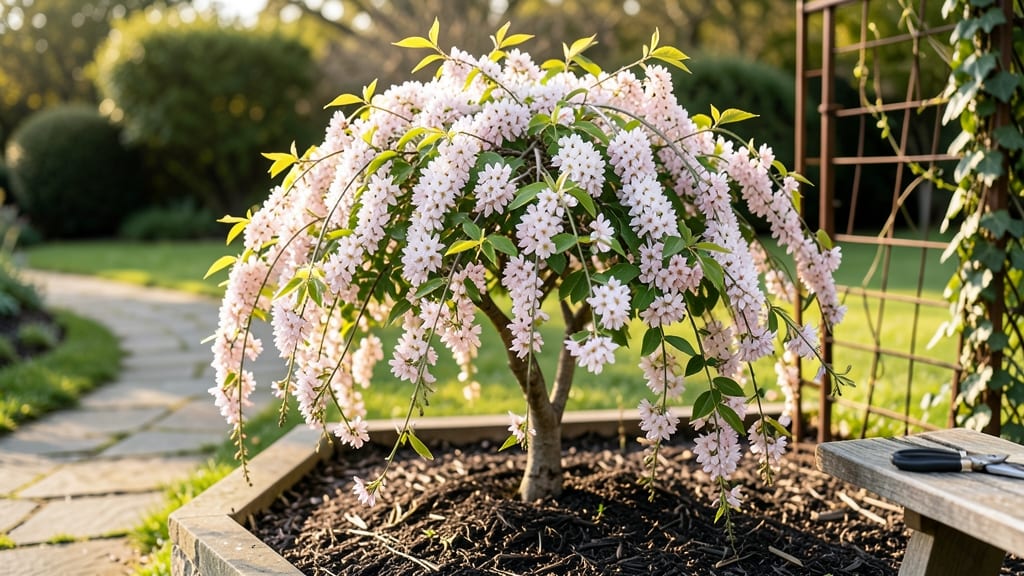
That first bite of sun-warmed cherry from your own weeping tree changes everything—edible weeping cherry trees aren’t just pretty; they’re the secret to backyard fruit harvests that taste like childhood memories.
I planted mine five years ago after seeing a neighbor’s tree heavy with sweet, dark fruit dangling like nature’s chandelier. The key? Choosing the right cultivar and pruning for both beauty and bounty.
Not all weeping cherries bear fruit—some are purely ornamental—but varieties like 'Skyline' or 'Stella Compact' deliver both stunning branches and juicy, 1-inch cherries that ripen in late June. You’ll need full sun, well-drained soil, and patience (they take 3-5 years to fruit), but the payoff is worth it.
My tree now produces enough for pies, snacks, and sharing with neighbors.
Pruning in late winter shapes the tree while encouraging fruit production—thin crowded branches and open the canopy to sunlight. When harvest time comes, you’ll spot ripe cherries by their deep red color and slight give when gently squeezed.
The birds will fight you for them, so act fast. One tree feeds a family for weeks, with minimal effort after the initial setup.
This works best in USDA zones 5-8, where winters are cold enough to break dormancy properly. For warmer climates, consider dwarf varieties that stay manageable. The real magic? Watching your kids (or grandkids) climb under the branches to pick fruit straight from the tree—no grocery store needed.
📚 In This Guide
- What you need
- Instructions
- Tips and common mistakes
- Wrapping up and next steps
What you need
- ● Harvesting gloves – 1 pair (nitrile-coated for grip and protection)
- ● Pruning shears – 1 pair (bypass-style, sharp, and sterilized)
- ● Harvesting basket or bucket – 1-2 (lightweight, with a handle, and lined with a cloth or mesh to prevent bruising)
- ● Ladder or step stool – 1 (if your tree is over 6 feet tall)
- ● Sharp knife or pruning saw – 1 (for trimming stubborn branches, if needed)
- ● Disinfectant solution – Small bottle (70% isopropyl alcohol or diluted bleach for sterilizing tools)
- ● Containers for storage – 1-2 (airtight, food-grade containers or reusable bags for short-term storage)
- ● Water spray bottle – 1 (to mist cherries if harvesting in hot weather)
- ● Cherry harvesting bag – 1 (breathable, with individual compartments to separate fruit)
- ● Harvesting scissors with long handles – 1 (for high branches without a ladder)
- ● Pesticide spray (organic or approved for edible crops) – Small bottle (if pests are a concern)
- ● Food-safe storage bags with ventilation holes – 2-3 (for longer-term storage)
- ● Labeling tags – Small pack (to mark varieties or harvest dates)
How to harvest edible fruit from a weeping cherry tree
Here's the foolproof way to pick sweet cherries at peak ripeness—no guesswork, just perfect flavor.
Identify the Right Time to Harvest
Cherries ripen from the bottom of the tree upward, so always check the lowest clusters first. Look for fruit that's deep red or purple with a slight gloss—this means full sugar development. The stem should pull away easily when you gently tug (this is called "stem slip"). If the cherry resists, it's not ready yet.
Harvest in the morning after dew has dried but before the sun peaks. The fruit holds more sugar and flavor when picked cool. Avoid picking after rain, as wet cherries bruise easily and won't store well. A light frost can improve flavor, but never pick after a hard freeze—bitter compounds develop.
Gather Tools and Prepare for Picking
You'll need a small ladder or step stool (cherries grow high on weeping branches), a bucket or shallow tray lined with a towel, and sharp pruning shears or a cherry picker. Wear gloves—cherry stems have tiny hairs that irritate skin. Place the bucket on the ground below the branch you're working on to avoid dropping fruit.
Work quickly in the shade to prevent the fruit from overheating. If you're picking in hot weather, take breaks in the shade and hydrate. Never leave cherries sitting in direct sun for more than 30 minutes after harvest—they'll start to ferment and lose flavor fast.
Harvest Cherries Gently for Maximum Quality
Hold the cherry between your thumb and forefinger, then twist gently until the stem snaps cleanly. Avoid pulling—this can tear the fruit or leave the stem attached, which speeds up spoilage. Discard any cherries with cracks, bruises, or signs of bird pecking. These won't store well and may harbor pests.
Fill the bucket no more than halfway to prevent crushing. Once you've picked about half, take a break and sort through the fruit. Remove any that feel soft or have a mushy texture—these are overripe and should be eaten immediately. Store the rest in a single layer in the refrigerator to maintain freshness.
Process and Store for Long-Term Enjoyment
Wash cherries only right before eating or using in recipes. Washing too soon removes the protective bloom that helps them last longer. For immediate use, pit and freeze cherries in a single layer on a tray before transferring to a bag. For fresh eating, keep them in the fridge for up to a week, but eat them within 3-4 days for the best flavor.
If you have more cherries than you can eat, consider making jam, drying them, or freezing them in syrup. The key is speed—process cherries within 24 hours of picking to preserve their vibrant color and sweetness. Label storage containers with the date to track freshness.
Tips & tricks for perfect weeping cherry fruit harvesting
Here's what I wish I knew before my first cherry harvest—these little details make all the difference between good fruit and truly exceptional cherries.
Timing Secret: The 30-minute window after harvest is critical. Cherries begin fermenting almost immediately when exposed to sunlight and warm temperatures. I learned this the hard way when I left my bucket in direct sun for 45 minutes—what should have been perfect fruit ended up with a slightly fermented, almost wine-like flavor. Keep your bucket in the shade and work quickly, especially on hot days.
Quality Factor: When checking for ripeness in Step 1, pay special attention to the stem. A true stem slip means the cherry is perfectly ripe—it should pull away cleanly with just a gentle twist. I've seen people tug too hard, which can actually damage the fruit. Think of it like turning a doorknob: just enough pressure to open it smoothly, not enough to break it.
Make-Ahead Move: You can absolutely process cherries ahead of time, but timing matters. The 24-hour window mentioned in Step 4 is your best bet for preserving flavor and texture. If you're making jam, I recommend processing within 12 hours for the freshest taste. For freezing, work within 24 hours, but don't wash them until right before use—this protective bloom is your best friend for extending shelf life.
Harvest Technique: The gentle twist method in Step 3 might feel awkward at first, but it's worth mastering. I used to pull cherries off, which often left stems attached and bruised the fruit. Now I can harvest a full bucket in half the time while keeping the cherries in perfect condition. Pro tip: Use your other hand to support the branch—this gives you better leverage for that clean twist.
Pro Tips for Weeping Cherry Tree Fruit Edible
- Here's what I wish I knew before my first cherry harvest—these little details make all the difference between good fruit and truly exceptional cherries.
- Timing Secret: The 30-minute window after harvest is critical.
- Quality Factor: When checking for ripeness in Step 1, pay special attention to the stem.
Frequently asked questions
Got questions about harvesting and enjoying weeping cherry tree fruit? You’re not alone! Here are some of the most common queries—plus straightforward answers to keep your cherry adventure smooth.
Can you eat the fruit from a weeping cherry tree?
Yes!
Weeping cherry trees (like Prunus subhirtella) produce small, tart-sweet fruits that are 100% edible when fully ripe. They’re often used in jams, syrups, or fresh snacks—just avoid unripe or bitter-tasting berries. Pro tip: Wait until the fruit softens slightly and turns a deeper red or pink for the best flavor.
When is the best time to harvest weeping cherry fruit?
Late spring to early summer
is peak season, typically May–June in most U.S. growing zones (5–8). Harvest when the fruit easily detaches from the tree with a gentle twist—it should feel firm but yield slightly to pressure. Check for a sweet-tart aroma near the stems. Morning harvests often yield juicier fruit since evening heat can dry them out.
Are weeping cherry fruits safe to eat raw?
Absolutely!
While they’re technically edible raw, their tartness can be overwhelming. Pair them with honey, sugar, or yogurt to balance flavors. Some gardeners ferment or cook them into cherry compotes for a milder taste. Note: If your tree is young or stressed, fruits may be smaller or more astringent—patience is key!
What if my weeping cherry tree isn’t producing fruit?
Don’t panic!
Several factors could be at play:
- Age: Young trees (under 3–5 years) may not fruit yet.
- Pollination: Some varieties need a second tree nearby for cross-pollination.
- Pruning: Over-pruning or poor sunlight can reduce blooms/fruit.
- Frost: Late spring frosts can damage flowers.
Can I substitute weeping cherry fruit for sweet cherries in recipes?
Yes, but with adjustments!
Weeping cherries are smaller and tartter than supermarket sweet cherries, so:
- Use 1.5x the amount in pies or jams (their high pectin content thickens faster).
- Add extra sugar (1–2 tbsp per cup) to balance tartness.
- Try savory dishes like glazes for pork or salads—they pair surprisingly well!
Wrapping up and next steps
Discovering that weeping cherry tree fruit is edible—and delicious—opens up a world of sweet, juicy rewards for gardeners and fruit lovers alike! 🌸 Whether you’re pruning for better yields, troubleshooting pests, or simply eager to enjoy homegrown cherries, the key is patience, proper care, and a little know-how.
Now that you’re armed with harvesting secrets and answers to common questions, it’s time to roll up your sleeves and get growing.
Your next step? Plant a weeping cherry tree—or nurture the one you already have—with confidence! Share your progress with fellow gardening enthusiasts, experiment with recipes, or even gift a basket of your homegrown cherries. The sweetest part? Your garden’s bounty is just a season away. 🍒✨