
Pruning
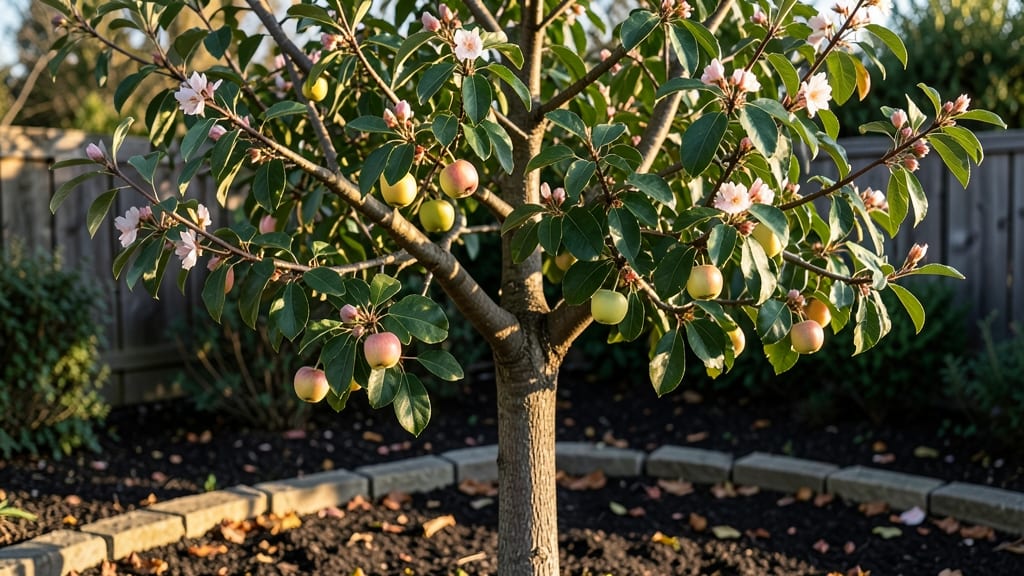
Growing wax apple trees in colder zones is possible with the right cold-resistant varieties—imagine harvesting sweet, crunchy fruit even when frost threatens your neighbors' gardens. 🌱 These tropical trees thrive in USDA zones 10-11, but newer hybrids like 'Pink Wax Apple' or 'White Wax Apple' stretch their limits with proper winter protection.
The key lies in microclimates, mulching, and strategic planting near south-facing walls where warmth lingers longer.
Your wax apple tree needs well-draining soil rich in organic matter, mimicking its native tropical forest floors. Plant in full sun (6+ hours daily) and water deeply 2-3 times weekly during the first year, then taper to weekly soakings once established.
The secret to year-round harvests? Pruning in late winter to remove dead wood and shape the canopy—this boosts air circulation and fruit production. I learned this the hard way after my first tree struggled with mildew in humid summers.
By midsummer, you'll be picking wax apples—those translucent, honey-sweet fruits that taste like a mix of grape and pear. The harvest continues into fall if you live in warmer zones, and even in colder areas, a well-wrapped tree can produce fruit until first frost.
Store harvested wax apples in the fridge for up to 2 weeks, or use them fresh in salads, desserts, or as a tropical snack straight from the tree.
For colder climates, consider growing your wax apple in a large container that you can roll indoors during winter. Dwarf varieties like 'Dwarf Wax Apple' stay manageable while still delivering fruit. The trade-off?
Container-grown trees need more frequent watering and occasional fertilizing with citrus-specific nutrients. Either way, the payoff is worth it—few fruits compare to that first bite of homegrown wax apple in late summer.
📚 In This Guide
- What you need
- Instructions
- Tips and common mistakes
- Wrapping up and next steps
What you need
- ● Wax apple tree saplings: Choose cold-resistant varieties like Syzygium aqueum or Syzygium malaccense (1-2 trees for small gardens, 3+ for larger spaces).
- ● High-quality potting soil: 10-15 gallons (mix in perlite or sand for drainage).
- ● Organic fertilizer: Slow-release, citrus-friendly blend (e.g., 10-10-10 NPK ratio).
- ● Mulch: Wood chips or straw (3-4 inches thick) to retain moisture and insulate roots.
- ● Pruning shears: Sharp, bypass-style (for small branches).
- ● Loppers: 8-10 inch (for thicker branches, up to 1.5 inches in diameter).
- ○ Pruning saw: For stubborn, large branches (optional but handy).
- ● Garden gloves: Heavy-duty, cut-resistant (to protect from thorns!).
- ● Disinfectant: 70% isopropyl alcohol or bleach solution (1 part bleach to 9 parts water) to sterilize tools.
- ● Watering can or hose: With adjustable nozzle for gentle watering.
- ● Tree supports (stakes or cages) for young saplings.
- ● Drip irrigation system for consistent moisture.
- ● Cold-frame or frost cloth (for young trees in harsh winters).
- ● Soil pH tester (ideal range: 5.5–6.5 for wax apples).
Step-by-Step guide to planting and caring for cold-resistant wax apple trees
Here's how to establish your wax apple tree for resilient growth and seasonal fruit production.
🌱 Step 1: Select and Prepare the Planting Site
Choose a location with full sun exposure (at least 6-8 hours daily) and well-draining soil. Wax apple trees thrive in slightly acidic to neutral soil with a pH between 6.0 and 7.5. If your soil is heavy clay, amend it with 2-3 inches of compost and 1 inch of coarse sand before planting. I always test soil drainage by digging a 12-inch hole, filling it with water, and checking if it drains within 4-6 hours. Slow drainage will lead to root rot.
Cold-resistant varieties do best in USDA Hardiness Zones 7-9, but with proper winter protection (like wrapping the trunk with burlap and mulching heavily), you can grow them as far north as Zone 6. Avoid low-lying areas where cold air pools—your tree will suffer frost damage even in cold climates. Space trees 15-20 feet apart to allow airflow and prevent fungal diseases.
🪴 Step 2: Plant the Tree at the Right Depth and Time
Plant your wax apple tree in early spring, after the last frost date in your area, when soil temperatures reach at least 60°F. Dig a hole twice as wide as the root ball but no deeper—planting too deep suffocates the roots. Gently remove the tree from its container and loosen any circling roots with your fingers. Place the tree in the hole so the top of the root ball sits 1-2 inches above ground level—this prevents water from pooling around the trunk.
Backfill the hole with native soil, tamping lightly every 6 inches to remove air pockets. Water deeply to settle the soil, then add a 3-inch layer of mulch (like wood chips) around the base, keeping it 6 inches away from the trunk. Over-mulching smothers the roots, while too little mulch leaves them exposed to temperature swings. Water twice weekly for the first month to encourage root establishment, and avoid fertilizing until new growth appears in 4-6 weeks.
☀️ Step 3: Provide Seasonal Care for Fruit Production
Wax apple trees need consistent moisture but hate soggy roots. Water deeply once weekly during dry spells, providing 1-2 gallons per tree depending on size. You’ll know it’s time to water when the top 2 inches of soil feel dry. In summer, prune to remove dead, diseased, or crossing branches using clean, sharp pruners. Cut just outside the branch collar to avoid leaving stubs, which invite infections.
Fertilize in early spring with a balanced 10-10-10 formula, applying ½ pound per inch of trunk diameter. For example, a 3-inch trunk gets 1.5 pounds of fertilizer. Avoid high-nitrogen fertilizers—they promote leafy growth at the expense of fruit. In fall, reduce watering as temperatures drop, but keep the soil slightly moist to prevent winter stress. Cold-resistant varieties still benefit from a thin layer of mulch in late fall to insulate roots.
✂️ Step 4: Harvest and Prune for Long-Term Health
Wax apples ripen in late summer to early fall, usually 8-10 months after flowering. Harvest when the fruit is firm but yields slightly to gentle pressure and has a sweet, fragrant aroma. Twist gently to avoid damaging the branch. Yield averages 50-100 fruits per mature tree, depending on variety and care. Store harvested fruit in a cool, dark place for up to 2 weeks—they don’t keep as long as some tropical fruits but are best enjoyed fresh.
Prune annually in late winter or early spring before new growth begins. Remove suckers (shoots growing from the base) and water sprouts (vertical shoots from branches) to redirect energy to fruit production. Thin out 25% of the oldest branches every few years to maintain an open canopy and improve airflow. This reduces disease risk and ensures year-round harvests by preventing overcrowding.
Tips & tricks for perfect cold-resistant wax apple trees
Your wax apple tree's success hinges on details that often get overlooked—here's how to avoid common pitfalls and optimize growth.
Soil Preparation Insight: When testing drainage in Step 1, I recommend using a perforated container instead of just digging a hole. This gives you a more accurate reading of how water moves through your specific soil type. The 4-6 hour drainage test is critical—if water pools at the bottom of your container, your tree will struggle with root rot. For heavy clay soils, I've found mixing in 1 part peat moss to the 2-3 inches of compost creates even better aeration while maintaining moisture retention.
Planting Depth Technique: The 1-2 inch elevation of the root ball above ground level in Step 2 might seem subtle, but it's what prevents water from sitting against the trunk. I've seen trees planted too deeply develop fungal issues from poor air circulation at the base. Use a level to ensure the root ball sits perfectly straight—uneven planting can cause the tree to lean and develop weak structural issues later.
Seasonal Watering Strategy: The once weekly watering guideline in Step 3 assumes average summer conditions. During heatwaves (especially in Zones 7-9), you may need to water every 4-5 days instead. I check soil moisture by inserting a screwdriver into the top 2 inches—if it comes out clean, it's time to water. Early morning watering prevents fungal issues from overnight moisture, and always water at the base rather than overhead to minimize leaf diseases.
Winter Protection Hack: For Zone 6 growers, the thin layer of mulch in late fall should be 3-4 inches thick and extend out to the drip line (where branches naturally reach). I wrap tree trunks with burlap strips secured with twine, leaving the top open to prevent moisture buildup. This simple protection has kept my Zone 6 trees thriving through winters that would otherwise kill tender varieties.
Pro Tips for Wax Apple Tree
- Your wax apple tree's success hinges on details that often get overlooked—here's how to avoid common pitfalls and optimize growth.
- Soil Preparation Insight: When testing drainage in Step 1, I recommend using a perforated container instead of just digging a hole.
- Planting Depth Technique: The 1-2 inch elevation of the root ball above ground level in Step 2 might seem subtle, but it's what prevents water from sitting against the trunk.
Frequently asked questions
Got questions about growing and caring for your wax apple tree? Here are some of the most common inquiries—plus straightforward answers to help you cultivate a thriving orchard!
Can wax apple trees survive cold winters?
Wax apple trees (like Syzygium malaccense) are prized for their cold-hardiness—especially cold-resistant varieties. Most can tolerate temperatures down to 25–30°F (-4 to -1°C), though younger trees or tender varieties may need winter protection (e.g., mulch or frost cloth). Choose Malaccense hybrids bred for your climate zone for year-round success!
How long does it take for a wax apple tree to bear fruit?
Patience is key! A healthy wax apple tree typically takes 3–5 years to produce its first fruit, depending on growing conditions, soil quality, and pruning practices. Dwarf varieties may fruit sooner (2–3 years), while standard trees can take up to 7 years. Pro tip: Fertilize annually with citrus-specific nutrients and ensure full sun (6+ hours/day) to speed up fruiting!
What’s the best time to prune a wax apple tree?
Prune your wax apple tree late winter or early spring (just before buds swell) to promote airflow and shape the tree. Avoid heavy pruning in fall—it can stress the tree before winter. Remove dead/diseased branches anytime, but never prune during fruit-bearing season (summer/fall) to protect energy reserves for next year’s harvest.
Can I grow wax apples in containers?
Yes! Wax apple trees thrive in large containers (15+ gallons) with well-draining soil. Opt for dwarf varieties (like ‘Malaccense Nana’) and ensure the pot has drainage holes. Move containers indoors or to a sheltered spot if temperatures drop below 32°F (0°C). Warning: Container-grown trees may fruit later than in-ground plants—plan for extra care!
What pests or diseases should I watch for?
Wax apple trees are generally low-maintenance, but keep an eye out for:
- Aphids (sap-sucking insects)—spray with neem oil.
- Scale insects (sticky residue)—wipe with soapy water.
- Fungal issues (e.g., root rot)—improve drainage and avoid overwatering.
Wrapping up and next steps
Growing a wax apple tree is a rewarding journey—especially when you choose cold-resistant varieties that thrive in diverse climates! 🌳❄️ With the right pruning techniques, soil prep, and seasonal care, you’ll enjoy year-round harvests of fragrant, edible fruit.
Whether you’re a beginner or a seasoned gardener, these resilient trees offer beauty, practicality, and delicious rewards.
Ready to take the next step? Start by selecting your preferred variety, then plant and prune with confidence. Happy growing—your future harvests are waiting! 🍎✨