Pruning
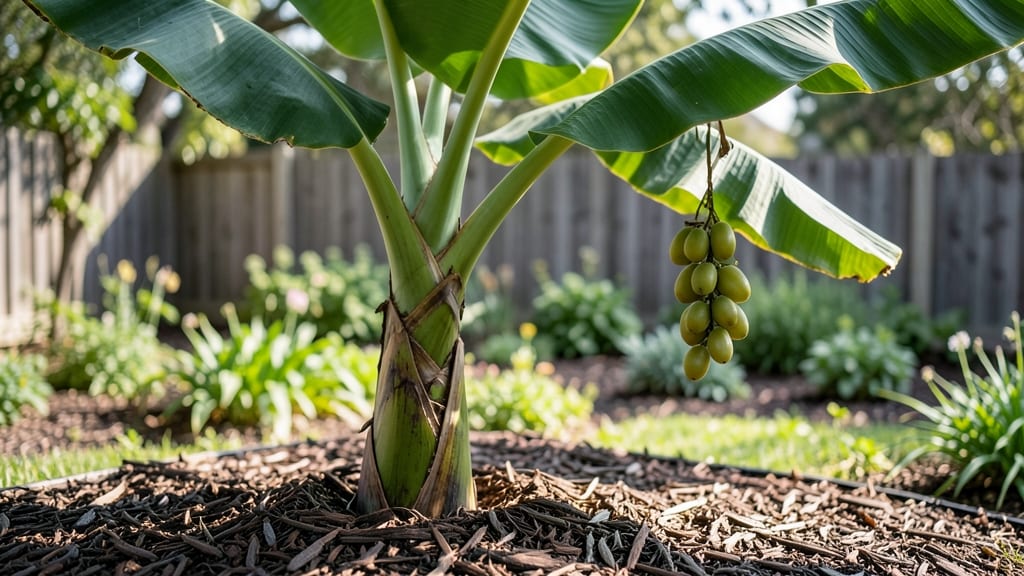
This hardy Japanese banana tree, like the Musa basjoo, thrives in zones 5-9, bouncing back from winters as cold as -10°F with lush foliage—and yes, even fruit!—year after year. 🌿 I’ve watched mine survive just a little strategic trimming, and the secret isn’t complicated.
It’s about timing, technique, and knowing when to let the plant rest.
The key is pruning in late winter or early spring before new growth starts, cutting back dead fronds to the ground while leaving the pseudostem intact. This hardy variety stores energy underground, so you’re not sacrificing next year’s harvest—just shaping the plant for better airflow and sunlight penetration.
Think of it like giving your tree a fresh start without the stress of summer heat.
What you’ll end up with is a neater, more productive plant that recovers faster after winter. The new fronds emerge stronger, and with proper care, you might even get those rare banana-like fruits (they’re edible but not as sweet as tropical bananas).
Plus, the dramatic canes add tropical drama to any yard, even in colder climates.
Works just as well in containers for patios or as a striking landscape focal point. The same principles apply whether you’re pruning a 5-foot sapling or a 15-foot mature tree. Let’s get those shears ready—your banana tree’s comeback starts here.
📚 In This Guide
- What you need
- Instructions
- Tips and common mistakes
- Wrapping up and next steps
What you need
- ● Pruning shears or loppers – Choose bypass-style (sharp, clean cuts) with a 12-16" blade for thick pseudostems.
- ● Heavy-duty gloves – Opt for gardening gloves with reinforced palms (banana fronds are spiky!).
- ● Disinfectant (70% isopropyl alcohol or bleach solution) – 1 part bleach to 9 parts water to sterilize tools between cuts.
- ○ Pruning sealant (optional but helpful) – Tree wound pruning paste to coat large cuts and prevent disease.
- ● Mulch (straw, wood chips, or pine needles) – 3-4 inches deep around the base for insulation.
- ● Burlap or frost cloth – For wrapping pseudostems in freeze-prone zones (USDA 7b and colder).
- ● Stakes & twine – 4-6 ft wooden stakes and jute twine to support heavy fronds post-pruning.
- ● Timing – Prune in late winter/early spring (Feb–March) before new growth starts.
- ● Weather check – Wait for dry, above-freezing days (30°F+).
- ● Tree health assessment – Remove only dead, damaged, or crossing pseudostems (leave 3–5 healthy stalks for regrowth).
- ● Water access – Have a hose or watering can ready to hydrate the base post-pruning.
- ● Hedge trimmer – For neatly trimming fronds if aesthetics matter.
- ● Compost bin – To recycle pruned fronds into nutrient-rich mulch.
- ● Thermometer – A soil/air thermometer to monitor microclimates.
- ● Fertilizer (balanced 10-10-10) – Apply after pruning to boost recovery.
Step-by-Step guide to pruning your hardy Japanese banana tree
Here's how to keep your cold-hardy banana thriving all season long.
✂️ Step 1: Prune Dead or Damaged Fronds in Early Spring
Start in late March or early April when new growth begins. Use clean, sharp pruners to remove any blackened, brown, or mushy fronds—these won’t recover. Cut at the base where the frond meets the trunk, making a clean slice at a 45-degree angle. This prevents water from pooling and rotting the trunk.
Watch for yellowing fronds with crispy edges—these are also dead and should go. Never leave dead material; it attracts pests and disease. If your tree has pseudostems (the thick, layered trunk), prune until you see healthy green tissue inside. This is your signal that you’ve cut enough.
🌿 Step 2: Thin Out Overcrowded Fronds for Better Airflow
Once your tree has 5-7 mature fronds, it’s time to thin. Remove the oldest, largest fronds first—these are the ones closest to the ground. Cut them at the base, leaving 3-4 younger, healthier fronds to continue growing. This improves airflow and sunlight penetration, which prevents fungal issues like black leaf streak disease.
Here’s the trick: Don’t remove more than 25% of the fronds at once. Your tree needs enough leaves to photosynthesize and store energy for fruit production. If you see new growth emerging from the center, that’s a good sign—your tree is recovering well from winter.
☀️ Step 3: Encourage Fruit Production with Strategic Summer Pruning
During June or July, when your tree is actively growing, look for flower stalks (inflorescences) emerging from the center. These are your future bananas! If you have too many flower stalks, prune all but 2-3 of the strongest ones. Weak stalks won’t produce fruit and drain energy from the tree.
Cut back any small, weak, or deformed flower stalks at the base. If a stalk is already producing fruit, leave it—but prune any suckers (small shoots) growing at the base of the trunk. These compete with the main plant for nutrients. After pruning, give your tree a light fertilizer to support new growth.
⏰ Step 4: Prepare for Winter with Late Fall Cleanup
By October or November, before the first frost, remove all remaining dead fronds and any yellowing or diseased leaves. Cut them back to healthy green tissue or the base of the trunk. This reduces hiding spots for pests and prevents them from overwintering in your tree.
If your tree is in a cold climate (below 10°F), wrap the trunk and pseudostem with burlap or frost cloth after pruning. This protects the growing point from freezing. Mulch the base with 2-3 inches of straw or leaves to insulate the roots. Check for ice buildup—if fronds freeze, they’ll turn black and need pruning in spring.
🌱 Step 5: Post-Pruning Care for a Strong Recovery
After pruning, water deeply to help the tree recover. Aim for 1-2 inches of water per week, especially if your area is dry. Avoid overhead watering—it can spread fungal spores. Instead, water at the base and mulch to retain moisture.
Monitor your tree for new growth in 2-4 weeks. If you see bright green shoots emerging from the center, your pruning was successful. If growth is slow, apply a balanced fertilizer (10-10-10) in early spring to give it a boost. Avoid heavy fertilizing right after pruning—it can stress the tree.
Tips & tricks for perfect hardy Japanese banana tree pruning
These simple strategies will help you maintain a thriving cold-hardy banana tree all year round.
Timing is Everything: The late March to early April window for Step 1 is crucial because this is when your tree naturally begins its spring growth cycle. If you prune too early, you risk exposing the growing point to late frosts. I've seen trees in Zone 5 that survived because I waited until after the last frost date in my area—always check your local frost calendar. The 45-degree angle cut isn't just about aesthetics; it creates proper drainage and prevents water from sitting against the trunk.
Seasonal Pruning Insight: During the June-July fruit production phase (Step 3), focus on keeping only the strongest flower stalks. I've learned that weak stalks actually drain energy from your tree, reducing the overall fruit yield. After pruning, I always give my tree a light application of fertilizer (10-10-10) to support new growth—this is especially important if you've removed more than 25% of the fronds in Step 2. The tree needs nutrients to compensate for the lost leaf surface.
Winter Protection Strategy: When preparing for winter (Step 4), the 2-3 inches of mulch around the base is non-negotiable for Zone 5-6 gardeners. I've had trees survive -15°F winters with this protection, but the key is using straw or leaves—not wet mulch. The frost cloth around the trunk creates a microclimate that can raise temperatures by 5-10°F, which makes all the difference in cold snaps. Always check for ice buildup after storms—frozen fronds will turn black and need removal in spring.
Recovery Signs to Watch For: The 2-4 week window for new growth (Step 5) is your best indicator of successful pruning. Bright green shoots emerging from the center mean your tree is happy, while slow growth suggests it needs more time to recover. I've found that trees pruned in late fall (October-November) often show new growth by early May if given proper winter care. The deep watering after pruning is essential—think of it as giving your tree a drink after surgery.
Pro Tips for Hardy Japanese Banana Tree
- These simple strategies will help you maintain a thriving cold-hardy banana tree all year round.
- Timing is Everything: The late March to early April window for Step 1 is crucial because this is when your tree naturally begins its spring growth cycle.
- Seasonal Pruning Insight: During the June-July fruit production phase (Step 3), focus on keeping only the strongest flower stalks.
Frequently asked questions
Got questions about growing and pruning your hardy Japanese banana tree? You're not alone!
Whether you're a first-time grower or a seasoned gardener, these answers will help you keep your tree thriving—even in cooler climates.
How cold can a hardy Japanese banana tree tolerate?
The hardy Japanese banana (Musa basjoo) can survive temperatures as low as 15–20°F (-9 to -6°C) with proper care. While it’s more cold-resistant than tropical bananas, young plants or newly planted trees may need winter protection (like mulch or burlap wraps) in zones below 7. Established trees often bounce back with minimal damage!
When is the best time to prune for cold climates?
Prune your hardy Japanese banana late winter or early spring (just before new growth starts) to remove dead fronds and shape the tree. Avoid heavy pruning in fall—this can stimulate tender new growth that won’t survive frost. Pro tip: Cut back fronds to the ground in late winter to encourage robust regrowth in spring!
Will pruning affect fruit production?
Hardy Japanese bananas are primarily grown for their ornamental value, not edible fruit (their bananas are small and seedy). Pruning focuses on removing dead fronds, improving airflow, and encouraging stronger growth. If you’re growing it for fruit, light pruning in spring will still support healthy pseudostems—but don’t expect a tropical harvest!
What if my tree looks dead after winter?
Don’t panic! Hardy Japanese bananas often appear dormant in winter but regrow from the rhizome. Wait until late spring (when soil warms to 60°F/15°C) before declaring it dead. If the base is still firm, water it well and protect it from late frosts. New shoots should emerge within a few weeks.
Are there cold-hardy alternatives to Japanese banana?
Yes! If you love the look but need even more cold tolerance, consider:
- Strelitzia nicolai (Giant White Bird of Paradise) – Zones 9–11, but can be grown in pots and overwintered indoors.
- Cordyline australis (Cabbage Tree) – Hardy to 10°F (-12°C) and drought-tolerant.
- Dracaena sanderiana (Lucky Bamboo) – Surprisingly cold-hardy in containers (down to 25°F/-4°C).
Wrapping up and next steps
Growing a hardy Japanese banana tree is a rewarding way to enjoy tropical fruit even in cooler climates—with the right pruning techniques, you’ll unlock year-round harvests and a thriving plant! 🌱 From understanding its unique growth patterns to mastering cold-resistant trimming, these steps ensure your tree stays resilient and productive.
Whether you’re a seasoned gardener or just starting, your dedication will pay off in delicious, homegrown bananas.
Ready to take the next step? Start small:
- Pick a sunny spot and gather your tools.
- Follow the pruning guide to trim with confidence.
- Monitor your tree’s progress and adjust care as needed.