
Pruning
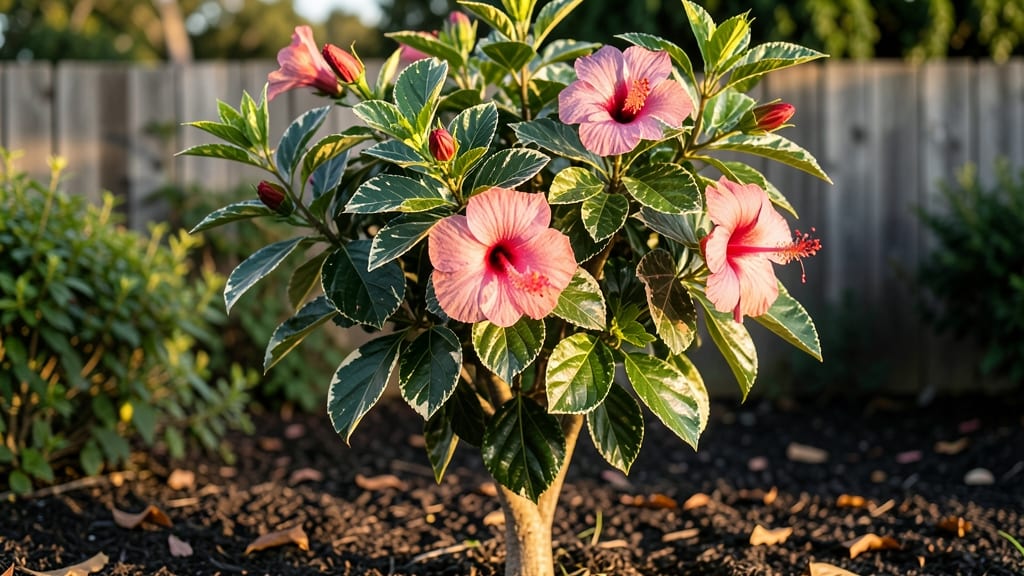
That variegated hibiscus tree with creamy edges and deep pink blooms deserves a pruning routine that keeps it lush and productive. 🌿 I’ve spent years perfecting mine—now it bursts with flowers year-round instead of looking like a tangled mess.
The secret isn’t just cutting back; it’s understanding when and why to shape it for maximum blooms.
Variegated hibiscus trees need light, strategic pruning to balance their striking foliage with heavy flower production. Most gardeners over-prune in winter, which stunts growth—my tree thrives when I trim just after blooming season ends. You’ll only need hand pruners, gloves, and 30 minutes to transform it from leggy to showstopping.
By the time summer rolls around, you’ll see bold new growth and clusters of blooms that outshine standard varieties. The variegation stays vibrant, and the tree stays compact enough for patios or small yards. This method works for both tropical and hardy hibiscus varieties.
Even in colder zones, a little winter protection keeps these beauties blooming. Let’s get your hibiscus looking like a pro’s—without the guesswork. The first cut is the easiest part; the magic happens in the details.
📚 In This Guide
- What you need
- Instructions
- Tips and common mistakes
- Wrapping up and next steps
What you need
- ● Pruning shears: Bypass pruners (sharp, clean, and sterilized with rubbing alcohol) for clean cuts on small to medium branches.
- ● Loppers: Heavy-duty, bypass-style (for branches ½"–2" thick). Look for ergonomic handles for comfort.
- ● Pruning saw: Bow saw or pruning saw for thick branches (2"+). Choose a fine-tooth blade to avoid tearing.
- ● Gloves: Garden gloves (cut-resistant, like mechanics’ gloves) to protect from thorns and sap.
- ● Disinfectant: Rubbing alcohol (70%+) or hydrogen peroxide (3%) to sterilize tools between cuts.
- ○ Sealing wax: Tree wound pruning sealant (optional but helpful for large cuts >1" in diameter).
- ● Ladder: Sturdy, extendable ladder (if your hibiscus is over 6–8 ft tall). Always use stabilizers for safety!
- ● Trash bags: Heavy-duty contractor bags (30–50 gallon) for debris removal.
- ● Weather check: Prune on a dry, overcast day (or early morning) to reduce stress on the plant.
- ● Water: Hose or watering can to hydrate the tree post-pruning (especially in hot climates).
- ○ Safety gear (optional): Long sleeves/pants (to avoid sap irritation).
- ● Safety glasses (if dealing with large branches).
- ○ Plant food (optional): Balanced fertilizer (10-10-10) to replenish nutrients after heavy pruning.
Step-by-Step instructions for pruning your variegated hibiscus tree
Here's how I keep my variegated hibiscus lush, blooming, and perfectly shaped year-round.
✂️ Step 1: Prune for Shape in Late Winter
Start your pruning in late winter, just as new growth begins to swell. This is when the plant is dormant but about to wake up, making it the ideal time to reshape without stressing the tree. Use clean, sharp pruning shears to make cuts at a 45-degree angle just above a leaf node or outward-facing bud.
Remove any dead, diseased, or crossing branches first—they compete for energy and can block light from reaching the variegated foliage. I like to start with the outermost branches, working my way inward to open up the canopy. This encourages light penetration to the inner growth, which is crucial for those stunning variegated leaves.
Don't overdo it—never remove more than one-third of the plant's total foliage in a single session. You'll see new growth emerge within 2-3 weeks if you've pruned correctly. If you notice yellowing leaves after pruning, it's a sign you've removed too much, and the plant is struggling to support itself.
☀️ Step 2: Encourage Blooms with Strategic Summer Trimming
During the summer growing season, focus on light trimming to maintain shape and encourage more blooms. Variegated hibiscus trees bloom on new wood, so you'll want to promote fresh, vigorous growth. Pinch back the tips of new shoots to encourage branching—this is where those beautiful flowers will appear.
Watch for overly leggy growth or branches that are growing toward the center of the plant. These are prime candidates for trimming. Cut back to just above a leaf node where you want new growth to sprout. I usually do this every 4-6 weeks during the peak growing months to keep the plant compact and full.
Here's the thing—if you see buds forming on the tips of branches, don't trim them. These are your future blooms, and cutting them off will reduce your flower count. Instead, trim just below the bud, leaving the flower intact. You'll know you're doing it right when you see new buds forming within 3-4 weeks along the trimmed branches.
⏰ Step 3: Light Pruning in Early Fall to Prepare for Winter
As temperatures begin to drop in early fall, shift your focus to light maintenance pruning. This is about cleaning up rather than reshaping. Remove any spent blooms, yellowing leaves, or branches that are growing in an unruly direction. This helps the plant redirect its energy to strengthening its structure for the winter ahead.
I also like to thin out any overly dense areas to improve airflow. Variegated hibiscus trees are susceptible to fungal issues if the foliage gets too crowded. Aim to leave at least 3-4 inches of space between branches to allow air to circulate freely. You'll notice the leaves look healthier and the variegation more vibrant if you've done this correctly.
Stop pruning 6-8 weeks before your first expected frost. This gives the plant enough time to harden off and prepare for dormancy. If you prune too late, new growth won't have time to mature before winter, and it could be damaged by cold temperatures.
🌿 Step 4: Post-Winter Inspection and Light Touch-Ups
After winter, perform a quick inspection of your variegated hibiscus tree before spring growth really kicks in. Look for any dead or broken branches from winter storms or cold snaps. These should be removed immediately to prevent disease from spreading. Make your cuts just above a healthy bud or leaf node.
If you notice any overly long or leggy branches that grew during the previous season, trim them back by about one-third to encourage bushier growth. This is also a great time to shape the tree—whether you want a more rounded form or a more open, airy look, now is the time to adjust. Just remember, variegated leaves need light, so avoid heavy pruning that could block sunlight from reaching the inner foliage.
Once you've finished, give your hibiscus a light application of balanced fertilizer to encourage new growth. You'll see fresh, vibrant leaves emerging within 2-3 weeks, and those variegated patterns will really pop if you've kept the plant healthy and well-lit.
Tips & tricks for perfect variegated hibiscus pruning
These seasonal secrets will help you maintain a stunning, healthy variegated hibiscus with vibrant blooms year after year.
Timing is Everything: The late winter pruning window in Step 1 is your golden opportunity to reshape without stressing the plant. Look for the subtle swelling of buds as your cue—this means the tree has broken dormancy and can handle pruning. I've learned the hard way that pruning too early (when buds are still tight) can shock the plant, while waiting too long (when growth is already active) can lead to leggy, weak branches. That 45-degree angle cut isn't just aesthetic—it helps water run off and prevents rot at the cut site.
Seasonal Strategy: Summer's every-4-6-week maintenance in Step 2 might seem frequent, but it's what transforms a single-stemmed plant into a lush, flowering bush. The key is to work with the plant's natural growth patterns: pinch back just as you see new shoots reaching 6-8 inches tall. This encourages branching at the leaf nodes, which is where those spectacular variegated leaves and flower buds will form. I mark my calendar with my phone's reminder app to stay consistent—those 3-4 weeks between trimming and new bud formation are critical for timing your next session.
Light Penetration Matters: In Step 3's early fall maintenance, remember that variegated leaves need light to maintain their striking patterns. When thinning dense areas, aim to create a "light skeleton" within the canopy—imagine you're creating pathways for sunlight to reach all foliage. I use a small flashlight to test my pruning: if light can shine through to the inner branches, you've achieved the right balance. This also reduces humidity buildup, which is particularly important for variegated varieties that can be more susceptible to fungal issues.
Winter Preparation: The 6-8 week rule before frost in Step 3 is non-negotiable for hardiness. I calculate this by checking my local frost date online and counting backward. This timing ensures new growth has time to mature and develop some cold tolerance before winter. For extra protection, I apply a thin layer of mulch around the base after my final fall pruning—this helps insulate the roots without smothering the plant. In Step 4, that post-winter inspection is your chance to remove any winter damage before new growth begins.
Pro Tips for Variegated Hibiscus Tree
- These seasonal secrets will help you maintain a stunning, healthy variegated hibiscus with vibrant blooms year after year.
- Timing is Everything: The late winter pruning window in Step 1 is your golden opportunity to reshape without stressing the plant.
- Seasonal Strategy: Summer's every-4-6-week maintenance in Step 2 might seem frequent, but it's what transforms a single-stemmed plant into a lush, flowering bush.
Frequently asked questions
Got questions about keeping your variegated hibiscus tree thriving with perfect pruning? You’re in the right place! Here are answers to the most common queries—from timing tricks to troubleshooting tips.
When is the best time to prune my variegated hibiscus tree for maximum blooms?
The ideal time is late winter or early spring, just before new growth begins. This encourages fresh, vibrant blooms while avoiding harsh summer heat. For light shaping, you can also prune after flowering in fall—but avoid heavy cuts then!
How much can I trim back without harming the tree?
You can safely remove up to one-third of the tree’s height in a single session, but avoid over-pruning. Focus on dead, diseased, or crossing branches first. For variegated varieties, prioritize leaves with strong color contrast to maintain their stunning look.
Why aren’t my variegated hibiscus blooms as vibrant after pruning?
Dim lighting or insufficient nutrients often cause dull blooms. Ensure your tree gets 6+ hours of sunlight daily and fertilize with a balanced, bloom-boosting formula (like 10-10-10) every 4-6 weeks during growing season. Yellowing leaves? Check for overwatering!
Can I propagate my variegated hibiscus from pruned cuttings?
Take 4-6 inch cuttings from healthy stems, dip in rooting hormone, and plant in moist potting mix. Keep them in bright, indirect light and maintain humidity (use a plastic bag or propagator). Roots should form in 4-8 weeks—perfect for expanding your collection!
How do I protect my variegated hibiscus from frost or cold snaps?
Variegated hibiscus are tropical—they thrive in USDA zones 9-11. For colder climates, move potted trees indoors before temps drop below 50°F. If planted in the ground, wrap the trunk with burlap and mulch heavily. Avoid pruning in winter, as new growth is frost-sensitive!
Wrapping up and next steps
The variegated hibiscus tree is a stunning addition to any garden, and with the right pruning techniques, you can keep it thriving year-round while enjoying abundant, show-stopping blooms. Remember, consistency is key—whether you’re shaping for aesthetics or encouraging growth, a little care goes a long way! 🌿✨
Ready to transform your hibiscus into a blooming masterpiece? Grab your pruners and start experimenting—your garden (and future neighbors!) will thank you. Happy pruning!