
Pruning
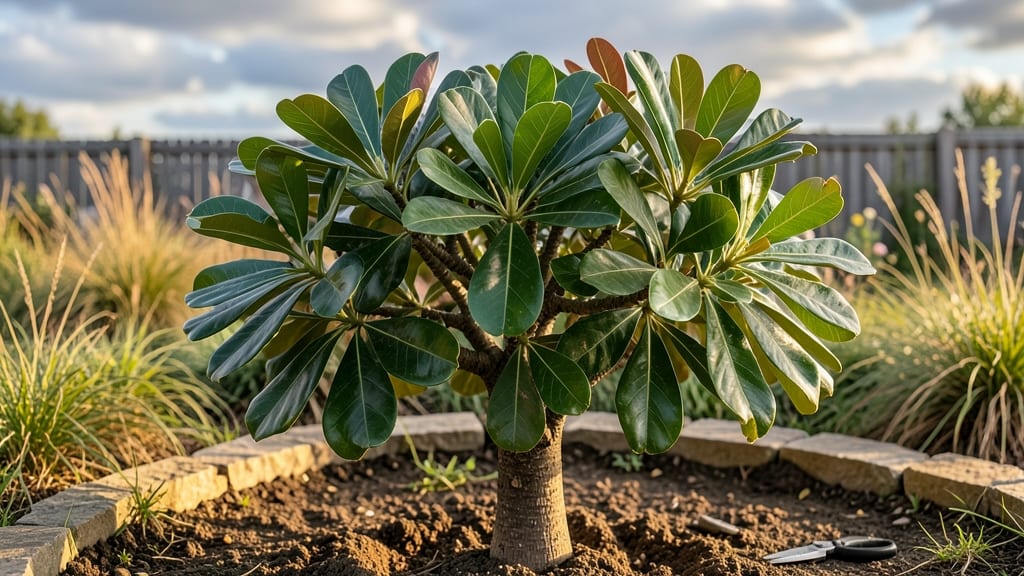
Growing an umbrella tree outdoors means year-round lushness—if you master the sunlight dance. ✨ I’ve watched mine transform from a struggling houseplant to a bold, sun-kissed statement in just two seasons, and the key was pruning for light exposure.
The secret isn’t complicated: it’s about timing, cuts, and letting that starburst foliage shine.
These trees thrive in bright, indirect light but crave a little afternoon sun to keep their leaves vibrant. Plant in well-draining soil—sandy loam works best—and water when the top inch feels dry.
If you’re in a windy spot, stake it until roots catch, or grow it in a heavy container that won’t tip over. Frost? Bring it indoors before temps drop below 40°F, or mulch heavily if you’re pushing its limits.
Pruning isn’t just about shaping—it’s about encouraging bushier growth. Trim back leggy stems in early spring, and pinch new growth to fill out the canopy. You’ll end up with a tree that looks like it belongs in a tropical courtyard, not just your backyard.
The foliage stays glossy, the branches fill in, and you’ll have that neighborhood envy all year.
Container growers, take note: these trees adapt beautifully to pots, making them perfect for patios or balconies. Just swap the soil every few years to keep nutrients fresh. With the right care, your umbrella tree will reward you with low-maintenance drama—and zero excuses to hide it indoors.
📚 In This Guide
- What you need
- Instructions
- Tips and common mistakes
- Wrapping up and next steps
What you need
- ● Pruning shears: Bypass pruners (sharp, clean, and sterilized with rubbing alcohol to prevent disease). Pro tip: 💡 A 10-12 inch pair works best for medium-sized branches.
- ● Hand pruners: For smaller branches or tight spaces (smaller blades, 6-8 inches).
- ○ Loppers: For thicker branches (14+ inches, optional if your tree is mature).
- ● Gloves: Heavy-duty gardening gloves (to protect against thorns and sap).
- ● Disinfectant: 70% isopropyl alcohol or a 10% bleach solution (for sterilizing tools between cuts).
- ○ Pruning sealant: Optional but helpful for large wounds (tree wound paint or pruning wax).
- ● Ladder or step stool: If your tree is taller than 6 feet (ensure it’s stable and rated for your weight).
- ● Trash bags or bucket: For collecting pruned branches (aim for 2-3 gallon-sized bags depending on tree size).
- ● Sharpie or label maker: To mark branches for removal (if planning ahead).
- ● Weather check: Prune on a dry, overcast day or early morning to avoid stressing the tree. ☀️
- ● Sunlight access: Ensure your workspace is well-lit (umbrella trees love bright, indirect light—just like their name suggests!).
- ● Water source: A 5-gallon watering can or hose for post-pruning hydration.
- ● Safety first: Wear closed-toe shoes and avoid pruning near power lines or in windy conditions.
- ● Tree health assessment: Inspect for pests/diseases (like spider mites or fungus) before pruning. Pro tip: 🌡️ If you spot issues, treat them before cutting!
- ● Hose attachment: For rinsing tools between cuts (keeps them sanitized).
- ● Tree growth regulator: Like seaweed extract or fish emulsion to boost recovery post-pruning.
- ● Mulch: 2-3 inches of organic mulch (e.g., wood chips) to retain moisture and protect roots.
- ● Camera or sketchpad: To document your tree’s shape before pruning (great for reference!).
Step-by-Step pruning for a thriving umbrella tree in full sun
Here's how to shape your umbrella tree for lush, year-round growth without stressing the plant.
🌿 Step 1: Assess the Tree's Structure and Health
Start by examining your umbrella tree's canopy from all sides. Look for branches that cross or rub against each other—these create weak points where disease can enter. I always scan for dead or dying branches first; they'll appear brown, brittle, or devoid of leaves. Use your fingers to gently test branch flexibility—healthy wood should bend slightly without snapping.
Check the tree's natural growth pattern. Umbrella trees develop in a rounded, multi-stemmed form, so avoid cutting back the central stems unless they're damaged. Focus instead on shaping the outer branches to maintain that signature "umbrella" silhouette. If you notice yellowing leaves clustered on one branch, that's often a sign of overwatering or poor drainage—address that before pruning.
✂️ Step 2: Remove Dead and Problematic Branches First
Grab your pruning shears and start at the outer edges of the tree, working your way inward. Cut out any branches that are dead, diseased, or crossing others at an angle. Make clean cuts just outside the branch collar—the swollen area where the branch meets the trunk—to prevent unsightly stubs. For branches thicker than ½ inch, use your pruning saw to avoid tearing the bark.
Don't remove more than 25% of the tree's foliage in one session—this ensures the umbrella tree can recover without stress. If you're unsure whether a branch is dead, scratch the bark with your thumbnail. Green underneath means it's still alive; brown means it's time to cut. I always prune on a dry day to reduce the risk of fungal infections entering through fresh cuts.
🌿 Step 3: Shape the Canopy for Balance and Airflow
Now focus on shaping the tree's natural form. Step back and visualize the ideal rounded shape, then trim branches that disrupt that symmetry. Start with the outer branches, cutting back to just above a leaf node or lateral bud. This encourages new growth in the right direction. For thicker branches, make your cut at a 45-degree angle, about ¼ inch above the bud to prevent water from pooling.
Pay special attention to the tree's lower branches. Umbrella trees can grow quite tall, so thinning out the lower foliage improves airflow and sunlight penetration to the inner canopy. Aim to create an open, airy structure—this prevents humidity buildup, which can lead to fungal issues. If you're unsure about a cut, hold your hand where you plan to trim and step back to see if it improves the tree's balance.
☀️ Step 4: Prune for Sun Exposure and Seasonal Growth
Umbrella trees thrive in full sun, so your pruning should enhance light penetration to the inner branches. Focus on removing any branches that cast too much shade on the center of the tree. Cut back any overly long or leggy branches to encourage bushier growth. I like to prune in late winter or early spring, just before new growth begins—this gives the tree time to recover before summer heat stress.
For year-round foliage, avoid heavy pruning in fall. Instead, do light maintenance to remove only dead or damaged branches. If you notice new growth starting in late summer, you can give it a light trim to redirect energy toward stronger fall growth. Always sterilize your pruning tools with rubbing alcohol between cuts to prevent spreading disease from one branch to another.
⏰ Step 5: Clean Up and Monitor Recovery
After pruning, rake up all the debris and dispose of it properly—don't leave clippings on the ground, as they can harbor pests and diseases. Give the tree a light watering to help it recover from the stress of pruning, but avoid overwatering, which can lead to root rot. Monitor the tree closely in the days following pruning—new growth should appear within 4-6 weeks if the cuts were made correctly.
Here's the thing—your umbrella tree will tell you if you've over-pruned. If you see excessive leaf drop or slow growth, you've taken too much off. In that case, next year's pruning should be minimal, focusing only on dead branches and light shaping. With the right approach, your umbrella tree will reward you with vibrant, sun-loving foliage all year long.
Tips & tricks for perfect umbrella tree pruning
These essential strategies will help you maintain your sun-loving umbrella tree's health while preserving its signature shape.
Branch Health Test: In Step 1, when assessing branch health, I've found that using a small pocket magnifying glass helps identify early signs of disease or pest infestations. Look for tiny holes, webbing, or unusual discoloration that might not be visible to the naked eye. Healthy bark should be smooth and slightly flexible—never rigid or cracking. This extra inspection gives you a head start on treating issues before they spread.
Precision Cutting Technique: For Step 2, when making those critical cuts just outside the branch collar, I recommend using a sharp pruning saw for branches thicker than ½ inch. The key is to make the cut at a slight downward angle—this helps rainwater run off rather than pool at the cut site. I also keep a small bottle of pruning sealant handy for larger cuts to prevent moisture loss and disease entry, though this is optional for most home gardeners.
Seasonal Timing Strategy: The instructions mention late winter/early spring as ideal, but I've learned that in warmer climates, you can prune up to two months earlier. The rule of thumb is to prune when you see new growth buds starting to swell but before they actually open. This timing ensures the tree has time to recover before summer heat stress. Always avoid pruning during extreme heat or cold—your tree will thank you with healthier foliage.
Recovery Monitoring: After pruning, I set a reminder to check the tree's progress at the 4-6 week mark mentioned in Step 5. Look for new growth at the cut sites—this indicates successful healing. If you notice yellowing leaves at the branch tips, it might mean you pruned too late in the season. In this case, reduce pruning next year and focus on maintaining rather than shaping.
Pro Tips for Umbrella Tree Outdoors
- These essential strategies will help you maintain your sun-loving umbrella tree's health while preserving its signature shape.
- Branch Health Test: In Step 1, when assessing branch health, I've found that using a small pocket magnifying glass helps identify early signs of disease or pest infestations.
- Precision Cutting Technique: For Step 2, when making those critical cuts just outside the branch collar, I recommend using a sharp pruning saw for branches thicker than ½ inch.
Frequently asked questions
When is the best time to prune an umbrella tree outdoors?
The ideal time is late winter or early spring, before new growth begins. This helps shape the tree while it’s dormant and avoids stressing it during hot months. Avoid heavy pruning in summer or fall, as it can stunt growth or leave it vulnerable to pests.
How much can I trim an umbrella tree without harming it?
You can safely remove up to 25-30% of the tree’s foliage in one session. Focus on thinning out crowded branches and removing dead or crossing limbs. Avoid over-pruning—this can weaken the tree and reduce its ability to filter air and provide shade.
Does an umbrella tree need full sun to thrive outdoors?
Yes! Umbrella trees (Schefflera actinophylla) love bright, indirect light to partial sun. While they tolerate some shade, too little sunlight can lead to sparse foliage and leggy growth. Place it where it gets at least 4-6 hours of morning sun for best results.
How do I protect my umbrella tree from outdoor elements like wind or frost?
Umbrella trees are tropical and sensitive to cold. If frost is forecast, bring potted trees indoors or cover them with frost cloth. For wind, stake young trees or plant them near a wall/fence for shelter. Mulch the base to insulate roots in cooler climates.
What can I do if my umbrella tree’s leaves turn yellow or brown after pruning?
Yellowing leaves often signal overwatering or root stress from pruning. Let the soil dry slightly between waterings and avoid fertilizing right after trimming. Brown edges may mean low humidity—mist leaves occasionally or use a pebble tray. If issues persist, check for pests like spider mites.
Are there alternatives to umbrella trees for outdoor shade with similar care?
If umbrella trees aren’t ideal for your climate, consider Ficus elastica (rubber plant), Dracaena marginata (dragon tree), or Fatsia japonica. These also thrive outdoors in partial sun and offer lush foliage. Just ensure they’re hardy to your zone!
Wrapping up and next steps
Transforming your umbrella tree into a lush, sun-kissed centerpiece is totally within reach—with the right tools, timing, and care! 🌿 Whether you’re shaping it for aesthetic appeal or promoting healthier growth, pruning outdoors ensures year-round foliage that turns heads.
Remember, patience and consistency are key, and soon, your tree will reward you with vibrant, sun-loving branches.
Ready to take the next step? Grab your pruners, mark your calendar for the best pruning seasons, and start small! Even a few well-placed cuts can make a world of difference. Happy pruning—your umbrella tree is waiting for its glow-up! 🌞