
Neem Oil
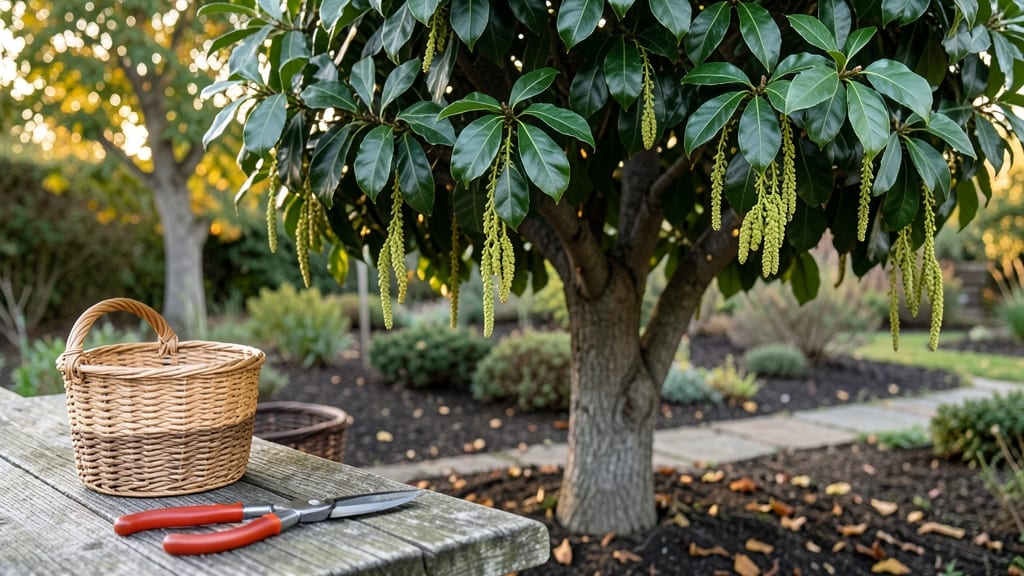
Growing tung oil tree fruit from seed starts with a fast-germination chill method—the secret to beating stubborn sprouting delays. I’ve struggled with this myself, watching seeds sit for months before finally breaking dormancy.
The right technique cuts that waiting time in half, giving you strong seedlings ready for planting within weeks instead of months.
This method works best with fresh seeds stored in a cool, dry place. You’ll need a plastic bag, a damp paper towel, and a refrigerator—no fancy equipment. The process mimics winter conditions, tricking seeds into thinking spring has arrived.
Once you’ve prepped them, germination happens reliably, even in warm climates where seeds might otherwise refuse to sprout.
What you’ll end up with are sturdy young trees that establish quickly in the ground. Their glossy leaves and rapid growth make them stand out in any landscape, and the fruit—though not edible—produces the prized tung oil used in wood finishes and industrial applications.
The first harvestable nuts appear in just 3-5 years, making the wait worthwhile.
This approach works for gardeners in USDA zones 7-10, where tung trees thrive. For cooler climates, extend the chill period slightly, but avoid overdoing it—seeds can rot if kept too wet.
The key is patience combined with precise timing, and once you master it, you’ll never struggle with slow germination again.
📚 In This Guide
- What you need
- Instructions
- Tips and common mistakes
- Wrapping up and next steps
What you need
- ● Tung oil tree seeds: 10–20 fresh, high-quality seeds (check for plumpness and no cracks).
- ● Germination trays or seedling pots: 2–4 shallow trays (4–6" deep) or small pots (3–4" diameter) with drainage holes.
- ● High-quality potting mix: 2–3 bags of well-draining, sterile mix (e.g., 50% coconut coir + 30% perlite + 20% vermiculite).
- ● Plastic wrap or humidity dome: 1–2 sheets to retain moisture during germination.
- ● Spray bottle: 1 (with water) for gentle misting.
- ● Refrigerator or cold stratification setup: A standard fridge (34–40°F) with a sealed container (e.g., Ziploc bag + paper towel).
- ● Fine-mesh screen or paper towels: 1–2 sheets for seed stratification.
- ○ Heat mat (optional): 1 (70–75°F) for post-chill warmth if needed.
- ● Grow lights or sunny windowsill: Access to 12+ hours of light daily (LED grow lights work great!).
- ● pH meter or test kit: 1 (to check soil pH, ideal range: 5.5–6.5).
- ● Patience! Tung oil seeds take 4–8 weeks to germinate with the chill method.
- ● Consistent moisture (keep soil damp, not soggy).
- ● Warmth after chilling (seeds need 68–75°F to sprout).
Step-by-Step instructions for germinating tung oil tree seeds using the chill method
Here's how to break the dormancy barrier and get those seeds sprouting reliably in weeks.
Prepare Seeds with the Hot-Water Soak
Start by filling a bowl with 200°F water—just hot enough to create steam but not scalding. Drop the tung oil seeds in and let them soak for exactly 10 minutes. This hot soak softens the thick seed coat and kickstarts the germination process. I time it precisely because over-soaking can damage the embryo inside.
After the 10 minutes, drain the water immediately and transfer the seeds to a clean paper towel. Fold the towel to create a snug wrap around the seeds—this keeps them moist without drowning them. The towel should feel damp to the touch but not dripping wet. Place the wrapped seeds in a sealed plastic bag and store them in the refrigerator.
Chill Seeds for 4-6 Weeks
Keep the bagged seeds in the fridge for 4-6 weeks—this mimics the natural winter stratification they'd experience in the wild. Check them weekly by opening the bag and feeling for moisture. If the towel feels dry, mist it lightly with water and reseal. The goal is to maintain consistent dampness without letting the seeds sit in water.
This cold treatment breaks dormancy by slowing metabolic processes and preparing the seed to sprout when warmth returns. You'll know it's working when the seeds start to plump up slightly—this is your signal that stratification is effective. If they remain shriveled after 6 weeks, extend the chill period by another 2 weeks.
Warm and Plant the Stratified Seeds
After the cold treatment, remove the seeds from the fridge and let them sit at room temperature for 24 hours to acclimate. This gradual shift prevents shock to the embryo. Plant them ½ inch deep in a well-draining seed-starting mix, spacing them 2 inches apart in individual pots or a seed tray. Tung oil seeds germinate best in 70-80°F soil, so use a seedling heat mat if your home runs cooler.
Water gently but thoroughly after planting—aim for soil that's moist to the touch but not soggy. Place the pots in a bright, indirect light location (like a north-facing window) until germination occurs. You'll see sprouts in 2-4 weeks, depending on how consistent your warmth and moisture have been. Patience here pays off—rushing the process often leads to weak, leggy seedlings.
Transition to Light and Care for Sprouts
Once the first true leaves appear (not the initial seed leaves), move the seedlings to a location with bright, indirect light for 12-14 hours daily. Tung oil trees need strong light to develop sturdy stems, but direct sun can scorch young leaves. If growth slows or stems stretch excessively, supplement with a grow light kept 4-6 inches above the plants.
Water when the top inch of soil feels dry to the touch, but avoid letting the soil dry out completely. Tung oil seedlings are sensitive to moisture fluctuations—too much causes root rot, while too little stunts growth. You'll know you're doing it right when the seedlings grow steadily with deep green leaves and no yellowing.
Tips & tricks for germinating tung oil tree seeds
This chill method works wonders once you nail these key details—trust me, I've seen the difference between success and frustration.
Temperature Precision in Step 1: That 200°F water is critical—any hotter risks damaging the seed's delicate embryo, while cooler water won't soften the tough seed coat effectively. Use a thermometer to verify the temperature, especially if your tap water runs hot. I've ruined batches by eyeballing it, so don't make that mistake. The 10-minute soak is equally important: set a timer and drain immediately after, even if the seeds still feel firm.
Chill Strategy for Step 2: Place your bagged seeds on a shelf near the fridge's crisper drawer where temperatures hover around 35-40°F—this mimics natural winter conditions better than the main fridge compartment. If your fridge runs warmer, consider moving the seeds to the coldest available spot. The 4-6 weeks is a guideline, but if your kitchen stays consistently cool (below 65°F), you might need the full 6 weeks plus the optional 2-week extension for stubborn seeds.
Light Transition in Step 4: When moving seedlings to 12-14 hours of light, start with 12 hours and gradually increase by 1 hour daily to prevent shock. Tung oil seedlings are sensitive to sudden light changes—if they suddenly get too much sun, their leaves will yellow at the edges. A simple grow light on a timer solves this perfectly without risking scorching. I've seen seedlings stretch dramatically when light exposure wasn't gradual, so take it slow.
Pro Tips for Tung Oil Tree Fruit
- This chill method works wonders once you nail these key details—trust me, I've seen the difference between success and frustration.
- Temperature Precision in Step 1: That 200°F water is critical—any hotter risks damaging the seed's delicate embryo, while cooler water won't soften the tough seed coat effectively.
- Chill Strategy for Step 2: Place your bagged seeds on a shelf near the fridge's crisper drawer where temperatures hover around 35-40°F—this mimics natural winter conditions better than the main fridge compartment.
Frequently asked questions
about growing tung oil tree (Vernicia fordii) fruit from seed—because even the fastest germination method has its quirks! Here are answers to the most common questions from gardeners just like you.1. How long does it take for tung oil tree seeds to germinate using the chill method?
The chill method typically speeds up germination to 2–4 weeks. However, some seeds may take up to 6–8 weeks—patience is key! Keep the soil consistently moist (not soggy) and monitor for tiny sprouts. If nothing appears after 8 weeks, the seed may need a fresh start.
2. Can I grow tung oil tree fruit indoors, or does it need outdoor conditions?
Tung oil trees thrive outdoors in USDA Zones 7–10 and need full sun (6+ hours daily). While you can start seeds indoors in a warm, sunny window, they’ll outgrow containers quickly. Transplant seedlings outdoors after the last frost for best growth—indoor growth is possible but limited.
3. What should I do if my tung oil tree seeds rot instead of sprouting?
Rotting seeds usually mean too much moisture or poor drainage. Try these fixes:
- Adjust soil mix: Use a 50/50 blend of potting soil and perlite/sand for better aeration.
- Repot immediately: Remove rotted seeds, dry the remaining ones, and replant in fresh, sterile soil.
- Check humidity: Use a clear plastic dome or humidity tray (but avoid waterlogging).
4. Are there faster alternatives to the chill method for tung oil tree seeds?
While the chill method is reliable, you can try:
- Hot water soak: Soak seeds in 180°F water for 24 hours to soften the shell (may speed up germination by 1–2 weeks).
- Stratification shortcut: Place seeds in a refrigerator (34–40°F) for 10–14 days before planting, mimicking winter conditions.
- Scoop method: Nick the seed coat with a knife (gently!) to help water penetrate—use sparingly to avoid damage.
5. How do I know when my tung oil tree seedlings are ready for transplanting?
Seedlings are ready when they have:
- 2–3 true leaves (not just cotyledons—the first "seed leaves").
- A sturdy stem (at least 3–4 inches tall).
- Healthy roots (check by gently tugging—roots should resist lightly).
Wrapping up and next steps
The tung oil tree fruit offers a rewarding journey for gardeners—from fast germination with the chill method to nurturing strong, healthy sprouts. With the right tools and patience, you’ll unlock the potential of this versatile plant, whether for oil, timber, or ornamental beauty. Now’s your chance to start!
- 🌱 Ready to grow? Gather your supplies and try the chill method today—your tung oil tree awaits!
- 📝 Need more help? Bookmark this guide or share it with fellow plant enthusiasts for future reference.
Happy gardening—your green thumb is about to level up! 🌿✨