
Pruning
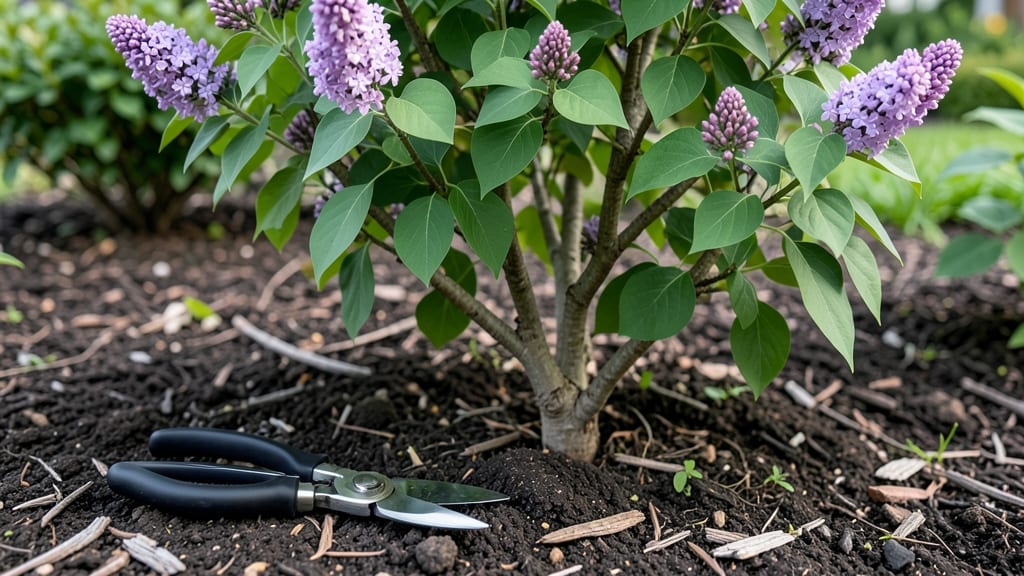
Trimming lilac trees right after flowering unlocks their secret to long-lasting blooms—and I’ve learned the hard way that timing makes all the difference. 🌸 My first attempt in early spring left me with sparse flowers, but mastering this one rule transformed my bushes from leggy shadows into fragrant, flower-covered stars.
The key isn’t just cutting back—it’s knowing when to cut for maximum impact.
You’ll need sharp pruning shears, gloves, and a clear morning to work. Start by removing any dead or crossing branches first—this improves airflow and prevents disease. Then, focus on shaping the tree by cutting just above a leaf bud or outward-facing branch.
Most lilacs bloom on last year’s wood, so avoid heavy cuts unless you’re rejuvenating an overgrown bush. Think of it like giving your lilac a fresh haircut: less is more.
Proper trimming rewards you with denser foliage, brighter blooms, and fewer pests—my bushes now burst with flowers for weeks instead of just a few days. The best part?
You’ll spend less time fighting tangled branches and more time enjoying their intoxicating fragrance. Ready to turn your lilacs into the showstopper of your yard?
This method works for both mature and young lilacs, though older bushes may need a more aggressive approach every few years. Whether you’re dealing with a small shrub or a towering specimen, the same principles apply—just adjust the intensity. Let’s get those shears ready!
📚 In This Guide
- What you need
- Instructions
- Tips and common mistakes
- Wrapping up and next steps
What you need
- ● Pruning shears – Sharp, bypass-style shears (4–6" blades) for clean cuts on small branches.
- ● Loppers – For thicker branches (2–3" diameter), with long handles for leverage.
- ● Pruning saw – A curved-tooth saw for branches over 3" in diameter.
- ● Gloves – Heavy-duty, cut-resistant gloves to protect from thorns and scrapes.
- ● Disinfectant (70% isopropyl alcohol or bleach solution) – To sterilize tools between cuts and prevent disease.
- ● Heavy-duty trash bags or bucket – For collecting pruned branches and debris.
- ● Ladder (if needed) – A sturdy, extension ladder (12–16 ft) for taller trees.
- ● Safety glasses – To shield eyes from flying debris or sap.
- ● Hand pruners with a ratchet mechanism – Reduces hand strain for prolonged pruning.
- ● Tree pole pruners – Extend your reach for high branches without a ladder.
- ● Marking spray or tape – To tag branches for removal before cutting.
- ● Knee pads or a small stool – For comfort if you’re working on the ground.
- ● Compost bin or mulch – To recycle pruned branches into nutrient-rich soil.
Step-by-step guide to trimming lilac trees for beautiful spring blooms
Here's how I keep my lilacs flowering like clockwork every spring.
✂️ Step 1: Time Your Cut for Peak Health
Wait until right after blooming—when flowers fade but before new buds form. This timing ensures you don't cut off next year's blossoms. I usually trim in late May or early June, depending on when my lilacs finish flowering. If you cut too early, you risk removing flower buds that haven't opened yet.
Check your tree's progress daily. When 90% of blooms have dropped and stems turn brown, that's your cue. Never trim when buds are still tight—they'll be gone forever. Lilacs bloom on old wood, so pruning at the wrong time means fewer flowers next spring.
✂️ Step 2: Use the Right Tools and Technique
Grab clean, sharp pruning shears—dull blades tear stems and invite disease. I disinfect my tools with rubbing alcohol between cuts to prevent spreading any fungal spores. Cut at a 45-degree angle just above a leaf bud or branch collar, never leaving stubs.
For shaping, remove no more than 1/3 of the tree's total growth in one season. I start by thinning out weak, crossing, or inward-growing branches first—they compete for energy and create dense centers. Make your cuts just outside the branch collar to promote faster healing.
☀️ Step 3: Shape for Airflow and Sunlight
Step back and study your tree's natural shape. Lilacs grow best when they get full sun and good airflow—both prevent fungal diseases like powdery mildew. Remove any branches that block sunlight from reaching the center. I aim for an open vase shape, letting light penetrate to the core.
For older trees, you can lightly rejuvenate by cutting back some of the oldest stems to their base. This encourages new growth from the roots. Just don't overdo it—lilacs are tough but not indestructible. If you see dead or diseased wood, cut it out immediately, even if it means trimming outside the ideal season.
⏰ Step 4: Clean Up and Monitor Growth
After trimming, rake up and dispose of all clippings—never leave them under the tree. They can harbor pests and diseases. I also spray the cuts with a fungicide as a precaution, especially if my area has had powdery mildew issues before.
Watch for new growth in the following weeks. Healthy lilacs should sprout fresh leaves within 2-3 weeks of pruning. If you see yellowing leaves or stunted growth, you may have cut too aggressively. Water deeply after pruning to help the tree recover, but don't overdo it—lilacs prefer moderate moisture and hate soggy roots.
Tips & tricks for perfect lilac tree trimming
Once you've mastered the basics, these little-known tricks will help your lilacs thrive for years to come.
Timing is Everything: I can't stress this enough—wait until those spent blooms turn completely brown and crispy before trimming. The 90% bloom drop rule is your golden guideline. If you're unsure, do a quick test: gently tug a few flowers. If they come off easily, it's time. This ensures you're not accidentally cutting off next year's flower buds, which form on last year's wood.
Tool Prep Prevents Problems: Before you start, sharpen your pruning shears and wipe them down with rubbing alcohol. Dull blades crush stems instead of cutting cleanly, creating entry points for diseases. I also keep a small spray bottle of fungicide handy—just a quick spray on fresh cuts can prevent powdery mildew from taking hold. Remember, clean tools mean healthier trees.
Shape Like a Pro: When shaping your lilac, think about creating an open vase shape that allows sunlight to reach the center. Remove any branches growing inward or crossing others first—they're the biggest culprits for creating dense centers that block airflow. For older trees, you can rejuvenate them by cutting back some of the oldest stems to the ground. This might sound drastic, but it encourages vigorous new growth from the roots.
Post-Trim Care: After you're done, don't just leave the clippings on the ground. Rake them up and dispose of them properly—they can harbor pests and diseases. I also give my trees a good deep watering after trimming to help them recover. Just be careful not to overwater; lilacs prefer moderate moisture and can't handle soggy roots. Watch for new growth in the following weeks—healthy lilacs should sprout fresh leaves within 2-3 weeks of pruning.
Pro Tips for Trimming Lilac Trees
- Once you've mastered the basics, these little-known tricks will help your lilacs thrive for years to come.
- Timing is Everything: I can't stress this enough—wait until those spent blooms turn completely brown and crispy before trimming.
- Tool Prep Prevents Problems: Before you start, sharpen your pruning shears and wipe them down with rubbing alcohol.
Frequently asked questions
Got questions about trimming your lilac trees? You’re not alone! Here are some of the most common concerns—plus expert answers to keep your lilacs thriving.
When is the best time to trim lilac trees?
Prune lilacs right after they finish blooming in late spring (usually May or June). This timing ensures you don’t cut off next year’s flower buds, which form on old wood. Avoid pruning in fall or winter, as this can stimulate late-season growth that may not survive frost.
How much can I cut back my lilac tree?
For mature lilacs, you can safely remove up to one-third of the oldest stems at the base. Younger trees (under 3 years old) only need light shaping—focus on removing dead or crossing branches. Never cut more than 20% of the foliage in a single year to avoid stressing the plant.
What if I prune my lilacs at the wrong time?
If you accidentally prune in fall or winter, don’t panic! Lilacs are resilient, but you may see fewer blooms the following spring. To recover, reduce pruning severity and focus on removing only dead or damaged wood. Next year, stick to late spring for optimal results.
Will trimming my lilacs make them bloom more?
Yes—but only if done correctly! Pruning after blooming encourages stronger, more abundant flowers the next year by promoting airflow and sunlight. However, over-pruning (especially in early spring) can reduce blooms. Think of it as a renewal, not a drastic makeover.
Can I shape my lilac into a hedge or topiary?
Lilacs aren’t ideal for formal hedges or topiary because they bloom on old wood, and aggressive shaping can limit flowers. However, you can lightly shape them into a loose, rounded form by trimming just the outer growth. For hedges, consider privet or boxwood instead—they handle shearing much better!
Wrapping up and next steps
Trimming your lilac trees in spring isn’t just about aesthetics—it’s the secret weapon for healthier growth and stunning, long-lasting blooms year after year. 🌸 By following the right techniques, timing, and tools, you’ll keep your lilacs thriving while shaping them into showstoppers.
Now that you’re armed with the know-how, there’s no better time to roll up your sleeves and give your lilacs the care they deserve!
Ready to take action? Grab your pruners, mark your calendar for early spring, and start trimming with confidence! Your future blooms will thank you—literally! 🌿✨