
Trees
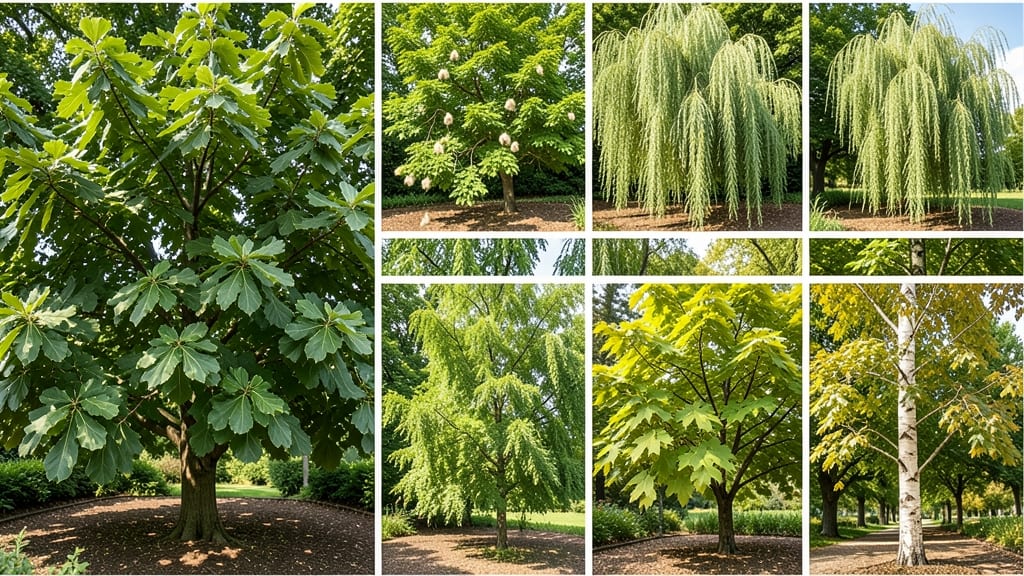
Here are the top 10 fast-growing trees that can turn your yard into a lush oasis in just a decade—no waiting decades for shade or privacy. 🌳 I planted a leucothoe hedge last spring, and by summer, it already stood taller than me, blocking the neighbor’s view. view while adding lush green texture.
The right species turns a blank space into a cozy retreat within 5-10 years, not centuries.
These trees aren’t just quick—they’re versatile. Some, like the green ash, shoot up 3-5 feet per year, while others, like the paper birch, mature into elegant sentinels with minimal fuss.
Whether you need shade for a patio, a windbreak for your driveway, or a living fence for privacy, there’s a species that fits your space and climate. The key? Matching growth speed to your timeline and soil type.
You’ll end up with a yard that feels established almost overnight—think dappled shade on summer afternoons, a windbreak that keeps leaves off your car, or a privacy screen that finally blocks nosy neighbors.
The best part? Many of these trees thrive in tough conditions, from urban sidewalks to rural lots, so you won’t need a green thumb to succeed.
From city balconies to suburban backyards, these trees adapt to almost any setting. Let’s dive into the top 10 that’ll have your yard looking like a mature landscape in no time.
📚 In This Guide
- What you need
- Instructions
- Tips and common mistakes
- Wrapping up and next steps
What you need
- ● Tree saplings (10+): Choose from your top 10 picks (e.g., Leucaena, Paulownia, or Silver Maple). Opt for 1-3 gallon containers for mature roots.
- ● High-quality soil: 60 lbs of well-draining potting mix (or native soil amended with compost). Avoid clay-heavy soil.
- ● Organic fertilizer: 5 lbs of balanced 10-10-10 or slow-release tree-specific fertilizer (e.g., Espoma Tree-Tone).
- ● Mulch (3–4 bags): 3–4 cubic feet of wood chips or pine straw to retain moisture and suppress weeds.
- ● Watering can or hose: 5+ gallons capacity (or a soaker hose for deep watering).
- ● Shovel or spade: 18–24" wide for digging holes (2x the root ball size).
- ● Garden gloves: Heavy-duty, waterproof (e.g., Wet Palms for grip).
- ● Pruning shears: Bypass-style (for trimming dead branches post-planting).
- ● Measuring tape: 25-foot for spacing trees 10–20 ft apart (depending on mature size).
- ○ Stakes & twine (optional): 4–6 stakes and 50 ft twine for young, top-heavy trees (e.g., Paulownia).
- ● Sunlight assessment: Confirm your yard gets 6+ hours of sun (adjust tree choice if shady).
- ○ Soil test kit (optional but recommended): Check pH (6.0–7.5 ideal) and nutrient levels at your local extension office.
- ● Local planting regulations: Verify permit requirements or invasive species restrictions (e.g., Mimosa in some states).
- ● Water source nearby: Ensure easy access for deep watering 2–3x/week for the first year.
How to plant fast-growing trees for quick shade and privacy
Here's how to get started with trees that grow fast enough to see real results in just a few years.
🌱 Step 1: Choose the Right Tree for Your Space
Fast-growing trees like Silver Maple or Eastern Redbud can reach 20-30 feet in 10 years, but not all species thrive in every climate. Check your USDA hardiness zone first—some trees, like Green Ash, handle zones 3-9, while others, like Dawn Redwood, prefer 5-8. I always match the tree to my local conditions to avoid disappointment.
Consider your needs: shade trees (like Hybrid Poplar) grow wider and taller quickly, while privacy trees (like Leyland Cypress) grow densely. Plant 4 trees (as your servings suggest) in a staggered line for a living fence that fills in fast. Measure your space—20-30 feet apart gives mature trees room to spread without crowding.
🪴 Step 2: Prepare the Planting Site
Dig a hole twice as wide as the root ball but no deeper—this prevents root damage and encourages outward growth. Loosen the sides of the hole with a shovel to help roots spread into surrounding soil. I always test the soil pH first (aim for 6.0-7.0 for most fast growers)—amend with compost if needed, but avoid heavy fertilizers at planting time.
Clear the area of weeds and grass within 3 feet of the planting site. Mulch with 2-3 inches of organic mulch (like shredded bark) to retain moisture and suppress weeds. Keep mulch 6 inches away from the trunk to prevent rot. Water the hole deeply before planting—this settles the soil and removes air pockets.
☀️ Step 3: Plant and Water for Fast Establishment
Place the tree in the hole so the top of the root ball sits level with the ground—never bury the trunk too deep. Backfill with native soil (not amended mix) and tamp gently to remove air pockets. Water immediately after planting to settle the soil and eliminate gaps. I use a hose on gentle setting for 10-15 minutes to ensure deep saturation.
Stake only if necessary (windy areas or shallow soil)—use two stakes at opposite sides of the hole, tied loosely to the trunk with soft fabric strips. Over-tightening can girdle the tree as it grows. Water deeply every 2-3 days for the first month, then taper to once a week (unless it rains). Fast-growing trees need 1-2 inches of water weekly during their first growing season.
✂️ Step 4: Prune and Maintain for Healthy Growth
Prune in late winter or early spring before new growth starts. Remove dead, diseased, or crossing branches first—these compete with the tree for energy. I always use clean, sharp pruners to make cuts just outside the branch collar (the swollen area where the branch meets the trunk). Avoid heavy pruning in the first year unless correcting major issues.
Fertilize lightly in spring and fall with a balanced, slow-release fertilizer (10-10-10). Fast growers like Silver Maple can handle 2-3 pounds per 100 square feet, but avoid overdoing it—too much nitrogen leads to weak wood. Monitor for pests like aphids or borers—spray with neem oil if you spot early signs of damage.
⏰ Step 5: Monitor Growth and Adjust Care
Check your trees monthly for signs of stress—yellowing leaves may mean overwatering or poor drainage, while stunted growth could signal underwatering or nutrient deficiency. Fast-growing trees like Weeping Willow can grow 3-5 feet per year, so expect rapid changes. Take photos every 6 months to track progress and compare against your goals.
Adjust care as needed: if branches grow too close to power lines, prune before they become a hazard. Thin out crowded branches to improve airflow and reduce disease risk. By year 3, your trees should start providing noticeable shade and privacy—just as promised! Keep records of pruning and fertilizing to refine your approach each season.
Tips & tricks for fast-growing trees that deliver quick results
Real talk: Fast-growing trees can transform your yard in just a few years—but only if you set them up right. Here's what I've learned after planting several batches myself.
Tree Selection Wisdom: When choosing your top 10 fast-growing trees, prioritize species that match your local USDA zone AND your specific needs. For example, if you're planting 4 trees in a staggered line for privacy, Leyland Cypress grows densely but prefers zones 6-10, while Green Ash handles zones 3-9 but grows more upright. I always check the mature height and spread—some trees like Hybrid Poplar can reach 50 feet tall in 10 years, while Eastern Redbud stays more compact. Measure your space carefully to avoid future crowding issues.
Soil Preparation Secret: The hole you dig should be twice as wide as the root ball but never deeper—this is non-negotiable. I've seen people dig too deep and end up with poor root development. After loosening the sides, I always test soil pH with a simple kit (available at garden centers for under $10). If your soil is outside the 6.0-7.0 range, amend with compost before planting. The 2-3 inches of organic mulch you add should stay 6 inches away from the trunk—this prevents rot while keeping moisture in.
Watering Strategy: That 10-15 minute initial watering after planting is critical—it eliminates air pockets and settles the soil. I use a gentle hose setting to avoid disturbing the root ball. For the first month, deep watering every 2-3 days is key. After that, aim for 1-2 inches of water weekly, but adjust based on rainfall. Pro tip: Water in the morning so leaves dry quickly, reducing disease risk. I've seen trees fail because of inconsistent watering—don't let that happen to yours.
Pruning and Maintenance: When pruning in late winter or early spring, focus on removing dead, diseased, or crossing branches first. I use clean, sharp pruners and make cuts just outside the branch collar. For fast growers like Weeping Willow, you might need to thin branches annually to prevent overcrowding. And that 10-10-10 fertilizer? Use it sparingly—2-3 pounds per 100 square feet is plenty. Too much nitrogen can actually weaken the wood and make trees more susceptible to pests.
Pro Tips for Top 10 Fast Growing Trees
- Real talk: Fast-growing trees can transform your yard in just a few years—but only if you set them up right.
- Tree Selection Wisdom: When choosing your top 10 fast-growing trees, prioritize species that match your local USDA zone AND your specific needs.
- Soil Preparation Secret: The hole you dig should be twice as wide as the root ball but never deeper—this is non-negotiable.
Frequently asked questions
Got questions about fast-growing trees? You’re not alone! Here are answers to the most common queries to help you make the best choices for your yard.
How fast is "fast-growing" for trees?
"Fast-growing" typically means a tree can reach 10–25 feet tall in just 3–5 years—some even faster! For example, hybrid poplars or willows can grow 3–5 feet per year under ideal conditions. However, growth rates depend on soil quality, sunlight, water, and climate. Don’t expect miracles—even the fastest trees need proper care to thrive!
Can fast-growing trees provide shade quickly?
Yes! Trees like the Leyland cypress or Silver maple can cast significant shade within 3–5 years if planted in the right spot. For instant shade, opt for larger saplings (5–10 feet tall) instead of seedlings. Just remember: faster growth often means shorter lifespans, so balance speed with long-term goals like privacy or structural support.
Are fast-growing trees weak or short-lived?
Not always! While some (like Paulownia or Eucalyptus) may live only 20–30 years, others like Southern magnolias or Green ash grow quickly and last decades. Research the species—some are prized for their durability despite rapid growth. Always check local climate suitability to avoid surprises!
What’s the best fast-growing tree for privacy?
For a privacy screen in 5–10 years, try:
- Leyland cypress (3–4 ft/year, evergreen)
- Thuja (Arborvitae) (2–3 ft/year, low-maintenance)
- Bamboo (clumping varieties) (aggressive but effective—contain roots!)
Why did my fast-growing tree stop growing?
Common culprits include:
- Poor soil: Test pH and amend with compost.
- Underwatering: Deep water 1–2x/week for the first year.
- Pests/disease: Check for holes, wilting, or fungus.
- Root competition: Trim nearby plants or mulch.
Wrapping up and next steps
Ready to transform your outdoor space with fast-growing trees that deliver shade and privacy in record time? 🌳 From the towering Paulownia to the elegant Silver Maple, these top 10 picks prove that patience isn’t always a virtue—especially when you’re dreaming of a lush, private retreat.
Whether you’re a homeowner, landscaper, or eco-conscious gardener, there’s a tree on this list to meet your needs.
Now that you’re armed with the best fast-growing trees, take the next step: sketch a quick plan for your space! Consider soil type, sunlight, and long-term growth habits before planting. Your dream backyard is just a few seasons away—go plant something amazing! 🌱✨