
Pruning
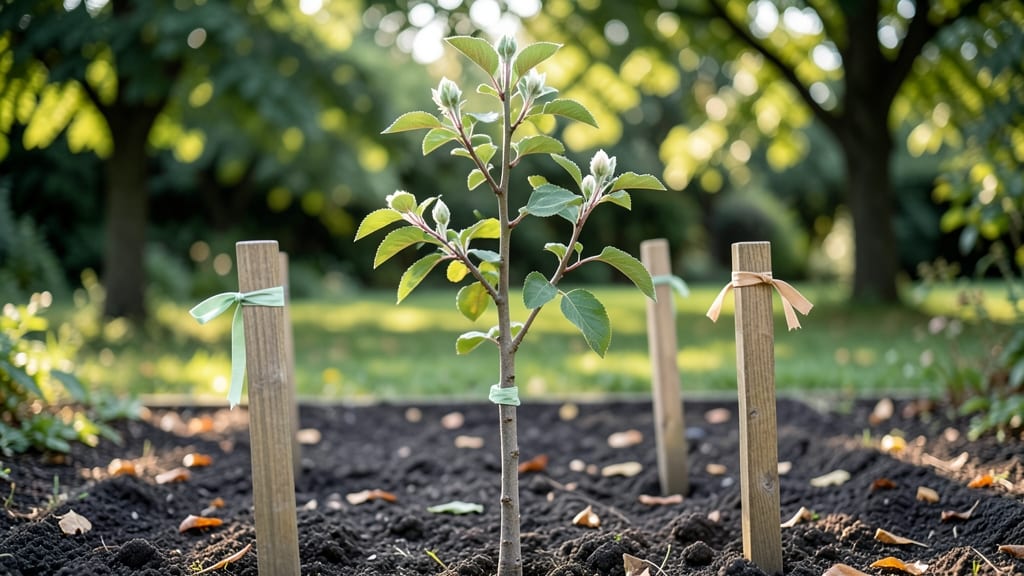
Staking a small tree is the difference between a sturdy, upright plant and a weak, leaning one that struggles to stand on its own. 🌳 I’ve seen young trees topple in strong winds because they weren’t properly supported—don’t let that happen to yours.
The key is timing, technique, and knowing when to let the tree go its own way.
The right materials make all the difference: 2-3-foot stakes driven deep into the soil, soft ties like tree straps or wide fabric strips, and a gentle touch when securing. Over-tightening ties can girdle the trunk, while stakes that aren’t deep enough won’t provide the stability your tree needs.
Think of it like giving your tree a temporary crutch—just enough support to build strength.
When done correctly, your tree will grow straight and strong, with a trunk that’s thick enough to stand alone in 1-2 years. The ties should barely hold, allowing the tree to sway slightly in the wind—this actually helps it develop resilience.
You’ll know it’s ready to be freed when the trunk is at least ¾-inch thick at the base.
This method works for newly planted saplings, young fruit trees, and even ornamental trees in windy areas. The goal isn’t to smother the tree but to guide it until it’s self-sufficient. Let’s get started—your tree’s future growth depends on it.
📚 In This Guide
- What you need
- Instructions
- Tips and common mistakes
- Wrapping up and next steps
What you need
- ● Tree stake: 1-2 wooden, metal, or plastic stakes (1-2 inches in diameter, 3-4 feet tall). Pro tip: 💡 Use stakes slightly taller than your tree’s current height for future growth!
- ● Staking straps or soft ties: 2-3 adjustable, stretchy straps (avoid wire or tight materials that can damage bark). 🔥 Recommended: 1-inch-wide fabric or rubber straps.
- ○ Staple gun or zip ties: For securing stakes to the straps (optional but helpful for extra stability).
- ● Shovel or trowel: To dig small holes for stakes (if not pre-installed).
- ● Mulch or compost: A small bag to improve soil health around the base.
- ● Watering can or hose: To keep the soil moist post-staking.
- ● Tree guard or collar: Protects the trunk from rubbing against stakes or ties.
- ● Bamboo or flexible stakes: Gentle on young roots and easier to adjust.
- ● Soil moisture meter: Ensures optimal hydration during the staking period.
- ● Pruning shears: For trimming any damaged branches post-installation.
Step-by-step guide for staking young trees
Here's how I keep my newly planted trees standing tall and strong.
🪴 Step 1: Choose the Right Stakes and Ties
Start by selecting 2-3 stakes per tree—one on each side and one in front if needed. Use 4-6 foot bamboo stakes for most small trees, but adjust based on height. The stakes should be positioned 6-12 inches from the trunk to avoid damaging the bark as the tree grows.
I like to use soft tree ties made from fabric or rubber instead of wire. These won't cut into the bark as the tree sways. Cut the ties to 18-24 inches long so you can adjust them as the tree grows. If your tree is particularly top-heavy, add a third stake on the opposite side for extra support.
✂️ Step 2: Position and Secure the Stakes
Drive the stakes into the ground at a 45-degree angle so they lean slightly away from the tree. This prevents them from digging into the trunk as the tree grows. The top of the stakes should be 2-3 inches above the tree's highest branch—this gives you room to adjust the ties later.
Loop the tree tie around the tree first, then around the stake. Cross the tie in an "X" pattern to create a secure but adjustable loop. Tighten just enough so the tree stands straight but can still sway slightly with the wind. You'll see the tree lean naturally—this is normal, and the ties will correct it over time. Check the ties every 2-3 weeks and loosen them if the tree outgrows the current fit.
🌿 Step 3: Monitor and Adjust for Growth
After the first month, inspect the stakes and ties for signs of rubbing or constriction. If the tree tie leaves a groove in the bark, loosen it immediately. The goal is to keep the tree upright without restricting its natural movement or growth. You'll notice the tree may grow taller than the stakes—this is when you'll need to add extension stakes or replace the ties with longer ones.
Remove the stakes and ties as soon as the tree can stand on its own, usually within 1-2 years for small trees. Look for a thickened trunk at the base and minimal leaning as signs it's ready. I always remove ties during the growing season so the tree isn't shocked by sudden freedom in winter. Here's the thing—if you leave stakes too long, the tree may rely on them and grow weak.
Tips & tricks for staking small trees
These simple strategies will help your young trees grow strong and straight without common pitfalls.
Stake Placement Matters: Position those 4-6 foot bamboo stakes at least 6-12 inches from the trunk—closer than that and you risk damaging the bark as the tree grows. I've seen too many trees with permanent scars from stakes that were placed too near. Also, bury the stakes only halfway—they need to stay upright and visible for future adjustments.
Tree Tie Technique: The 18-24 inch soft tree ties should cross in an "X" pattern when securing to both tree and stake. This creates a more stable anchor than a simple loop. I learned this the hard way after watching a tree sway too much with just a single loop tie—it was like trying to hold a flagpole with one hand! The "X" pattern distributes the pressure more evenly.
Growth Monitoring: After that first month check, if you notice the tree tie leaving grooves in the bark, loosen it immediately. The goal is support, not restriction. I've seen trees with permanent damage from ties that were left too tight—it's like wearing a cast that's too snug for too long. And remember, those 2-3 week checks are crucial—trees grow faster than you think!
Pro Tips for Staking A Small Tree
- These simple strategies will help your young trees grow strong and straight without common pitfalls.
- Stake Placement Matters: Position those 4-6 foot bamboo stakes at least 6-12 inches from the trunk—closer than that and you risk damaging the bark as the tree grows.
- Tree Tie Technique: The 18-24 inch soft tree ties should cross in an "X" pattern when securing to both tree and stake.
Frequently asked questions
Got questions about staking small trees? You’re not alone—here are the answers to the most common ones to help you grow strong, straight trees with confidence!
How long should I stake a young tree?
Most small trees need staking for 12–18 months or until their root systems stabilize. Check stability by gently tugging the tree—if it wobbles easily, keep the stake in place. Over-staking can weaken the trunk, so remove supports as soon as the tree stands firm on its own.
What’s the best type of stake to use?
Use softwood stakes (like bamboo or fiberglass) to avoid damaging the tree’s bark. Avoid metal stakes—they can conduct heat and harm the trunk. For extra support, add a tree tie (not wire!) to loosely secure the trunk to the stake. Pro tip: Bend, don’t break!
When is the best time to stake a tree?
Stake your tree immediately after planting to prevent wind damage. If you’re transplanting an established tree, stake it within 24–48 hours to minimize shock. Avoid staking in extreme weather—wait for calm conditions to reduce stress on the roots.
What if my tree leans even after staking?
If the tree leans despite staking, check for uneven root growth or poor soil compaction. Loosen the soil around the roots and adjust the stake angle slightly. For severe leans, consider guying (using multiple stakes in a triangle) for better stability. Patience is key—some trees straighten over time!
Are there alternatives to traditional staking?
Yes! Try biodegradable stakes (like cornstarch-based options) or natural supports like thick branches. For small trees, even a well-compacted soil mound around the base can add stability. Just avoid tight ties—gentle guidance is the goal!
Wrapping up and next steps
Staking a small tree is a simple yet powerful way to ensure strong, straight growth—giving your young plant the best chance to thrive! 🌱 With the right materials and a few easy steps, you’ll provide the support it needs while avoiding common mistakes.
Whether you’re a gardening newbie or a seasoned green thumb, this method is your secret to healthy, resilient trees.
Ready to take the next step? Grab your supplies, follow the guide, and watch your tree grow tall and proud. Your future shade—or fruit—starts with just a little patience and care!