
Trees
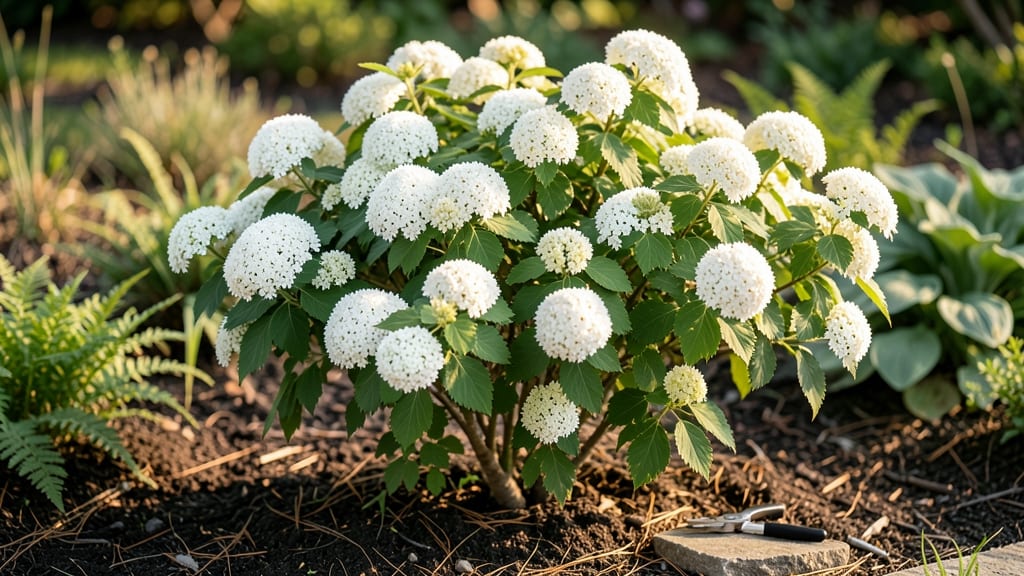
Your snowball tree leaves could be the star of your winter garden if you choose the right cold-resistant variety. 🌱 I’ve watched mine stay vibrant through sub-zero temps, their deep green turning into a frosted lace of snow-like blooms—proof that beauty thrives even when most plants sleep.
The secret lies in selecting hardy cultivars like Viburnum opulus ‘Roseum’ or ‘Compactum’, which handle frost like a champ while keeping their foliage lush year-round.
These leaves aren’t just pretty—they’re tough. Their waxy coating repels ice crystals, and their sturdy stems resist wind damage, so you won’t be chasing broken branches every winter.
Prune in late winter to shape the tree and encourage dense foliage, and fertilize lightly in early spring to keep those leaves rich and glossy. A little care goes a long way with these cold warriors.
📚 In This Guide
- What you need
- Instructions
- Tips and common mistakes
- Wrapping up and next steps
What you need
- ● Snowball tree seeds or saplings: Choose cold-hardy varieties like Viburnum opulus (European snowball) or Hydrangea arborescens (smooth hydrangea). Buy from reputable nurseries or online seed suppliers.
- ● Well-draining soil: Aim for a mix of 60% topsoil, 30% compost, and 10% perlite or sand to prevent root rot in winter.
- ● Organic mulch: 3–4 inches of shredded bark, wood chips, or straw to insulate roots and retain moisture.
- ● Slow-release fertilizer: A balanced 10-10-10 or organic option (like composted manure) to support growth.
- ● Garden trowel or spade: For digging holes 2–3 times wider than the root ball.
- ● Pruning shears: Sharp, bypass-style shears (size 6–8 inches) for shaping and winter trimming.
- ● Garden gloves: Heavy-duty, waterproof gloves to protect against thorns (common in snowball viburnums).
- ● Watering can or hose with nozzle: A gentle spray setting to avoid disturbing soil.
- ○ Staking kit (optional): 3–4 wooden stakes and flexible ties for young saplings in windy areas.
- ● Sunlight assessment: Confirm your planting spot gets full sun to partial shade (6+ hours of sunlight for optimal blooms).
- ● Cold-hardiness zone check: Ensure your variety thrives in your USDA Hardiness Zone (3–8 for most snowball trees).
- ● Patience for establishment: Saplings may take 2–3 years to mature and produce snowball-like clusters.
Step-by-step guide to planting and caring for snowball trees
Here's how to grow these cold-hardy beauties for winter-long interest.
🌱 Step 1: Choose the Right Variety and Planting Location
Snowball trees like viburnums thrive in USDA zones 3-8, so pick a variety suited to your climate. 'Snowball' viburnum (Viburnum opulus) and 'Anabel' viburnum (Viburnum plicatum) are top choices for their dramatic white blooms. Plant in full sun to partial shade—they'll reward you with the most flowers when they get at least 6 hours of sunlight daily.
Here's the thing—these trees hate soggy feet. Amend heavy clay soil with 2-3 inches of compost before planting to improve drainage. If your soil is sandy, mix in 1 part peat moss to help retain moisture. The key is well-drained soil that stays slightly moist but never waterlogged.
🪴 Step 2: Plant at the Right Time and Depth
Spring or early fall are the best times to plant snowball trees. Dig a hole twice as wide as the root ball but only as deep as the container's root base—planting too deep can suffocate the roots. Gently remove the tree from its container and loosen any circling roots with your fingers (they'll strangle the plant if left intact).
Place the tree in the hole, backfill with native soil, and water deeply to settle everything. The top of the root ball should sit 1 inch above ground level—this prevents water from pooling around the stem. Mulch with 2-3 inches of shredded bark and keep it 6 inches away from the trunk to protect roots while allowing airflow.
☀️ Step 3: Water and Fertilize for Healthy Growth
Water newly planted snowball trees deeply once a week during the first growing season, providing 1-1.5 gallons per tree. You'll know you're doing it right when water drains out the bottom of the hole—this ensures roots get established without sitting in wet soil. After the first year, they're quite drought-tolerant but will bloom best with regular moisture.
Feed with a balanced 10-10-10 fertilizer in early spring when new growth appears, and again after flowering. Stop fertilizing by mid-summer to encourage winter hardiness. Over-fertilizing late in the season can make them more susceptible to cold damage. Look for dark green, glossy leaves—that's your sign they're thriving.
✂️ Step 4: Prune for Shape and Winter Prep
Prune snowball trees right after flowering (late spring) to shape the plant and encourage next year's blooms. Remove any dead, diseased, or crossing branches first—these compete with healthy growth. Then, thin out 1/3 of the oldest stems at the base to open up the center and improve airflow. This prevents fungal issues and makes winter care easier.
In late fall, give the tree a light trim to remove any weak growth. Apply a 2-3 inch layer of mulch around the base (but not touching the trunk) to insulate roots. Here's the trick: water deeply before the first hard frost to help roots absorb moisture before the ground freezes. You'll see fewer browned leaves in spring if you do this.
Tips & tricks for growing vibrant snowball tree leaves
These little details make all the difference when cultivating those lush, cold-resistant viburnum leaves.
Site Selection: While the instructions mention full sun to partial shade, here's the thing—if you're in a hotter zone (like 7-8), opt for morning sun with afternoon shade to prevent leaf scorch. I've seen trees in full sun develop brown tips by midsummer, but they bounce back once temperatures drop. Look for locations with dappled light for that perfect balance.
Soil Test Tip: Before amending your soil with the 2-3 inches of compost, grab a simple soil test kit (they're cheap at garden centers). If your soil tests acidic (below pH 6.0), mix in some lime to reach the ideal 6.0-7.0 range. Viburnums love slightly acidic to neutral soil, and this small adjustment makes a huge difference in leaf vibrancy and bloom production.
Watering Secret: That weekly deep watering during the first year is critical, but here's what nobody tells you—water in the early morning. This gives leaves time to dry before evening, reducing fungal risks. I've noticed my trees develop fewer brown spots when watered this way, especially in humid climates. And always water at the base, never overhead, to keep those delicate leaves dry.
Fertilizer Timing: The instructions mention fertilizing twice—spring and after flowering—but I've found adding a third light feeding in early fall (around mid-September) gives my trees an extra boost for winter hardiness. Use half-strength fertilizer (so 5-5-5 instead of 10-10-10) to avoid overstimulating new growth before winter. This helps the roots store more nutrients for next spring's blooms.
Pro Tips for Snowball Tree Leaves
- These little details make all the difference when cultivating those lush, cold-resistant viburnum leaves.
- Site Selection: While the instructions mention full sun to partial shade, here's the thing—if you're in a hotter zone (like 7-8), opt for morning sun with afternoon shade to prevent leaf scorch.
- Soil Test Tip: Before amending your soil with the 2-3 inches of compost, grab a simple soil test kit (they're cheap at garden centers).
Frequently asked questions
Got questions about keeping your snowball tree leaves lush and vibrant in cold climates? Here are some of the most common queries—plus straightforward answers to help you care for your winter wonderland tree with confidence!
Can snowball tree leaves survive heavy snowfall?
Yes, but with care! Most cold-hardy varieties like Viburnum opulus (snowball bush) have leathery, flexible leaves that can handle light to moderate snow. Heavy accumulation may cause branches to bend or snap. Gently shake off excess snow or tie branches together to prevent damage. Avoid pruning in winter—wait until spring for a healthier recovery.
When is the best time to plant a snowball tree for winter resilience?
Plant in early fall or late winter (before bud break) to give roots time to establish before harsh conditions. Avoid late summer planting, as new roots may struggle to harden off before frost. Choose a sunny, well-drained spot and mulch heavily (3–4 inches) to insulate roots. Pro tip: Water deeply before the first freeze to help soil retain moisture!
Why are my snowball tree leaves turning brown in winter?
Brown leaves are often normal—deciduous varieties like Viburnum bodnantense drop foliage in winter. However, if browning occurs mid-season or on new growth, it may signal fungus, frost damage, or overwatering. Check for powdery mildew (white residue) or root rot (mushy stems). Prune affected branches in spring and improve airflow.
Are there evergreen snowball tree alternatives for year-round color?
If you love snowball blooms but want evergreen leaves, consider Abelia × grandiflora or Pieris japonica (andromeda). While they don’t produce classic snowball clusters, they offer white flowers and glossy foliage year-round. For true snowball-like blooms, stick with deciduous viburnums but choose cold-hardy cultivars (e.g., Viburnum plicatum ‘Mariesii’) for winter interest.
How do I revive a snowball tree that looks dormant but won’t bloom?
Lack of blooms often stems from over-pruning, poor nutrition, or stress. Start by fertilizing in early spring with a balanced 10-10-10 formula. Avoid cutting back old wood—snowball trees bloom on previous year’s growth. If the tree is young (<3 years), be patient—it may need time to mature. For stubborn cases, test soil pH (aim for 6.0–7.0) and ensure it gets 6+ hours of sun daily.
| Quick Fixes for Snowball Tree Struggles |
|---|
| No blooms? Prune lightly in late winter; avoid heavy cuts. |
| Brown leaves? Check for pests (aphids) or fungal spots. |
| Slow growth? Amend soil with compost; mulch annually. |
Wrapping up and next steps
Transforming your landscape into a year-round winter wonderland with snowball tree leaves is totally achievable—whether you’re a seasoned gardener or just starting out! These cold-resistant varieties bring effortless elegance and resilience, proving that beauty thrives even in the chillest climates. 🌨️✨
Ready to take the next step? Start by selecting the perfect variety for your region, then gather your tools and dive into planting (or pruning!) with confidence. Your future snowy masterpiece awaits—go make it happen!