
Flowers
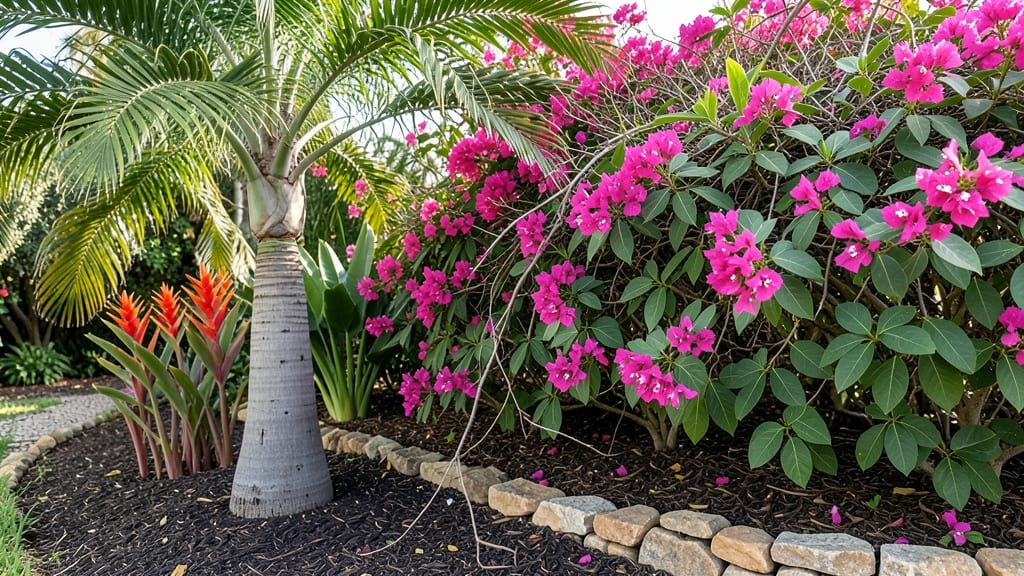
Creating a tropical paradise around your palm tree starts with the right flowers—ones that thrive in its shade, humidity, and sandy soil. 🌺 I learned the hard way that not all blooms survive under a palm’s canopy, but the right mix transforms a bare trunk into a lush, year-round display.
The key? Pairing drought-tolerant ground covers with shade-loving perennials that complement the palm’s height and texture.
Think layered beauty: start with 1-2 feet of mulch to protect roots, then add low-growing ferns or caladiums near the base. Mid-height plants like hibiscus or plumbago climb the trunk’s shadow, while taller cannas or bird-of-paradise bloom above.
This setup works in zones 9-11 and requires minimal watering once established—just deep soaks every 7-10 days during dry spells.
By summer, you’ll have a vibrant understory where sunlight filters through palm fronds, casting dappled light on jewel-toned blooms. The contrast between the palm’s architectural lines and soft, flowing flowers creates that Waikiki-meets-backyard effect. Plus, the right plants deter pests naturally—no chemicals needed.
This design adapts to small patios or sprawling yards—just scale the spacing. For example, a 5-foot palm needs 3-4 feet of clearance for air circulation, while larger varieties like royal palms can anchor a 10-foot radius of flowering companions.
The payoff? A garden that feels like a vacation, with zero extra effort once planted.
📚 In This Guide
- What you need
- Instructions
- Tips and common mistakes
- Wrapping up and next steps
What you need
- ● Palm tree: 1 mature palm (e.g., Kentia, Areca, or Majesty) or a young sapling (3–5 ft tall).
- ● Tropical flowers: 5–10 plants (mix of annuals/perennials): Heliconia (🌸 3–5 plants)
- ● Bird of Paradise (🌺 2–3 plants)
- ● Plumeria (🌿 3–5 plants, fragrant varieties)
- ● Ixora (🌼 4–6 plants, compact types)
- ● Bromeliads (🌿 5–8 plants, colorful varieties)
- ● Potting mix: 5–10 gallons of well-draining tropical mix (50% peat moss, 30% perlite, 20% coconut coir).
- ● Container or in-ground space: For pots: 1 large planter (24"+ diameter, 12"+ depth) or 3–5 medium pots (12"+ diameter).
- ● For garden beds: 5–6 sq ft of sunny, well-draining soil.
- ● Fertilizer: 1 bag of slow-release tropical fertilizer (e.g., 10-10-10 or organic options like fish emulsion).
- ● Mulch: 2–3 bags of wood chips or pine bark (3" layer).
- ● Gardening tools: Trowel or hand shovel
- ● Pruning shears (for trimming)
- ○ Gloves (optional but recommended)
- ○ Optional enhancements: Decorative rocks or pebbles (for drainage/design)
- ● Solar-powered lights (💡 for evening ambiance)
- ● Watering can or drip irrigation system
- ● Full-sun location (6+ hours/day) or bright indirect light (for indoor setups).
- ● Warm climate (USDA Zones 9–11) or protected outdoor space (containers can be moved indoors in winter).
- ● Access to water (palms need 1–2 gallons/day in hot weather; flowers prefer consistent moisture).
Step-by-Step guide to layering flowers around a palm tree
Create a lush tropical canopy with these strategic planting layers.
🌿 Step 1: Plan Your Tropical Layers
Start by sketching a 360-degree circle around your palm tree, dividing it into four equal quadrants. This ensures balanced growth and prevents one area from becoming overcrowded. I like to use a 6-foot radius for mature palms, but adjust based on your tree's size—smaller palms need a 3-foot radius to avoid root competition.
Choose plants that thrive in your climate's USDA hardiness zone while complementing the palm's natural habitat. For example, in Zone 10, I pair bird of paradise (Strelitzia) with plume poppy (Macleaya) for height contrast, while Zone 9 might feature elephant ears (Alocasia) and ginger lilies (Hedychium). The key is selecting plants with similar moisture needs—palms despise dry soil, so all companions should tolerate occasional dampness.
🪴 Step 2: Prepare the Planting Zones
Dig 12-inch-deep holes in each quadrant, spacing them 3-4 feet apart from the palm's trunk and 2 feet apart from each other. This spacing prevents root systems from tangling while allowing foliage to blend seamlessly. Amend the native soil with 2 inches of compost and 1 cup of slow-release fertilizer per hole—palm companions often thrive in slightly richer soil than the palm itself.
For sandy or fast-draining soils, mix in 1 part peat moss to 3 parts native soil to improve moisture retention. Water each hole deeply 24 hours before planting to settle the soil and create a more stable base. This pre-watering step is critical—it prevents transplant shock when roots first encounter the soil.
☀️ Step 3: Plant Tall to Short, Back to Front
Begin with the tallest plants (like canna lilies or ginger lilies) closest to the palm's trunk, gradually stepping down in height as you move outward. This creates a natural tiered effect that mimics a tropical forest understory. Place medium-height plants (such as plume poppy or tropical hibiscus) in the middle layer, and ground covers (like sweet potato vine or frogfruit) in the outermost ring.
When planting, position each specimen so its most attractive foliage or blooms faces the viewing area. For example, the bird of paradise's orange-and-blue bracts should angle toward a patio or walkway. Press soil firmly around roots but avoid compacting it—gentle firming encourages root contact with the soil without restricting growth.
💧 Step 4: Establish a Consistent Watering Routine
Water deeply 2-3 times per week during the first 6-8 weeks to help roots establish. Use a soaker hose or drip irrigation to deliver moisture 1-2 inches below the soil surface—this encourages deep root growth. Avoid overhead watering, which can promote fungal diseases in tropical plants. You'll know you're watering correctly when the top 2 inches of soil feel moist but not soggy.
After the initial establishment period, reduce watering to once weekly during dry spells, adjusting based on rainfall. Mulch each planting zone with 2-3 inches of organic mulch (like shredded bark) to retain moisture and suppress weeds. This layer also keeps soil temperatures stable, which is especially important for tropical companions that dislike temperature fluctuations.
✂️ Step 5: Prune and Maintain Year-Round
Deadhead spent blooms monthly to encourage continuous flowering. For example, plume poppy benefits from regular pruning to maintain its bushy shape, while canna lilies should have their oldest leaves trimmed in early spring to make room for new growth. I also remove any foliage that rubs against the palm fronds—this prevents abrasions and disease spread.
Fertilize every 6-8 weeks with a balanced, water-soluble fertilizer (10-10-10 ratio) during the growing season. Tropical plants are heavy feeders, but avoid over-fertilizing—this can lead to salt buildup in the soil, which harms palm roots. Always water thoroughly before and after applying fertilizer to prevent root burn.
Tips & tricks for perfect tropical layering around palm trees
A few strategic moves will transform your palm tree into a vibrant tropical oasis that thrives year-round.
Layering Strategy: When planning your 360-degree circle in Step 1, consider adding one dwarf palm species (like a pygmy date palm) at the base of your existing palm. This creates an instant vertical layering effect that mimics natural tropical ecosystems. The dwarf palm's fronds will spill gracefully around your main tree, filling in gaps while maintaining the airy feel of a rainforest understory. This technique works especially well for 6-foot radius designs where you have space for multiple layers.
Soil Preparation Secret: In Step 2, don't stop at just 2 inches of compost—add a handful of worm castings to each hole. The beneficial microbes in worm castings help establish roots faster and improve soil structure. For sandy soils, consider adding 1 part coconut coir instead of peat moss (it's more sustainable and retains moisture better). The 24-hour pre-watering is crucial—it helps settle the soil and prevents air pockets that can suffocate new roots during planting.
Plant Placement Pro Tip: For Step 3's height arrangement, I recommend adding one fragrant plant (like plumeria or jasmine) to each quadrant. Position these so their blooms will be at nose level when you're standing near the palm. The scent will create an immersive tropical experience while the flowers add another layer of visual interest. When arranging ground covers, leave a 1-foot border around the edge of your planting zone to prevent them from encroaching on walkways.
Watering Wisdom: The 2-3 times per week watering routine in Step 4 is perfect, but here's how to make it even better: Install a smart irrigation timer that delivers water for 20 minutes per session. This ensures consistent moisture without overwatering. For the top 2 inches of soil check, use a soil moisture meter—it's more accurate than finger testing and prevents guesswork. Mulch with wood chips instead of shredded bark if you're in a hot climate—they provide better insulation against temperature swings.
Pro Tips for Flowers Around Palm Tree
- A few strategic moves will transform your palm tree into a vibrant tropical oasis that thrives year-round.
- Layering Strategy: When planning your 360-degree circle in Step 1, consider adding one dwarf palm species (like a pyg...
- Soil Preparation Secret: In Step 2, don't stop at just 2 inches of compost—add a handful of worm castings to each hol...
Frequently asked questions
Got questions about creating a stunning flower display around your palm tree?
You’re not alone! Here are some of the most common queries—and their easy answers—to help you nail that tropical vibe.
What are the best low-maintenance flowers to plant near a palm tree?
Opt for drought-tolerant, shade-friendly blooms like plumbago, bird of paradise, or hibiscus. These thrive in partial shade, require minimal water, and complement palm trees beautifully. Avoid high-water plants like ferns or hostas—they’ll compete for moisture and stress your palm.
How long does it take for flowers to bloom after planting?
Most tropical flowers take 3–6 months to establish and bloom, depending on the variety. Hibiscus and bougainvillea may flower faster (within 2–3 months), while plumbago can take up to a year. Patience pays off—consistent watering and sunlight speed up the process!
Do palm trees need extra water when flowers are planted nearby?
Not necessarily! Palm trees are drought-resistant, but their roots share soil space with flowers. Water deeply 2–3 times per week during dry spells to keep both happy. Use mulch (like bark chips) to retain moisture and reduce evaporation. Pro tip: Water in the morning to prevent fungal issues.
Can I plant flowers too close to a palm tree’s trunk?
Avoid planting flowers within 3–5 feet of the palm trunk to prevent root competition and disease spread. Instead, create a circular bed around the drip line (the tree’s canopy edge). This gives roots space to breathe while keeping the tropical aesthetic intact.
Will tropical flowers survive in my climate if I don’t live in a warm region?
Many tropical flowers (like bougainvillea or plumbago) are hardy in USDA Zones 9–11. For cooler climates, opt for ornamental grasses, succulents, or evergreen shrubs like dwarf schefflera. Potted arrangements let you move flowers indoors during frost!
How do I keep pests away from both palm trees and flowers?
Prevent pests with neem oil (natural repellent) or insecticidal soap. Monitor for scale (on palms) or aphids (on flowers). Prune damaged leaves and remove debris where pests hide. Bonus: Ladybugs and lacewings are your allies—invite them with native plants!
Wrapping up and next steps
Creating a tropical paradise with flowers around your palm tree isn’t just about aesthetics—it’s about crafting a vibrant, low-maintenance oasis that thrives year-round. 🌺 Whether you’re layering bold hibiscus, delicate orchids, or fragrant jasmine, the key is balancing sunlight, soil, and style to keep your space lush and inviting.
With the right plants and a little creativity, you’ll transform any corner into a serene escape that blooms effortlessly.
Ready to take the next step? Start small! Pick one or two showstopper flowers to complement your palm, then expand as you gain confidence. Pro tip: Snap photos of your progress—your tropical vision will inspire others (and your future self!). 🌴✨