Trees
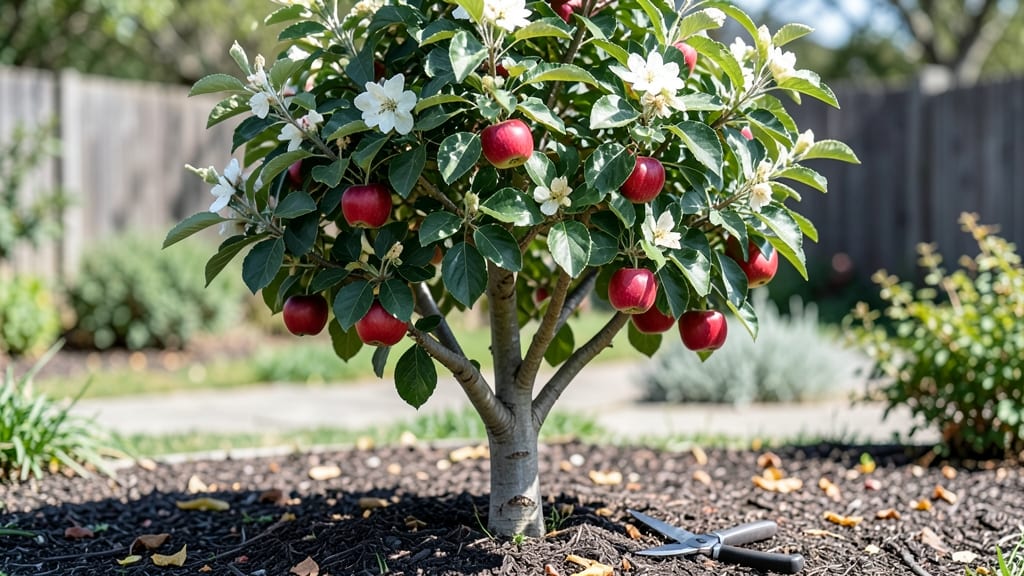
Small trees for Zone 3 don't just survive—they become the backbone of your landscape, their sturdy branches holding onto snow like nature's own winter art. 🌲 I learned this the hard way after losing two young trees to harsh winters, until I discovered varieties that not only endure but thrive in subzero temperatures.
The right species can handle -40°F without flinching, their roots buried deep where the ground stays warmer than the air.
Start with cold-hardy stars like the Sargent crabapple ('Malus sargentii'), which bursts with pink blossoms in spring and holds its fruit well into winter, or the dwarf Korean lilac ('Syringa meyeri'), a compact powerhouse that fills the air with fragrance for weeks.
These trees need well-draining soil—amend heavy clay with compost—and a sunny spot where they can establish strong roots before winter hits. Plant in early fall or late spring to give roots time to settle before extreme cold arrives.
What you'll love most is how these trees transform your yard from a seasonal canvas to a year-round masterpiece. The serviceberry ('Amelanchier') delivers white spring blooms, edible berries in summer, and fiery fall foliage, while dwarf Norway spruce ('Picea abies') stays lush and green even when temperatures drop.
With proper winter protection—like wrapping young trunks with tree guards—you'll watch them grow decade after decade, their presence a quiet testament to resilience.
Whether you're filling a small urban yard or adding structure to a rural landscape, these trees deliver beauty without the maintenance headaches. The key is choosing varieties that match your space and light conditions—then giving them the right start.
Let's get your Zone 3 yard planted with trees that'll outlast you.
📚 In This Guide
- What you need
- Instructions
- Tips and common mistakes
- Wrapping up and next steps
What you need
- ● Small trees (Zone 3 hardy varieties): 1–3 trees (e.g., Amelanchier lamarckii [Serviceberry], Malus 'Evereste' [Crabapple], or Sorbus aucuparia [Mountain Ash])
- ● Size: 3–6 ft tall (container-grown or bare-root)
- ● Planting hole: 2x wider than the root ball, 12–18 inches deep
- ● Native soil or amended mix: 50% topsoil, 50% compost or peat moss (for drainage)
- ○ Optional: 1 cup bone meal (for phosphorus, if soil is poor)
- ● Tools: Shovel (round-point or flat)
- ● Garden trowel (for fine adjustments)
- ● Wheelbarrow (for mixing soil)
- ● Gloves (heavy-duty for root handling)
- ● Mulch: 2–3 inches of wood chips or straw (keep 6" away from trunk)
- ● Tree stakes & ties: 2 stakes + soft fabric ties (if tree is top-heavy)
- ● Fertilizer: Slow-release 10-10-10 (1 lb per tree, post-planting)
- ● Watering can or hose: With soaker nozzle (for deep hydration)
- ● Tree guard: Plastic spiral wrap (to protect from rodents in winter)
Step-by-Step guide to planting small trees in Zone 3
Here's how to get your cold-resistant trees established for decades of beauty.
🌱 Step 1: Choose the Right Location and Prepare the Soil
Select a spot with 6+ hours of sunlight daily—most small trees need full sun to develop strong structure. Avoid low areas where cold air settles, as Zone 3 winters demand extra protection. I always check for underground utilities before digging, since tree roots can damage buried lines over time.
Test your soil's drainage by digging a 12-inch deep hole. If water pools after 30 minutes, amend with 2-3 inches of compost mixed into the native soil. Zone 3 soils often compact easily, so loosen the top 6 inches with a garden fork to encourage root spread. The goal is soil that holds moisture but doesn't stay soggy—small trees hate "wet feet."
🪴 Step 2: Plant at the Correct Depth and Stake for Support
Dig a hole twice as wide as the root ball but only as deep as the container. Small trees often come in pots, and planting too deep can suffocate the trunk. Remove the tree from its container and gently tease apart any circling roots with your fingers—this prevents girdling as the tree matures.
Place the tree in the hole so the top of the root ball sits 1-2 inches above ground level. Fill around the roots with native soil, tamping lightly every 2 inches to eliminate air pockets. I like to add a 3-inch layer of mulch (keep it 6 inches away from the trunk) to retain moisture and regulate soil temperature. Water deeply to settle everything.
☀️ Step 3: Water and Monitor for First-Growth Signs
Give your new tree 1 gallon of water per inch of trunk diameter immediately after planting. For a 2-inch diameter tree, that's 2 gallons total. Use a soaker hose or drip irrigation to deliver water slowly at the base—surface watering can erode soil away from roots.
Check soil moisture weekly by sticking your finger 2 inches deep. If it feels dry, water again. You'll notice new growth within 4-6 weeks—look for fresh leaves or buds as your signal that roots are establishing. Avoid fertilizing during the first year; young trees focus energy on root growth, not foliage.
✂️ Step 4: Prune and Protect for Zone 3 Winters
Remove any broken, crossing, or diseased branches in early spring before new growth begins. Use clean, sharp pruners to make cuts just outside the branch collar. I never prune more than 25% of the tree's canopy in one season—this prevents stress, especially in young trees.
For winter protection, wrap the trunk with tree guard to prevent rodent damage. In the first winter, consider wrapping the entire tree with burlap if your variety is particularly tender (like some crabapples). Remove the wrap in early spring before buds swell. Zone 3 trees need cold acclimation, so don't rush to protect them—most handle winters just fine once established.
Tips & tricks for perfectly planting cold-hardy trees
Took me years to learn these tricks after struggling with my first few plantings—don't make my mistakes!
Soil Test First: Before digging that 12-inch deep hole, grab a handful of soil and squeeze it. If it forms a tight ball that doesn't crumble easily, your drainage needs improvement. I've seen Zone 3 soils stay soggy for days after rain, and that's a recipe for root rot. The 30-minute water test in Step 1 is your best friend—if water's still standing after that time, definitely add that 2-3 inches of compost. For extra insurance, mix in some perlite or coarse sand to break up clay soils.
Root Ball Secrets: When you remove that tree from its container, don't just plop it in the hole! Gently separate those circling roots with your fingers—yes, it takes patience, but this prevents girdling that'll strangle your tree as it grows. I've seen trees planted with tight root circles struggle for years. Pro tip: If the root ball is particularly dense, make a few vertical cuts around the edges with a sharp knife before planting to encourage outward growth.
Mulch Like a Pro: That 3-inch layer of mulch around your tree is more important than you think. Keep it 6 inches away from the trunk to prevent moisture buildup that causes rot. I like to use shredded bark mulch because it breaks down slowly, but avoid fresh wood chips—they can steal nitrogen from your young tree. In Zone 3 winters, that mulch acts like a blanket, protecting roots from extreme temperature swings. Just remember to refresh it every spring as it decomposes.
Watering Wisdom: Those first 4-6 weeks after planting are critical. The 1-gallon-per-inch rule is perfect, but here's what nobody tells you: water in the morning so the foliage has time to dry before evening. Wet leaves overnight invite fungal problems. Also, don't rely on rain—Zone 3 can have dry spells even in summer. I set up a simple drip irrigation system on a timer for my new plantings, which delivers water right at the roots without wasting a drop.
Pro Tips for Small Trees Zone 3
- Took me years to learn these tricks after struggling with my first few plantings—don't make my mistakes!
- Soil Test First: Before digging that 12-inch deep hole, grab a handful of soil and squeeze it.
- Root Ball Secrets: When you remove that tree from its container, don't just plop it in the hole!
Frequently asked questions
Got questions about small trees for Zone 3? You’re not alone! Here are some of the most common concerns—and straightforward answers—to help you pick the perfect cold-hardy tree for your yard.
What are the best small trees for Zone 3 that stay under 15 feet tall?
Top picks include Dwarf Korean Lilac (6–8 ft), Serviceberry (10–15 ft), and Amelanchier (10–12 ft). These varieties offer year-round interest with flowers, fruit, and fall color—plus, they handle Zone 3’s harsh winters like a champ!
Can small trees survive Zone 3 winters without extra protection?
Most cold-hardy varieties (like Honeycrisp Crabapple or Dwarf Alberta Spruce) thrive with no extra protection. Young trees may benefit from a mulch ring or burlap wrap for their first winter, but mature trees are tough as nails. Always check the specific variety’s hardiness zone!
When is the best time to plant small trees in Zone 3?
Fall (late September–October) is ideal—cool temps and moist soil help roots establish before winter. Spring (April–May) is a close second. Avoid planting in extreme heat or freezing ground, as both stress young trees.
What if my small tree isn’t growing well in Zone 3?
Check for poor drainage, compacted soil, or pests. Amend soil with compost, water deeply but infrequently, and monitor for spider mites or borers. If the tree looks wilted or discolored, it may need transplanting to a sunnier spot.
Are there any low-maintenance small trees for Zone 3?
Try Dwarf Hackberry (resistant to pests), Russian Olive (drought-tolerant), or Juneberry (self-sufficient and wildlife-friendly). These trees require minimal pruning, watering, and fuss—just plant, admire, and enjoy!
Wrapping up and next steps
Choosing the right small trees for Zone 3 means you’re setting the stage for a resilient, beautiful landscape that stands up to harsh winters and thrives year-round. From the sturdy Amelanchier to the elegant Crabapple, these cold-hardy varieties offer low-maintenance beauty without compromising durability. 🌳❄️
Ready to transform your space? Start by selecting a tree that fits your yard’s size, sunlight, and style—then grab your gloves and get planting! With the right care, your small tree will grow into a stunning focal point for seasons to come. Happy gardening!